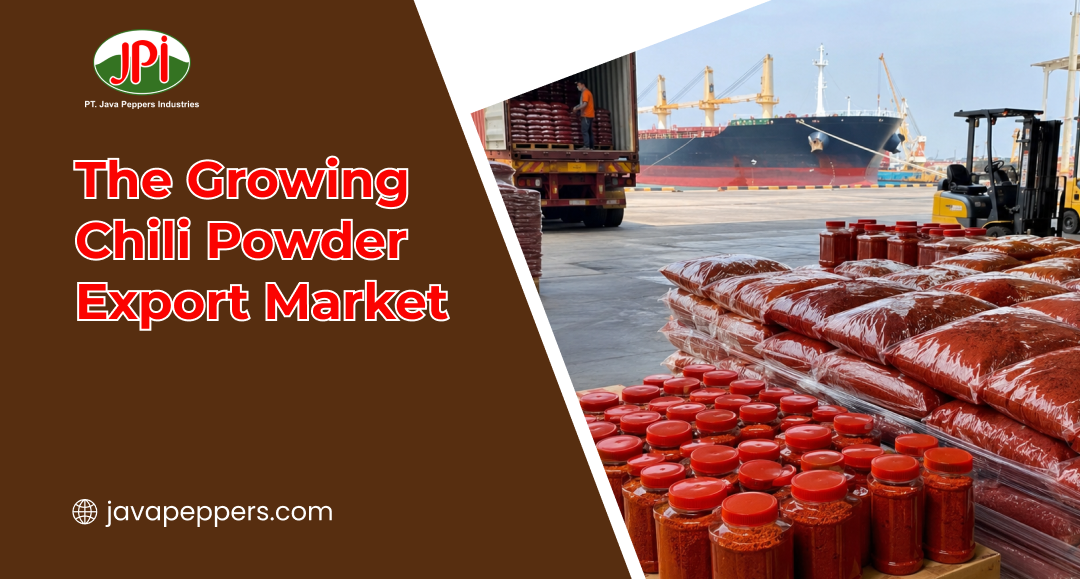
Chili Powder Export – Recent trade reports are turning heads across the spice industry. According to agriculture data, Indonesia ranks as the world’s fourth-largest chili producer today. Yet, surprisingly, local farmers still struggle to boost their chili powder export numbers on a global scale. So, what’s holding this potential back, and how can it grow further? This article dives into the trends, top markets, and tips for standing out in the world of chili powder trade.
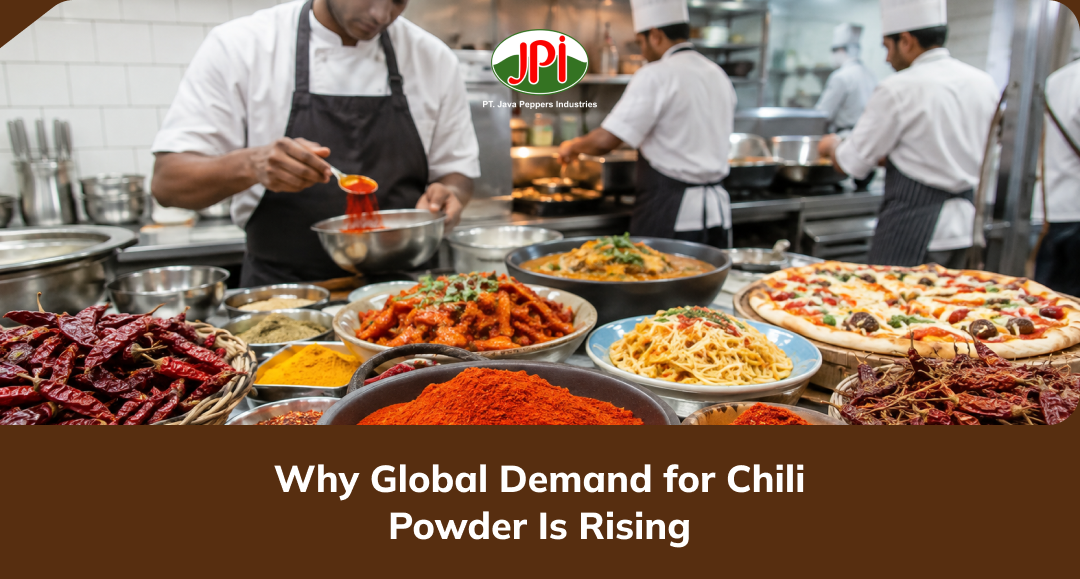
Why Global Demand for Chili Powder Is Rising
why_global_demand_for_chili_powder_is_rising
Longer Shelf Life Than Fresh Chili
Fresh chili spoils fast during long shipping routes. In contrast, chili powder stays usable for months without refrigeration. Therefore, buyers overseas prefer powder over raw pods. Consequently, demand for processed chili keeps climbing every year.
Rising Popularity of Spicy Cuisine Worldwide
Spicy food trends keep spreading across social media platforms. As a result, more countries now crave bold, fiery flavors. Meanwhile, restaurants everywhere add chili-based dishes to their menus. Thus, chili powder becomes a kitchen staple far beyond Asia.
Growth of the Processed Food Industry
Instant noodles, snacks, and sauces all rely on chili powder as a base ingredient. Additionally, manufacturers prefer powder because it blends into recipes instantly. Because of this, factories worldwide place larger bulk orders. Ultimately, this fuels steady growth in the export sector.
Health and Wellness Trends
Capsaicin, chili’s active compound, is now linked to metabolism benefits. Because of this, health-conscious consumers actively seek out spicy seasoning options. Moreover, wellness brands market chili powder as a natural flavor booster. Hence, demand grows beyond traditional culinary use alone.
Expanding E-Commerce and Global Trade Access
Online marketplaces now connect small exporters directly with overseas buyers. Therefore, farmers no longer depend solely on traditional trade routes. Additionally, digital platforms simplify documentation and shipping logistics.
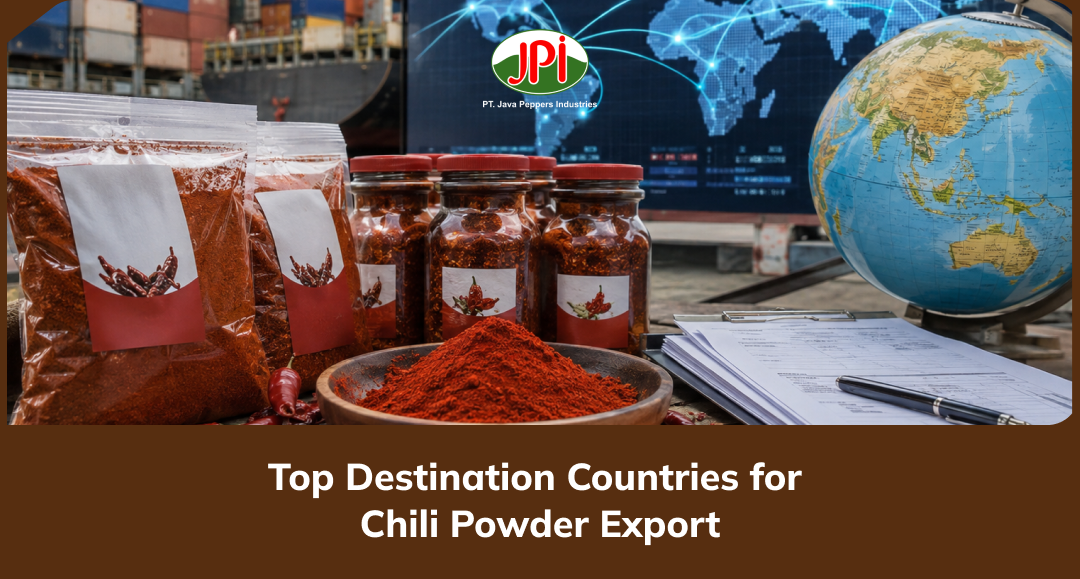
Top Destination Countries for Chili Powder Export
top_destination_countries_for_chili_powder_export
Middle Eastern Markets
Middle Eastern countries import large volumes of spicy seasoning products yearly. Specifically, nations like Saudi Arabia and the UAE show strong demand. Because of this, exporters often target these regions first. Consequently, Middle Eastern buyers remain a key pillar of chili powder export.
Southeast Asian Neighbors
Countries like Malaysia and Singapore regularly import Indonesian spice products. Since cultural taste preferences overlap, adoption happens quickly. Moreover, shorter shipping distances reduce overall logistics costs.
European Union Countries
The EU market shows growing interest in authentic Asian spices. However, strict regulations on pesticides and heavy metals apply here. Despite that, exporters who meet safety standards gain long-term contracts. Eventually, EU access builds strong brand credibility worldwide.
United States and North America
American food companies increasingly use chili powder in fusion cuisine. Meanwhile, the growing Asian food scene boosts overall product visibility. Because of this exposure, demand steadily rises across the continent. Thus, North America becomes an emerging opportunity for exporters.
Latin American Markets
Latin American countries already share a deep cultural love for spicy food. Interestingly, this overlap creates smoother market entry for new exporters. Additionally, trade agreements sometimes lower tariff barriers in the region. As a result, Latin America continues gaining traction as a destination.
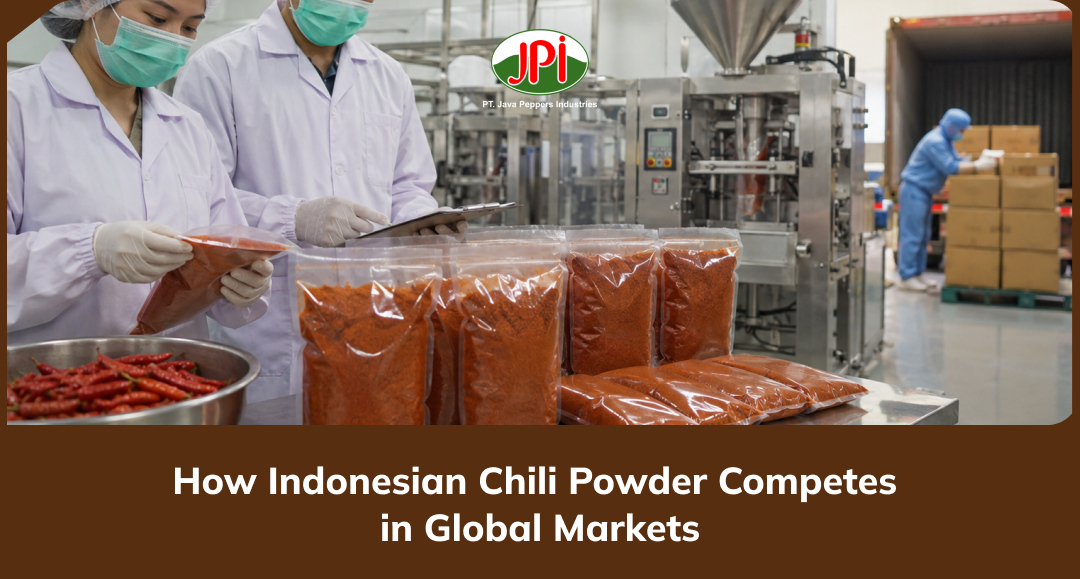
How Indonesian Chili Powder Competes in Global Markets
Facing Competition from Thailand, Vietnam, and India
Indonesian chili powder often competes directly against established exporters like Thailand and India. Unfortunately, Indonesia still lags behind in international brand recognition. Nevertheless, local producers keep improving product quality steadily.
Meeting International Food Safety Standards
Global buyers demand strict certification for pesticide and contamination levels. Because of this requirement, local exporters invest more in quality control. Additionally, certification builds trust with international importers.
Solving Logistics and Shipping Challenges
Long shipping times often reduce product freshness during transit. However, powder form already minimizes this specific risk factor. Still, better port infrastructure would speed up delivery further. Therefore, logistics improvement remains a key growth priority.
Building Stronger Export Branding
Many buyers still associate premium chili powder with Thai or Indian brands. Therefore, Indonesian exporters must invest more in marketing efforts. Additionally, clear packaging and certification labels boost buyer confidence.
Leveraging Government Trade Support Programs
Indonesian trade attaches actively assist producers with export documentation. Furthermore, government programs help connect farmers to buyers overseas. Because of this support, smaller producers can now access global markets.
Overall, the chili powder export market keeps expanding worldwide year after year. Meanwhile, Indonesia holds real potential thanks to strong production capacity. However, quality standards, branding, and logistics still need improvement.
Chili for Digestion – A recent study is stirring up debate in the health world. According to a July 2026 report, heavy chili consumption may raise the risk of gastrointestinal cancer. However, other research shows a different side of the story about chili for digestion. So, who is actually right? This article breaks down the science and gives you practical tips for enjoying chili without upsetting your gut.
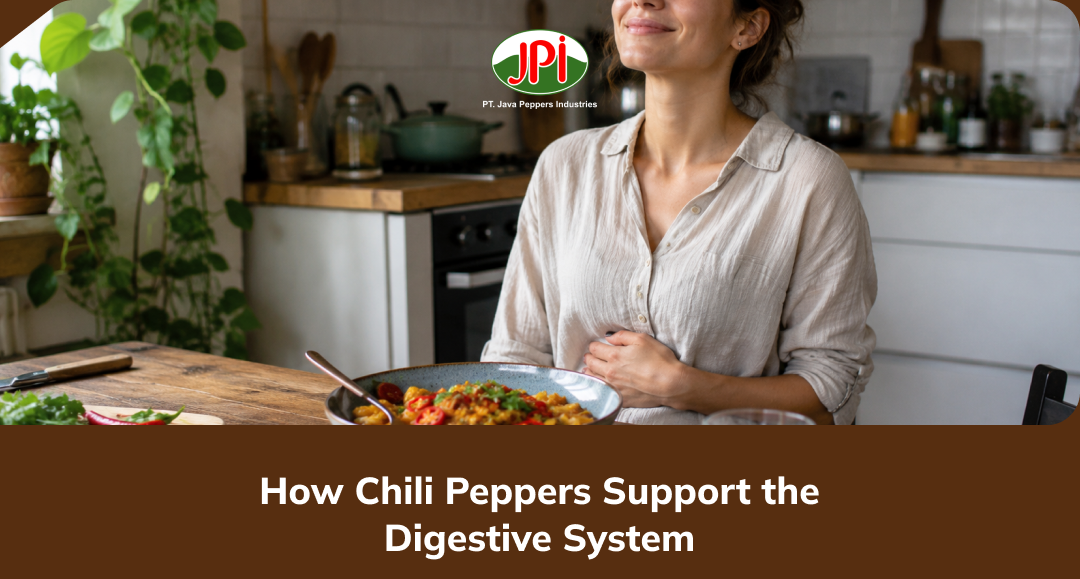
How Chili Peppers Support the Digestive System
how_chili_peppers_support_the_digestive_system
Triggering Saliva and Stomach Acid Production
Chili stimulates the salivary glands as soon as it touches your tongue. Additionally, capsaicin boosts stomach acid production. As a result, your body breaks down food faster. Consequently, you feel less bloated after meals.
Speeding Up Intestinal Movement
Spicy heat activates the muscles lining your gut. Therefore, food moves through your digestive tract more smoothly. As a result, constipation becomes less likely. Still, portion size always matters.
Supporting a Balanced Gut Microbiome
A 2025 study found that spicy eating habits link to a more diverse gut microbiome. In fact, regular chili eaters showed 15 percent more beneficial bacteria. Thus, fermentation in the colon runs more efficiently. Ultimately, overall gut health improves.
Helping Reduce Inflammation
Capsaicin carries mild anti-inflammatory properties. For this reason, chili may soothe minor digestive irritation. However, this benefit only applies in moderate amounts. Otherwise, overconsumption can trigger new irritation.
Boosting Metabolism
Spicy food raises calorie burning through a process called thermogenesis. In other words, your metabolism speeds up after a spicy meal. Indirectly, this supports smoother digestion overall. Consequently, chili often appears in healthy eating plans.
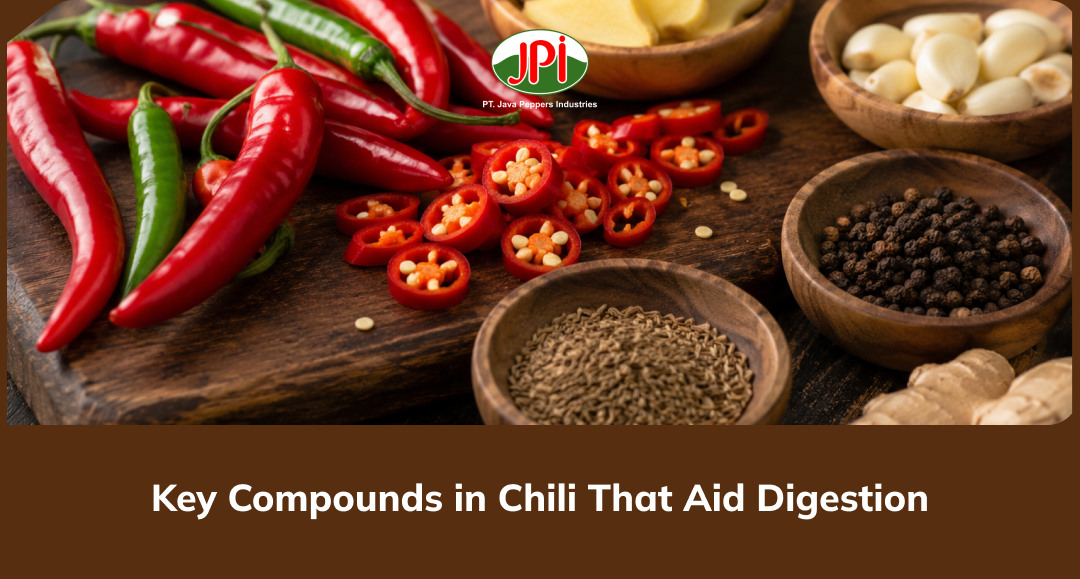
Key Compounds in Chili That Aid Digestion
key_compounds_in_chili_that_aid_digestion
Capsaicin, the Main Star
Capsaicin is the compound responsible for chili’s fiery kick. Moreover, it activates TRPV1 receptors throughout the digestive tract. Through this reaction, the body increases enzyme production. Hence, capsaicin sits at the core of chili for digestion.
Vitamin C for Nutrient Absorption
Fresh chili peppers pack a surprising amount of vitamin C. Therefore, the body absorbs iron from other foods more easily. As a result, daily energy levels stay balanced. Consequently, digestion runs without nutrient-related setbacks.
Flavonoid Antioxidants
Besides capsaicin, chili also contains flavonoid antioxidants. These compounds help protect the cells lining your gut. Thus, the risk of cellular damage from free radicals drops. Eventually, your digestive tract stays healthier long-term.
Fiber That Keeps Things Moving
Whole chili peppers, especially the skin, contain natural fiber. This fiber helps keep bowel movements regular. Therefore, whole chili is generally better than powdered versions. In contrast, processed hot sauces usually offer little fiber.
Essential Minerals Like Potassium
Chili also delivers a decent amount of potassium. This mineral helps maintain fluid balance in the digestive system. Consequently, gut muscles contract normally. Ultimately, bowel movements become smoother.
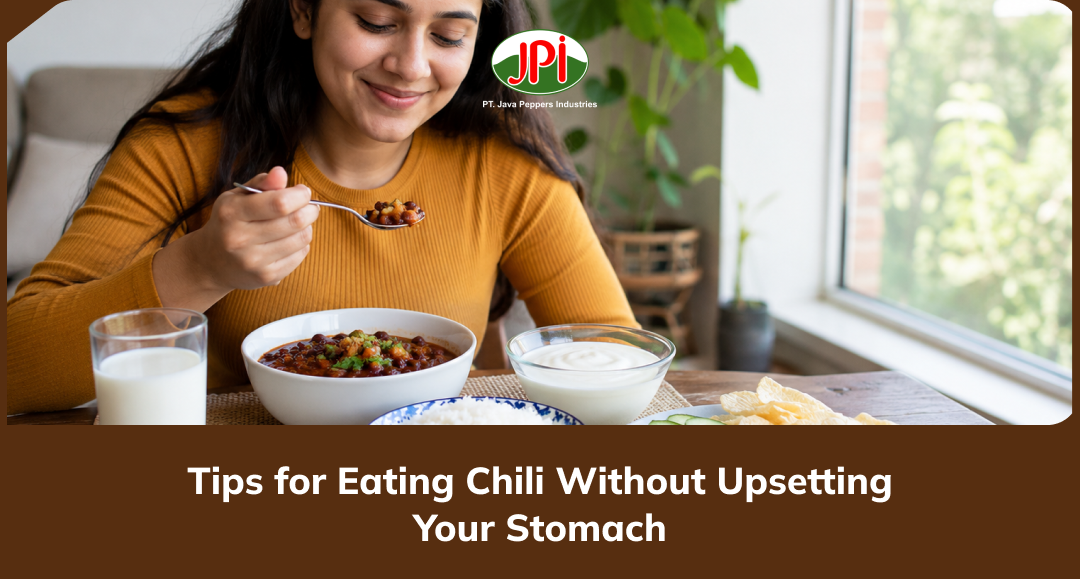
Tips for Eating Chili for Digestion Without Upsetting Your Stomach
Never jump straight into large amounts of chili if you’re not used to it. Instead, start with small portions first. This way, your stomach gets time to adjust. Gradually, your spice tolerance will build up.
Pair It With Probiotics
According to gastroenterologists, chili works best alongside yogurt or other probiotics. This combination helps maintain gut bacterial balance. Therefore, side effects like burning sensations become less likely. As a result, the benefits of chili for digestion increase.
Avoid Eating on an Empty Stomach
Never eat chili when your stomach is completely empty. Otherwise, rising stomach acid can irritate the stomach lining directly. Instead, eat chili alongside rice or other food. This way, irritation can be prevented.
Watch Your Daily Intake
Research suggests around 1 to 2 grams of chili daily is enough. Beyond that, digestive discomfort becomes more likely. Therefore, limit your intake even if you love spicy food. Otherwise, overconsumption cancels out the benefits.
In short, chili peppers carry both benefits and risks worth understanding. On one hand, capsaicin and other compounds clearly support digestion through multiple mechanisms. On the other hand, overconsumption still poses risks for certain people.
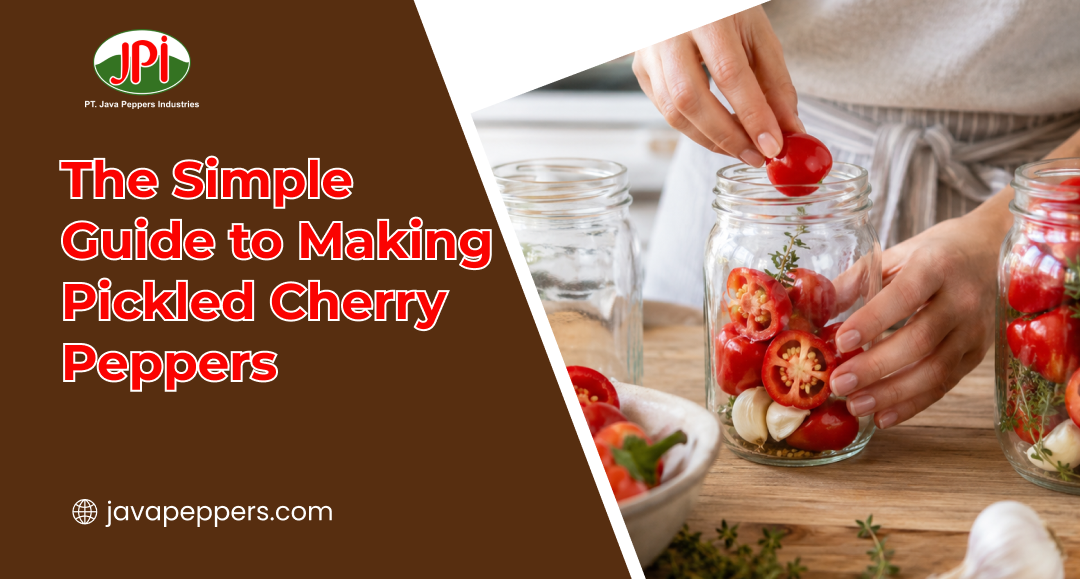
Have you ever enjoyed a delicious, slightly spicy chili pepper served on an antipasto platter or gourmet deli sandwich? Chances are it was a Pickled Cherry Chili Pepper. These peppers offer a fantastic explosion of flavor. This simple guide will show you how to easily make these delicious preserved chili peppers right in your own kitchen. Homemade versions are often much tastier than store-bought ones. You can also adjust the spiciness and sweetness to your liking.
So, check out the full article “Pickled Cherry Peppers” in the following article!
Ingredients for Pickled Cherry Peppers
ingredients_for_pickled_cherry_peppers
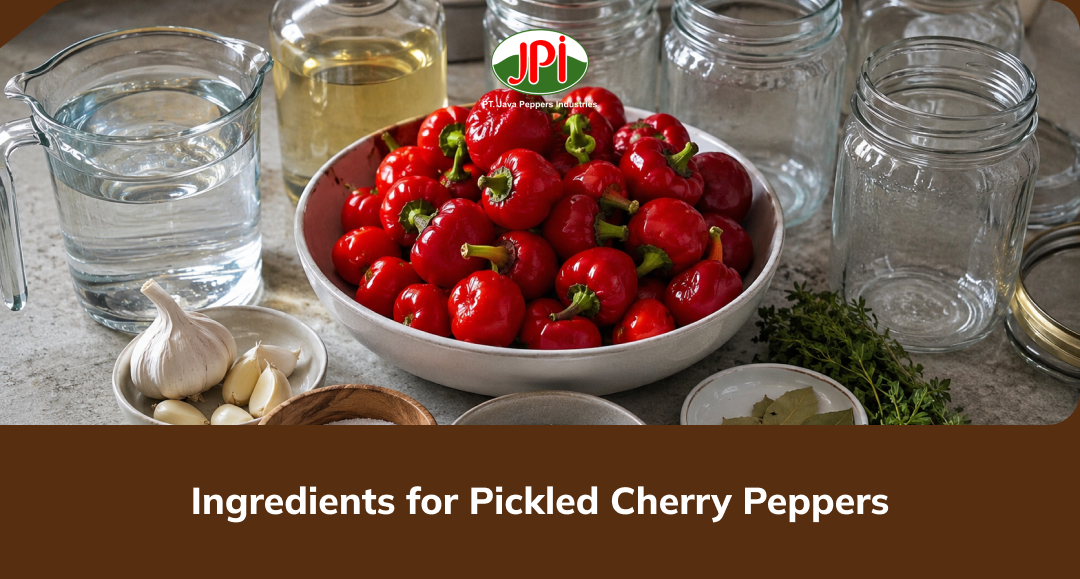
Making your own Pickled Cherry Peppers is a straightforward and rewarding process. Only a few basic ingredients are actually required. The entire process takes very little time. You will soon have jars of these tangy delights ready to enjoy. This recipe is simple for anyone to follow.
1. Ingredients
2 pounds fresh cherry peppers (washed and dried)
2 cups distilled white vinegar
1 cup water
2 tablespoons sugar
1 tablespoon pickling salt (or kosher salt)
4 cloves garlic (peeled and halved)
1 teaspoon black peppercorns
2 dried bay leaves
2. Instructions
The cherry peppers should first be washed very well. Then you must dry them completely. Use a small sharp knife to trim the stems. Also, carefully pierce each pepper a few times near the stem end. This small step allows the pickling brine to properly penetrate the pepper’s inside.
You need to sterilize your canning jars and lids. This important process ensures the preservation is safe. They can be placed in a large pot of boiling water for about ten minutes. Alternatively, they can be run through a hot dishwasher cycle. This step is essential for food safety.
Combine the vinegar, water, sugar, and salt in a medium-sized saucepan. Bring this mixture to a rolling boil over a medium-high heat. Stir the liquid until all the sugar and salt are completely dissolved. Reduce the heat and allow it to simmer for five minutes. This short simmer allows the flavors to properly combine.
Carefully place the garlic, peppercorns, and bay leaves into the bottom of the sterile jars. Then, tightly pack the prepared cherry peppers into the jars. Pack them as snugly as possible without causing any crushing.
Pour the hot pickling brine over the peppers. Make sure to leave about a quarter-inch of space at the top. Use a small chopstick to gently poke around inside the jar. This action releases any trapped air bubbles. Wipe the rim of each jar clean. Put the lids on and screw the bands on until they are fingertip tight.
Let the filled jars cool completely at room temperature. The cooling process creates a vacuum seal. Once fully cooled, the sealed jars can be stored in the refrigerator. Wait at least a week before tasting your delicious peppers. This waiting period allows the flavors to fully develop.
Tips For Choosing Cherry Chilies
tips_for_choosing_cherry_chil”>
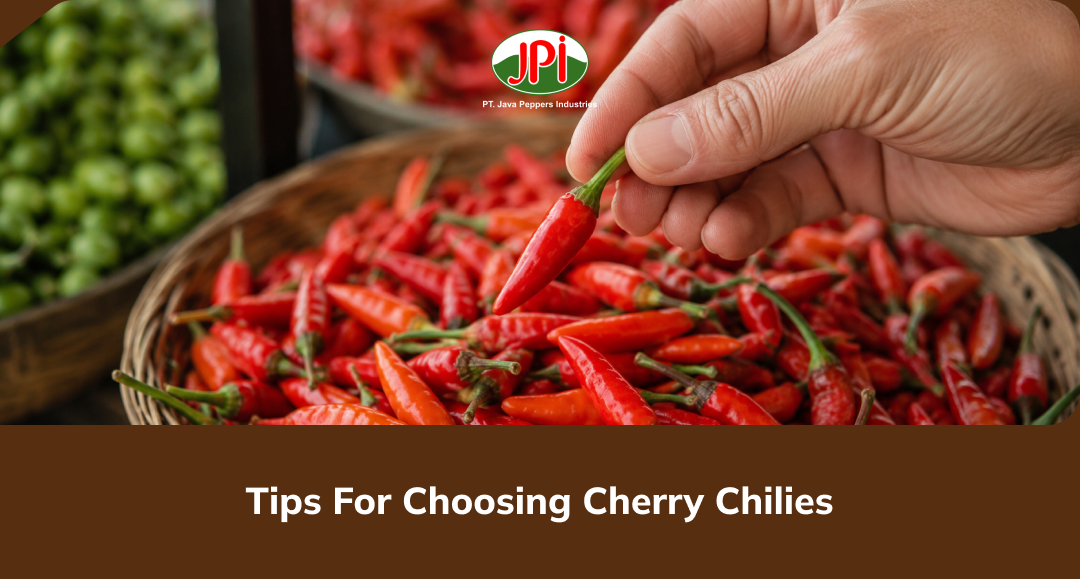
Selecting the perfect cherry peppers is the first important step. High-quality peppers create the best final product. Freshness and firmness are absolutely key in this process. You must choose peppers that are vibrant and completely free from blemishes or soft spots. The right pepper selection ensures a crunchy texture in your finished Pickled Cherry Peppers.
Look for Firmness and Color
Avoid peppers that appear soft to the touch, wrinkled, or bruised. The skin should be shiny and bright red or bright green. Firm peppers will remain crisp even after being immersed in hot pickling brine. This quality is essential for good pickled peppers.
Check for Blemishes and Spots
You should discard peppers that show black spots, mold, or cuts. These imperfections can cause them to spoil more quickly. They also affect the final taste and appearance of your dish. Only perfect, unblemished peppers should be used for pickling to ensure hygiene and safety.
Consider the Spice Level
Cherry peppers offer different spice levels. Some taste sweet, while others bring a stronger kick. When choosing, think about how much heat you enjoy. For a balanced flavor, mix
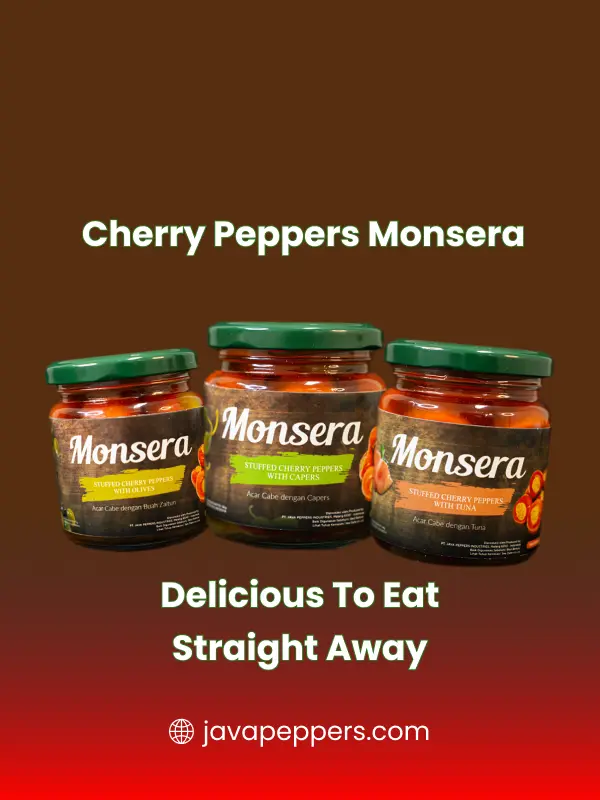
Cherry Peppers Monsera, Delicious To Eat Straight Away
Monsera expertly crafts stuffed cherry peppers, offering a perfect ready-to-eat snack. Indeed, these little peppers burst with delightful flavor, combining natural sweetness with a satisfying, mild heat. Typically, they fill the peppers with savory ingredients like tuna or capers.
You can truly enjoy this unique balance of taste straight from the jar. Consequently, this convenience makes them a favorite appetizer or simple side dish.
Making your own pickled cherry peppers is an incredibly easy and rewarding endeavor. A homemade jar of these vibrant, tangy peppers can elevate any dish, from a simple sandwich to a gourmet appetizer plate. This straightforward process truly preserves the summer flavor. Now you can enjoy the perfect balance of crunch and heat whenever you desire. Lastly, don’t forget to order and see you again with other interesting information.
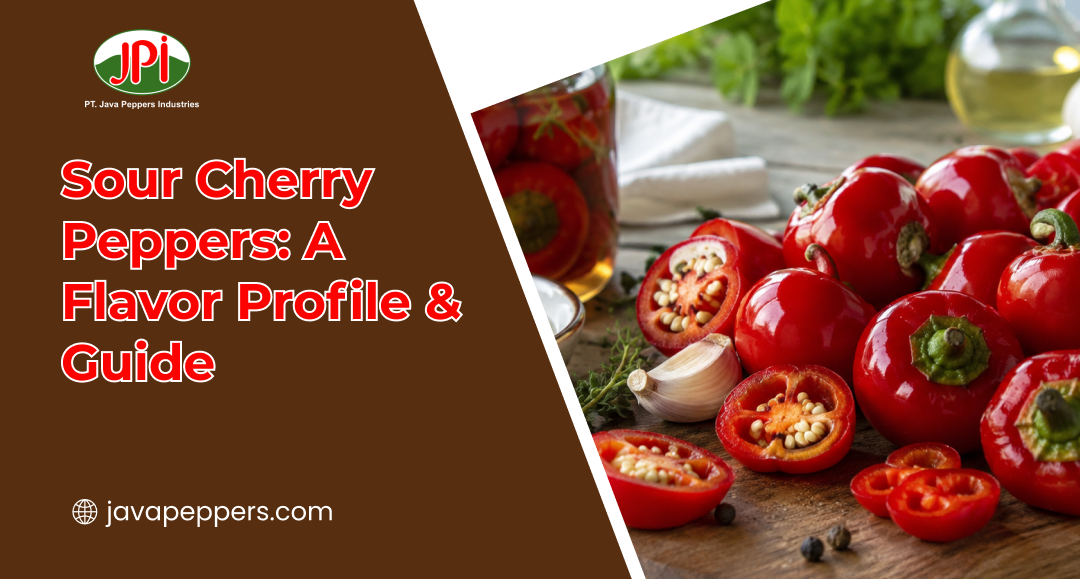
Sour cherry peppers are small, fresh chilies known for their mild spiciness and refreshing flavor. Unlike other chilies, this chili blends sweetness with a hint of tang. This unique flavor makes Sour Cherry chilies a favorite among chefs and home cooks alike. If you’re looking to explore new flavors in your dishes, understanding this chili is a must. So, let’s find out more in the article below!
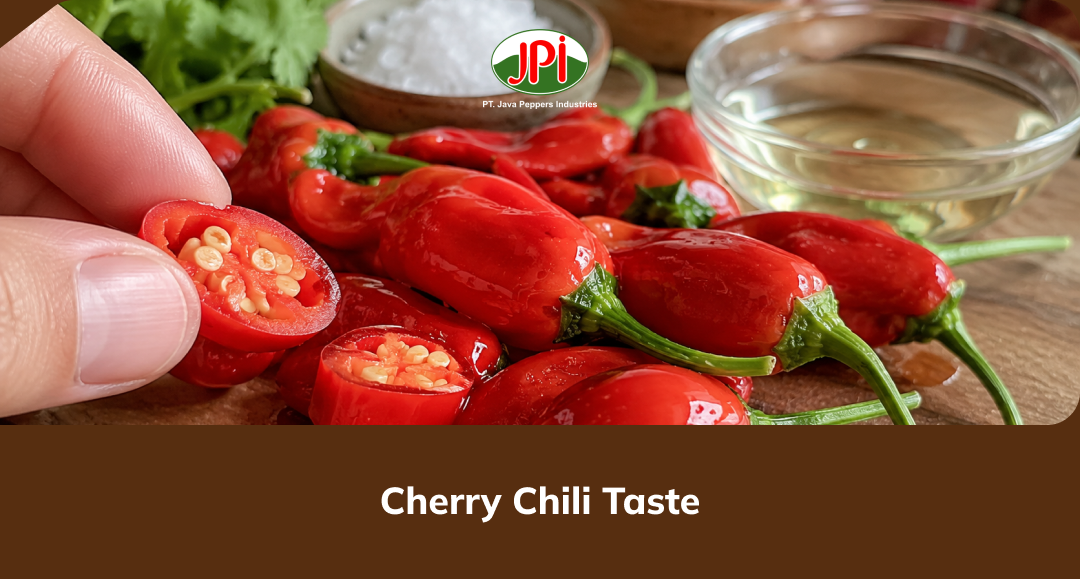
Cherry Chili Taste
The Sour Cherry Chili Pepper has a distinctive flavor that balances sweet and sour. When fresh, it offers a crisp and juicy flavor, while when dried, it has a slightly smoky flavor.
Typically, its spiciness ranges from mild to moderate, making it easily enjoyed by most people. This variation in spiciness allows people with low to high spice tolerances to enjoy it.
Furthermore, its fruity undertones complement dishes without overpowering them.
Unlike traditional chili peppers, the Sour Cherry Chili Pepper doesn’t overpower a dish. Instead, it adds depth and complexity to the flavor. For example, adding a few pieces to a salad or salsa creates a layered flavor.
Furthermore, the chili’s natural acidity can also brighten soups, stews, and stews.
When buying Sour Cherry Pepper, look for firm, bright red fruits without blemishes. Fresh peppers last about a week in the refrigerator.
For longer storage, freezing is an effective method. Simply wash, dry, and store them in airtight bags. Pickling is another way to preserve flavor for months.
Cherry Chili Usage Guide
cherry_chili_usage_guide
Using sour cherry peppers is easy and versatile. First, you can eat them raw in salads or as a garnish. Their fresh, tangy flavor will add freshness to any dish.
Second, lightly cooking them can soften the flavor while maintaining their sharpness. Grilling, sautéing, or pickling them are excellent options.
For pickling, pickling sour cherry peppers is highly recommended. Pickled peppers last longer and retain their distinctive tangy flavor. These peppers complement sandwiches, pizzas, and charcuterie boards. They also make a delicious addition to homemade sauces or pickles.
When adding sour cherry peppers, start with a small amount. This not only helps you get the flavor right but also helps you adjust the spice level.
The unique flavor can be intense for those who are not used to it, but you can gradually adjust it to your taste.
Furthermore, pairing these peppers with cheese, chicken, or grilled vegetables is also a great option. It’s also a good idea to match your favorite main dishes.
Furthermore, sour cherry peppers can enhance international dishes. For example, Mexican salsas, Italian pasta sauces, and Middle Eastern spreads benefit from the fruit’s tangy flavor.
You can also mix it into marinades for a subtle, spicy flavor that enhances the flavor of meats and vegetables.
Cherry Pepper Stuffed Cherry Peppers with Anchovy and Capers are Delicious and Tasty
Cherry peppers stuffed with Monsera anchovies and capers create a vibrant and addictive flavor combination.
Fresh, sour cherry peppers are filled with savory anchovies and tangy capers, creating a perfect balance of flavors.
The addition of sunflower oil enhances this dish with a subtle richness and offers a variety of health benefits.
Each bite combines freshness and umami, making it ideal as an appetizer or a delicious snack.
This dish highlights the versatility of sour cherry peppers, demonstrating how their natural acidity can complement strong ingredients while creating a memorable and mouthwatering experience.
Sour Cherry peppers offer a unique balance of sweet, sour, and slightly spicy flavors. Their versatility allows them to be used raw, cooked, or pickled in a variety of dishes. From salads to stuffed appetizers, these peppers enhance flavor without being overwhelming. By understanding their flavor, uses, and health benefits, you can add a fresh twist to everyday dishes and creative recipes. Lastly, don’t forget to order and see you again with other interesting information.
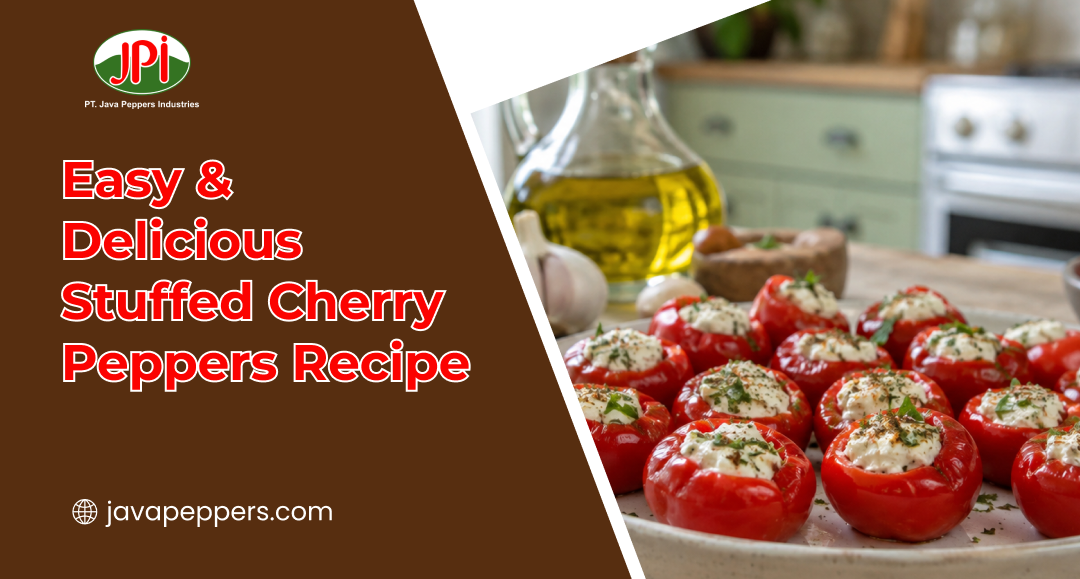
Stuffed Cherry Peppers are a simple and delicious dish that you can enjoy as an appetizer or snack. They’re small, colorful, and filled with a delicious mixture of cheese, herbs, or meat. This recipe aims to give you easy tips for making homemade stuffed cherry peppers that look and taste delicious.
These peppers can be served at family dinners, parties, or as a gourmet side dish. The best part is that you can prepare them in advance and serve them hot or cold.
So, let’s find out more in the following article!
Stuffed Cherry Peppers Recipe
stuffed_cherry_peppers_recipe
Making Stuffed Cherry Peppers is easier than it looks. With a few fresh ingredients and a bit of time, you can create a restaurant-style dish at home.
Here’s how you can do it:
1. Prepare the Peppers
Start by choosing firm and bright cherry peppers. Wash them well and remove the tops. Scoop out the seeds carefully with a small spoon. Dry the peppers with a paper towel. This step helps them stay crisp after cooking. Always wear gloves if the peppers are spicy to protect your hands.
2. Choose the Filling
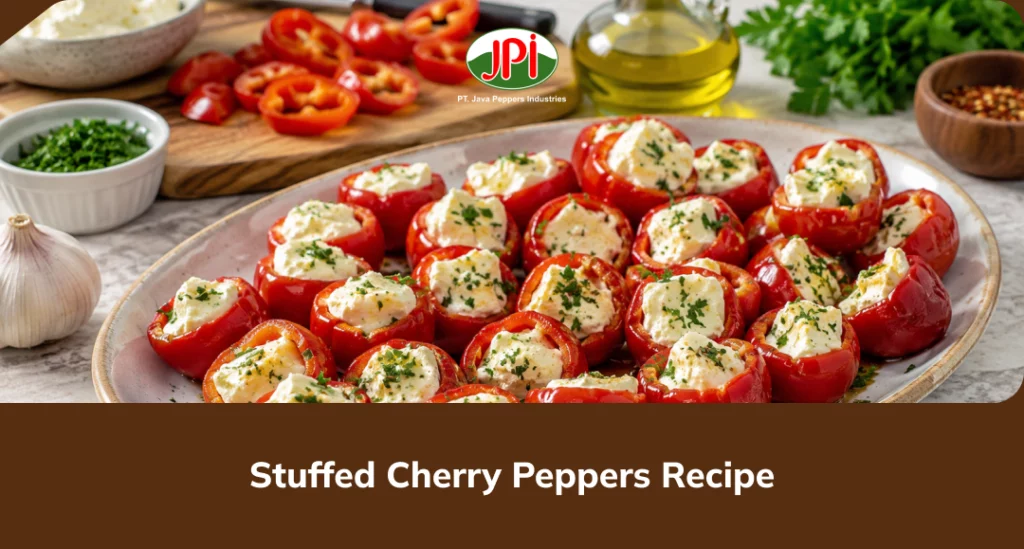
You can fill the peppers with cheese, tuna, sausage, or even a mix of breadcrumbs and herbs. A popular choice is cream cheese blended with garlic and parsley. The creamy texture balances the mild heat of the peppers. Mix the filling in a small bowl until smooth and thick.
3. Stuff the Peppers
Use a small spoon or piping bag to fill each pepper. Press the filling gently to avoid breaking the pepper. Make sure each one is evenly filled for a better taste. Arrange them neatly on a baking tray or plate.
4. Cook or Marinate
You can bake, grill, or marinate the Stuffed Cherry Peppers. Baking them for 10–15 minutes at 180°C gives a warm and soft texture. If you prefer a cold appetizer, place the stuffed peppers in olive oil, vinegar, and herbs. Leave them in the fridge overnight for a richer flavor.
5. Serve and Enjoy
Serve your Stuffed Cherry Peppers on a platter with some crusty bread or crackers. They look beautiful and taste even better. You can drizzle extra olive oil for a glossy finish. Keep leftovers in a sealed container in the fridge for up to five days.
How to Use Stuffed Cherry Peppers
how_to_use_stuffed_cherry_peppers
Stuffed Cherry Peppers are versatile and can be enjoyed in many ways. Whether as a snack, appetizer, or part of a meal, they always add color and flavor.
Below are some creative ways to use them:
1. Serve as Party Appetizers
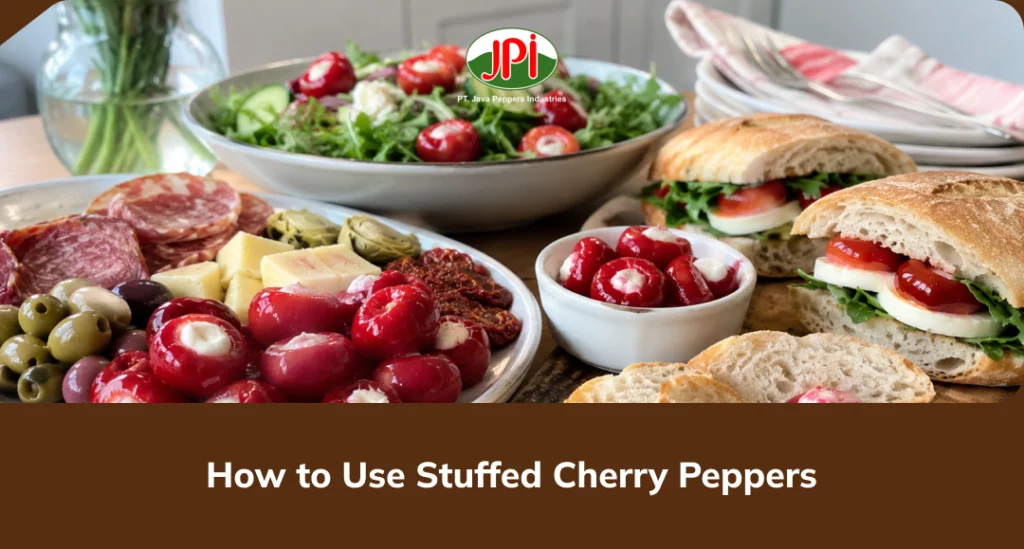
Place Stuffed Cherry Peppers on a wooden board with cheese, olives, and cured meats. They make any party table look elegant. Guests love their bright color and spicy-sweet taste. You can also add toothpicks for easy serving.
2. Add to Salads
Slice a few Stuffed Cherry Peppers and mix them into your salad. They add a mild spice and creamy flavor that blends well with greens. Try pairing them with lettuce, cherry tomatoes, and feta cheese for a Mediterranean twist.
3. Pair with Pasta
Cut the peppers into small pieces and toss them into hot pasta. The creamy filling melts slightly, creating a delicious sauce. Add olive oil and Parmesan cheese to complete the dish. It’s a quick and satisfying meal.
4. Enjoy as a Snack
You can eat Stuffed Cherry Peppers straight from the fridge. They are bite-sized, flavorful, and packed with protein if filled with cheese or meat. They make a great afternoon snack or light lunch.
5. Gift in a Jar
Homemade Stuffed Cherry Peppers also make a thoughtful gift. Place them in a clean glass jar with olive oil and herbs. Seal tightly and label the jar. It’s a simple but impressive homemade treat for friends and family.
Monsera Cherry Peppers, Practical and Delicious
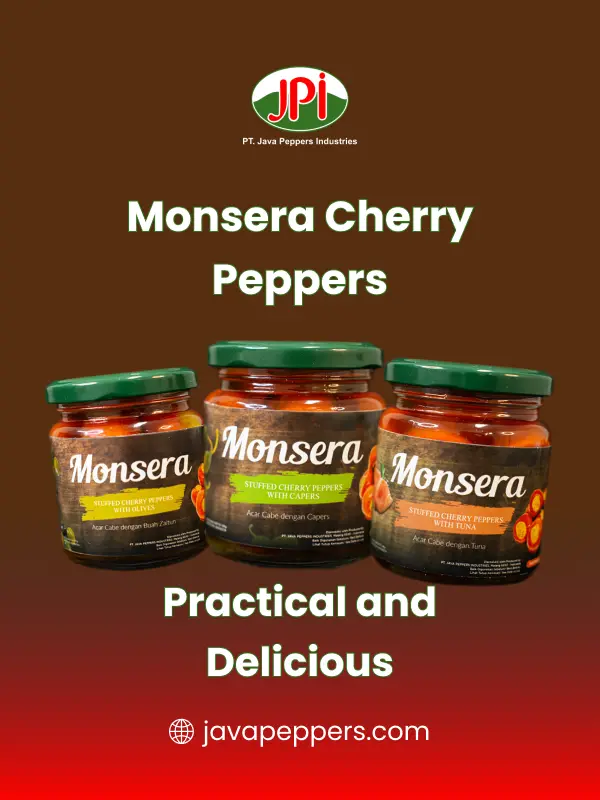
Monsera Cherry Peppers offer a practical and delicious way to enjoy gourmet flavors at home. These ready-to-eat Stuffed Cherry Peppers are made with fresh ingredients and filled with creamy, savory fillings that delight every bite. You can serve them as appetizers, snacks, or side dishes in minutes.
Monsera ensures consistent taste and quality, perfect for busy people who love good food without spending hours in the kitchen. With Monsera Cherry Peppers, you can easily bring color, flavor, and convenience to your meals while enjoying an authentic homemade-style experience that’s both satisfying and effortless.
Stuffed Cherry Peppers are a simple yet delicious dish anyone can make. They are perfect for any occasion and can be customized to match your taste. Whether baked, marinated, or served cold, they always bring flavor to your table. Try making them today and surprise your loved ones with something special. Lastly, don’t forget to order and see you again with other interesting information.
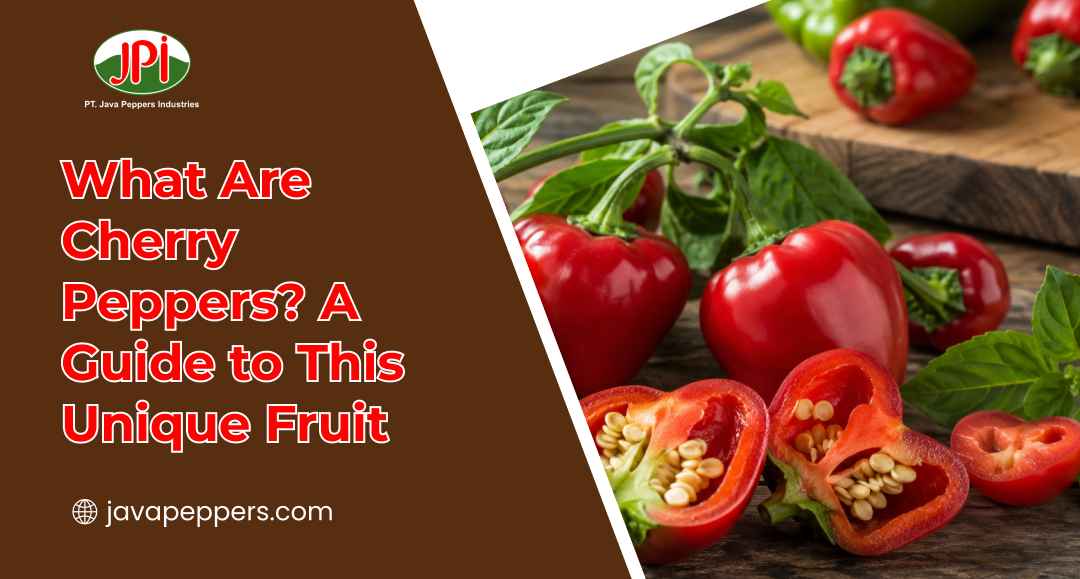
Cherry Peppers are small, spherical peppers known for their striking color and a flavor that balances sweetness with a mild kick of heat. They’re a favorite in kitchens around the globe, prized for the flavor and visual appeal they bring to dishes.
Distinct from standard bell peppers, these compact peppers deliver a distinctive taste that appeals to professional chefs and home cooks alike. The article guide covers what Cherry Peppers are and how to incorporate them into your cooking.
Let’s read the following article completely!
What Is Cherry Peppers?
what_is_cherry_peppers_
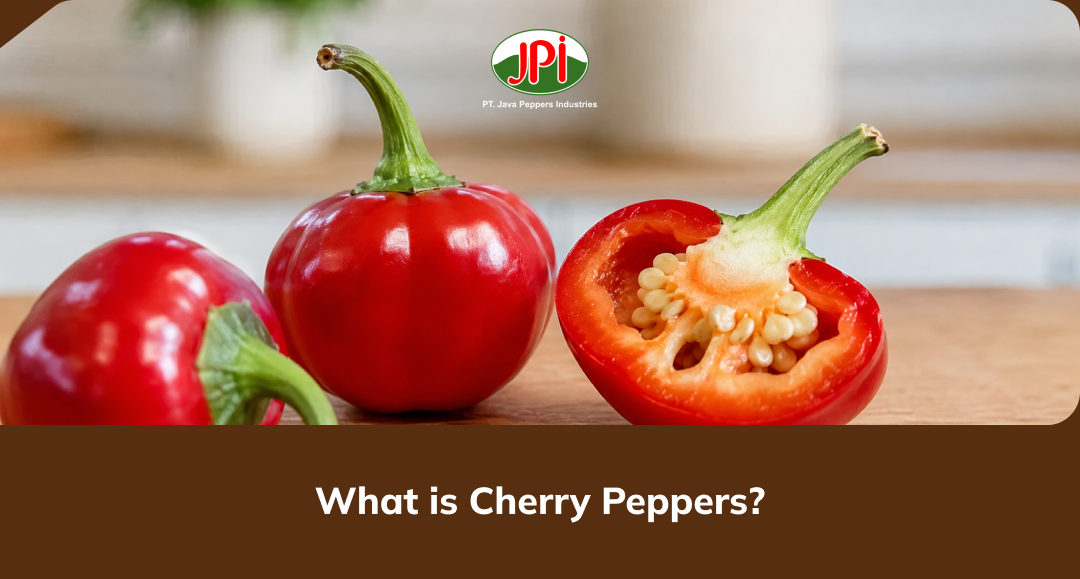
Cherry Peppers are a type of chili pepper that looks like tiny tomatoes. Typically, they grow in bright red, yellow, or green colors.
Interestingly, their size ranges from one to two inches in diameter, making them easy to handle. While they are mild to moderately spicy, their sweetness balances the heat perfectly.
Botanically, Cherry Peppers belong to the Capsicum annuum family, which also includes bell small peppers and cayenne peppers.
In addition, these small peppers are rich in vitamins C and A. Vitamin C supports your immune system, while vitamin A benefits your eyesight.
Moreover, Cherry Peppers contain antioxidants that protect your body from free radicals. Due to their nutrients and flavor, they are a favorite in both raw and cooked dishes.
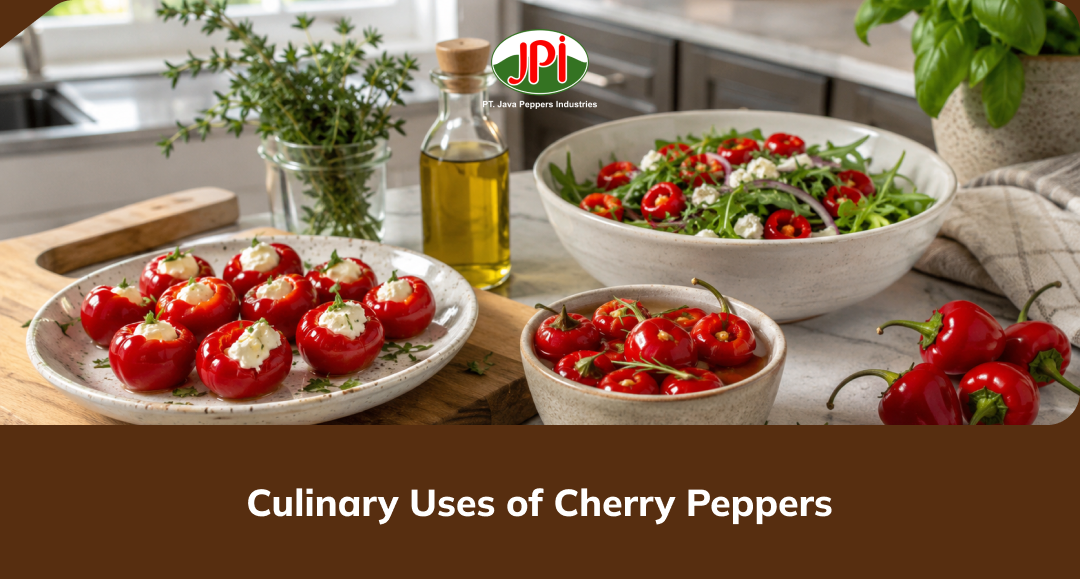
Cherry Peppers are versatile in the kitchen. Firstly, they can be eaten raw in salads, adding a crunchy and colorful touch. Secondly, they are excellent for pickling. Pickled small peppers are popular in sandwiches and antipasto platters because their flavor intensifies over time.
Moreover, small peppers can be stuffed with cheese or meat for a tasty appetizer. Cooking them lightly in olive oil enhances their natural sweetness while keeping their mild heat. Additionally, they can be roasted, grilled, or sautéed to complement pasta, pizza, and roasted vegetable dishes.
Using small peppers in your cooking is also practical. They can replace spicier small peppers in recipes, offering a more manageable heat. Their small size allows easy portion control, so you can adjust the flavor without overpowering your dish. Furthermore, their vibrant color makes meals visually appealing, which encourages healthier eating habits.
Recommendations For The Most Delicious Cherry Peppers
If you love Cherry Peppers, trying them stuffed is a must. These recipes combine fresh small peppers with savory ingredients, creating irresistible flavors. Each option uses high-quality ingredients and traditional techniques to enhance taste and nutrition.
You can choose the following recommendations based on your taste and needs:
1. Stuffed Cherry Peppers with Anchovy and Capers Monsera
These fresh small small peppers are carefully filled with flavorful anchovies and tangy capers. They are lightly drizzled with sunflower oil, which adds a subtle richness and provides health benefits like vitamin E and healthy fats. Each bite delivers a perfectly balanced taste, combining fresh, salty, and slightly tangy flavors that excite your palate.
2. Stuffed Cherry Peppers with Tuna Monsera
Small yet packed with flavor, these small peppers are generously stuffed with high-quality, protein-rich tuna. This combination highlights traditional Italian cooking techniques, offering a rich, savory taste in every bite. They work perfectly as an appetizer, a snack, or a flavorful addition to everyday meals, adding both nutrition and gourmet flair.
3. Stuffed Cherry Peppers with Olives, Capers, and Anchovies Monsera
This recipe features fresh small peppers filled with a savory mix of olives, capers, and anchovies. The blend of salty, tangy, and rich flavors creates a harmonious and delightful taste in every bite. These stuffed peppers are perfect for parties, appetizers, or simply enjoying a gourmet treat at home, elevating any meal effortlessly.
Small peppers are versatile, easy to use, and provide numerous health benefits. By incorporating peppers into your dishes, you can enjoy both taste and wellness in every bite. Lastly, don’t forget to order and see you again with other interesting information.
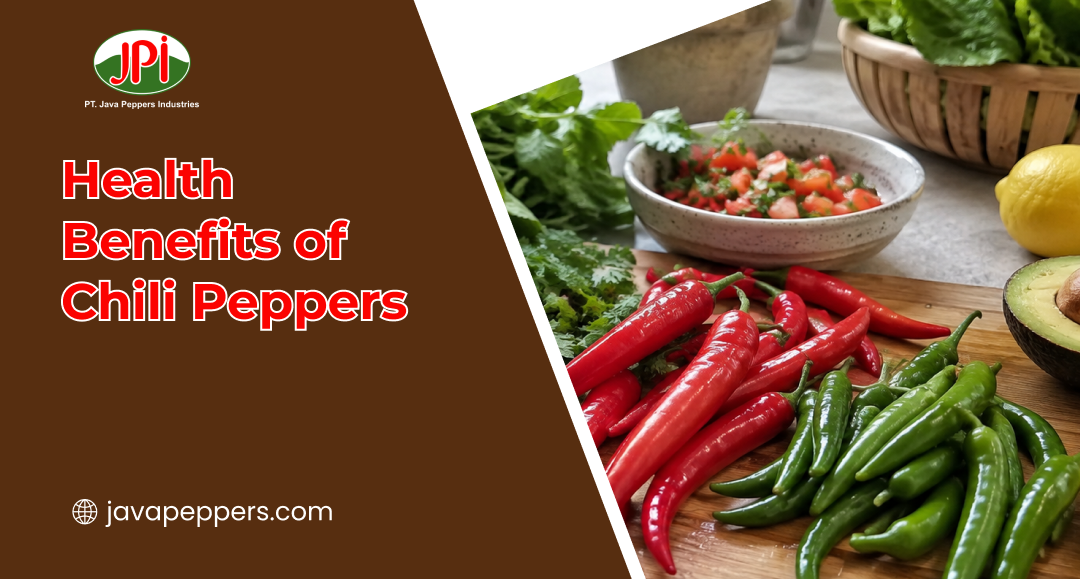
Benefits of Chili Peppers – Chili peppers bring more than just fire to your plate. Honestly, the Health Benefits of Chili go way beyond flavor alone. From boosting metabolism to fighting inflammation, this spicy fruit packs a serious punch. So, let’s dig into why chili deserves a spot on your plate today.
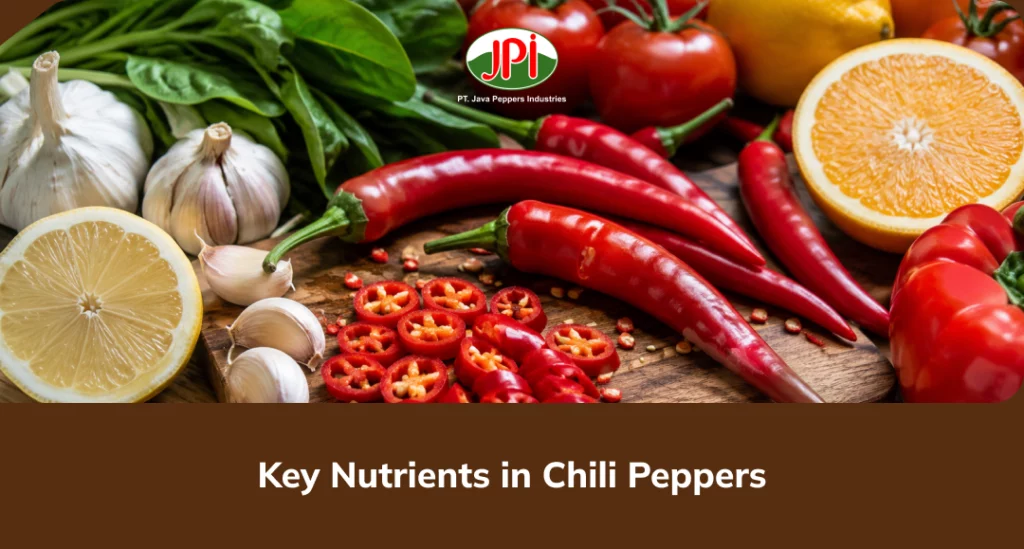
Key Nutrients in The Chilli Peppers
key_nutrients_in_chili_peppers
Vitamin C Powerhouse
Chili peppers actually contain more vitamin C than oranges. Because of that, they help your immune system stay strong. Plus, vitamin C supports healthy skin and faster wound healing. Therefore, adding chili to meals gives your body a real nutrient boost.
Capsaicin Content
Capsaicin is the compound that gives chili its heat. Meanwhile, it also triggers your body to burn more calories. In fact, studies link capsaicin to reduced appetite and fat breakdown. As a result, chili can support your weight management goals.
Vitamin A and Beta-Carotene
Red chili peppers are loaded with vitamin A. Additionally, beta-carotene protects your eyes from age-related damage. Also, this nutrient supports healthy skin and better vision. Basically, one small pepper delivers a big nutritional payoff.
Potassium for Heart Health
Potassium helps regulate blood pressure naturally. Besides that, chili peppers offer a decent potassium source. Furthermore, balanced potassium levels reduce strain on your heart. Consequently, regular chili intake may support cardiovascular wellness.
Antioxidants and Plant Compounds
Chili peppers contain flavonoids that fight free radicals. Moreover, these compounds help slow down cellular aging. Still, moderation matters since too much heat can irritate your stomach. Even so, antioxidants make chili a smart addition to your diet.
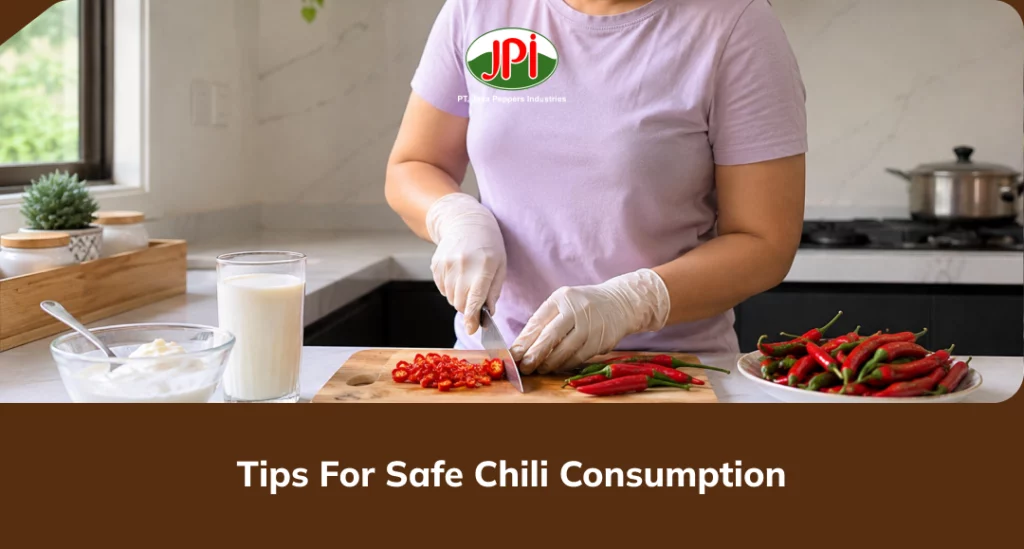
Tips For Safe Chili Consumption
Knowing the benefits of chili peppers is only half the story, it’s equally important to learn how to consume them properly. By following practical and safe guidelines, you can enjoy their taste and health effects while avoiding digestive discomfort or irritation that can result from excessive intake.
Start Slow and Choose Milder Varieties
If you are new to spicy foods you should begin with small portions of chili peppers. Choose milder types such as poblano or mild red peppers first. This helps your body adjust. Then gradually increase the heat if desired.
Pair With Food and Protect Your Digestive System
Always eat chili peppers together with other foods such as grains, vegetables or protein. Eating them on empty stomach may increase risk of gastrointestinal upset. If you have acid reflux, ulcers or sensitive gut you should limit spicy intake.
Use Fresh or Lightly Cooked Peppers to Retain Nutrients
Red or ripe chili peppers contain higher levels of antioxidants and capsaicin when lightly cooked or raw. Roasting or frying at high heat can degrade beneficial compounds. For best results include fresh slices or gentle cooking.
Beware of Tolerance and Side Effects
Over time, your pain receptors may become less responsive to capsaicin, so its effects may diminish, and adding more chili peppers may cause discomfort. Some studies have linked very high intakes to risks such as stomach or gallbladder problems. Therefore, a balanced diet is essential.
Balance With Overall Diet and Lifestyle
Chili peppers are not a miracle cure. They support health but cannot replace a healthy diet, exercise and good sleep. The benefits of chili peppers show stronger when you use them as part of a holistic healthy lifestyle.
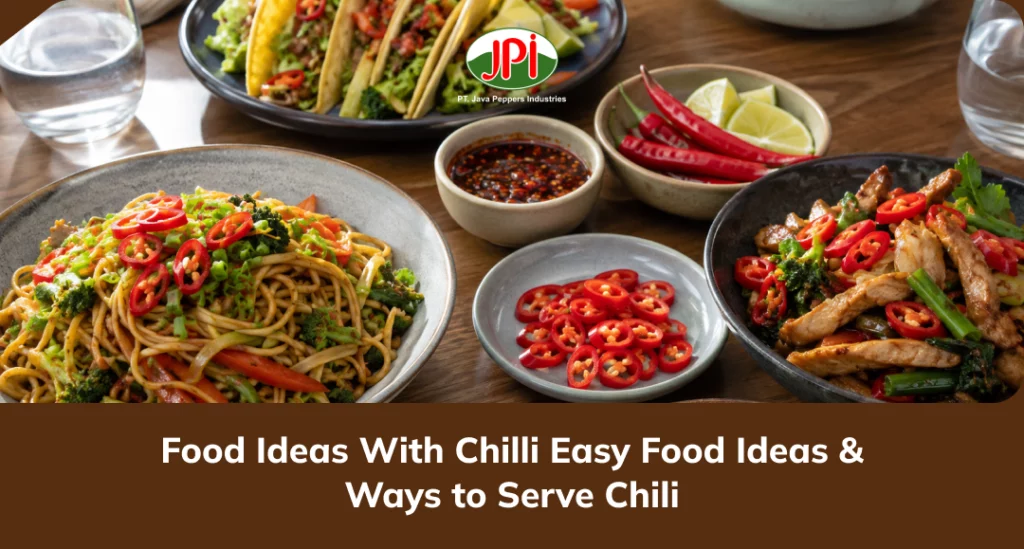
Food Ideas With Chili: Easy Food Ideas & Ways to Serve Chili
Spicy Stir-Fry
Toss sliced chili into your favorite stir-fry. Then, add vegetables and protein for balance. Meanwhile, the heat blends perfectly with soy sauce. This quick meal delivers flavor and nutrition together.
Chili Oil Drizzle
Homemade chili oil adds instant flavor to any dish. Simply, infuse oil with dried chili flakes and garlic. Afterward, drizzle it over noodles or dumplings. This trick transforms simple meals into something exciting.
Homemade Salsa
Fresh salsa combines tomatoes, onions, and chopped chili. Additionally, lime juice brightens up the entire mix. Consequently, this dip pairs well with chips or tacos. It’s an easy way to enjoy fresh chili daily.
Chili-Infused Soups
Add sliced chili to broths for extra warmth. Besides flavor, it also boosts the soup’s health benefits. Furthermore, chili works well with ginger and garlic. Together, these ingredients create a comforting, spicy bowl.
Spicy Snacks
Roasted chickpeas with chili powder make a crunchy snack. Alternatively, sprinkle chili flakes over popcorn for movie nights. Either way, these snacks satisfy cravings without much effort. Spicy snacking never gets boring with chili around.
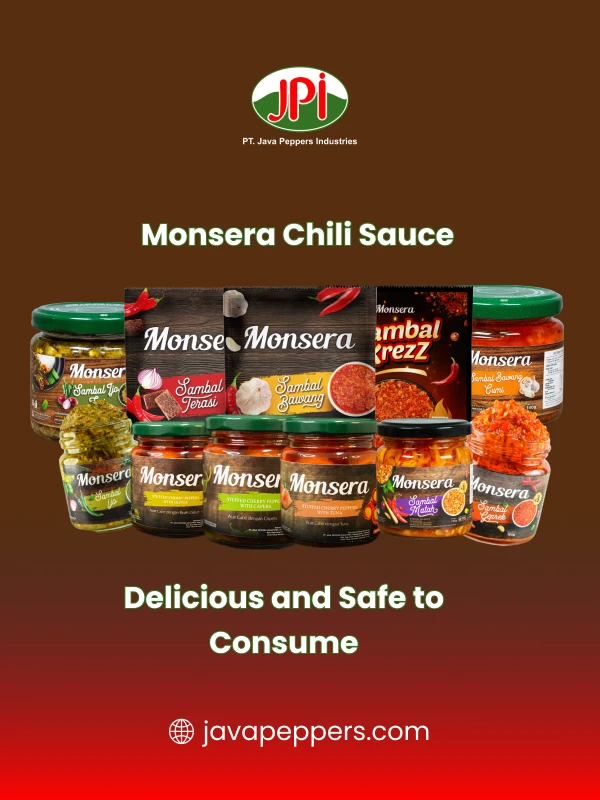
Monsera Chili Sauce, Delicious and Safe to Consume
Monsera Chili Sauce brings the incredible health benefits of chili peppers to your daily meals in a safe and convenient way.
Made from fresh, high-quality ingredients and prepared traditionally, this chili sauce provides benefits such as metabolic support and immune-boosting nutrients.
This chili sauce adds flavor without burdening your digestive system. You’ll experience both a spicy sensation and a nutritional boost, making it a smart choice for enhancing your taste and health. Furthermore, this chili sauce is available in various variants that offer authentic Indonesian flavors.
Chili peppers offer a wide range of health benefits when used wisely. These include boosted metabolism, heart support, stronger immunity, and better digestion. With moderation and mindful consumption, you can make them a valuable part of your diet and enjoy both flavor and wellness. Lastly, don’t forget to order and see you again with other interesting information.
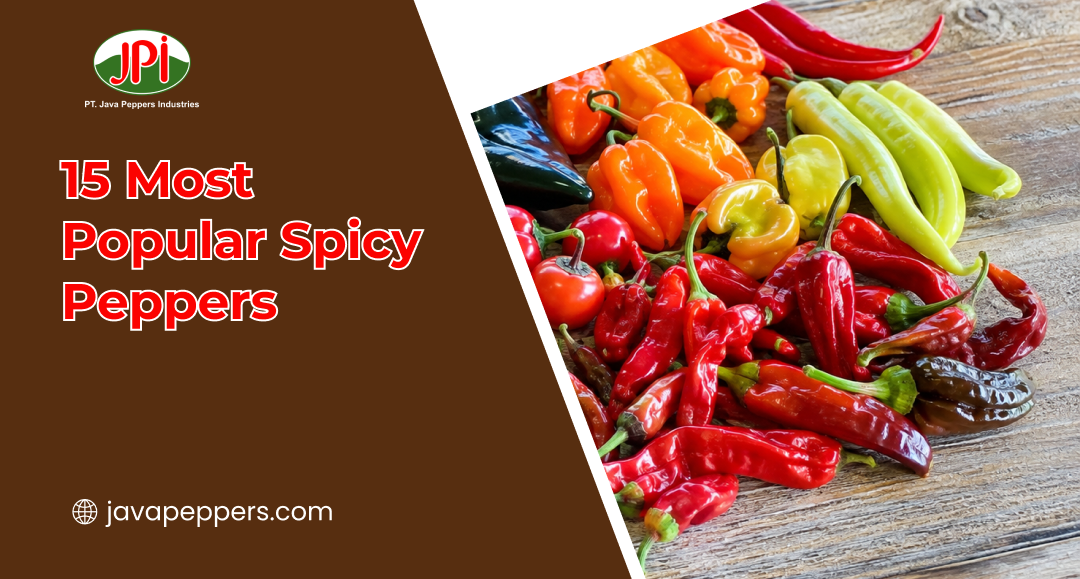
Spicy lovers everywhere know that exploring the different types of spicy peppers brings excitement to the kitchen. From mildly warm to intensely pungent, chili peppers offer a wide range of flavors and heat.
This time, you’ll discover fifteen of the most popular hot peppers, why people love them, and how to enjoy them safely. You’ll also find helpful tips for consuming chili peppers safely so you can manage your heat wisely.
What Makes a Pepper Spicy?
what_makes_a_pepper_spicy_
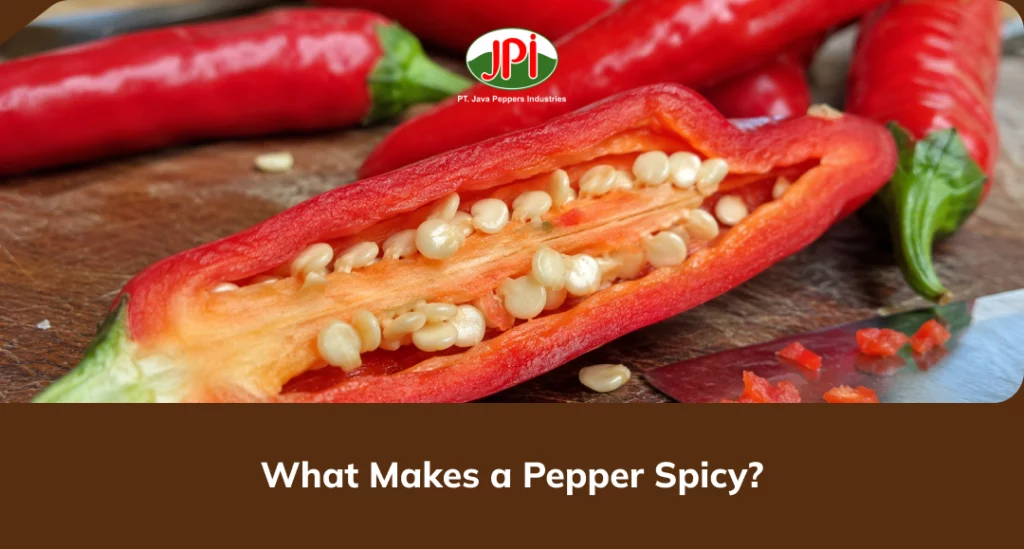
A pepper’s spiciness comes from a chemical called capsaicin, and it mostly lives in the white part inside the pepper, not the seeds like a lot of people think. This chemical tricks your brain by triggering the same nerve that senses real heat, so your mouth feels like it’s burning even though nothing hot is actually touching it.
The more capsaicin a pepper has, the spicier it feels, which is why bell peppers taste mild while something like a Carolina Reaper feels like fire. Peppers actually make more capsaicin when they grow in tough conditions, like heat or dryness, almost like a natural defense. And if your mouth is burning, milk cools it down way better than water, since the spicy stuff dissolves in fat, not water.
Top 15 Spicy Peppers in the World
top_15_spicy_peppers_in_the_world_
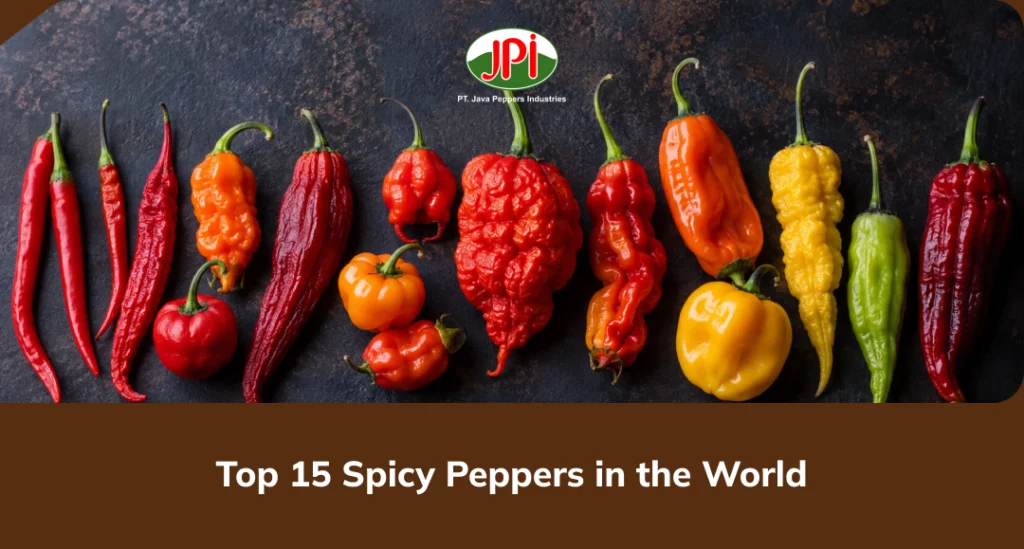
Here are fifteen widely loved types of spicy peppers, listed from mild to extreme heat, along with their unique traits:
Jalapenos are familiar green peppers with a moderate heat level, ranging from 2,000 to 8,000 SHU.
The Fresno is similar to the jalapeño but slightly spicier, ranging from 2,500 to 10,000 SHU.
Serrano peppers have a sharper, spicier flavor, ranging from 10,000 to 25,000 SHU.
Cayenne peppers are long, thin, and red. They are usually dried or ground. Their spiciness ranges from 30,000 to 50,000 SHU.
Tabasco is known for its famous sauce. It has a SHU of around 30,000 to 50,000.
Bird’s Eye Chili, or Thai Chili, is small but powerful. Its spiciness reaches 50,000 to 100,000 SHU.
Scotch bonnets are common in Caribbean cuisine. Their spice level ranges from 100,000 to 350,000 SHU.
Habaneros are bright orange or red peppers with a strong, spicy flavor, ranging from 100,000 to 575,000 SHU.
Red Savina is a special habanero cultivar bred for a higher spiciness of up to 577,000 SHU.
The Ghost Chili, or Bhut Jolokia, is one of the first super-hot chilies, with a SHU of over 1,000,000.
Naga Morich originates from India and Bangladesh, reaching over 1,000,000 SHU.
The Trinidadian Moruga scorpion has a heat rating of around 1,200,000 to 2,000,000 SHU.
The Carolina Reaper is a former world record holder. Its average heat is around 1,600,000 SHU, with peaks exceeding 2,000,000 SHU.
Pepper X holds the current record with a spiciness rating of approximately 2,693,000 SHU.
Xiao Mi La is common in Chinese cuisine with a spice level of around 75,000 SHU.
How to Use Spicy Peppers in Cooking
how_to_use_spicy_peppers_in_cooking_
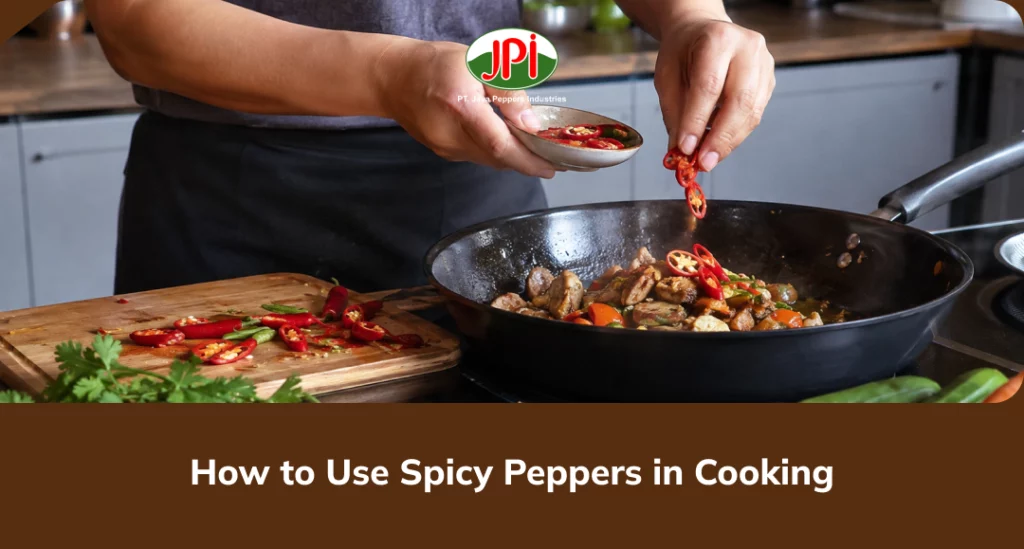
Eating very hot peppers can be thrilling but risky if you’re not prepared. Follow these tips to enjoy their flavor safely.
1. Wear Gloves When Cutting Super Hot Peppers
Capsaicin, the compound responsible for heat, concentrates in the seeds and membranes. Gloves prevent skin burns and stop heat from transferring to your eyes or face. Always wash your hands with soap afterward.
2. Start With Small Portions
When trying a new pepper, begin with a small slice. Gradually increase if comfortable. This helps you enjoy the flavor without overwhelming your palate or upsetting your stomach.
3. Keep Dairy or Starch Nearby
When heat becomes too intense, milk, yogurt, or bread can calm the burn. These foods bind to capsaicin and neutralize its effects faster than water.
4. Avoid Touching Your Face or Eyes
Even a trace of chili oil on your fingers can cause severe irritation. Wash your hands thoroughly after handling peppers, especially super-hot ones.
5. Know Your Limits
Peppers like the Carolina Reaper or Pepper X can be dangerously intense. If you feel pain, dizziness, or nausea, stop eating and take a break.
Recommendations For Delicious and Safe Chili Sauce
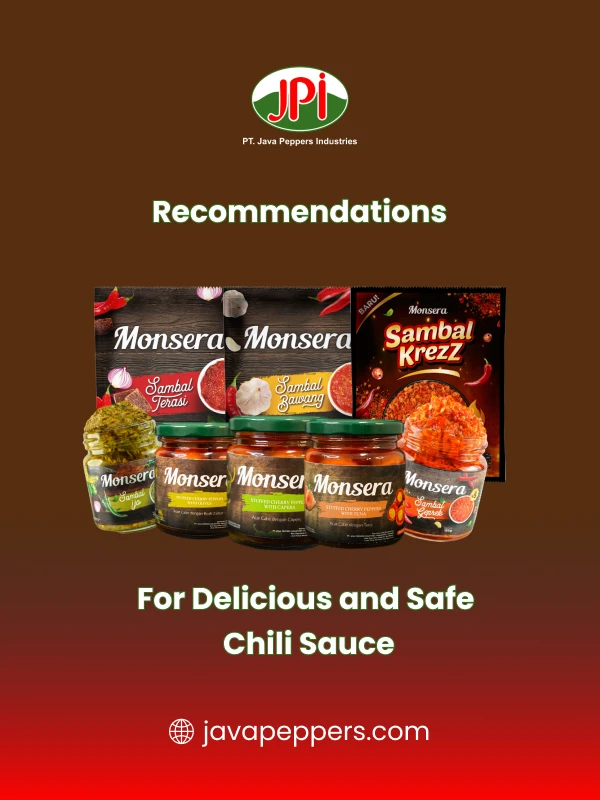
Choose a chili sauce like Sambal Monsera, which clearly lists the spice level so you can adjust it to your liking. This product uses fresh ingredients and is vacuum-packed hygienically to maintain quality. Start with a mild variant and then work your way up to spicier flavors as your tolerance increases.
Store in the refrigerator after opening and use before the expiration date. Use chili sauce in your dishes for added flavor and heat, but balance it with a cooling ingredient like yogurt or bread to keep the spiciness comfortable.
Exploring these types of hot peppers will add excitement and strong flavor to your dishes, and use chili sauce wisely. Lastly, don’t forget to order and see you again with other interesting information.
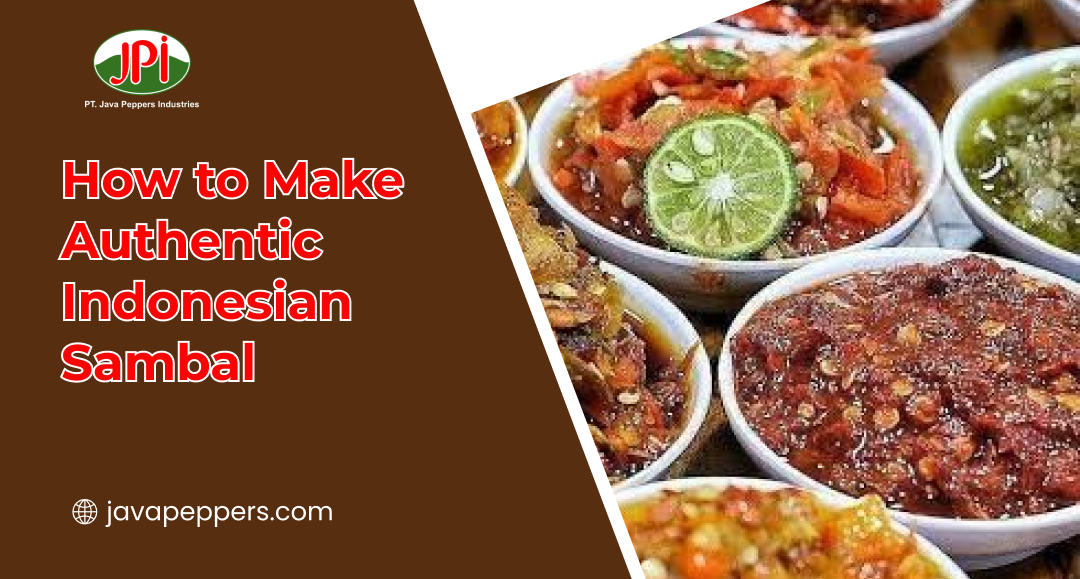
How to Make Sambal – Sambal sits on almost every Indonesian dinner table. This spicy condiment turns plain rice into something amazing. However, many people wonder how to make sambal the right way. Luckily, the process stays simpler than most folks expect. Additionally, authentic sambal only needs a handful of fresh ingredients. So, grab your mortar and let’s get cooking!
Ingredients for Authentic Indonesian Sambal
ingredients_for_authentic_indonesian_sambal_
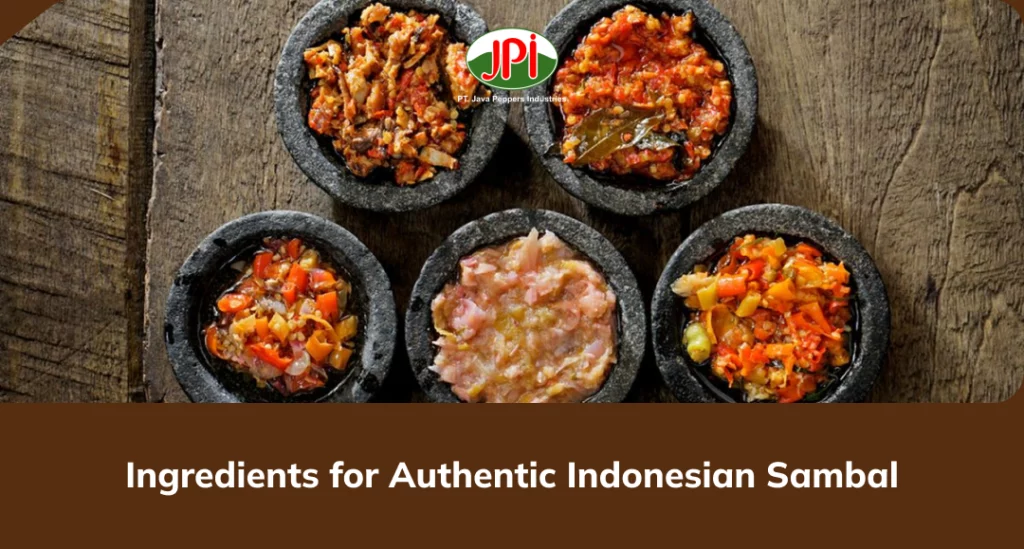
Authentic Indonesian sambal starts with fresh and high-quality ingredients. Each ingredient has an important role in creating its unique flavor. In addition, the right combination produces a balanced taste of spicy, savory, and fresh. Here are five essential ingredients for making traditional sambal.
Fresh Red Chilies
Fresh red chilies are the main ingredient in most sambal recipes. Bird’s eye chilies provide a stronger level of heat. Meanwhile, large red chilies add natural sweetness and a brighter color. Therefore, many recipes combine both types for a balanced flavor.
Shallots and Garlic
Shallots give sambal a mild sweetness and pleasant aroma. Garlic adds a rich savory taste that complements the chilies. In addition, these two ingredients create the base flavor of traditional sambal. For this reason, they are almost always used together.
Shrimp Paste (Terasi)
Shrimp paste gives sambal its distinctive savory and umami flavor. It has a strong aroma before cooking. However, roasting the shrimp paste first creates a milder and more pleasant taste. As a result, the sambal becomes richer and more flavorful.
Tomatoes
Tomatoes add natural moisture and a slightly tangy taste. They also help reduce the sharpness of the chili heat. In addition, ripe tomatoes create a smoother and thicker sambal texture. Therefore, choose fresh and fully ripe tomatoes for the best results.
Salt, Sugar, and Lime
Salt helps bring out the flavor of every ingredient in the sambal. Sugar balances the heat and reduces excessive spiciness. In addition, lime juice adds a fresh and slightly sour finish. Together, these ingredients create a well-balanced taste.
Step-by-Step Guide to Making Traditional Sambal
step_by_step_guide_to_making_traditional_sambal_
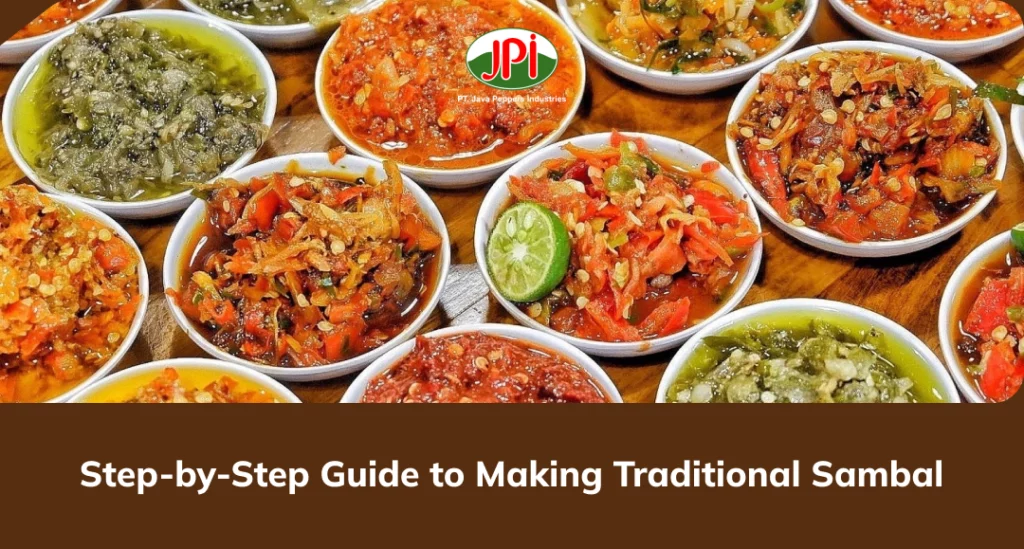
Making traditional sambal is simple when each step is followed carefully. Every stage helps develop the flavor and texture of the sambal. In addition, using fresh ingredients improves the final result. Here are five easy steps to make authentic Indonesian sambal.
Prepare and Wash the Ingredients
Wash the chilies, tomatoes, shallots, and garlic thoroughly before cooking. Remove any dirt or damaged parts from the ingredients. In addition, drain and dry them to reduce excess moisture. This preparation helps keep the sambal clean and fresh.
Roast or Fry the Ingredients
Roast or lightly fry the chilies, tomatoes, shallots, and garlic. This process softens the ingredients and enhances their natural flavor. In addition, roasting helps reduce the raw taste of the chilies. As a result, the sambal develops a richer aroma.
Blend or Pound the Mixture
Blend the cooked ingredients until they reach the desired texture. You can also use a traditional mortar and pestle for a more authentic result. In addition, avoid blending too smoothly if you prefer a slightly chunky sambal. This method creates a more traditional texture.
Cook the Sambal with Oil
Heat a small amount of oil in a pan before adding the blended mixture. Stir continuously to prevent the sambal from burning. In addition, cooking helps remove the raw flavor and enhances the aroma. Continue cooking until the oil begins to separate from the mixture.
Season and Taste
Add salt, sugar, and lime juice after the sambal is cooked. Taste the sambal and adjust the seasoning if necessary. In addition, you can increase or reduce the spice level according to your preference. Finally, let the sambal cool before serving or storing.
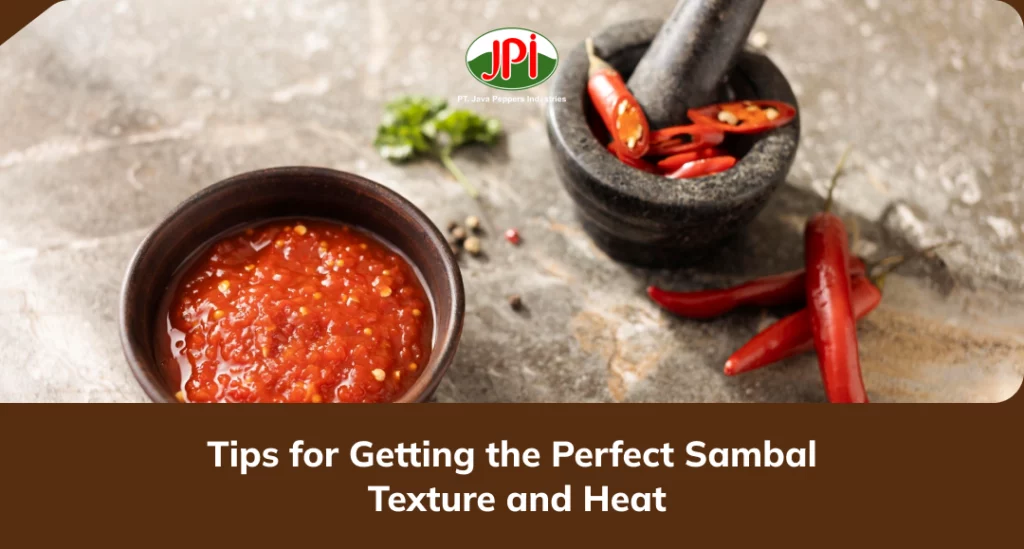
Tips for Getting the Perfect Sambal Texture and Heat
A good sambal should have the right balance of texture and spiciness. Small adjustments can make a big difference in the final result. In addition, proper cooking techniques help improve the overall flavor. Here are five useful tips to make delicious sambal.
Use the Right Chili Combination
Mix bird’s eye chilies with large red chilies for a balanced taste. Bird’s eye chilies provide intense heat, while large chilies add sweetness. In addition, combining both creates a richer flavor. Therefore, adjust the ratio to match your preferred spice level.
Cook at the Right Temperature
Cook the sambal over medium heat for the best results. High heat may burn the ingredients and create a bitter taste. In addition, cooking too quickly may leave a raw flavor. Therefore, stir the sambal regularly until it is fully cooked.
Adjust the Amount of Oil
The amount of oil affects the texture of the sambal. More oil creates a smoother and richer consistency. In addition, less oil produces a thicker and chunkier texture. Choose the amount based on the style of sambal you want to make.
Store Sambal Properly
Keep sambal in an airtight container after it has cooled completely. Store it in the refrigerator to maintain its freshness for a longer time. In addition, a thin layer of oil on top can help preserve the sambal. Proper storage also helps maintain its flavor and aroma.
Monsera Chili Sauce is crafted to represent authentic Indonesian flavors, and it offers a smooth balance of heat and richness. Additionally, the sauce is suitable for daily use, which makes it ideal for beginners exploring spicy food.
Let’s order via the button below now!
Conclusion
Learning how to make sambal opens up endless flavor possibilities. Fresh ingredients, careful cooking, and proper seasoning all matter greatly. Meanwhile, texture and heat balance depend on personal preference. Anyone can master this recipe with a little practice
Chili Storage Methods – Chili peppers travel a long way before reaching another country. Exporters face a tricky problem, though. Fresh chili spoils fast without proper care. That’s why chili storage methods matter so much for every exporter. Additionally, the right technique keeps color, heat, and freshness intact. So, this article breaks down the smartest storage tricks around!
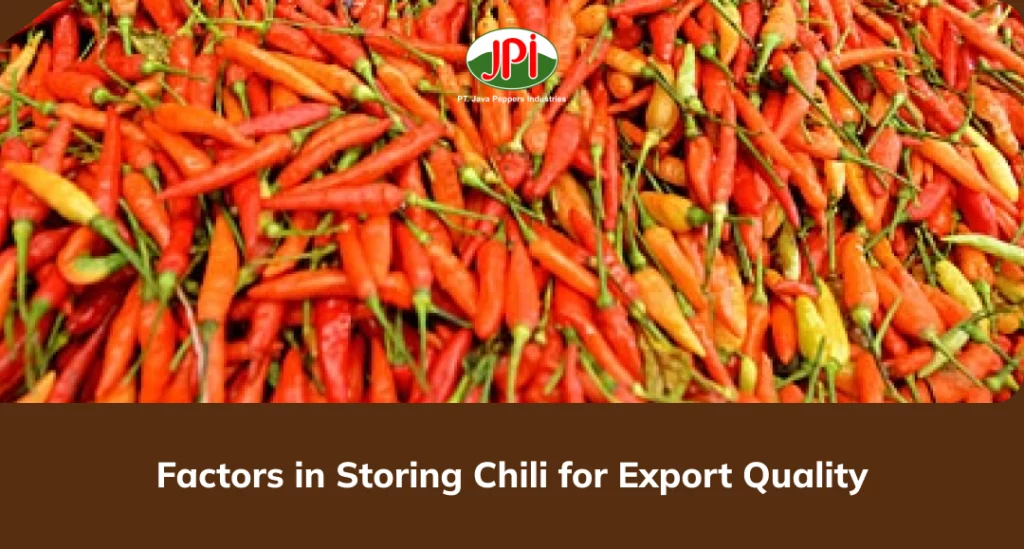
Factors in Storing Chili for Export Quality
Before storing chili for export, it is important to understand the factors that affect its quality. Proper storage helps keep chili fresh during transportation. In addition, good storage reduces the risk of spoilage before the product reaches buyers. Here are five important factors to consider.
Temperature Control
Temperature has a major effect on the freshness of chili. High temperatures can speed up the ripening and spoilage process. Meanwhile, cooler temperatures help slow the growth of bacteria and fungi. Therefore, exporters should maintain a stable temperature throughout storage and transportation.
Humidity Levels
Humidity also plays an important role in preserving chili quality. Excess moisture can encourage mold growth and cause the chili to spoil. On the other hand, air that is too dry can make the chili lose moisture and become shriveled. For this reason, maintaining balanced humidity is essential.
Packaging Material
The right packaging helps protect chili from physical damage during shipping. Breathable packaging allows air to circulate and reduces moisture buildup. In contrast, unsuitable packaging can trap moisture and increase the risk of spoilage. Therefore, exporters should choose packaging that matches the storage conditions.
Chili Variety and Ripeness
Different chili varieties have different storage characteristics. Some types naturally stay fresh longer than others. In addition, fully ripe chilies usually have a shorter storage life than less mature ones. Because of this, sorting chili by variety and ripeness is recommended before storage.
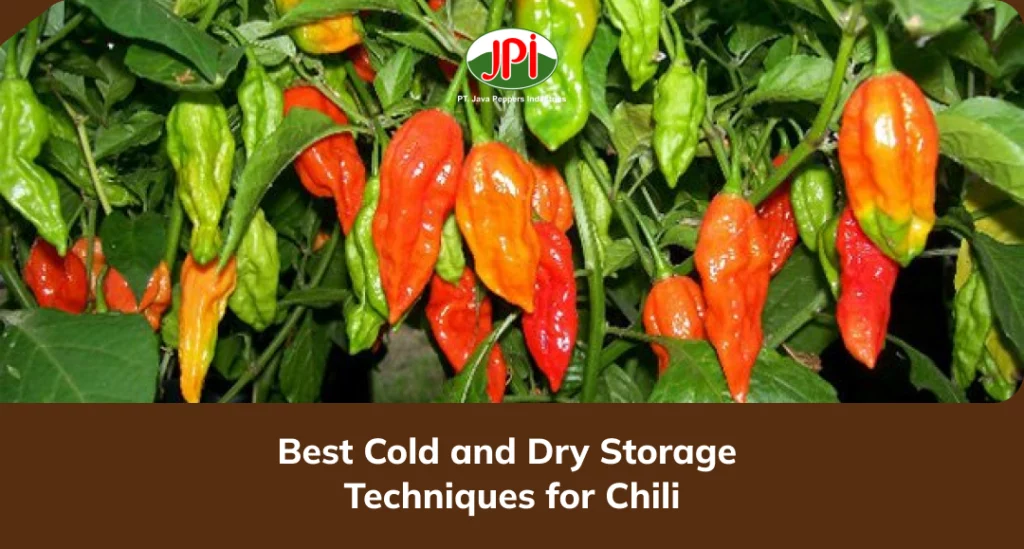
Best Cold and Dry Storage Techniques for Chili
Choosing the right storage method helps keep chili fresh for a longer time. Both cold and dry storage methods can provide good results when used correctly. In addition, each method is suitable for different types of chili products. Here are five commonly used storage techniques.
Cold Room Storage
Cold rooms help slow the natural ripening process of fresh chili. Lower temperatures also reduce the growth of bacteria and fungi. In addition, this method helps maintain the color and freshness of the chili. Therefore, many commercial exporters use cold room storage.
Refrigeration at the Right Temperature
Refrigerators are suitable for storing smaller quantities of fresh chili. The recommended storage temperature is generally between 7°C and 10°C. In addition, keeping the temperature stable helps prevent freezing or early spoilage. For this reason, regular temperature monitoring is important.
Dry Storage with Good Ventilation
Dry storage works well for certain chili varieties and dried chili products. Good ventilation helps prevent moisture from building up inside the storage area. In addition, proper airflow reduces the chance of mold growth. Therefore, storage rooms should have adequate air circulation.
Using Silica Gel or Desiccants
Silica gel and other desiccants help absorb excess moisture inside the packaging. This method is especially useful for dried chili products. In addition, desiccants are easy to use and relatively affordable. As a result, many exporters use them to maintain product quality.
Vacuum Sealing
Vacuum sealing removes most of the air from the package before storage. Less oxygen helps slow the growth of bacteria and other microorganisms. In addition, vacuum packaging can extend the shelf life of chili products. Therefore, it is a good option for long-distance transportation.
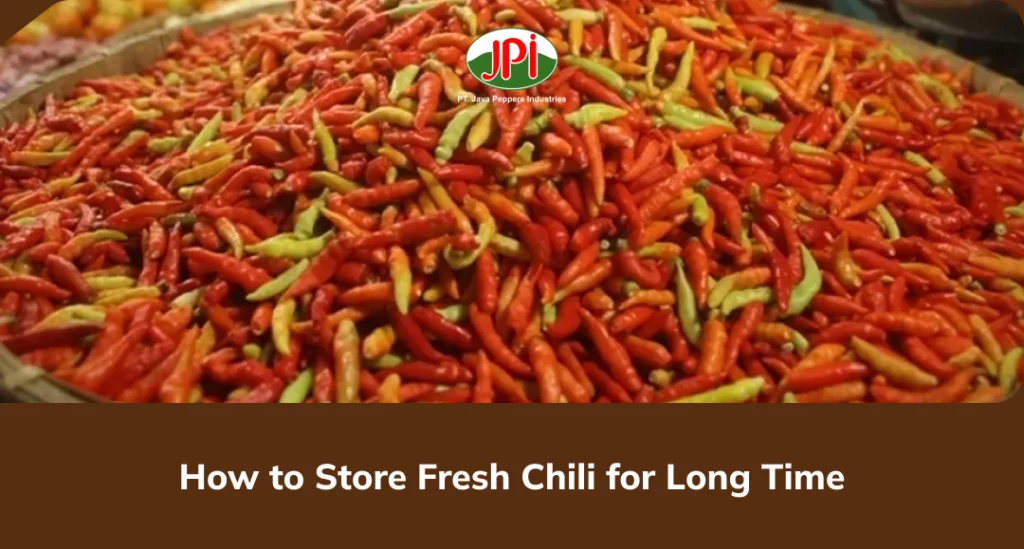
How to Store Fresh Chili for Long Time
Fresh chili requires proper handling to maintain its quality during storage. Without the right method, it can spoil within a short period. In addition, regular care helps reduce waste and maintain product value. Here are five practical storage tips.
Sort Chili Before Storage
Separate damaged, bruised, or overripe chilies before storing them. Damaged chili can cause nearby healthy chili to spoil more quickly. In addition, sorting by size and ripeness makes storage more effective. Therefore, sorting should always be the first step.
Clean and Dry the Chili Properly
Wash the chili carefully to remove dirt and other contaminants. After washing, dry the chili completely before placing it into storage. In addition, dry chili is less likely to develop mold during storage. Because of this, proper drying is an important part of the process.
Use Breathable Bags
Breathable bags allow air to move freely around the chili. Good airflow helps reduce excess moisture inside the packaging. In addition, this method lowers the risk of mold and spoilage. Therefore, mesh or breathable bags are often recommended for fresh chili.
Freeze Fresh Chili
Freezing is a suitable option for long-term storage. This method helps preserve the flavor of the chili for a longer period. In addition, freezing can reduce product waste when the chili is not used immediately. However, the texture may change slightly after thawing.
Perform Regular Quality Checks
Inspect stored chili regularly to identify signs of spoilage. Early inspection helps prevent damaged chili from affecting the rest of the batch. In addition, routine checks allow problems to be addressed quickly. Therefore, regular monitoring is an important part of proper chili storage.-
Monsera Chili Sauce is crafted to represent authentic Indonesian flavors, and it offers a smooth balance of heat and richness. Additionally, the sauce is suitable for daily use, which makes it ideal for beginners exploring spicy food.
Let’s order via the button below now!
Kesimpulan
Chili storage methods truly determine export success overall. Every factor, from temperature to packaging, plays a role. Meanwhile, cold and dry techniques both offer strong results.


 tips_for_choosing_cherry_chil”>