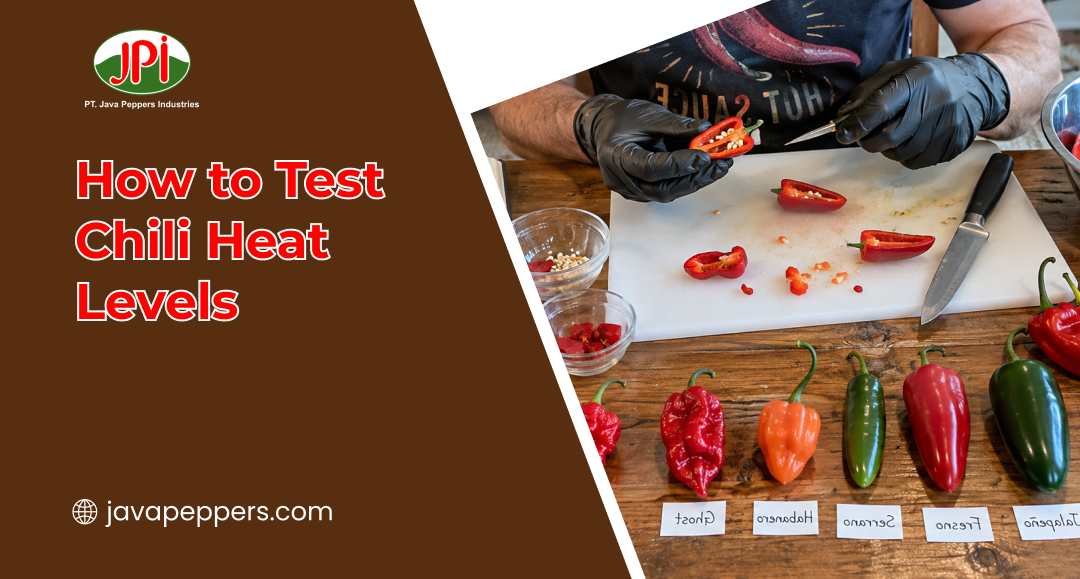
How to Test Chili Heat Levels – Pepper X just broke the internet again. This super-hot pepper now holds the world record at nearly 2.7 million Scoville Heat Units. So, spice lovers everywhere started asking one question: how do experts actually measure that burn?
Honestly, most people assume it’s just guesswork. However, real science backs every single heat rating out there. This article breaks down exactly how to test chili heat, from lab tools to kitchen tricks. So, whether you’re curious or cautious, you’ll walk away with clear answers.
How to Test Chili Heat Using the Scoville Scale
how_to_test_chili_heat_at_home_without_lab_equipment
It started with one pharmacist.
First, Wilbur Scoville created this scale back in 1912. Interestingly, he wanted a simple way to rank pepper strength. So, his method became the industry standard almost instantly. Today, his name still defines spicy food conversations everywhere.
Taste testers did the original work.
Originally, human tasters sipped diluted pepper extract repeatedly. Then, researchers counted dilutions until the heat disappeared completely. Therefore, more dilutions meant a hotter original pepper. Clearly, this method relied heavily on human perception.
SHU numbers tell the real story.
Meanwhile, Scoville Heat Units measure exact capsaicin concentration levels. Basically, higher SHU numbers always mean spicier peppers. For example, bell peppers sit at zero SHU. Meanwhile, Pepper X reaches nearly 2.7 million SHU.
Dilution reveals hidden intensity.
Also, one part capsaicin per million roughly equals fifteen SHU. So, scientists still reference this ratio during calculations today. Consequently, even tiny capsaicin traces produce measurable heat ratings. Basically, chemistry explains why peppers feel so different.
The scale still matters today.
Finally, chefs and brands rely on SHU for consistent labeling. Without it, comparing hot sauces would feel completely random. Therefore, the Scoville scale remains culinary shorthand worldwide. Overall, it turned subjective heat into a shared language.
Methods Used to Test Chili Heat Levels Accurately
methods_used_to_test_chili_heat_levels_accurately
HPLC replaced human tasting.
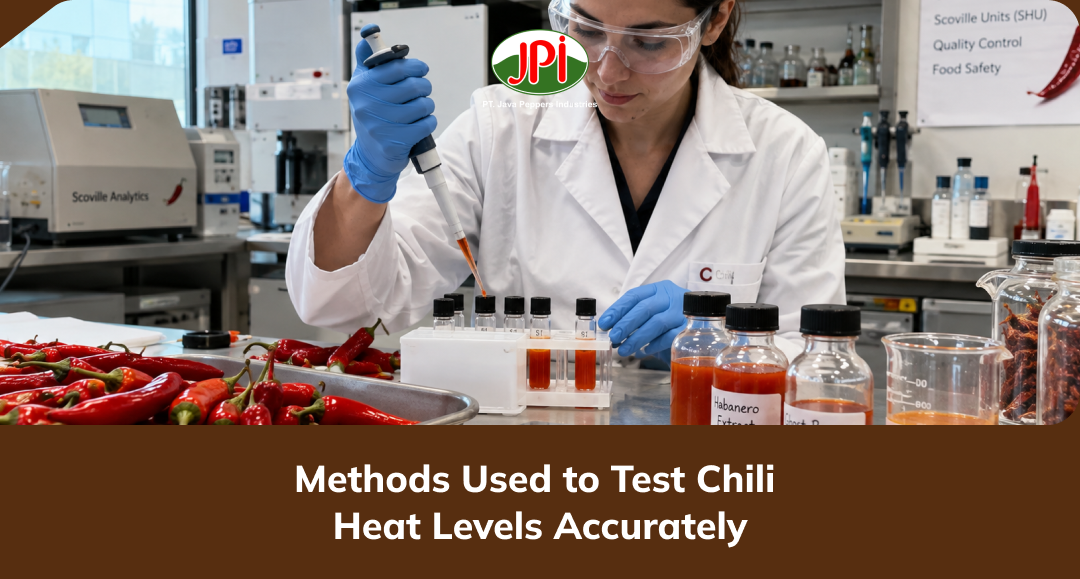
First, modern labs now use high-performance liquid chromatography instead. This method, called HPLC, removes human error completely. Therefore, results stay consistent across different testing sessions. Basically, machines now do what tongues once attempted.
Capsaicin gets measured directly.
Also, HPLC isolates capsaicin molecules within each chili sample. Then, sensors calculate exact chemical concentration in parts per million. Consequently, scientists convert that number into standard SHU ratings. Honestly, this process removes all guesswork entirely.
Comparing peppers becomes simple.
Meanwhile, accurate lab data lets brands compare varieties fairly. So, a jalapeño and habanero get ranked using identical standards. Thus, consumers trust printed heat levels on packaging. Clearly, consistency builds confidence across the entire industry.
Certified labs handle serious testing.
Additionally, food companies send samples to accredited testing facilities. These labs follow strict protocols for every single batch. Therefore, results remain reliable for commercial hot sauce production. Basically, professional testing protects both brands and buyers.
Lab testing still has limits.
Finally, HPLC measures chemical heat, not personal taste experience. However, texture, oils, and sauce ingredients also affect perceived spice. So, two products with equal SHU can taste totally different. Overall, science explains chemistry, not every sensation.
How to Test Chili Heat at Home Without Lab Equipment
how_to_test_chili_heat_at_home_without_lab_equipment
Start with a tiny taste.
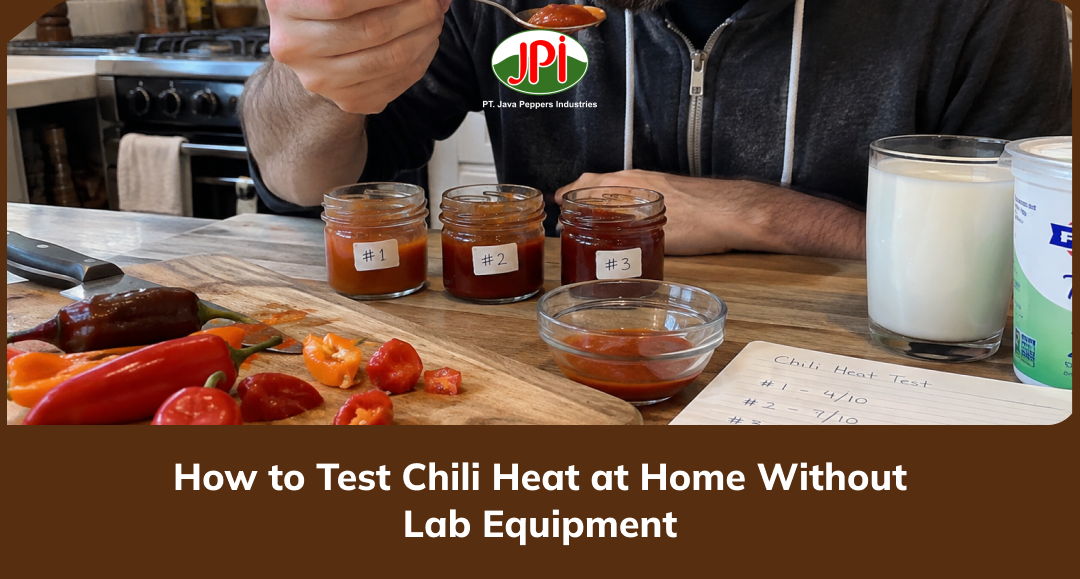
First, cut a small piece and touch it to your tongue. Then, wait several seconds before judging the actual heat. Meanwhile, avoid biting a whole pepper immediately. Honestly, patience prevents unnecessary regret during this step.
Smell often hints at strength.
Also, sharper, more pungent aromas usually suggest stronger heat levels. So, give your pepper a quick sniff before tasting. Meanwhile, milder peppers typically smell more subtle and sweet. Basically, your nose offers useful early warning signs.
Watch color and size clues.
Additionally, smaller, thinner peppers often pack surprisingly intense heat. Meanwhile, size alone never guarantees a mild or spicy result. So, research the specific variety before assuming anything. Clearly, appearance only tells part of the story.
Use trusted SHU reference charts.
Furthermore, online charts list approximate ratings for common pepper varieties. So, compare your pepper type against known Scoville ranges. Consequently, you’ll get a rough heat estimate instantly. Honestly, this shortcut works well for casual cooking.
Try a simple dilution trick.
Finally, mix chopped pepper with water, then taste gradually. Add more water until the burn feels manageable. Therefore, you’ll sense relative heat without fancy lab tools. Overall, this old-school method still works surprisingly well.
Read More : The Growing Chili Powder Export Market
Let’s order via the button below now!

Conclusion
So, now you know how to test chili heat like a pro. Clearly, the Scoville scale gave spice culture its first real language. Meanwhile, HPLC technology made modern measurements far more precise. Still, home methods work fine for everyday cooking decisions. However, always respect intense peppers, especially record-holders like Pepper X.