How Much Chili to Eat – You love that spicy kick on your rice, noodles, or eggs. Then your stomach starts to burn, and you wonder if you went too far. Knowing how much chili to eat each day lets you enjoy the heat without the pain. This guide gives you a clear answer, backed by research. You will learn the safe daily range, the real benefits, the risks, and simple tips to spice up your meals with confidence.
Why Moderate Chili Can Be Good for You
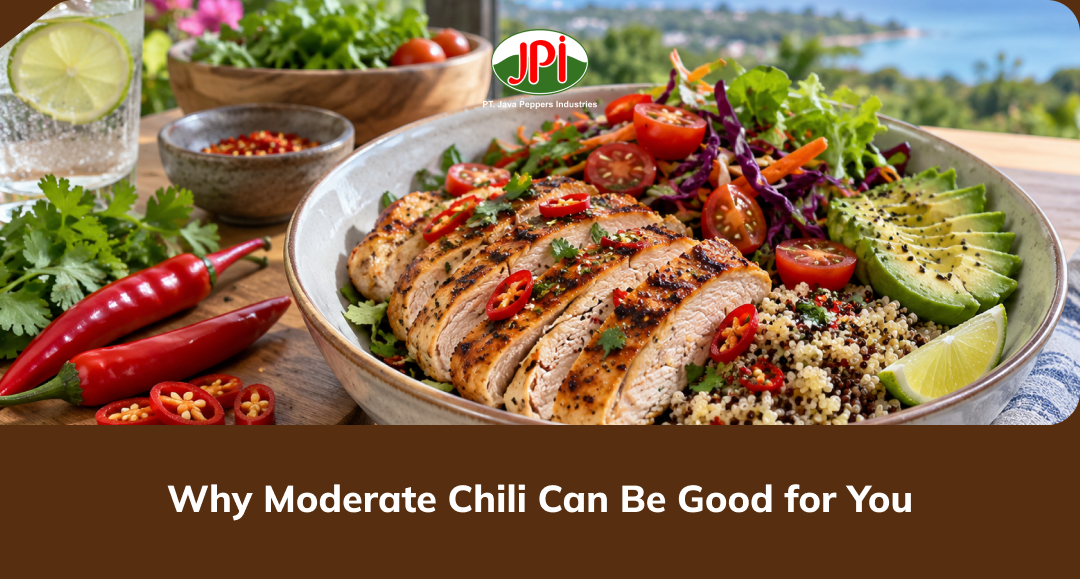
Chili gets its burn from capsaicin. This compound does more than make your tongue tingle. Researchers have studied it for years, and the results look promising.
In 2015, the BMJ published a study that followed about 500,000 adults in China. People who ate spicy food six or seven days a week had a 14% lower risk of death than those who ate it less than once a week. Likewise, an Italian study of more than 22,000 people linked regular chili eating to a lower risk of early death.
Capsaicin may also help in smaller ways. It can give your metabolism a slight boost. It may also help you feel full sooner. Besides, chili adds flavor, so you can use less salt.
However, keep this in mind. These studies show a link, not proof. Chili is not a magic cure. Treat it as a tasty bonus to a balanced diet.
What Happens If You Eat Too Much Chili

More heat does not mean more health. Once you pass your limit, your body will tell you fast. Common problems include:
- Burning pain in the stomach
- Heartburn and acid reflux
- Nausea or vomiting
- Diarrhea and a burning sensation afterward
Extreme cases are rare, but they happen. People joining hot pepper contests have ended up in the emergency room with severe vomiting. In one reported case, a man tore part of his esophagus after eating an extremely hot pepper. That is an unusual event. Still, it shows why you should never treat spicy food as a dare.
Also, skip high-dose capsaicin supplements unless a doctor recommends them. Food is a gentler way to get the benefits.
Signs Your Daily Chili Intake Is Too High
Your body always gives clear signals when something is not right, so pay attention to them. If you notice stomach pain that lasts for hours or frequent heartburn after meals, that is your body telling you to cut back on chili.
Beyond digestion, chili can also disrupt your sleep and daily comfort. Loose stools the next day or trouble sleeping after a spicy dinner are signs that you need to reduce your intake and find the right balance for your body.
One bad night is not a disaster. However, a pattern means you should lower the heat. Try halving your portion for a week and see how you feel.
Who Should Eat Less Spicy Food
Some people need extra care. If you fall into one of these groups, keep your chili intake low or talk to your doctor first:
People with GERD or Frequent Acid Reflux
GERD stands for Gastroesophageal Reflux Disease, a condition where stomach acid flows back up into the esophagus. Capsaicin in chili relaxes the lower esophageal sphincter, making acid reflux worse and more frequent. If you already deal with heartburn regularly, eating chili can turn a manageable condition into a painful daily struggle.
People with Stomach Ulcers or Gastritis
Stomach ulcers are open sores that develop on the lining of your stomach, while gastritis is the inflammation of that same lining. Spicy food like chili can irritate these already sensitive areas and slow down the healing process significantly. Eating chili when you have ulcers or gastritis can trigger sharp pain, nausea, and even bleeding in severe cases.
People with Irritable Bowel Syndrome (IBS)
IBS is a common digestive disorder that causes cramping, bloating, diarrhea, and constipation in varying patterns. Capsaicin speeds up gut movement, which directly triggers IBS symptoms and makes them much harder to control. Many people with IBS find that even a small amount of chili can cause an immediate and uncomfortable reaction.
People with Hemorrhoids
Hemorrhoids are swollen veins in the lower rectum or anus that cause pain, itching, and sometimes bleeding. Capsaicin passes through your digestive system largely unchanged, which means it can irritate the sensitive tissue around hemorrhoids directly. Eating spicy food when you have hemorrhoids can make bowel movements significantly more painful and uncomfortable.
Smart Ways to Keep Your Chili Intake Safe
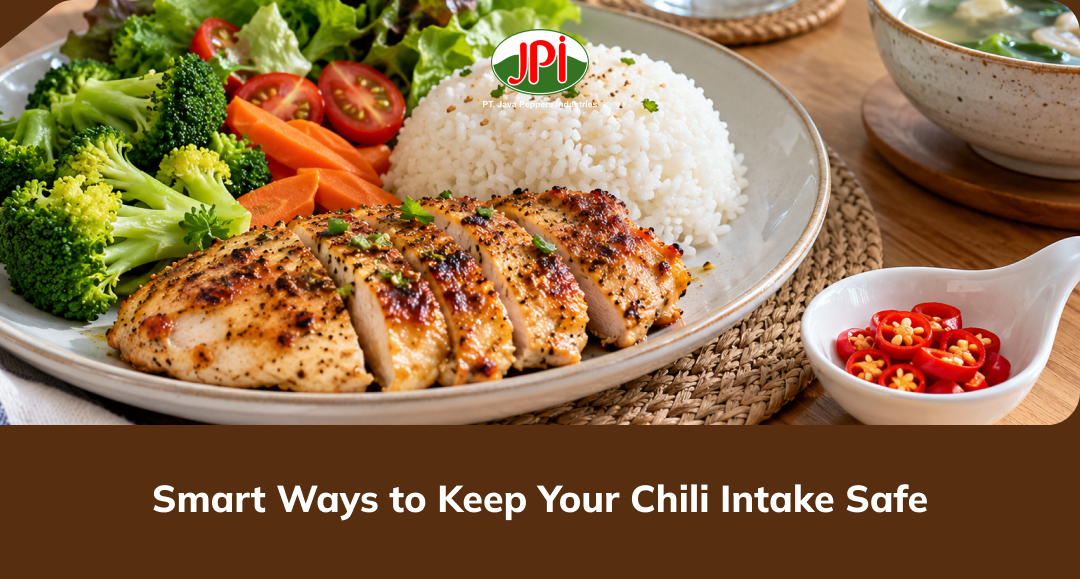
You do not have to give up spice. You just need a few habits.
Eat with Food, Not on an Empty Stomach
Pair chili with rice, bread, or yogurt to create a stomach buffer. Eating spice alone irritates your stomach lining and makes the burn worse.
Spread Intake Throughout the Day
Divide your spice across multiple meals instead of consuming it all at once. Smaller doses are much easier on your digestive system.
Keep Dairy Nearby
Skip water, which only spreads capsaicin oil around. Instead, drink milk or eat yogurt; the protein casein neutralizes capsaicin and cools the heat quickly.
Cook at Home for Control
Preparing your own meals allows you to control heat levels, avoid hidden restaurant spices, and experiment with milder chili varieties.
Avoid Eating Spicy Food Before Bed
Finish spicy meals at least 2–3 hours before sleep. Lying down too soon can trigger acid reflux and disrupt your rest.
How to Build Your Spice Tolerance Safely
Your tolerance can grow with practice. Add a little more chili each week. For example, move from half a chili to one chili. Then wait a few days before the next step. Over time, your mouth and stomach adapt. Even so, tolerance has a ceiling. Stop when you feel pain, not just heat.
Read More : How to Test Chili Heat Levels
Let’s order via the button below now!

Conclusion
So, how much chili is safe to eat daily? For most healthy adults, 1 to 3 medium fresh chilies is a sensible range. Moderate amounts may support your health and add great flavor. Too much, though, can hurt your stomach.