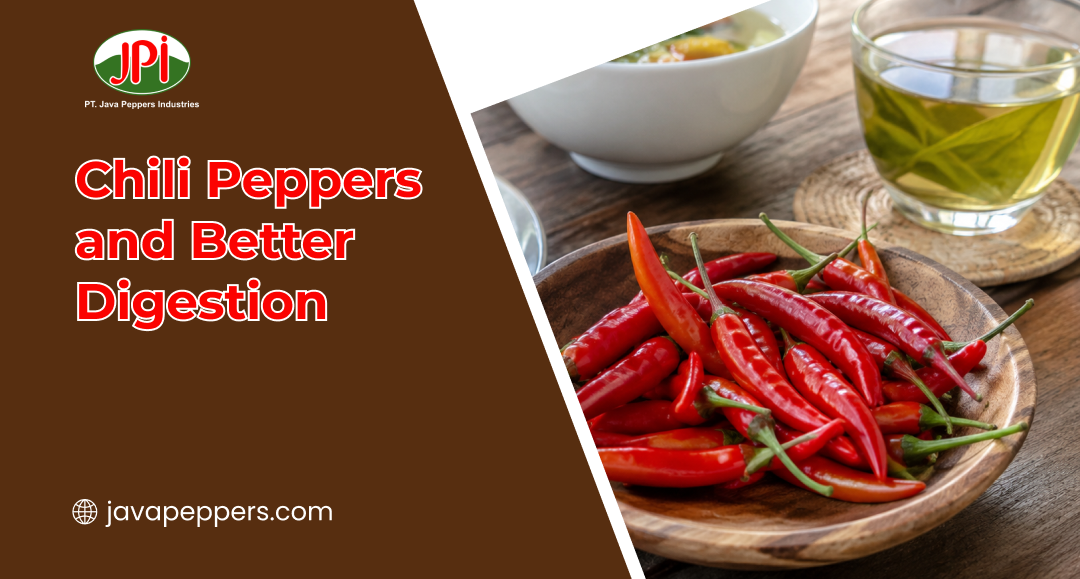
Chili for Digestion – A recent study is stirring up debate in the health world. According to a July 2026 report, heavy chili consumption may raise the risk of gastrointestinal cancer. However, other research shows a different side of the story about chili for digestion. So, who is actually right? This article breaks down the science and gives you practical tips for enjoying chili without upsetting your gut.
How Chili Peppers Support the Digestive System
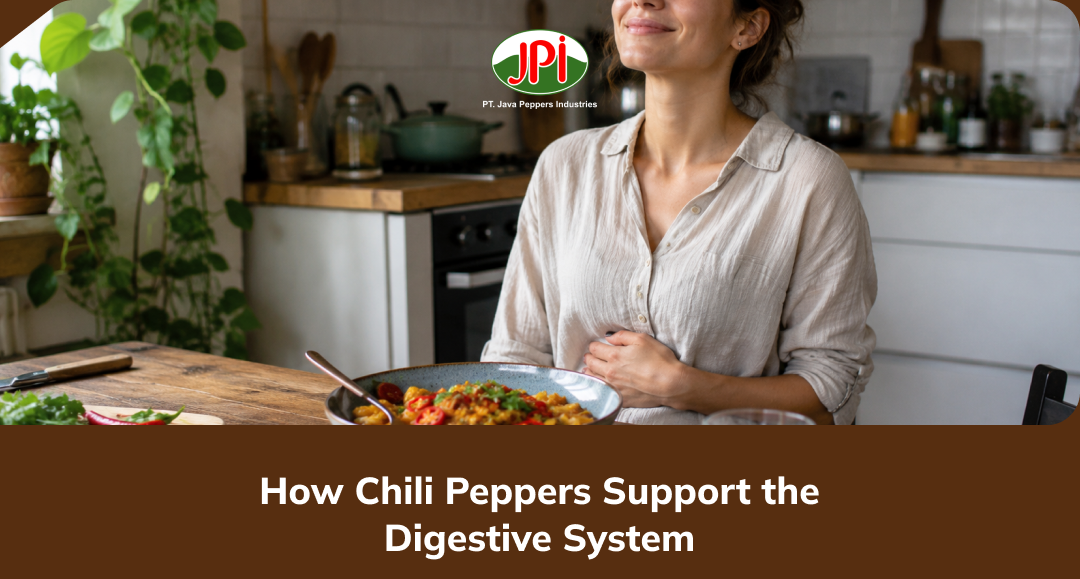
how_chili_peppers_support_the_digestive_system
Triggering Saliva and Stomach Acid Production
Chili stimulates the salivary glands as soon as it touches your tongue. Additionally, capsaicin boosts stomach acid production. As a result, your body breaks down food faster. Consequently, you feel less bloated after meals.
Speeding Up Intestinal Movement
Spicy heat activates the muscles lining your gut. Therefore, food moves through your digestive tract more smoothly. As a result, constipation becomes less likely. Still, portion size always matters.
Supporting a Balanced Gut Microbiome
A 2025 study found that spicy eating habits link to a more diverse gut microbiome. In fact, regular chili eaters showed 15 percent more beneficial bacteria. Thus, fermentation in the colon runs more efficiently. Ultimately, overall gut health improves.
Helping Reduce Inflammation
Capsaicin carries mild anti-inflammatory properties. For this reason, chili may soothe minor digestive irritation. However, this benefit only applies in moderate amounts. Otherwise, overconsumption can trigger new irritation.
Boosting Metabolism
Spicy food raises calorie burning through a process called thermogenesis. In other words, your metabolism speeds up after a spicy meal. Indirectly, this supports smoother digestion overall. Consequently, chili often appears in healthy eating plans.
Key Compounds in Chili That Aid Digestion
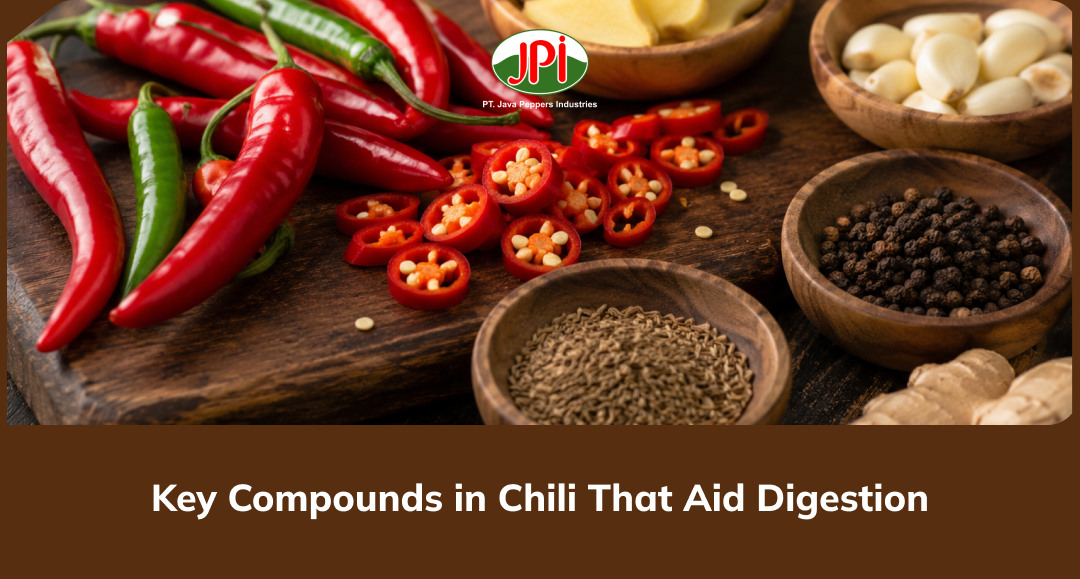
key_compounds_in_chili_that_aid_digestion
Capsaicin, the Main Star
Capsaicin is the compound responsible for chili’s fiery kick. Moreover, it activates TRPV1 receptors throughout the digestive tract. Through this reaction, the body increases enzyme production. Hence, capsaicin sits at the core of chili for digestion.
Vitamin C for Nutrient Absorption
Fresh chili peppers pack a surprising amount of vitamin C. Therefore, the body absorbs iron from other foods more easily. As a result, daily energy levels stay balanced. Consequently, digestion runs without nutrient-related setbacks.
Flavonoid Antioxidants
Besides capsaicin, chili also contains flavonoid antioxidants. These compounds help protect the cells lining your gut. Thus, the risk of cellular damage from free radicals drops. Eventually, your digestive tract stays healthier long-term.
Fiber That Keeps Things Moving
Whole chili peppers, especially the skin, contain natural fiber. This fiber helps keep bowel movements regular. Therefore, whole chili is generally better than powdered versions. In contrast, processed hot sauces usually offer little fiber.
Essential Minerals Like Potassium
Chili also delivers a decent amount of potassium. This mineral helps maintain fluid balance in the digestive system. Consequently, gut muscles contract normally. Ultimately, bowel movements become smoother.
Tips for Eating Chili for Digestion Without Upsetting Your Stomach

tips_for_eating_chili_without_upsetting_your_stomach_
Start With Small Portions
Never jump straight into large amounts of chili if you’re not used to it. Instead, start with small portions first. This way, your stomach gets time to adjust. Gradually, your spice tolerance will build up.
Pair It With Probiotics
According to gastroenterologists, chili works best alongside yogurt or other probiotics. This combination helps maintain gut bacterial balance. Therefore, side effects like burning sensations become less likely. As a result, the benefits of chili for digestion increase.
Avoid Eating on an Empty Stomach
Never eat chili when your stomach is completely empty. Otherwise, rising stomach acid can irritate the stomach lining directly. Instead, eat chili alongside rice or other food. This way, irritation can be prevented.
Watch Your Daily Intake
Research suggests around 1 to 2 grams of chili daily is enough. Beyond that, digestive discomfort becomes more likely. Therefore, limit your intake even if you love spicy food. Otherwise, overconsumption cancels out the benefits.
Read More : What Are Cherry Peppers? A Guide to This Unique Fruit
Let’s order via the button below now!

Conclusion
In short, chili peppers carry both benefits and risks worth understanding. On one hand, capsaicin and other compounds clearly support digestion through multiple mechanisms. On the other hand, overconsumption still poses risks for certain people.