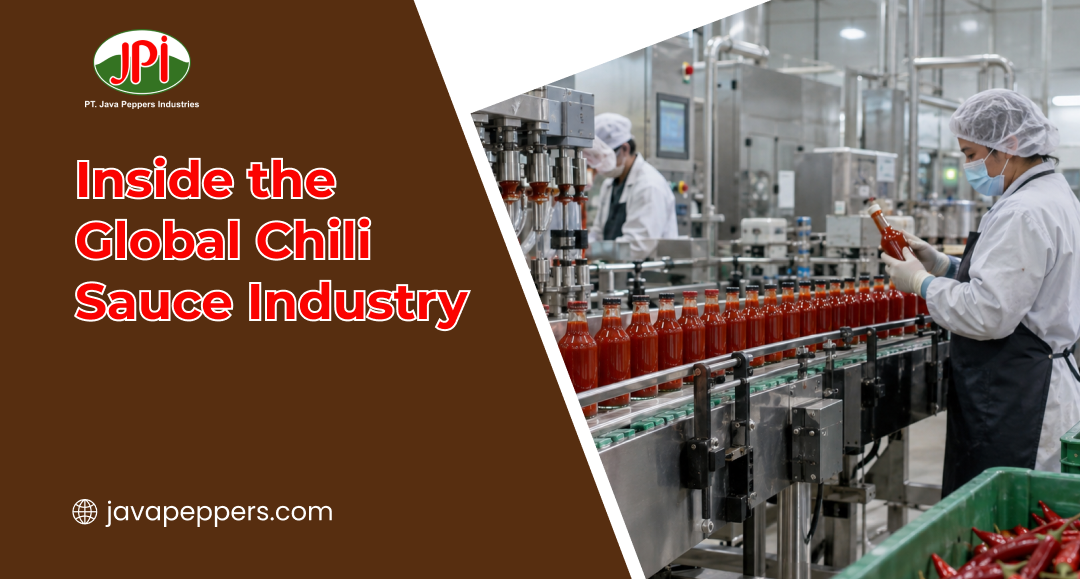
Chili Sauce Industry – Spicy food just broke another record. According to recent market reports, the global chili sauce industry hit roughly USD 23.9 billion in 2026, and analysts expect it to keep climbing toward USD 39 billion by 2035. That’s not a small jump. So why is everyone suddenly obsessed with hot sauce?
Basically, social media trends, global cuisine crossovers, and busy lifestyles all push people toward bold flavors. This article breaks down the numbers, the biggest players, and what’s next for the industry. Whether you’re a foodie, an investor, or just curious, you’ll get a clear picture here.
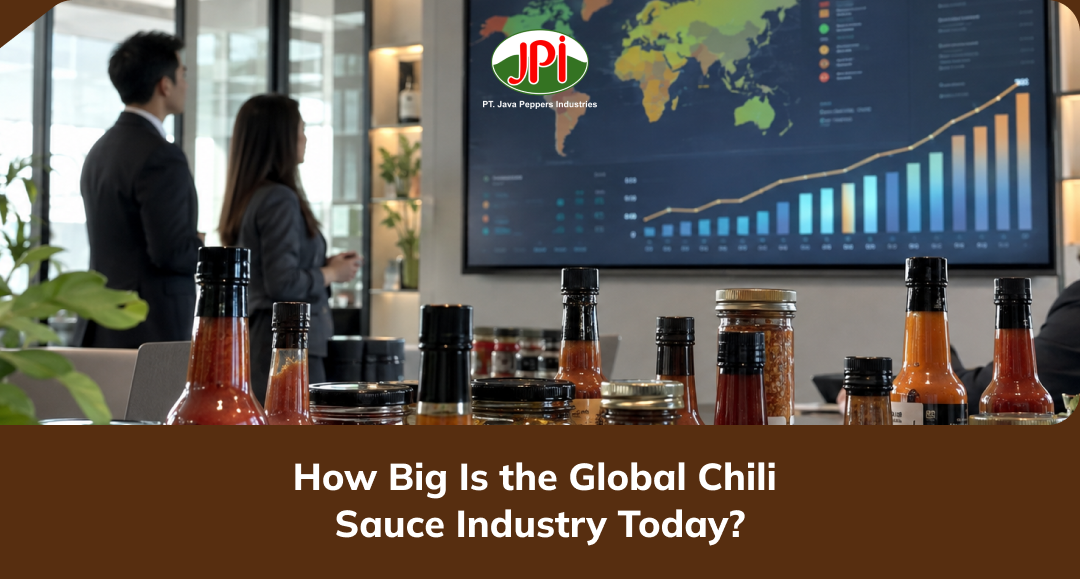
How Big Is the Global Chili Sauce Industry Today?
how_big_is_the_global_chili_sauce_industry_today_
Steady market growth.
First, the chili sauce industry keeps expanding year after year. Meanwhile, reports show a compound annual growth rate above 5%. Therefore, brands keep launching new products constantly. Overall, the trend looks far from slowing down.
The snack boom effect.
Also, spicy snacks exploded in popularity after the pandemic. People stuck at home discovered bold flavors through cooking videos. Consequently, chili sauce became a pantry staple almost everywhere. Honestly, that habit never really faded away.
Premium products take over.
Meanwhile, shoppers now want more than basic hot sauce. Instead, they crave small-batch, artisanal, and limited-edition blends. As a result, premium pricing became normal across the market. Clearly, quality now matters as much as heat.
Restaurants push demand higher.
Additionally, foodservice chains add chili sauce to nearly every menu. Fast food, ramen shops, and fusion restaurants all rely on it. So, bulk orders from restaurants boost industry revenue significantly. Basically, chefs treat chili sauce as a flavor shortcut.
Online shopping changes everything.
Finally, e-commerce platforms made hot sauce discovery incredibly easy. Now, niche brands reach global customers without needing physical stores. Thus, small producers can compete with legacy giants online. Ultimately, digital shelves widened the entire chili sauce industry.
Top Countries Driving Chili Sauce Industry Demand Worldwide
top_countries_driving_chili_sauce_demand_worldwide
Asia Pacific leads the pack.
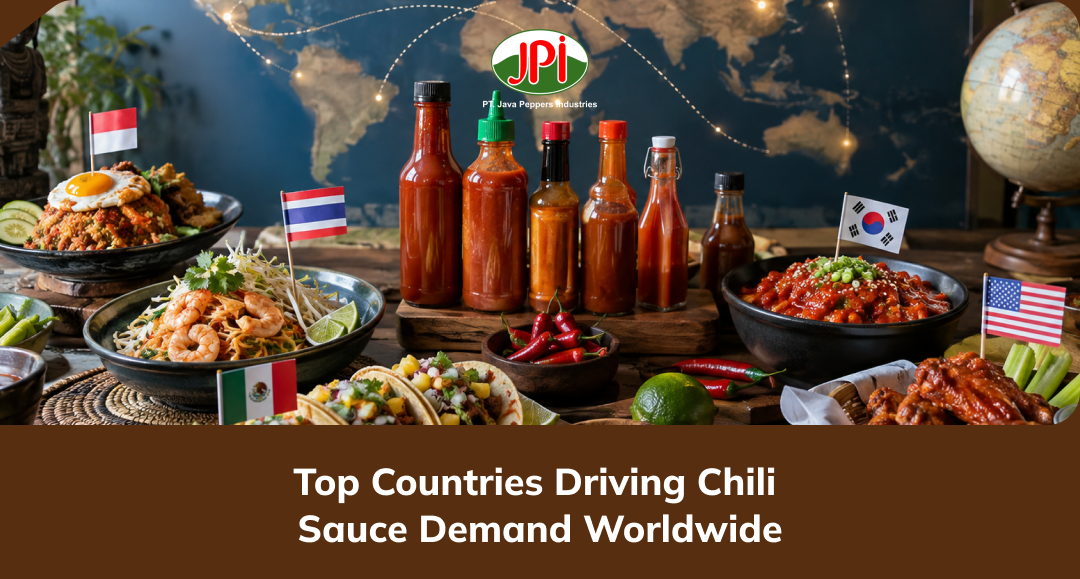
First, Asia Pacific dominates chili sauce consumption by a wide margin. In fact, the region holds over 40% of global market share. Meanwhile, spicy cuisine already sits at the center of daily meals there. So, growth in this region shapes the whole industry.
The United States loves heat.
Also, American consumers keep pushing demand for bold, spicy flavors. Increasingly, ethnic cuisines like Mexican and Korean food influence local tastes. Therefore, US sales remain one of the strongest globally. Clearly, hot sauce culture is deeply rooted there.
China’s massive production base.
Meanwhile, China manufactures huge volumes for both local and export markets. Brands like Laoganma became household names across Asia. Consequently, China anchors much of the industry’s supply chain. Basically, without China, global output would look very different.
Southeast Asia’s halal advantage.
Additionally, countries like Indonesia and Malaysia strengthen halal-certified manufacturing. This certification opens doors to Middle Eastern and North African markets. So, Southeast Asia becomes a key regional export hub. Honestly, this advantage keeps growing every year.
Europe’s curiosity keeps rising.
Finally, European consumers increasingly explore global spicy condiments. Fusion restaurants and imported snacks introduce chili sauce to new audiences. Thus, demand in Europe, while smaller, keeps trending upward. Overall, curiosity there fuels steady future growth.
Opportunities and Challenges in the Chili Sauce Industry
opportunities_and_challenges_in_the_chili_sauce_market
Health-conscious formulas open doors.
First, brands now experiment with organic and low-sodium recipes. Health-focused consumers actually want spice without extra guilt. Therefore, this niche offers strong growth potential. Clearly, wellness trends are reshaping product development.
Export platforms create new markets.
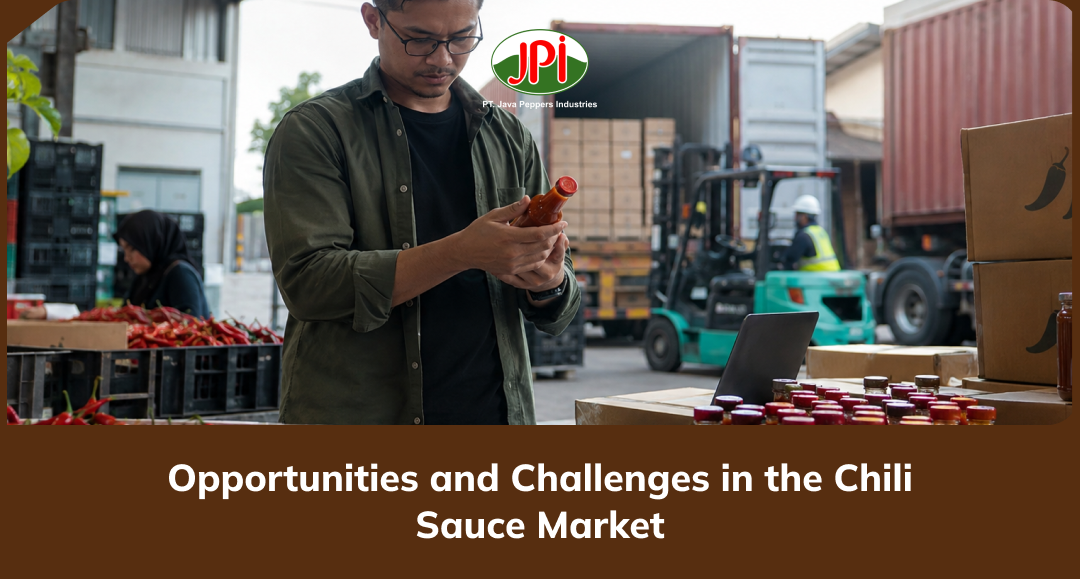
Also, smaller producers increasingly build export-ready supply chains. This move helps regional brands reach international shelves faster. Consequently, competition intensifies, but so does overall market size. So, expansion abroad becomes a smart long-term strategy.
Raw material prices stay unstable.
Meanwhile, chili pepper prices fluctuate due to weather and climate shifts. Bad harvests instantly squeeze manufacturer profit margins. Thus, this remains a real and persistent challenge. Honestly, price volatility worries almost every producer.
Supply chains face disruption risks.
Additionally, global shipping delays continue affecting ingredient availability. Manufacturers sometimes struggle to source packaging materials on time. Therefore, logistics planning becomes more critical than ever. Basically, resilience now separates winners from strugglers.
Automation boosts future efficiency.
Finally, factories increasingly invest in automated bottling and packaging systems. This shift reduces labor costs while improving consistency. As a result, larger players gain a competitive production edge. Overall, technology will likely define the industry’s next chapter.
Read More : The Process of Planting Chili
Let’s order via the button below now!

Conclusion
So, what’s the takeaway here? Clearly, the chili sauce industry keeps growing fast, fueled by bold taste trends and global demand. Meanwhile, Asia Pacific leads, but the US, China, and Europe all matter too. Still, challenges like price swings and supply issues remain real.