Chili Export Packaging – Here is a wake-up call for chili exporters. Dominican fresh chili exports fell 29% in 2025, and the EU market dropped the hardest. Meanwhile, EU rules require port testing for pesticide residue on half of those shipments. So, solid chili export packaging, paperwork, and labels matter more than ever. This guide shows you how to get them right.
Packaging Requirements for Exporting Fresh, Dried, and Paste Chili
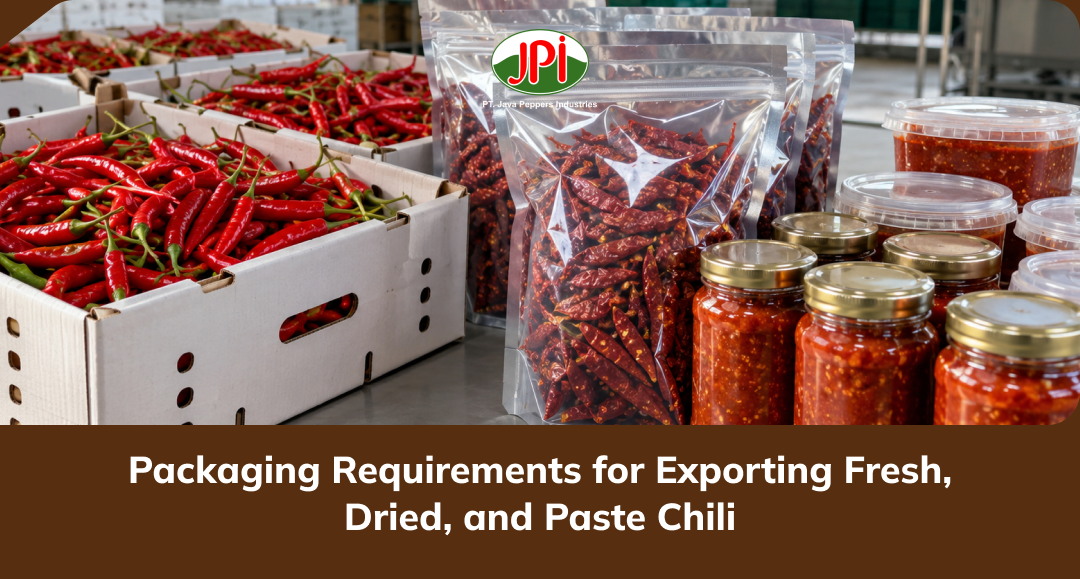
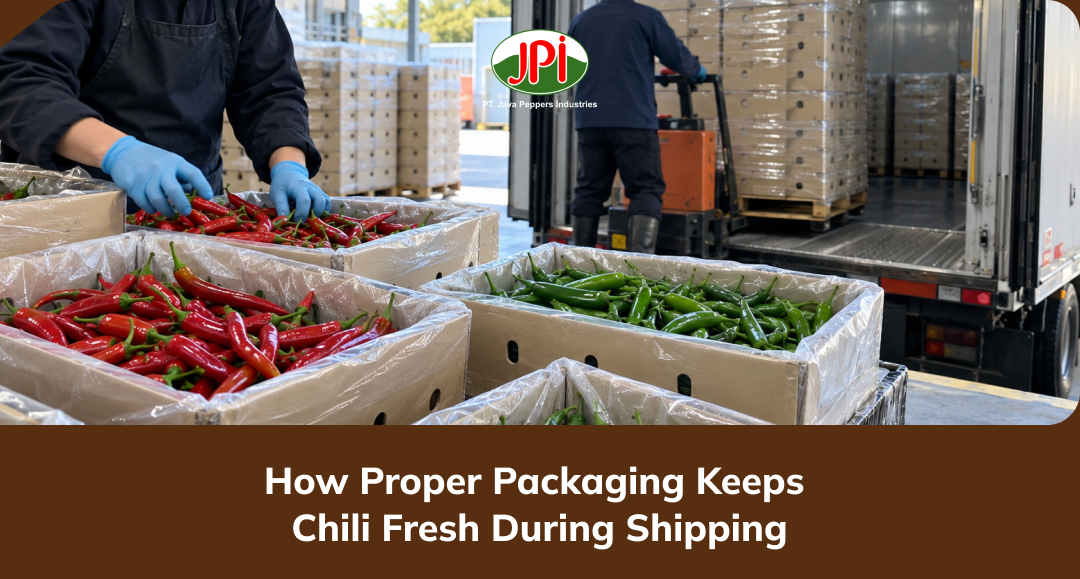
Fresh chilies need packaging that protects them from physical damage while allowing proper airflow. Use sturdy, food-safe cartons with ventilation holes to help manage heat and moisture during transport. Suitable liners or dividers can reduce friction and bruising between pods. Choose packaging designed for the expected shipping duration and storage conditions.
Moisture-proof bags for dried chilies
Dried chilies can absorb moisture from the surrounding air, increasing the risk of mold and quality loss. Use food-grade bags with suitable moisture barriers to maintain product quality. An outer woven sack or sturdy carton can provide additional protection during handling and transport. Make sure the packaging is sealed properly before shipment.
Airtight jars and pouches for chili paste
Chili paste requires packaging that prevents leakage and protects the product from contamination. Glass jars, suitable plastic containers, and retort pouches can work, depending on the product formulation and processing method. Use secure closures and tamper-evident seals where appropriate. For shelf-stable products, ensure the packaging and heat-processing method have been validated for food safety.
Food-contact safety
Every material that directly touches the chilies must be suitable for food contact. Ask packaging suppliers for relevant compliance documents and specifications. Avoid materials that may transfer harmful substances, odors, or ink residues to the product. Meeting the destination country’s food-contact requirements helps reduce the risk of shipment rejection.
Pallets and container loading
Use clean, suitable pallets and secure cartons to reduce movement during transport. Corner protectors and stretch wrap can help stabilize loads, but avoid blocking ventilation when shipping fresh chilies. Keep cartons away from direct contact with dirty container floors and walls. Check the container’s cleanliness, temperature suitability, and condition before loading.
How Proper Packaging Keeps Chili Fresh During Shipping
Fresh chilies are perishable, so suitable temperature management helps slow deterioration during transport. The ideal temperature depends on the chili variety, maturity, and shipping duration. Temperatures that are too low can cause chilling injury in some varieties. Coordinate storage and transport conditions with the exporter, importer, and logistics provider.
Moisture balance
Excess moisture inside fresh-chili packaging can encourage decay, while excessive moisture loss causes shriveling. Select liners and ventilation based on the product’s cooling and humidity requirements. For dried chilies, moisture-barrier packaging helps prevent reabsorption of water. Desiccants should only be used when appropriate for the product and packaging system.
Modified atmosphere and vacuum packaging
Modified-atmosphere packaging can help extend the quality life of some fresh or processed chili products when properly designed. The gas mixture and packaging permeability must match the product’s respiration rate and storage conditions. Vacuum packaging may suit certain dried or processed products, but it is not automatically appropriate for fresh chilies. Packaging alone cannot replace proper temperature control and food-safety procedures.
Cushioning against rough handling
Chilies can be bruised or crushed by vibration, stacking pressure, and rough handling. Use dividers, suitable liners, and strong cartons to reduce movement and impact. Stack cartons according to their strength and avoid excessive loads that could crush the products below. Careful handling during loading and unloading also helps maintain quality.
Protection against pests and contamination
Clean packaging and storage areas help reduce exposure to insects, dust, and other contaminants. Inspect products and packaging before sealing and loading. Any pest treatment must follow applicable regulations and be suitable for the product. Check the destination country’s import requirements because phytosanitary measures differ by product and origin.
Labeling and Certification Tips for Chili Exporters
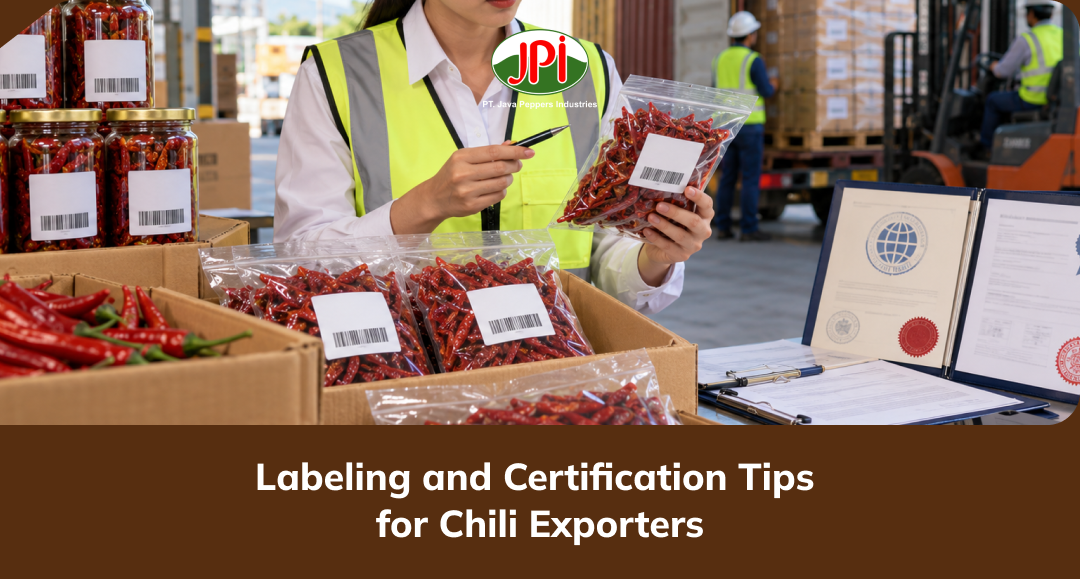
Labels should identify the product and provide the information required by the destination market. Depending on the product type, this may include net weight, country of origin, lot number, packing date, expiry or best-before date, and storage instructions. Processed chili products may also require ingredient lists and nutritional information. Consistent lot identification helps buyers trace products if a quality issue occurs.
Testing and laboratory reports
Chili exports may be subject to testing for pesticide residues, microbial contamination, mycotoxins, or other hazards, depending on the product and destination. Arrange testing through a qualified laboratory using methods appropriate to the shipment. Review the applicable limits and testing requirements before dispatch. Keep laboratory reports and supporting documents available for the importer and inspection authorities.
Farm-level certifications
Certifications can help demonstrate that a business follows recognized agricultural, food-safety, or quality-management practices. Depending on the buyer, relevant schemes may include GLOBALG.A.P., HACCP-based systems, or IFS. A phytosanitary certificate may also be required for certain fresh or dried plant products.
Successful chili exports depend on packaging that matches the product, protects quality, and meets food-safety requirements. Fresh chilies need suitable ventilation and temperature control, dried chilies need effective moisture protection, and chili paste requires packaging appropriate to its processing method.
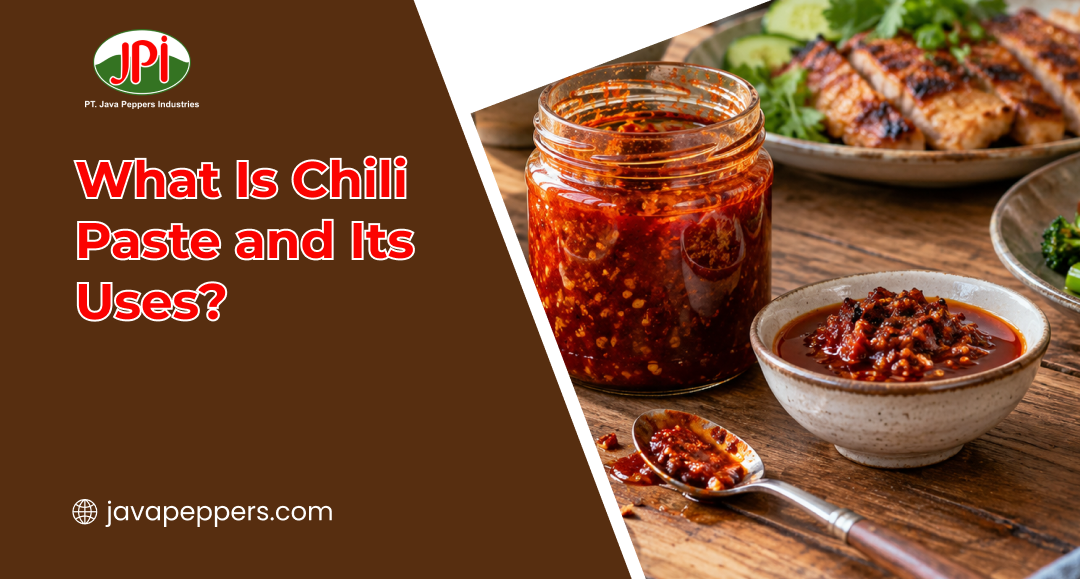
What Is Chili Paste – Right now, spicy condiments are taking over grocery shelves. In fact, chili crisp, gochujang, and kimchi are all trending in 2026, and US gochujang launches jumped 120% year over year. So, many shoppers keep asking, what is chili paste? This guide gives you a simple answer. Plus, you get handy tips to cook with it.
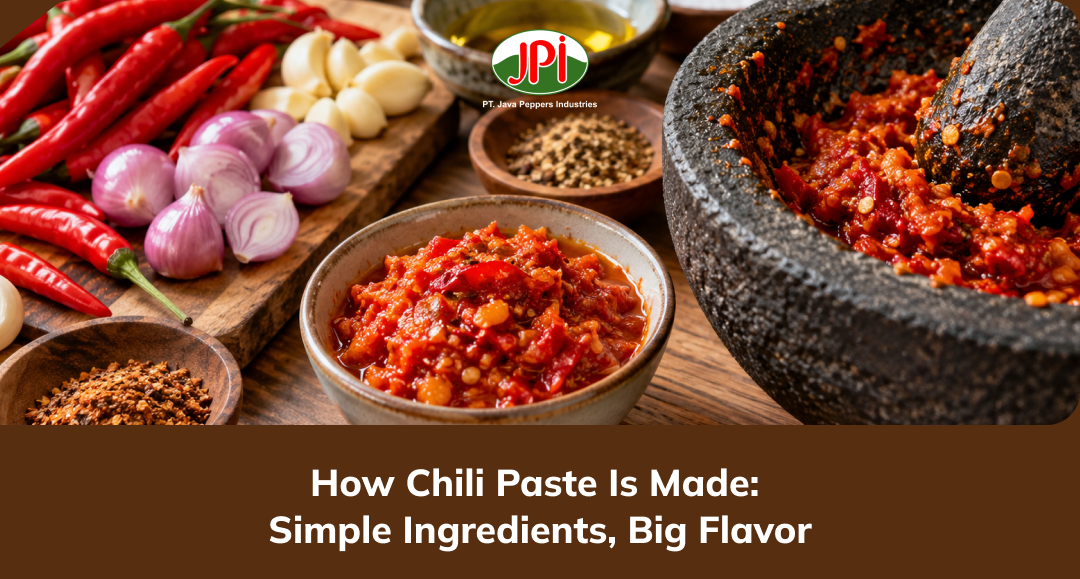
How Chili Paste Is Made: Simple Ingredients, Big Flavor
How Chili Paste Is Made: Simple Ingredients, Big Flavor
Fresh chilies as the base
Chili paste is a thick mixture made primarily from fresh or dried chilies. To prepare it, cooks remove the stems and grind the chilies into a coarse or smooth paste. The type of chili determines the paste’s color, flavor, and heat level. Red chilies, for example, create a vibrant paste that works well in many dishes.
Salt and food preservation
Salt adds flavor and can help slow the growth of some microorganisms. However, adding a little salt does not automatically make homemade chili paste safe to store for weeks. Fresh chili paste should be kept in a clean, airtight container in the refrigerator and handled with a clean utensil. For longer storage, freezing is a practical option.
Garlic, ginger, and aromatics
Many chili paste recipes include garlic, ginger, or shallots to create a richer flavor. Some regional varieties also use ingredients such as lemongrass, galangal, or shrimp paste. These additions give each recipe its own aroma and taste. The ingredients can be adjusted to suit different cuisines and personal preferences.
Vinegar, sugar, or fermentation
Some cooks add vinegar to give chili paste a tangy flavor, while sugar can balance its heat. Other recipes use fermentation to develop a deeper, more complex taste. Each method produces a different flavor and texture. However, fermented chili paste requires an appropriate recipe and process to ensure food safety.
Easy home method
Making chili paste at home requires only a few basic ingredients. Blend fresh chilies with garlic and a little salt until the mixture reaches your preferred texture. You can then cook it in a small amount of oil to develop its flavor. Transfer the cooled paste to a clean container and refrigerate it promptly.
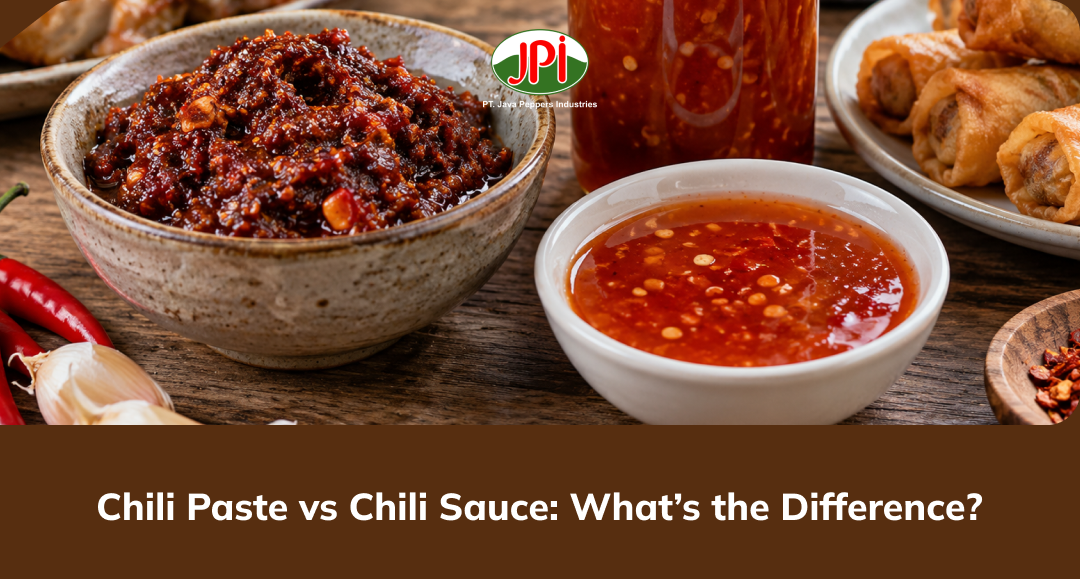
Chili Paste vs. Chili Sauce: What’s the Difference?
chili_paste_vs_chili_sauce_what_s_the_difference_
Texture
Chili paste is generally thicker than chili sauce and may contain visible pieces of chili. Chili sauce is often smoother and easier to pour. The difference depends on how finely the ingredients are blended and how much liquid is added.
Heat level
Chili paste can taste intensely spicy because chilies make up a large part of the mixture. Chili sauce may be milder when it contains more water, sugar, or other ingredients. However, neither product is always hotter than the other. Check the ingredients and taste a small amount to determine the heat level.
Ingredients
Many chili pastes contain chilies combined with ingredients such as garlic, salt, or spices. Chili sauces may include vinegar, sugar, water, and additional seasonings. Some products contain similar ingredients but differ in their proportions and preparation methods. Reading the label helps you choose the right flavor for your recipe.
Cooking role
Cooks often use chili paste as a base for stir-fries, curries, soups, and marinades. Chili sauce is commonly served as a condiment or dipping sauce. However, the two can be interchangeable in some recipes if you adjust the amount of liquid and seasoning.
Storage and shelf life
The storage life of chili paste and chili sauce depends on their ingredients, acidity, processing, and packaging. Homemade chili paste generally requires refrigeration, while commercially produced sauces may last longer when unopened. Follow the storage instructions on the product label and refrigerate it after opening when directed.
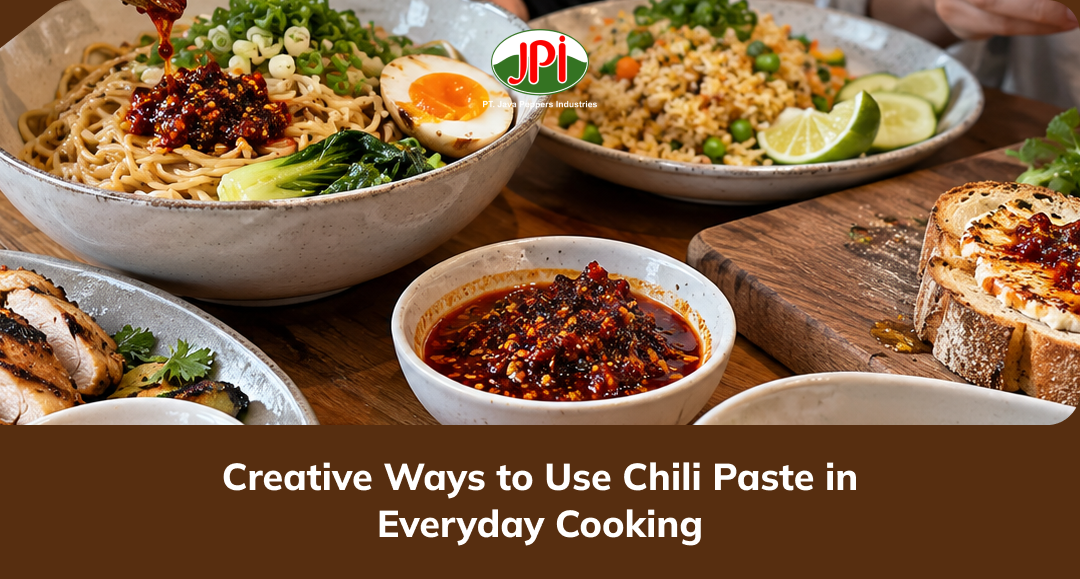
Creative Ways to Use Chili Paste in Everyday Cooking
Add a spoonful of chili paste to hot oil before tossing in vegetables, noodles, or protein. Cooking the paste briefly helps release its aroma and distribute the flavor throughout the dish. You can combine it with soy sauce for a savory finish.
Marinades and rubs
Mix chili paste with soy sauce, honey, or other seasonings to make a flavorful marinade. Coat chicken, tofu, or vegetables before grilling, roasting, or pan-frying. For food safety, marinate perishable ingredients in the refrigerator rather than at room temperature. Discard leftover marinade that has touched raw meat unless you cook it thoroughly first.
Soups and stews
A small amount of chili paste can add warmth and depth to soups and stews. Stir it into ramen broth, tomato soup, or curry while cooking. Start with a little, then add more after tasting the broth. This approach helps prevent the heat from overpowering the other ingredients.
Dips and dressings
Mix chili paste with mayonnaise to make a spicy dip for fries or sandwiches. For a lighter option, combine it with plain yogurt and a squeeze of lime juice. You can also whisk a small amount into a salad dressing. These combinations balance chili heat with creamy or tangy flavors.
Eggs, sandwiches, and snacks
Chili paste can give simple meals an extra kick. Spread a little inside sandwiches and wraps, or serve it alongside fried eggs. You can also mix a small amount into melted butter for a spicy popcorn topping. Adjust the quantity to complement the other flavors without overwhelming the dish.
Chili paste is a thick chili-based mixture that adds heat, color, and flavor to everyday cooking. Its ingredients can include garlic, ginger, salt, vinegar, and other seasonings, depending on the recipe. Compared with chili sauce, it is often thicker and commonly used as a cooking base.
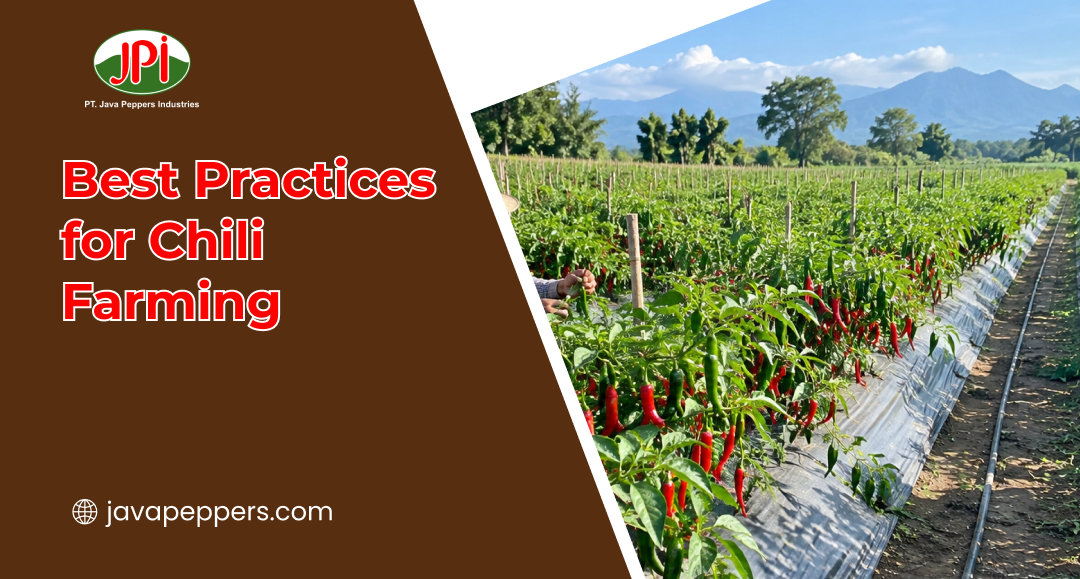
Chili Farming Tips – Lately, market news keeps showing chili prices jumping up and down. Naturally, farmers ask how they can grow steady harvests. Luckily, smart habits can protect your income. In this guide, we share practical chili farming tips in simple words. Plus, you will learn how to plant, water, and protect your crop.
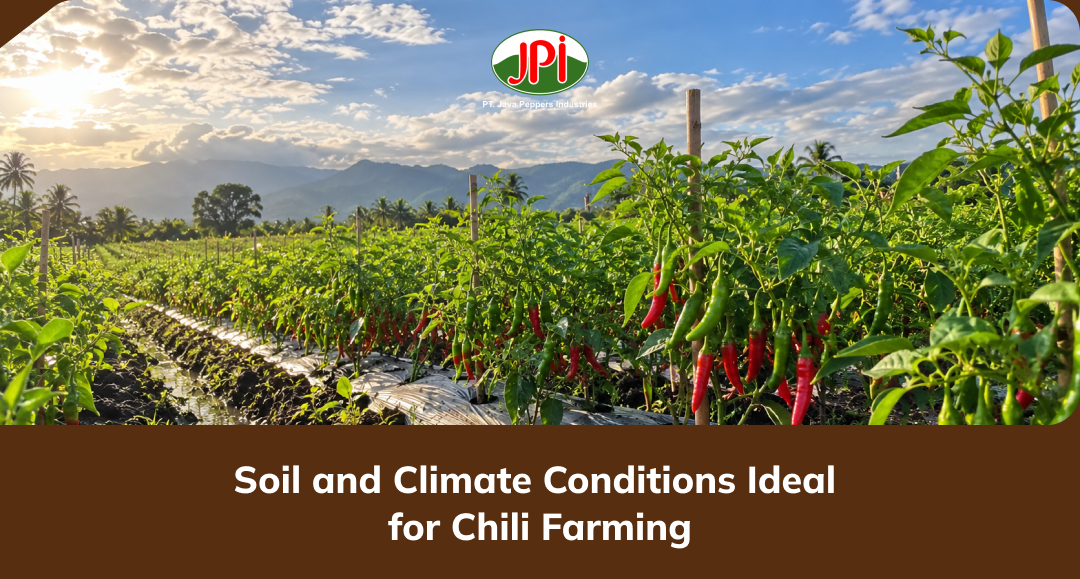
Soil and Climate Conditions Ideal for Chili Farming Tips
First, chili plants love soil that drains fast. Also, loose soil lets roots spread and breathe. However, heavy clay holds water and rots the roots. Therefore, mix in compost or sand to lighten it.
The right soil pH
Next, chilies grow best in slightly acidic soil. Usually, a pH between 6.0 and 6.8 works well. Meanwhile, a simple test kit shows your current level. Thus, you can fix problems before planting.
Warm temperatures
Additionally, chilies thrive in warm weather. Ideally, days stay between 24 and 30 degrees Celsius. However, cold nights slow growth and hurt flowers. Consequently, you should plant when the weather stays warm.
Plenty of sunlight
Also, chili plants need six to eight hours of sun daily. Likewise, more light means more flowers and fruit. Otherwise, plants grow tall, weak, and thin. So, pick an open spot without shade.
Moderate rainfall and humidity
Moreover, chilies dislike constant heavy rain. Instead, they prefer steady, gentle moisture. Besides, high humidity invites fungus and disease. Therefore, choose raised beds if your area gets wet.
Best Planting and Irrigation Practices for Chili Crops
First, buy seeds from a trusted supplier. Also, pick a variety that suits your climate. Then, soak the seeds overnight to speed up sprouting. As a result, you get stronger seedlings.
Nurse seedlings carefully
Next, sow seeds in trays with light soil. Meanwhile, keep the trays warm and slightly damp. Usually, seedlings need four to six weeks before moving. Thus, patience gives you healthier plants.
Space plants properly
Additionally, give each plant enough room to grow. Typically, leave 45 to 60 centimeters between plants. Otherwise, crowded leaves trap moisture and spread disease. Hence, good spacing improves airflow and yield.
Water on a smart schedule
Also, chilies need regular but light watering. Generally, water deeply once every few days. However, soggy soil kills roots quickly. Therefore, check the soil with your finger before watering.
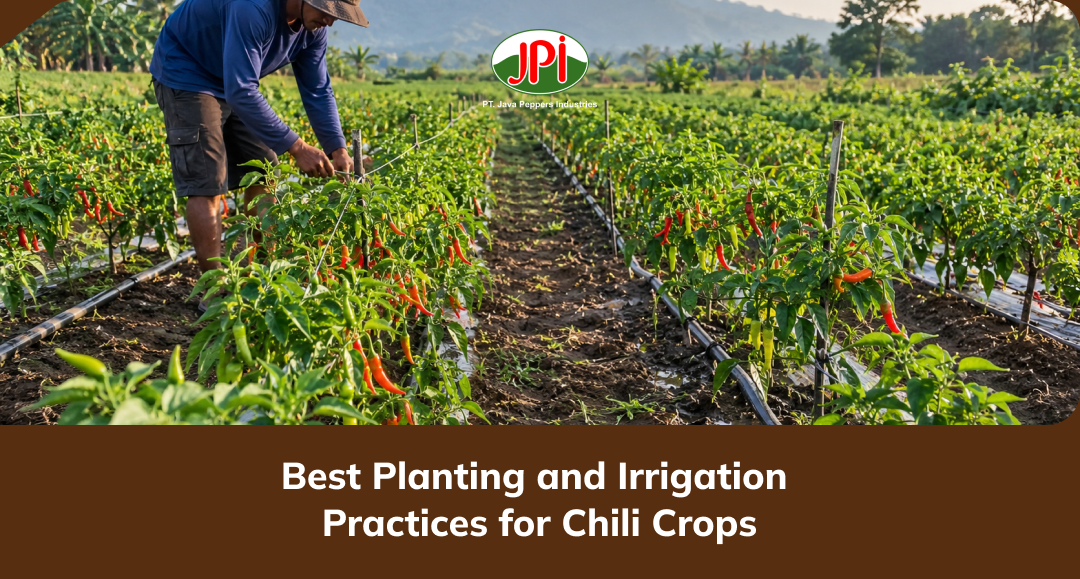
Try drip irrigation and mulch
Finally, drip lines deliver water right to the roots. Likewise, mulch keeps the soil cool and damp. Besides, it blocks weeds that steal nutrients. Consequently, you save water and time.
Tips to Maximize Chili Yield and Minimize Crop Loss
First, chilies need nitrogen early for leafy growth. Later, they need phosphorus and potassium for flowers and fruit. Also, compost adds slow, steady nutrition. Therefore, feed lightly every two to three weeks.
Watch for pests
Next, aphids, thrips, and mites love chili leaves. Meanwhile, they spread viruses that ruin your crop. Thus, check the undersides of leaves every week. Consequently, you catch problems early.
Prevent common diseases
Additionally, fungus and wilt hit chili farms often. Likewise, wet leaves make the problem worse. Therefore, water at the base instead of the leaves. Also, remove sick plants right away.
Rotate your crops
Besides, planting chilies in the same spot invites soil diseases. Instead, switch to beans or corn each season. Meanwhile, this break restores soil health. As a result, your next chili crop grows stronger.
Harvest at the right time
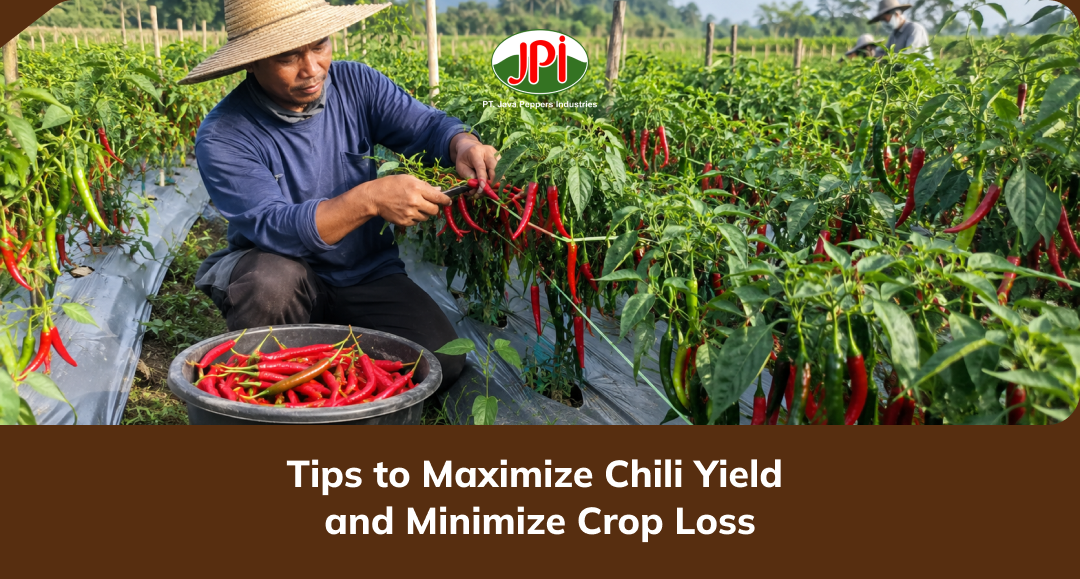
Finally, pick chilies when they reach full color and size. Also, frequent picking encourages the plant to make more fruit. However, leaving ripe chilies too long slows new flowers. So, harvest every few days.
So, these chili farming tips can boost your harvest and cut your losses. Start with loose, sunny, well-drained soil. Then, plant with care and water smartly. Finally, feed, protect, and harvest on time. Try these habits this season, and watch your chili crop thrive.
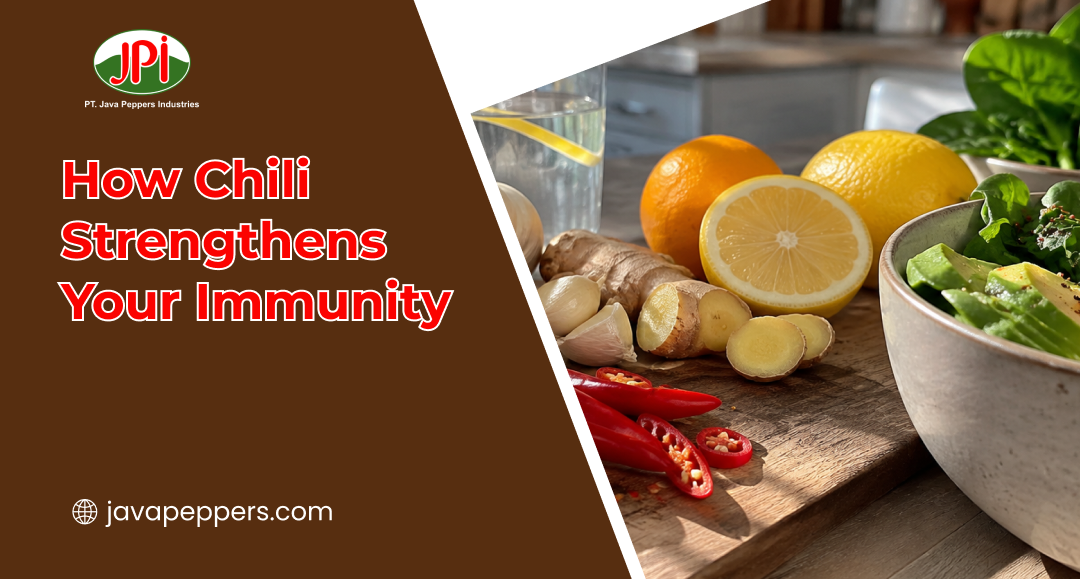
Chili Strengthens Your – Lately, health news keeps urging people to protect their immune systems. Naturally, many readers wonder if spicy food can help. Surprisingly, chili for immunity is a popular topic among nutrition fans. In this guide, we explain what chili offers and how to enjoy it. Plus, you will get simple tips to add heat to your plate safely.
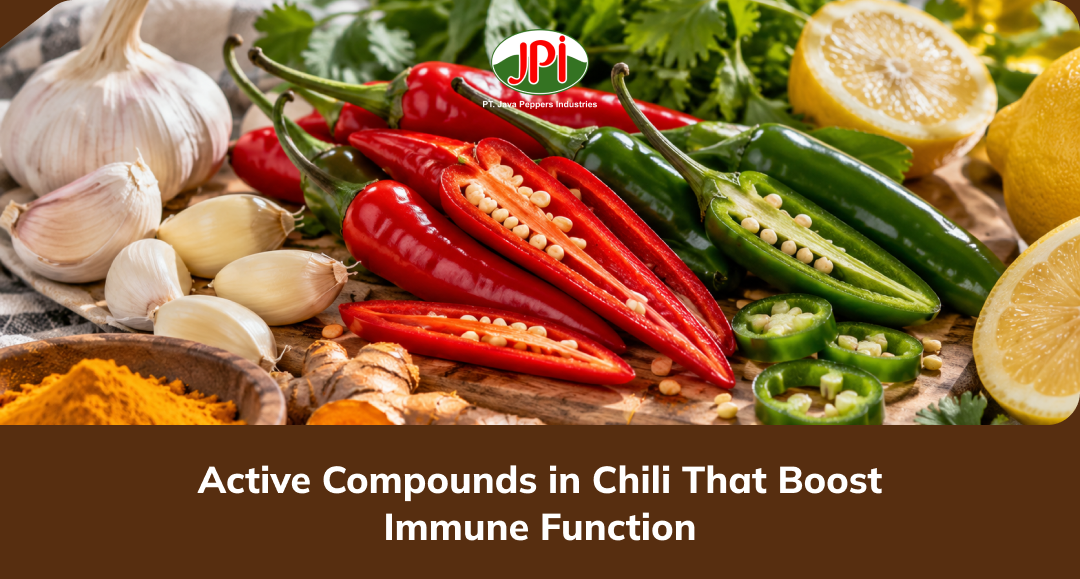
First, capsaicin gives chili its fiery kick. Also, it acts as an antioxidant in your body. Research suggests it may calm inflammation. Therefore, it plays a starring role in chili’s health reputation.
Vitamin C
Next, chili packs plenty of vitamin C. In fact, ripe red peppers often beat oranges by weight. Meanwhile, this vitamin helps white blood cells work well. Thus, a small pepper adds a real boost.
Vitamin A and beta-carotene
Additionally, red chilies carry beta-carotene, which your body turns into vitamin A. Likewise, this vitamin protects your skin and gut lining. Besides, those barriers block germs from entering. Consequently, you build a stronger first line of defense.
Flavonoids and antioxidants
Also, chili contains plant compounds that fight free radicals. Meanwhile, free radicals can wear down your cells over time. However, antioxidants help limit that damage. So, your body keeps working smoothly.
B vitamins and minerals
Moreover, chili offers vitamin B6 and a little potassium. Likewise, B6 supports the making of new immune cells. Still, chili works best as one part of a balanced diet. Therefore, pair it with other nutritious foods.
How Regular Chili Consumption Supports Your Immune System
First, long-term inflammation can weaken your defenses. Meanwhile, capsaicin may help keep it in check. As a result, your body saves energy for real threats. Still, more studies would confirm the full effect.
Clearing stuffy airways
Next, spicy food makes your nose run. Also, that runny nose helps flush out mucus and irritants. Therefore, many people feel relief during a cold. However, chili does not cure infections.
Supporting gut health
Additionally, a healthy gut houses much of your immune system. Likewise, some studies link moderate chili intake with a friendly gut balance. Meanwhile, fiber from fresh peppers feeds good bacteria. Consequently, your digestion and defenses both benefit.
Boosting circulation
Also, chili warms your body and widens blood vessels. Thus, blood carries immune cells around faster. Besides, better flow helps nutrients reach your tissues. Overall, you may feel more energized.
Building a steady habit
Finally, small daily portions work better than rare spicy feasts. Likewise, your taste buds adjust and enjoy more flavor over time. However, extreme heat can upset your stomach. Therefore, start mild and build slowly.
Best Ways to Eat Chili for Maximum Immunity Benefits
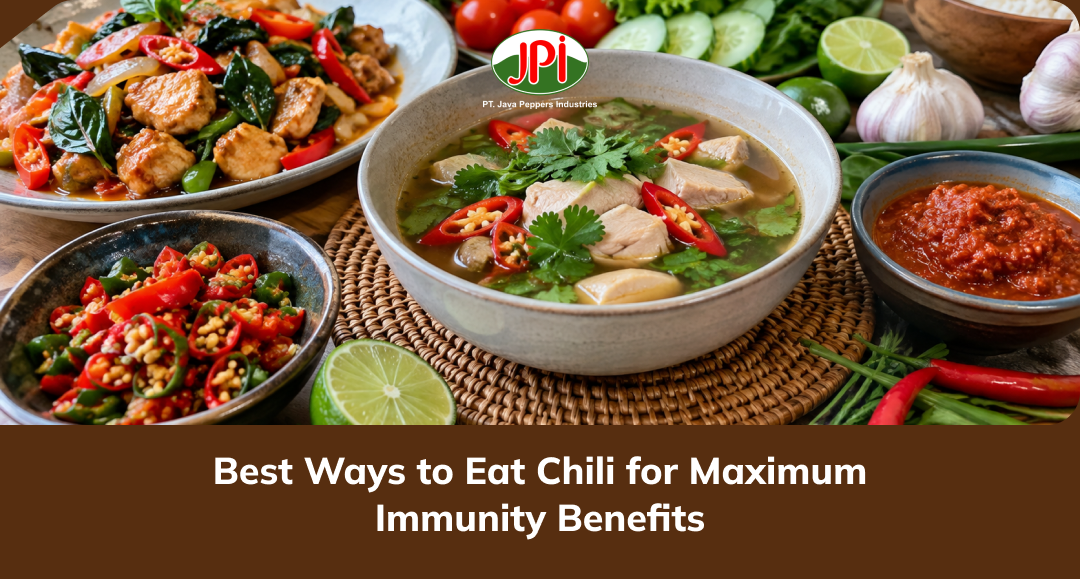
First, raw chili keeps the most vitamin C. Also, slices add crunch to salads and sandwiches. Meanwhile, heat and long cooking reduce some vitamins. Thus, add fresh peppers at the end.
Blend it into sauces
Next, homemade chili sauce puts flavor on everything. Likewise, blending tomatoes, garlic, and chili creates a powerful mix. Moreover, you control the salt and sugar. Consequently, your sauce stays healthier than most bottled ones.
Add it to warm soups
Additionally, chili gives soup a comforting kick. Meanwhile, ginger and garlic boost the immune-friendly effect. Also, hot broth soothes a sore throat. Therefore, try it when you feel under the weather. Pair it with healthy fats. Besides, vitamin A absorbs better with a little fat. For example, drizzle olive oil over roasted peppers. Likewise, add avocado to a spicy bowl. As a result, your body soaks up more nutrients.
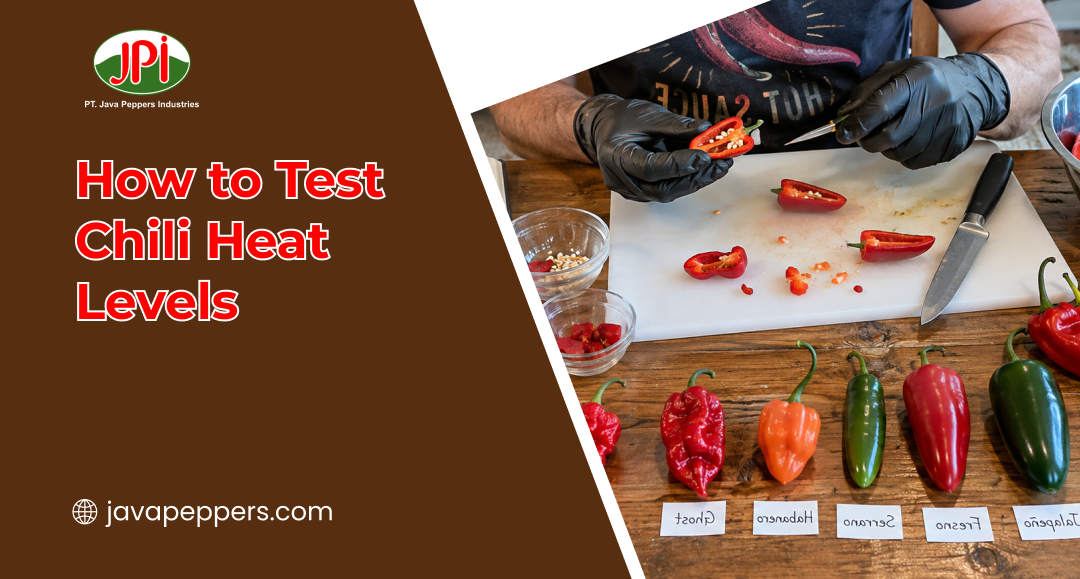
How to Test Chili Heat Levels – Pepper X just broke the internet again. This super-hot pepper now holds the world record at nearly 2.7 million Scoville Heat Units. So, spice lovers everywhere started asking one question: how do experts actually measure that burn?
Honestly, most people assume it’s just guesswork. However, real science backs every single heat rating out there. This article breaks down exactly how to test chili heat, from lab tools to kitchen tricks. So, whether you’re curious or cautious, you’ll walk away with clear answers.
First, Wilbur Scoville created this scale back in 1912. Interestingly, he wanted a simple way to rank pepper strength. So, his method became the industry standard almost instantly. Today, his name still defines spicy food conversations everywhere.
Taste testers did the original work.
Originally, human tasters sipped diluted pepper extract repeatedly. Then, researchers counted dilutions until the heat disappeared completely. Therefore, more dilutions meant a hotter original pepper. Clearly, this method relied heavily on human perception.
SHU numbers tell the real story.
Meanwhile, Scoville Heat Units measure exact capsaicin concentration levels. Basically, higher SHU numbers always mean spicier peppers. For example, bell peppers sit at zero SHU. Meanwhile, Pepper X reaches nearly 2.7 million SHU.
Dilution reveals hidden intensity.
Also, one part capsaicin per million roughly equals fifteen SHU. So, scientists still reference this ratio during calculations today. Consequently, even tiny capsaicin traces produce measurable heat ratings. Basically, chemistry explains why peppers feel so different.
The scale still matters today.
Finally, chefs and brands rely on SHU for consistent labeling. Without it, comparing hot sauces would feel completely random. Therefore, the Scoville scale remains culinary shorthand worldwide. Overall, it turned subjective heat into a shared language.
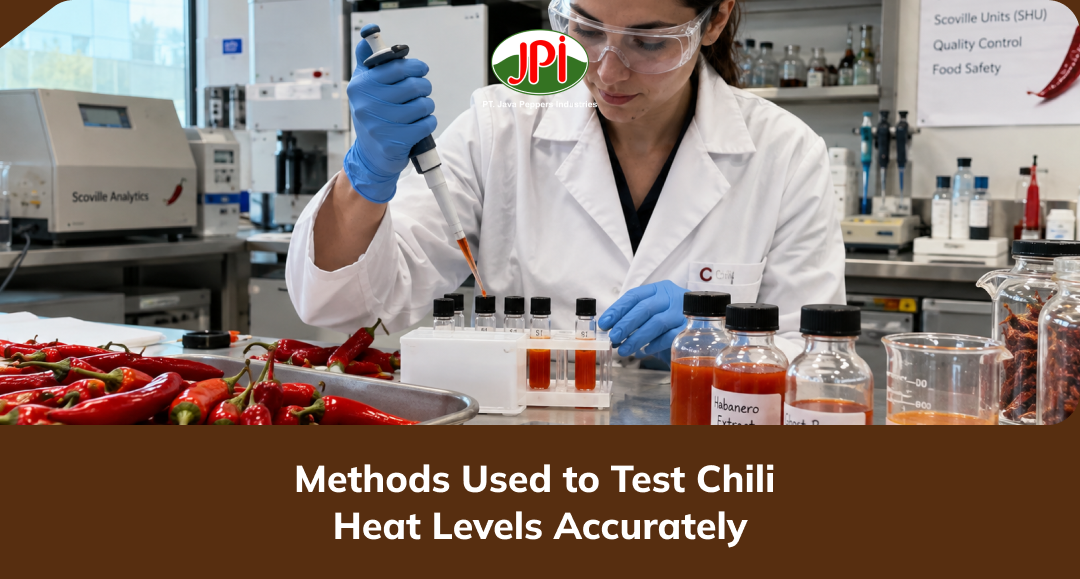
Methods Used to Test Chili Heat Levels Accurately
methods_used_to_test_chili_heat_levels_accurately
HPLC replaced human tasting.
First, modern labs now use high-performance liquid chromatography instead. This method, called HPLC, removes human error completely. Therefore, results stay consistent across different testing sessions. Basically, machines now do what tongues once attempted.
Capsaicin gets measured directly.
Also, HPLC isolates capsaicin molecules within each chili sample. Then, sensors calculate exact chemical concentration in parts per million. Consequently, scientists convert that number into standard SHU ratings. Honestly, this process removes all guesswork entirely.
Comparing peppers becomes simple.
Meanwhile, accurate lab data lets brands compare varieties fairly. So, a jalapeño and habanero get ranked using identical standards. Thus, consumers trust printed heat levels on packaging. Clearly, consistency builds confidence across the entire industry.
Certified labs handle serious testing.
Additionally, food companies send samples to accredited testing facilities. These labs follow strict protocols for every single batch. Therefore, results remain reliable for commercial hot sauce production. Basically, professional testing protects both brands and buyers.
Lab testing still has limits.
Finally, HPLC measures chemical heat, not personal taste experience. However, texture, oils, and sauce ingredients also affect perceived spice. So, two products with equal SHU can taste totally different. Overall, science explains chemistry, not every sensation.
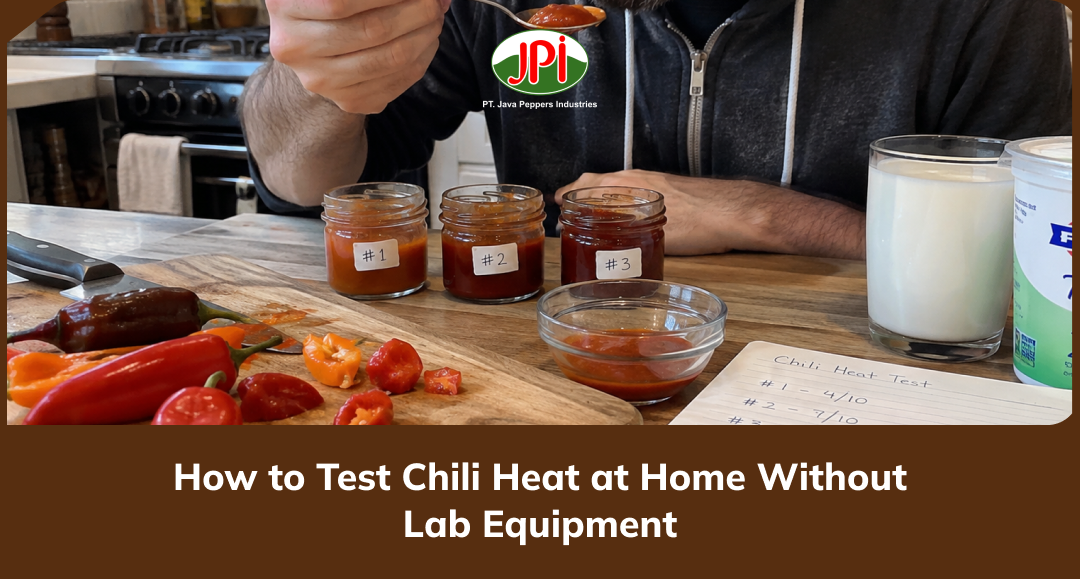
How to Test Chili Heat at Home Without Lab Equipment
First, cut a small piece and touch it to your tongue. Then, wait several seconds before judging the actual heat. Meanwhile, avoid biting a whole pepper immediately. Honestly, patience prevents unnecessary regret during this step.
Smell often hints at strength.
Also, sharper, more pungent aromas usually suggest stronger heat levels. So, give your pepper a quick sniff before tasting. Meanwhile, milder peppers typically smell more subtle and sweet. Basically, your nose offers useful early warning signs.
Watch color and size clues.
Additionally, smaller, thinner peppers often pack surprisingly intense heat. Meanwhile, size alone never guarantees a mild or spicy result. So, research the specific variety before assuming anything. Clearly, appearance only tells part of the story.
Use trusted SHU reference charts.
Furthermore, online charts list approximate ratings for common pepper varieties. So, compare your pepper type against known Scoville ranges. Consequently, you’ll get a rough heat estimate instantly. Honestly, this shortcut works well for casual cooking.
Try a simple dilution trick.
Finally, mix chopped pepper with water, then taste gradually. Add more water until the burn feels manageable. Therefore, you’ll sense relative heat without fancy lab tools. Overall, this old-school method still works surprisingly well.
So, now you know how to test chili heat like a pro. Clearly, the Scoville scale gave spice culture its first real language. Meanwhile, HPLC technology made modern measurements far more precise. Still, home methods work fine for everyday cooking decisions. However, always respect intense peppers, especially record-holders like Pepper X.