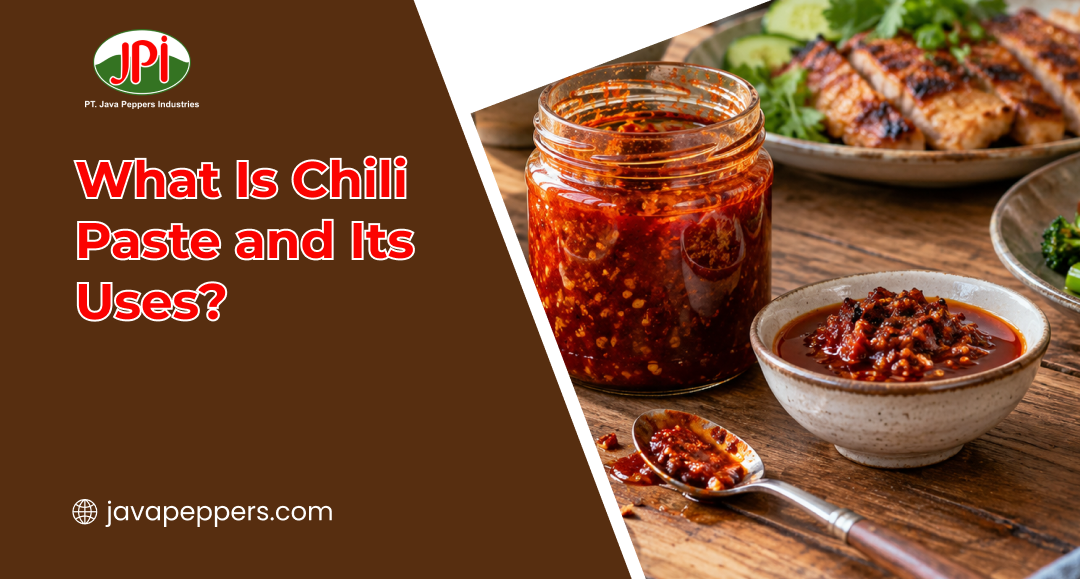
What Is Chili Paste – Right now, spicy condiments are taking over grocery shelves. In fact, chili crisp, gochujang, and kimchi are all trending in 2026, and US gochujang launches jumped 120% year over year. So, many shoppers keep asking, what is chili paste? This guide gives you a simple answer. Plus, you get handy tips to cook with it.
How Chili Paste Is Made: Simple Ingredients, Big Flavor
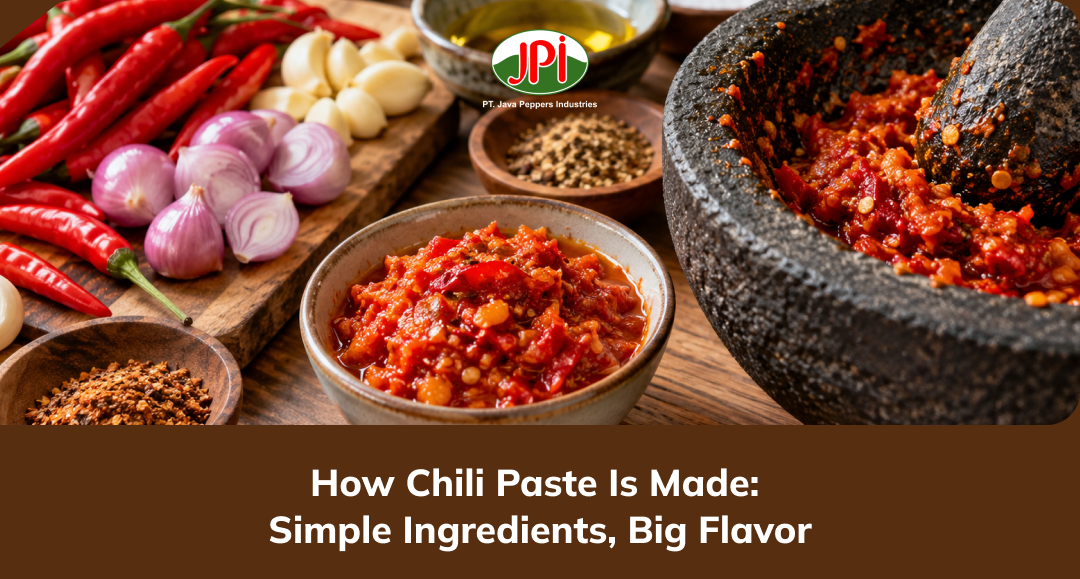
How Chili Paste Is Made: Simple Ingredients, Big Flavor
Fresh chilies as the base
Chili paste is a thick mixture made primarily from fresh or dried chilies. To prepare it, cooks remove the stems and grind the chilies into a coarse or smooth paste. The type of chili determines the paste’s color, flavor, and heat level. Red chilies, for example, create a vibrant paste that works well in many dishes.
Salt and food preservation
Salt adds flavor and can help slow the growth of some microorganisms. However, adding a little salt does not automatically make homemade chili paste safe to store for weeks. Fresh chili paste should be kept in a clean, airtight container in the refrigerator and handled with a clean utensil. For longer storage, freezing is a practical option.
Garlic, ginger, and aromatics
Many chili paste recipes include garlic, ginger, or shallots to create a richer flavor. Some regional varieties also use ingredients such as lemongrass, galangal, or shrimp paste. These additions give each recipe its own aroma and taste. The ingredients can be adjusted to suit different cuisines and personal preferences.
Vinegar, sugar, or fermentation
Some cooks add vinegar to give chili paste a tangy flavor, while sugar can balance its heat. Other recipes use fermentation to develop a deeper, more complex taste. Each method produces a different flavor and texture. However, fermented chili paste requires an appropriate recipe and process to ensure food safety.
Easy home method
Making chili paste at home requires only a few basic ingredients. Blend fresh chilies with garlic and a little salt until the mixture reaches your preferred texture. You can then cook it in a small amount of oil to develop its flavor. Transfer the cooled paste to a clean container and refrigerate it promptly.
Chili Paste vs. Chili Sauce: What’s the Difference?
chili_paste_vs_chili_sauce_what_s_the_difference_
Texture
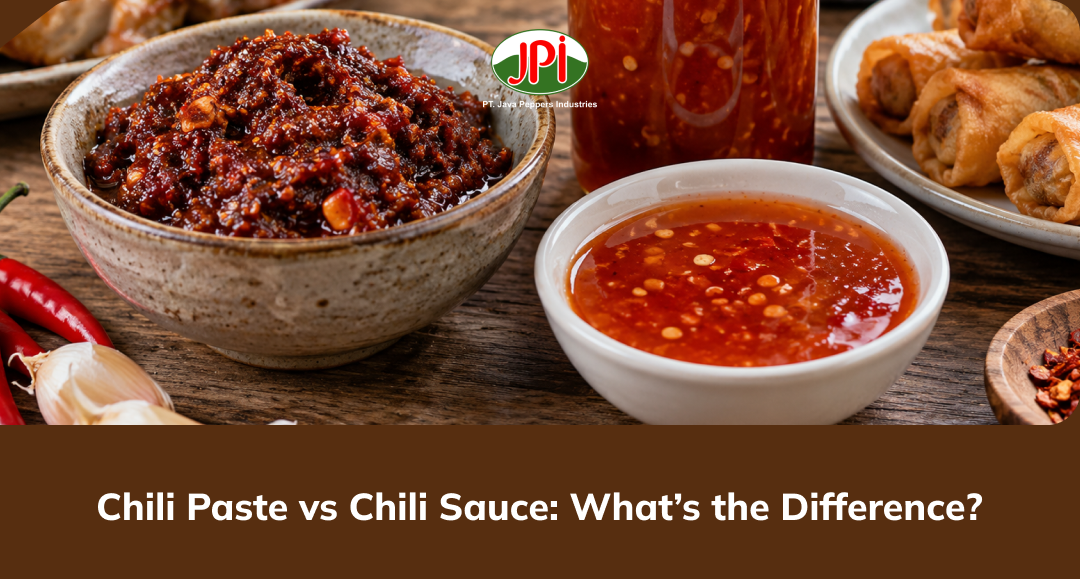
Chili paste is generally thicker than chili sauce and may contain visible pieces of chili. Chili sauce is often smoother and easier to pour. The difference depends on how finely the ingredients are blended and how much liquid is added.
Heat level
Chili paste can taste intensely spicy because chilies make up a large part of the mixture. Chili sauce may be milder when it contains more water, sugar, or other ingredients. However, neither product is always hotter than the other. Check the ingredients and taste a small amount to determine the heat level.
Ingredients
Many chili pastes contain chilies combined with ingredients such as garlic, salt, or spices. Chili sauces may include vinegar, sugar, water, and additional seasonings. Some products contain similar ingredients but differ in their proportions and preparation methods. Reading the label helps you choose the right flavor for your recipe.
Cooking role
Cooks often use chili paste as a base for stir-fries, curries, soups, and marinades. Chili sauce is commonly served as a condiment or dipping sauce. However, the two can be interchangeable in some recipes if you adjust the amount of liquid and seasoning.
Storage and shelf life
The storage life of chili paste and chili sauce depends on their ingredients, acidity, processing, and packaging. Homemade chili paste generally requires refrigeration, while commercially produced sauces may last longer when unopened. Follow the storage instructions on the product label and refrigerate it after opening when directed.
Creative Ways to Use Chili Paste in Everyday Cooking
creative_ways_to_use_chili_paste_in_everyday_cooking
Stir-fries and noodles
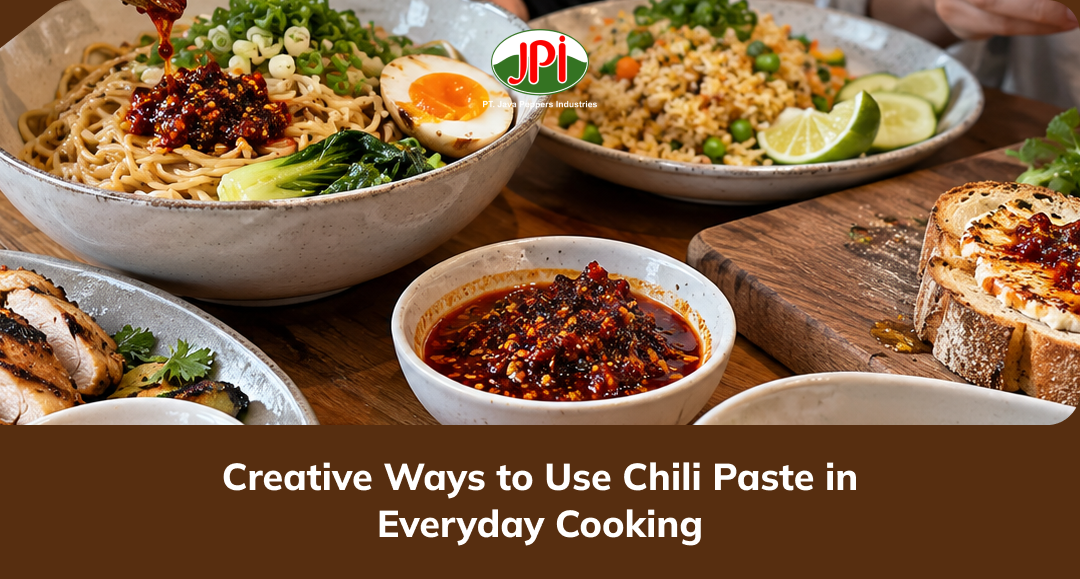
Add a spoonful of chili paste to hot oil before tossing in vegetables, noodles, or protein. Cooking the paste briefly helps release its aroma and distribute the flavor throughout the dish. You can combine it with soy sauce for a savory finish.
Marinades and rubs
Mix chili paste with soy sauce, honey, or other seasonings to make a flavorful marinade. Coat chicken, tofu, or vegetables before grilling, roasting, or pan-frying. For food safety, marinate perishable ingredients in the refrigerator rather than at room temperature. Discard leftover marinade that has touched raw meat unless you cook it thoroughly first.
Soups and stews
A small amount of chili paste can add warmth and depth to soups and stews. Stir it into ramen broth, tomato soup, or curry while cooking. Start with a little, then add more after tasting the broth. This approach helps prevent the heat from overpowering the other ingredients.
Dips and dressings
Mix chili paste with mayonnaise to make a spicy dip for fries or sandwiches. For a lighter option, combine it with plain yogurt and a squeeze of lime juice. You can also whisk a small amount into a salad dressing. These combinations balance chili heat with creamy or tangy flavors.
Eggs, sandwiches, and snacks
Chili paste can give simple meals an extra kick. Spread a little inside sandwiches and wraps, or serve it alongside fried eggs. You can also mix a small amount into melted butter for a spicy popcorn topping. Adjust the quantity to complement the other flavors without overwhelming the dish.
Read More : Exploring Different Chili Flavor Profiles
Let’s order via the button below now!

Conclusion
Chili paste is a thick chili-based mixture that adds heat, color, and flavor to everyday cooking. Its ingredients can include garlic, ginger, salt, vinegar, and other seasonings, depending on the recipe. Compared with chili sauce, it is often thicker and commonly used as a cooking base.