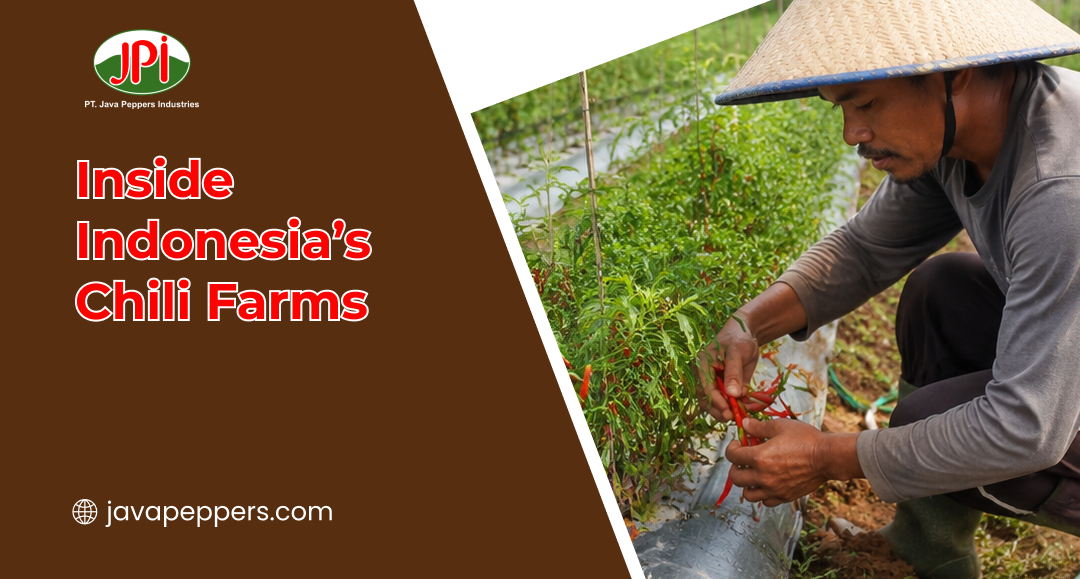
Chili Farm Indonesia – Spicy food lovers rarely think about where their chilies actually come from. Behind every fiery dish sits a hardworking chili farm Indonesia depends on. This archipelago nation ranks among the top chili-growing countries in the world. Its warm weather and rich volcanic soil create perfect growing conditions. Meanwhile, countless farming families rely on this crop for daily income. This article walks through farming methods, leading regions, and current industry struggles. By the end, you’ll gain a deeper appreciation for this small but mighty pepper.
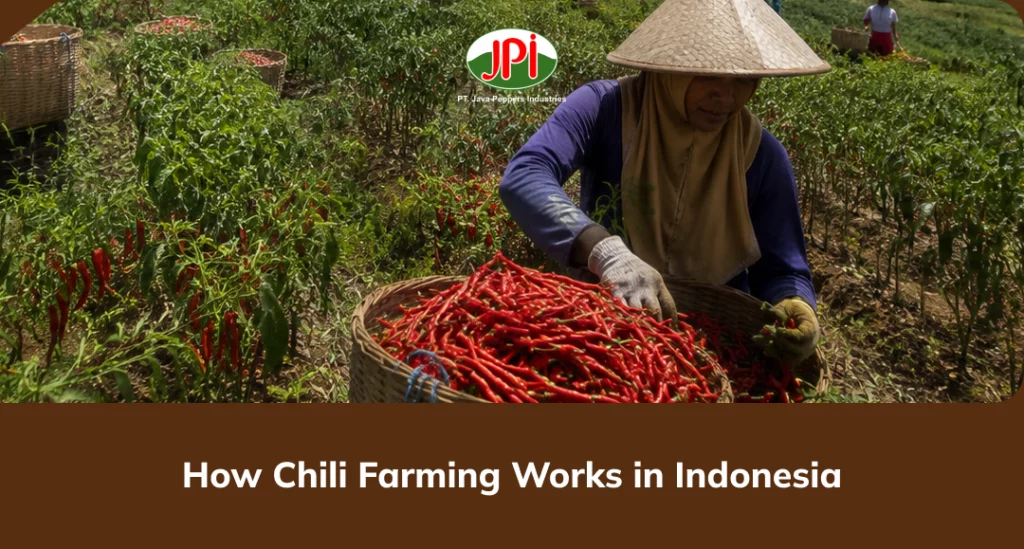
How Farming Works on a Chili Farm Indonesia Relies On
how_chili_farming_works_in_indonesia
Choosing the Right Seed Variety
First, farmers choose chili seeds that match the local climate and soil conditions. Healthy seeds help plants grow stronger from the beginning. In addition, selecting the right variety can increase harvest quality and yield. Therefore, choosing good seeds is an important first step in chili farming.
Preparing Healthy Soil Beds
Second, farmers prepare the soil before planting the seedlings. They loosen the soil and add compost or fertilizer to improve its quality. In addition, good drainage helps prevent water from collecting around the roots. As a result, chili plants can grow healthier and stronger.
Transplanting and Proper Spacing
Third, young chili plants are transplanted with enough space between each plant. Proper spacing allows sunlight and air to reach every plant. In addition, it helps reduce the spread of pests and diseases. Therefore, the plants can grow more evenly and produce better harvests.
Managing Water Supply Efficiently
Fourth, chili plants need enough water to grow well, especially during dry weather. However, too much water can damage the roots and slow plant growth. In addition, many farmers use drip irrigation to save water and improve efficiency. As a result, the plants receive the right amount of moisture.
Timing the Harvest Correctly
Fifth, farmers harvest chilies when the fruits reach their best color and size. Picking them at the right time improves their quality and market value. In addition, careful harvesting helps prevent damage to the fruit. Therefore, farmers can sell fresher and higher-quality chilies.
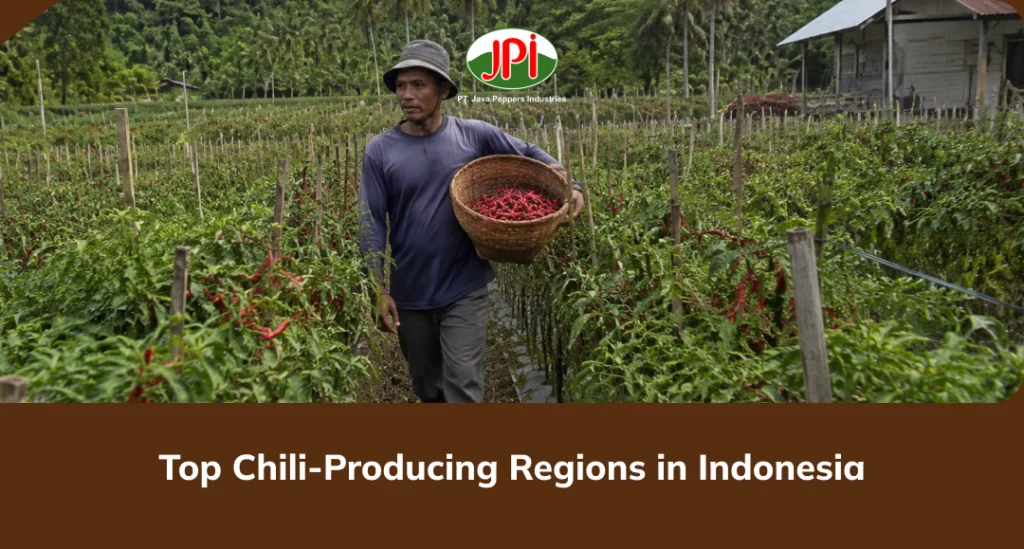
Top Chili-Producing Regions in Indonesia
top_chili_producing_regions_in_indonesia
West Java’s Cool Highlands
First, West Java is one of Indonesia’s main chili-producing regions. Its cool climate supports healthy chili plant growth throughout the year. In addition, the region has easy access to many large markets. Therefore, West Java plays an important role in supplying fresh chilies.
Central Java’s Family Farms
Second, Central Java is known for its many family-owned chili farms. Farming knowledge is often passed down from one generation to the next. In addition, many farmers combine traditional methods with modern techniques. As a result, the region continues to produce high-quality chilies.
East Java’s Massive Output
Third, East Java produces a large share of Indonesia’s chili harvest. The region has many commercial farms with high production capacity. In addition, good transportation helps distribute chilies across the country. Therefore, East Java is an important center for chili production.
North Sumatra’s Rising Industry
Fourth, North Sumatra has expanded its chili farming industry in recent years. Farmers continue to improve production despite changing weather conditions. In addition, some growers use greenhouse farming to protect their crops. As a result, the region is becoming a stronger producer of chilies.
Bali’s Niche Organic Farms
Fifth, Bali is known for its organic chili farms that focus on sustainable farming. Many farms supply fresh chilies to local restaurants and hotels. In addition, the demand for organic products continues to grow. Therefore, Bali has created a unique place in Indonesia’s chili industry.
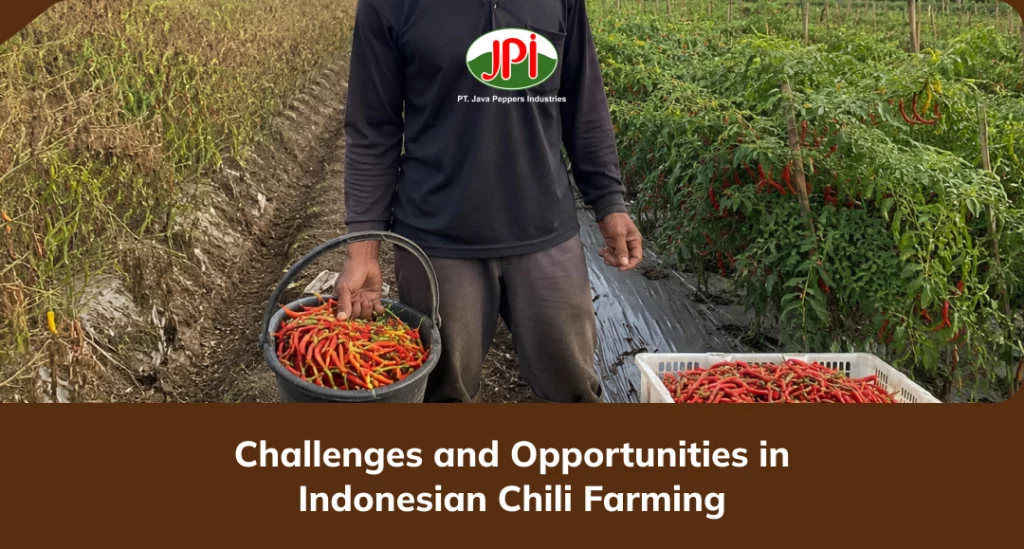
Challenges and Opportunities in Indonesian Chili Farming
First, changing weather patterns make chili farming more challenging each year. Heavy rain or long dry seasons can affect plant growth and harvests. In addition, unpredictable weather makes planting schedules harder to plan. Therefore, farmers must adapt to changing climate conditions.
Dealing with Price Fluctuations
Second, chili prices often change quickly depending on market supply and demand. High production can cause prices to fall, while low supply can increase prices. In addition, these changes make farmers’ income less predictable. As a result, many farmers look for ways to reduce financial risks.
Controlling Pests and Plant Diseases
Third, chili plants are vulnerable to pests and plant diseases throughout the growing season. Farmers need to check their fields regularly to detect problems early. In addition, using proper pest management helps reduce crop damage. Therefore, healthy plants can produce better harvests.
Improving Access to Technology
Fourth, many small-scale farmers are starting to use modern farming technology. Better equipment and training help improve farming efficiency. In addition, new irrigation systems can save water and increase productivity. As a result, farmers can achieve better harvests with fewer resources.
Tapping into Export Markets
Fifth, Indonesian chilies have growing opportunities in international markets. Higher product quality helps local farmers compete with producers from other countries. In addition, exporting can increase farmers’ income and expand business opportunities. Therefore, the export market offers strong potential for the future of Indonesia’s chili industry.
Monsera Chili Sauce, Authentic Indonesian Chili Sauce
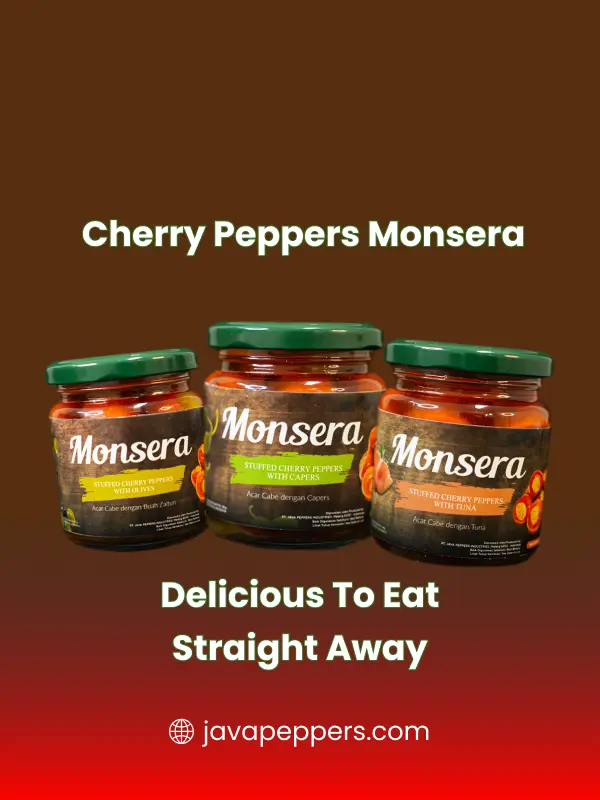
No longer need to buy an expensive plane ticket to Jakarta or Bali to experience the thrilling world of authentic Indonesian spice. Monsera Chili Sauce packages the vibrant culture, rich agricultural heritage, and bold flavors of the archipelago into an easy-to-use, premium product.
Stop settling for bland, uninspiring meals that lack character. Grab your favorite variant of Monsera Chili Sauce from your local international market or order a jar online today. Take active control of your kitchen, shock your taste buds with genuine Indonesian heat, and elevate your home cooking to extraordinary new heights!
Monsera Chili Sauce is crafted to represent authentic Indonesian flavors, and it offers a smooth balance of heat and richness. Additionally, the sauce is suitable for daily use, which makes it ideal for beginners exploring spicy food.
Let’s order via the button below now!
Conclusion
Overall, a chili farm Indonesia nurtures reflects tradition, resilience, and steady innovation. Additionally, each growing region brings its own strengths to the national supply. Despite real challenges, fresh opportunities keep opening up across the industry. So, the next time you taste sambal, think of the farmers behind that heat.
Bell pepper nutrition has become a hot topic among health-conscious eaters today. This colorful vegetable actually packs surprising benefits for your body. Furthermore, bell peppers are easy to cook into countless tasty dishes. Therefore, many nutritionists recommend adding this vegetable to your daily meals. This article explores the benefits, nutrition facts, and the healthiest bell pepper color. As a result, you can choose the right bell pepper for your body’s needs.
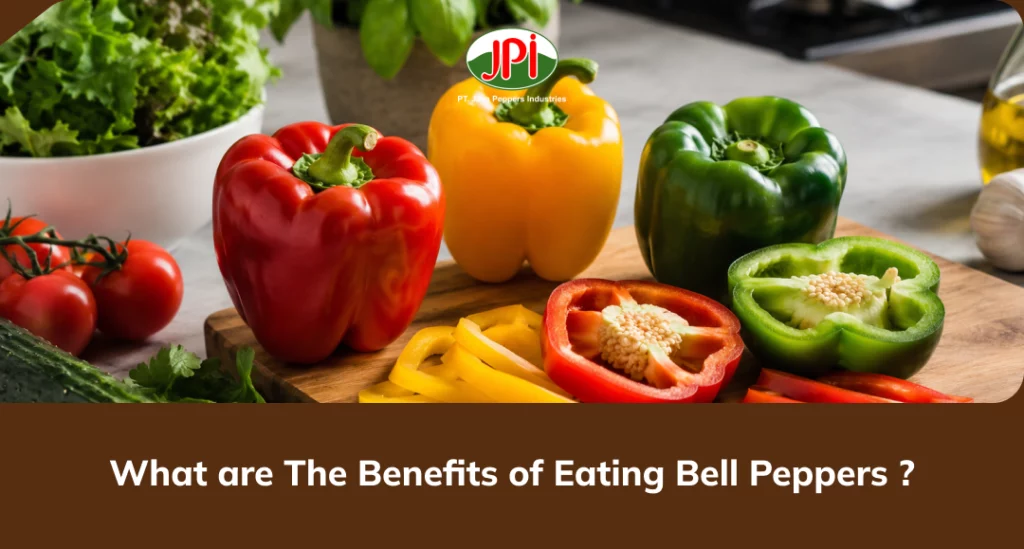
What Are the Benefits of Eating Bell Peppers?
what_are_the_benefits_of_eating_bell_peppers_
Boosting Your Immune System
First, bell peppers are rich in vitamin C, which helps support your immune system. This vitamin helps your body fight germs and infections more effectively. In addition, eating bell peppers regularly may help reduce the risk of getting sick. As a result, your body stays healthier throughout the year.
Supporting Eye Health
Second, bell peppers contain vitamin A and beta-carotene that are good for your eyes. These nutrients help keep your vision clear and healthy. In addition, they may help protect your eyes as you get older. Therefore, bell peppers are a great choice for maintaining eye health.
Helping With Weight Management
Third, bell peppers are low in calories and high in fiber. Fiber helps you feel full for a longer time after eating. In addition, this can help reduce unnecessary snacking throughout the day. As a result, bell peppers fit well into a healthy weight management plan.
Reducing Inflammation Risk
Fourth, bell peppers contain antioxidants that help protect your body’s cells. These antioxidants help reduce inflammation caused by free radicals. In addition, they may lower the risk of developing certain chronic diseases. Therefore, eating bell peppers can support better long-term health.
Promoting Heart Health
Fifth, bell peppers provide potassium, which is important for heart health. Potassium helps maintain healthy blood pressure and supports normal heart function. In addition, it helps your muscles and nerves work properly. As a result, bell peppers can be part of a heart-friendly diet.
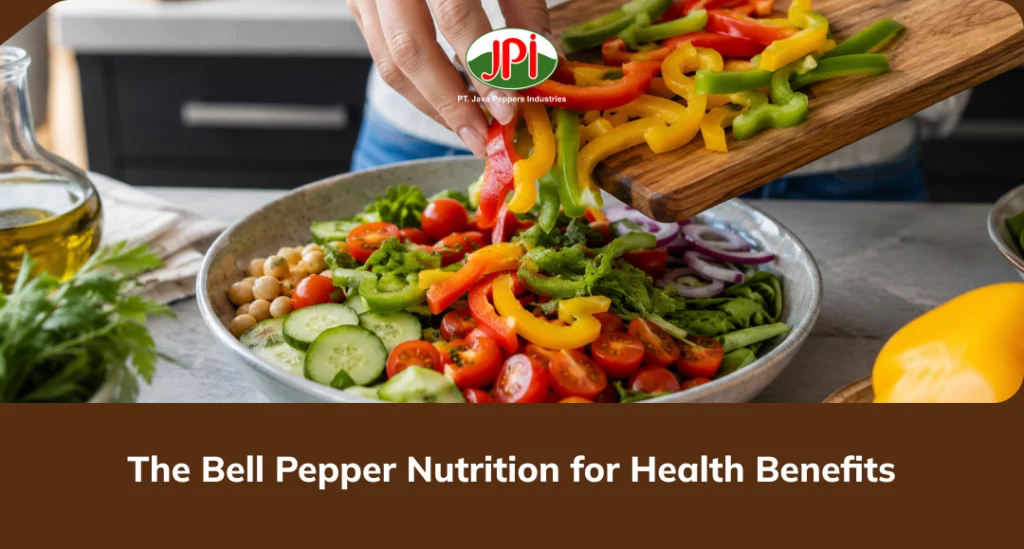
The Bell Pepper Nutrition for Health Benefits
the_bell_pepper_nutrition_for_health_benefits
High Vitamin C Content
First, bell peppers are an excellent source of vitamin C. They contain enough vitamin C to help meet your daily nutritional needs. In addition, vitamin C supports healthy skin and a strong immune system. As a result, your body stays healthier and more energized.
A Natural Source of Fiber
Second, bell peppers provide fiber that supports healthy digestion. Fiber helps food move through your digestive system more easily. In addition, it supports the growth of healthy bacteria in your gut. Therefore, your digestive system can work more efficiently.
Rich in Carotenoid Antioxidants
Third, bell peppers contain carotenoids such as lutein and zeaxanthin. These antioxidants help protect your eyes from daily damage. In addition, they may reduce the risk of age-related vision problems. As a result, your eyes can stay healthier over time.
Low in Calories and Fat
Fourth, bell peppers are naturally low in calories and fat. This makes them a great option for people who want to eat healthier. In addition, they provide important nutrients without adding many calories. Therefore, you can enjoy them as part of a balanced diet.
Packed With Essential Minerals
Fifth, bell peppers contain important minerals like potassium and magnesium. These minerals help support healthy muscles and nerve function. In addition, they play a role in keeping your body active throughout the day. As a result, you can maintain better overall health.
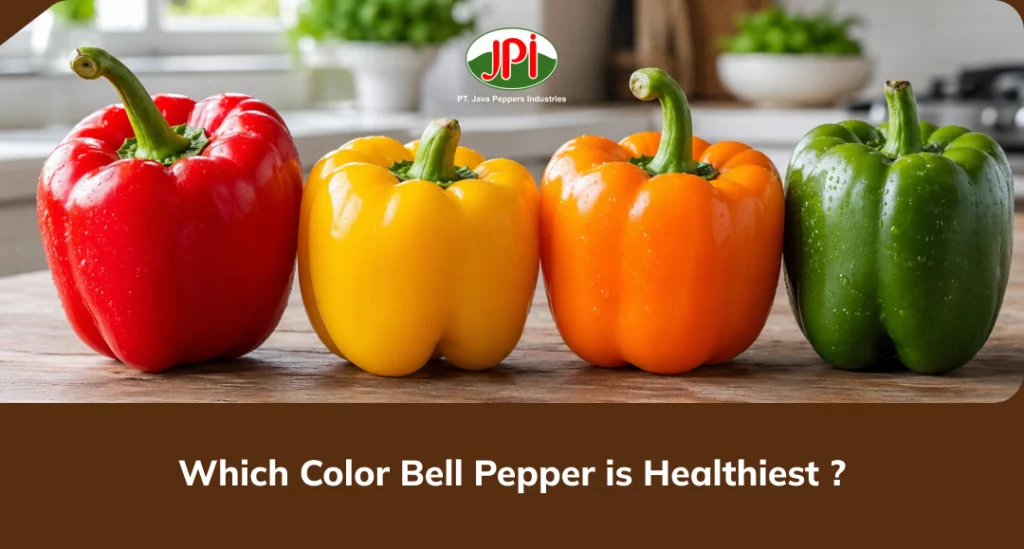
Which Color Bell Pepper Is Healthiest?
which_color_bell_pepper_is_healthiest_
Red Bell Pepper
First, red bell peppers contain the highest amount of vitamin C among all colors. They are fully ripened, making their nutrient content higher. In addition, they are rich in antioxidants that help protect the body. As a result, red bell peppers are often considered the healthiest choice.
Yellow Bell Pepper
Second, yellow bell peppers are also high in vitamin C and other nutrients. They have a naturally sweet flavor that many people enjoy. In addition, they contain antioxidants that support overall health. Therefore, they are a healthy option for salads and snacks.
Orange Bell Pepper
Third, orange bell peppers provide plenty of vitamin A for healthy vision. They also have a sweet and fresh taste that is easy to enjoy. In addition, their bright color makes meals look more appealing. As a result, they are a popular choice for healthy recipes.
Green Bell Pepper
Fourth, green bell peppers are harvested before they fully ripen. They have a slightly bitter taste compared to other colors. In addition, they contain fewer natural sugars, making them suitable for savory dishes. Therefore, they are often used in stir-fries and cooked meals.
Red Bell Pepper
Fifth, purple bell peppers contain anthocyanins, which are natural antioxidants. These antioxidants help protect the body’s cells from damage. In addition, purple bell peppers have a unique appearance that makes meals more colorful. As a result, they are a nutritious and attractive addition to many dishes.
Achieving international success requires more than just finding a buyer; it demands that you deliver flawless execution every single time. By actively standardizing processing methods, upgrading shipping packaging, securing bulletproof documentation, and empowering staff, you build an unbeatable defensive wall around product’s integrity.
Monsera Chili Sauce, Authentic Indonesian Chili Sauce
No longer need to buy an expensive plane ticket to Jakarta or Bali to experience the thrilling world of authentic Indonesian spice. Monsera Chili Sauce packages the vibrant culture, rich agricultural heritage, and bold flavors of the archipelago into an easy-to-use, premium product.
Stop settling for bland, uninspiring meals that lack character. Grab your favorite variant of Monsera Chili Sauce from your local international market or order a jar online today. Take active control of your kitchen, shock your taste buds with genuine Indonesian heat, and elevate your home cooking to extraordinary new heights!
Monsera Chili Sauce is crafted to represent authentic Indonesian flavors, and it offers a smooth balance of heat and richness. Additionally, the sauce is suitable for daily use, which makes it ideal for beginners exploring spicy food.
Let’s order via the button below now!
Conclusion
Overall, bell pepper nutrition offers plenty of benefits for your overall health. Additionally, each bell pepper color carries its own unique nutritional strengths. Therefore, eating a variety of colors can provide more complete nutritional value. By adding this vegetable to your daily meals, your body gains optimal vitamins
Mastering the best chili drying techniques for export ensures that produce meets strict international quality standards, preserves its vibrant color, and retains its pungent heat profile. By actively controlling moisture removal through advanced solar drying, dehydration tunnels, or precise mechanical heat systems, exporters can completely eliminate aflatoxin risks and prevent mold growth during long transoceanic transits. Implementing these premium drying methods directly upgrades product’s market value, locks in essential capsaicin levels, and guarantees a shelf-stable commodity that global buyers demand.
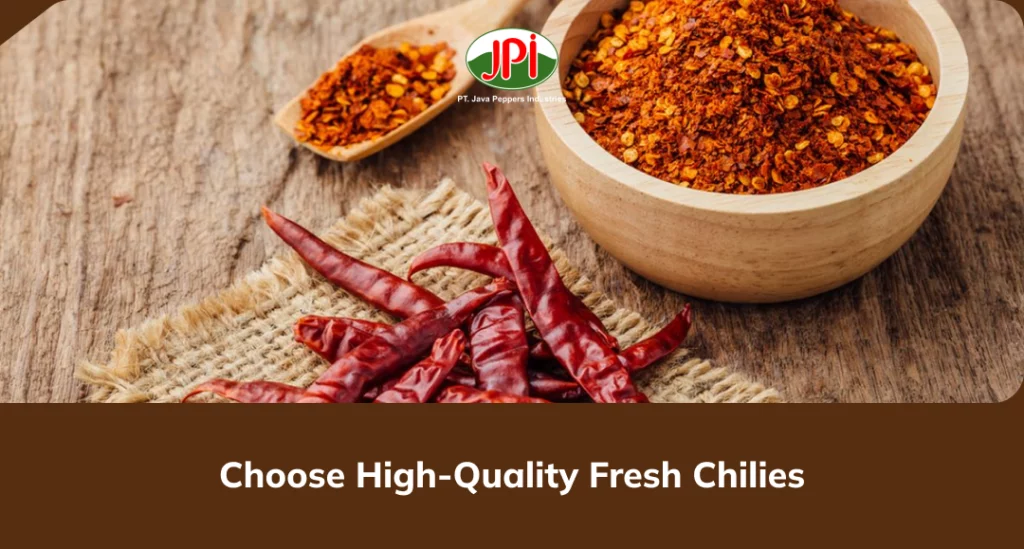
Choose High Quality Fresh Chilies
Choosing high-quality fresh chilies is an art that anyone can master. When you actively select the best peppers, you improve the taste of food, extend the shelf life of groceries, and get the most value for money. Let’s dive into the ultimate guide on how to spot and choose premium fresh chilies every single time!
Look Closely: Inspect the Visual Clues
Touch and Feel: Test the Firmness
Don’t Ignore the Stem: The Vital Freshness Indicator
Weight Matters: Heavy Means Juicy
Smart Storage: Lock in the Freshness at Home
Dishes only taste as good as the ingredients you put into them. By taking an extra minute to check the skin, feel the firmness, and inspect the stems, you confidently buy the freshest, most flavorful ingredients available.
Choosing high-quality fresh chilies elevates culinary creations, respects household budget, and keeps family meals vibrant and exciting. Visit local farmer’s market or grocery store today, apply these quick tips, and taste the difference that true freshness brings to kitchen!
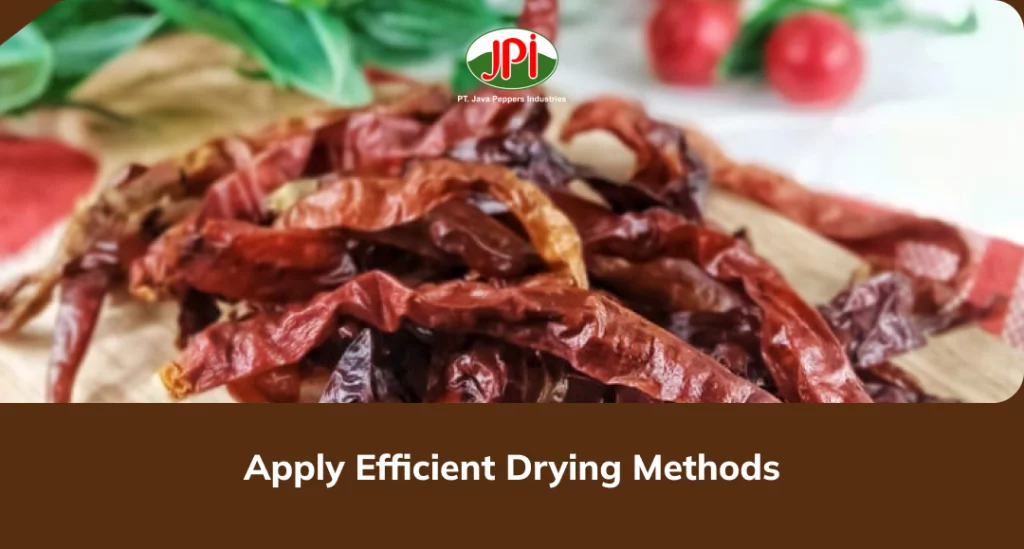
Apply Efficient Drying Methods
Drying does more than just remove water; it stabilizes product. When you lower the moisture content to the correct level, you stop the growth of mold, bacteria, and yeast. These microscopic threats love damp, warm environments. If you dry product too slowly or inefficiently, you create the perfect breeding ground for decay.
The Three Pillars of Efficient Drying
No matter which method you choose, you must balance three critical variables to achieve success: Heat, Airflow, and Time.
1. Optimize Airflow
Stagnant air ruins drying operations. Air acts as a sponge—it absorbs moisture from the surface of product and carries it away. If air moves too slowly, it becomes saturated with water vapor and stops absorbing. Keep the air moving constantly across the entire surface area of crop.
2. Manage Temperature
Temperature dictates the rate of evaporation. As you raise the temperature, water molecules move faster and escape the product more quickly. However, you must avoid “case hardening,” a condition where the outer layer dries so fast that it creates a hard shell, trapping moisture inside. Start with a moderate temperature and gradually increase it, or maintain a steady, gentle heat.
3. Track Moisture Levels
Stop guessing and start measuring. Use a moisture meter to check product regularly. Over-drying costs you money because you lose weight (the product becomes lighter) and texture quality. Under-drying results in mold growth during storage. Aim for the specific moisture percentage that market or end-use requires.
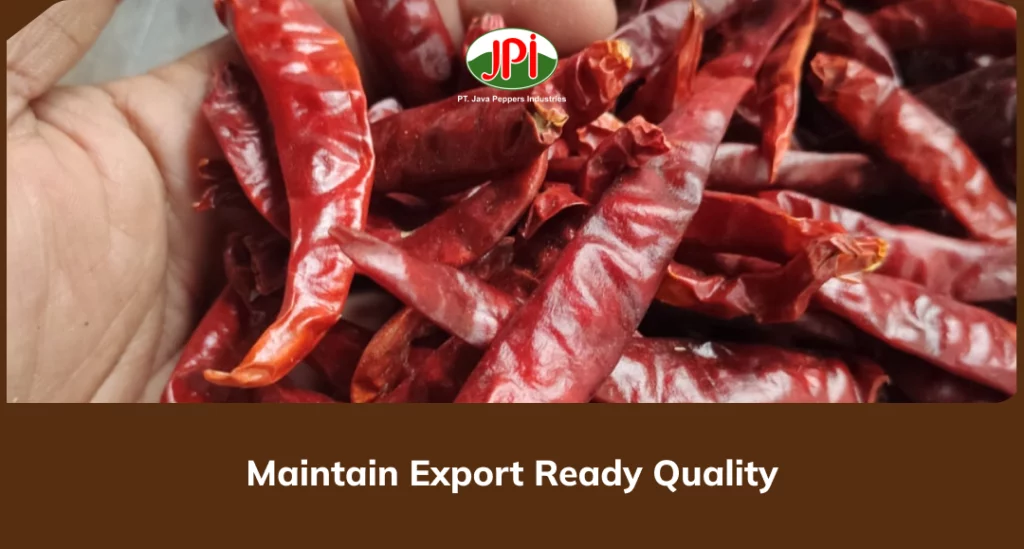
Maintain Export Ready Quality
Entering the international trade arena presents a massive growth opportunity for business. When you open doors to global buyers, you tap into larger markets, higher price points, and consistent purchase orders. However, global opportunities come with global expectations. International buyers demand perfection, and foreign border agencies enforce strict agricultural and manufacturing regulations. To thrive in this competitive arena, you must maintain export-ready quality.
Master Post-Harvest and Processing Standards
Upgrade to Premium Export Packaging
Implement Strict Traceability and Documentation
Foster a “Quality First” Workplace Culture
Achieving international success requires more than just finding a buyer; it demands that you deliver flawless execution every single time. By actively standardizing processing methods, upgrading shipping packaging, securing bulletproof documentation, and empowering staff, you build an unbeatable defensive wall around product’s integrity.
Monsera Chili Sauce, Authentic Indonesian Chili Sauce
No longer need to buy an expensive plane ticket to Jakarta or Bali to experience the thrilling world of authentic Indonesian spice. Monsera Chili Sauce packages the vibrant culture, rich agricultural heritage, and bold flavors of the archipelago into an easy-to-use, premium product.
Stop settling for bland, uninspiring meals that lack character. Grab your favorite variant of Monsera Chili Sauce from your local international market or order a jar online today. Take active control of your kitchen, shock your taste buds with genuine Indonesian heat, and elevate your home cooking to extraordinary new heights!
Monsera Chili Sauce is crafted to represent authentic Indonesian flavors, and it offers a smooth balance of heat and richness. Additionally, the sauce is suitable for daily use, which makes it ideal for beginners exploring spicy food.
Let’s order via the button below now!
Conclusion
Chili in traditional Indonesian food is an important part that makes the dish have their unique and rich flavor. There are several types of chili that used in many traditional Indonesian food like bird’s eye chili, red chili pepper, curly red chili, green chili and cayenne chili. It’s usually serves a condiment, mixing sauces or added as a spice to enhance flavor in Indonesian traditional food.
Indonesia sits at the heart of the global spice trade, and its agricultural sector continues to impress the world. The Indonesian red pepper export industry holds enormous untapped potential that farmers, traders, and investors should not ignore. Red pepper from Indonesia offers exceptional quality, vibrant color, and bold flavor that international buyers actively seek. Moreover, rising global demand for natural spices makes this the perfect time to explore export opportunities more seriously. So, whether you are a farmer, exporter, or business owner, this guide gives you the insights you need to move forward confidently.
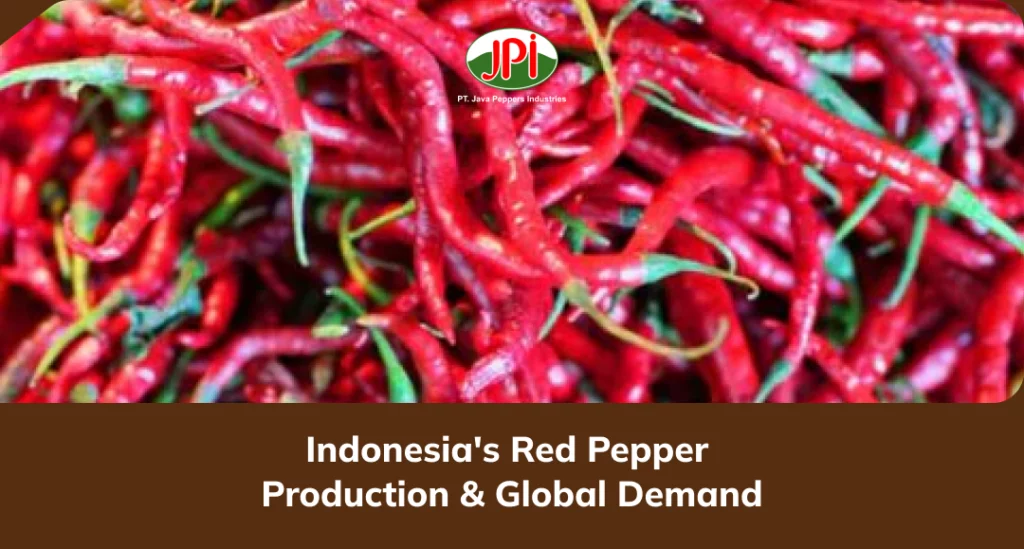
Indonesia’s Red Pepper Production & Global Demand
Indonesia ranks among the world’s top pepper-producing countries alongside Vietnam, Brazil, and India. The country grows both black and red pepper, with Lampung in Sumatra standing out as the most productive region. Additionally, regions like Bangka Belitung, West Kalimantan, and Sulawesi also contribute significant volumes to national output. This geographic spread gives Indonesia a strong and reliable production base for meeting international demand year-round.
Red Pepper Varieties Grown in Indonesia
Indonesian farmers grow several red pepper varieties that appeal to different international markets. The Lampung variety earns recognition for its bold aroma and high piperine content, which buyers associate with premium quality. Furthermore, farmers also cultivate red chili peppers separately, adding diversity to the overall export product range. This variety of offerings lets Indonesian exporters serve multiple market segments simultaneously with competitive products.
Annual Production Volume and Growth Trends
Indonesia produces hundreds of thousands of tons of pepper annually, with red pepper making up a significant share. Production volumes have trended upward over the past decade as more farmers adopt better cultivation techniques. Also, government support programs have helped farmers increase yield per hectare through improved seeds and fertilizers. This consistent growth in production volume strengthens Indonesia’s position as a dependable long-term supplier to global buyers.
Rising Global Demand for Natural Spices
Consumers worldwide increasingly prefer natural spices over artificial flavor enhancers in their food and beverages. This shift in consumer behavior drives strong and growing demand for authentic red pepper from trusted origins. Moreover, the food processing, restaurant, and pharmaceutical industries all rely heavily on high-quality red pepper as a core ingredient. Indonesian exporters who position their products well can capture a significant share of this expanding global market.
Price Competitiveness in the Global Market
Indonesian red pepper consistently offers competitive pricing compared to some rival producing countries. Lower production costs, combined with favorable growing conditions, allow Indonesian suppliers to offer attractive prices to buyers. Furthermore, maintaining price competitiveness while delivering consistent quality gives Indonesian exporters a powerful edge in negotiations. Buyers from price-sensitive markets particularly appreciate what Indonesia brings to the table in terms of value.
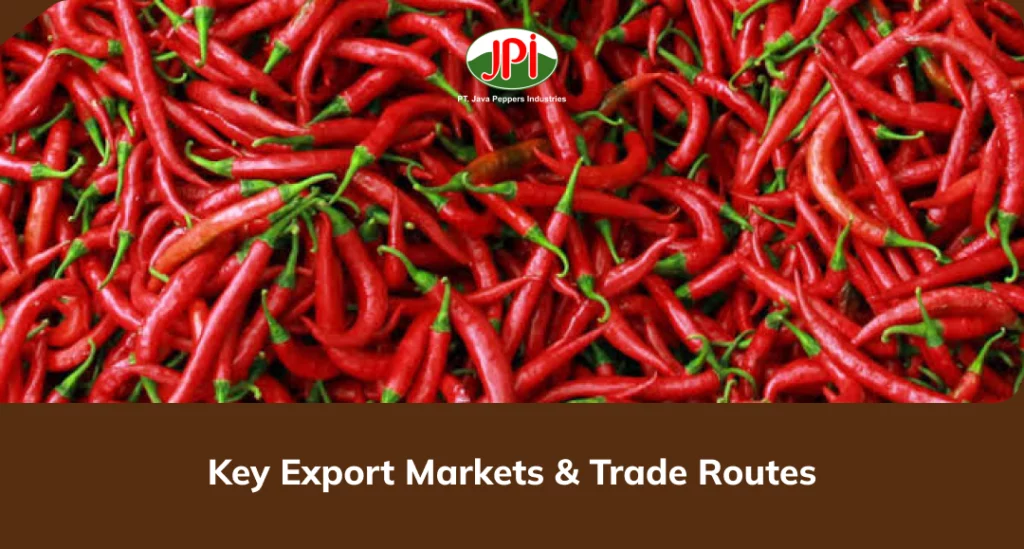
Key Export Markets & Trade Routes
Knowing where the demand exists and how products reach those destinations is critical for any successful export strategy. Here are five key export markets and trade considerations that every Indonesian red pepper exporter should understand clearly.
China as the Largest Buyer
China consistently ranks as one of the largest importers of Indonesian red pepper in the global market. Its massive food processing industry, restaurant sector, and traditional medicine market all create enormous appetite for quality red pepper. Additionally, geographic proximity between Indonesia and China keeps shipping costs relatively low compared to other destinations. Building strong relationships with Chinese importers gives Indonesian exporters access to one of the most lucrative spice markets in Asia.
India’s Growing Import Appetite
India, despite being a major pepper producer itself, imports red pepper varieties that complement its domestic supply. Indonesian red pepper appeals to Indian buyers looking for specific flavor profiles and color intensity at competitive prices. Moreover, India’s expanding food manufacturing sector continues to increase its demand for imported spice ingredients year after year. Tapping into the Indian market requires understanding local quality standards and building trust through consistent product delivery.
The United States and European Union Markets
The US and EU represent high-value markets where buyers prioritize quality, traceability, and food safety certifications above all else. American spice companies and European food manufacturers actively seek premium red pepper with verified origins and clean processing standards. Furthermore, these markets offer higher profit margins for exporters who meet their strict regulatory and documentation requirements. Indonesian exporters who invest in proper certification and compliance will find these Western markets highly rewarding.
Middle Eastern Demand for Spices
Middle Eastern countries including Saudi Arabia, UAE, and Egypt import large quantities of red pepper for their vibrant food cultures. Local cuisines in this region rely heavily on bold spices, making red pepper a daily kitchen essential for millions of households. Also, the growing restaurant industry and food service sector across the Gulf region amplify import demand significantly every year. Indonesian exporters who establish direct partnerships with Middle Eastern distributors can secure steady and profitable long-term contracts.
Major Shipping Routes and Logistics Hubs
Indonesia exports red pepper through several key ports, with Tanjung Priok in Jakarta and Panjang Port in Lampung handling the highest volumes. Most shipments travel via established sea freight routes that connect Indonesia to Asia, the Middle East, Europe, and the Americas. Additionally, using regional logistics hubs like Singapore helps Indonesian exporters manage transshipments more efficiently and cost-effectively. Smart logistics planning directly impacts delivery speed, product freshness, and overall customer satisfaction in every target market.
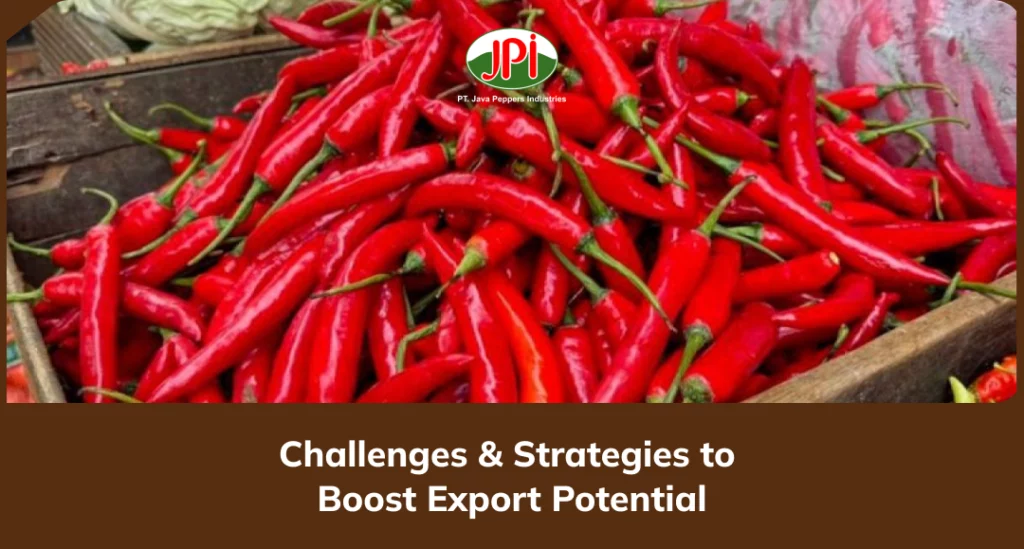
Challenges & Strategies to Boost Export Potential
Every export opportunity comes with real challenges that require smart, proactive strategies to overcome effectively. Here are five major hurdles Indonesian red pepper exporters face and the practical approaches that can turn those challenges into advantages.
Meeting International Quality and Safety Standards
Many target markets require exporters to comply with strict food safety regulations such as HACCP, ISO, and specific pesticide residue limits. Indonesian farmers and processors sometimes struggle to meet these standards due to limited resources and training. However, partnering with certified processing facilities and investing in proper quality control systems can solve this problem effectively. Exporters who consistently deliver certified, traceable products earn buyer trust faster and command better prices in premium markets.
Price Volatility in the Global Spice Market
Red pepper prices fluctuate significantly due to weather events, currency movements, and shifts in global supply and demand. This volatility makes financial planning difficult for small and medium-sized Indonesian exporters operating on tight margins. Nevertheless, forward contracts and price hedging strategies help exporters lock in favorable rates and protect their profitability. Building a diverse customer base across multiple markets also reduces dependence on any single buyer and cushions against sudden price drops.
Lack of Branding and Market Positioning
Many Indonesian red pepper exporters sell as generic commodity suppliers without a strong brand identity or story behind their products. This approach limits their ability to command premium prices or build loyal, long-term buyer relationships in competitive markets. Fortunately, developing a clear brand around Indonesian origin, sustainable farming, and superior quality can differentiate exporters powerfully. Storytelling about the product’s origin and farming practices resonates strongly with modern buyers in Europe, the US, and Japan.
Infrastructure and Post-Harvest Handling Gaps
Poor post-harvest handling, inadequate storage facilities, and unreliable rural logistics still affect product quality in some growing regions. These infrastructure gaps lead to quality inconsistencies that frustrate international buyers and damage Indonesia’s reputation over time. However, investing in proper drying equipment, moisture-controlled storage, and better farm-to-port logistics significantly reduces quality loss. Government and private sector collaboration on rural infrastructure improvements will accelerate progress in addressing these longstanding challenges.
Digital Tools and E-Commerce for Export Growth
Modern exporters now use digital platforms, B2B marketplaces, and social media to connect directly with international buyers worldwide. Indonesian red pepper exporters who embrace platforms like Alibaba, Global Sources, and industry-specific trade portals gain access to thousands of qualified leads. Moreover, digital marketing helps Indonesian suppliers tell their story, showcase certifications, and build credibility before the first meeting even happens. Adopting these digital tools gives smaller Indonesian exporters the reach that previously only large trading companies could afford.
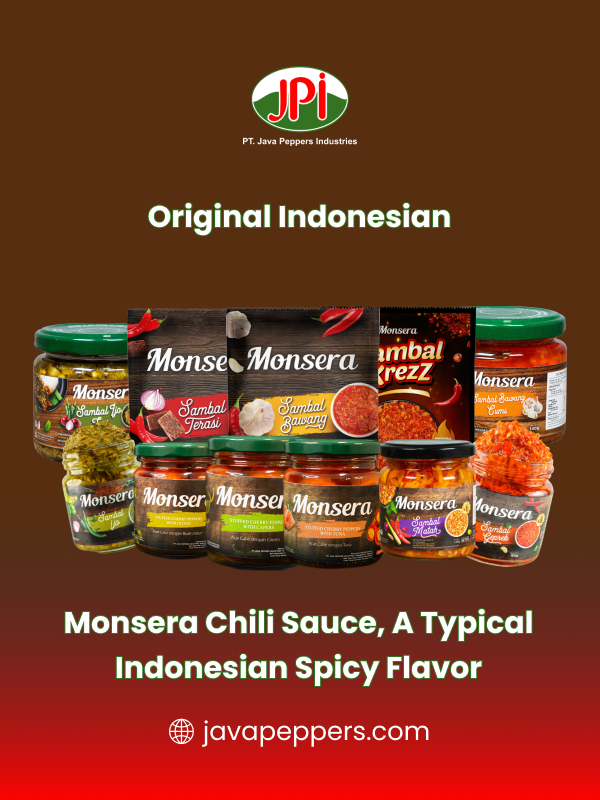
Monsera Chili Sauce, A Typical Indonesian Spicy Flavor
Indonesia is famous for its rich culinary heritage and spicy food culture. Monsera Chili Sauce represents one of the authentic Indonesian spicy flavors made from selected chili peppers and natural ingredients. The sauce combines spicy, savory, and slightly sweet flavors that complement various dishes such as fried rice, noodles, seafood, grilled chicken, and traditional snacks.
Its authentic taste reflects Indonesia’s diverse food traditions and appeals to consumers seeking bold Asian flavors. With increasing global interest in Indonesian cuisine, Monsera Chili Sauce has strong potential in international markets, especially among buyers looking for unique and premium spicy condiments from Southeast Asia.
Let’s order via the button below now!
Conclusion
Indonesian red pepper export opportunities have never looked more promising than they do right now. Strong production capacity, diverse export markets, and rising global demand for natural spices all point toward a bright future for Indonesian suppliers.
Puya Pepper Characteristics – Mexican cuisine holds some of the world’s most exciting and complex flavors, and dried chiles play a huge role in that. Among those chiles, puya pepper characteristics stand out for their unique combination of fruity flavor, moderate heat, and deep color. Many home cooks and professional chefs love this pepper for the bold depth it adds to sauces, stews, and marinades.
Moreover, puya peppers remain relatively lesser-known outside Mexico, making them a hidden gem worth exploring. So, whether you cook Mexican food regularly or just want to expand your spice knowledge, this guide covers everything you need to know.
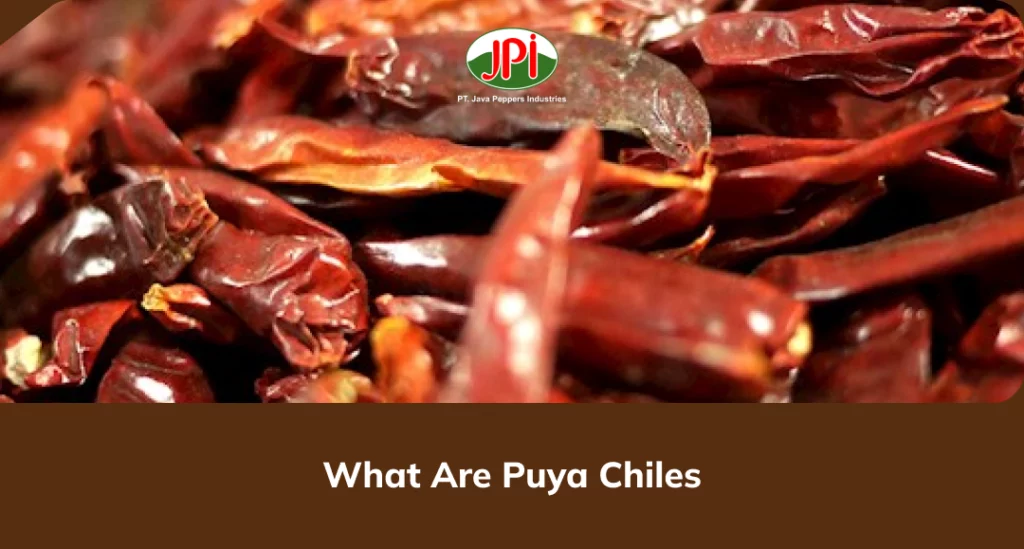
What Are Puya Chiles?
Puya chiles grow primarily in the central and northern regions of Mexico, including Guanajuato and Jalisco. Farmers there cultivate them in warm, dry climates that bring out the pepper’s natural sugars and flavor compounds. Additionally, Mexico has grown and used puya chiles for centuries in traditional cooking. Today, they remain a staple ingredient in authentic Mexican kitchens both at home and in restaurants.
The Name and Its Meaning
The word “puya” loosely translates to “goad” or “poke” in Spanish, referring to its sharp, pointed tip. This name fits the pepper well because its heat also delivers a sharp, noticeable kick. Furthermore, some regions in Mexico call it the “pulla” chile, though puya remains the most widely recognized name. Understanding the name helps you identify this pepper correctly at markets and specialty stores.
Classification as a Dried Chile
Puya pepper belongs to the category of dried Mexican chiles, similar to ancho, guajillo, and pasilla. Drying the chile concentrates its flavor and extends its shelf life significantly. Also, the drying process deepens the pepper’s color and adds a subtle smokiness to its overall taste profile. This makes puya an incredibly versatile ingredient that cooks can store and use throughout the year.
Botanical Background
Botanically, puya pepper belongs to the species Capsicum annuum, the same species as bell peppers and jalapeños. However, puya carries significantly more heat and a far more complex flavor than either of those common varieties. Interestingly, its genetic makeup allows it to develop bold fruity and slightly tangy notes as it dries. This botanical background explains why puya works so beautifully in slow-cooked sauces and complex spice blends.
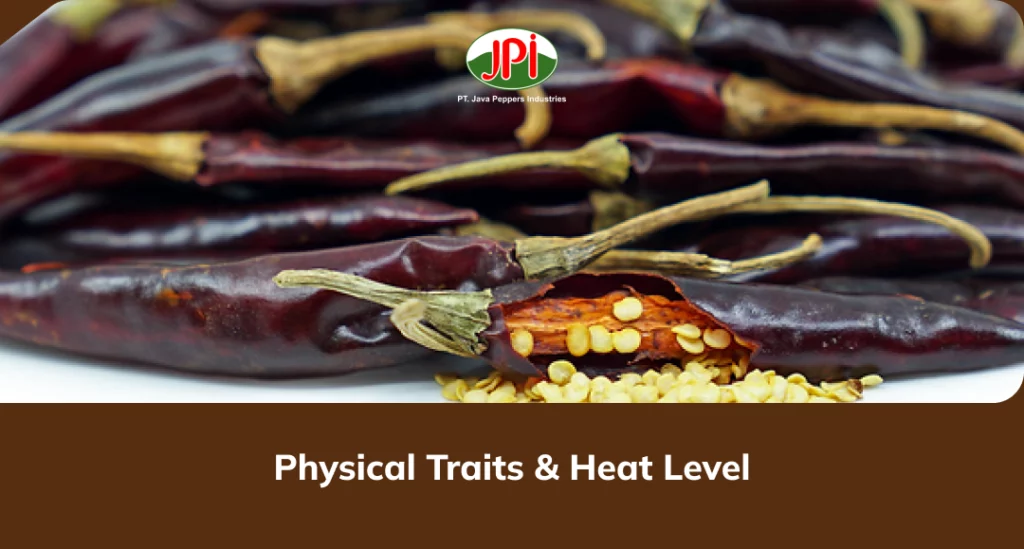
Understanding puya pepper characteristics helps you use this chile with greater confidence and accuracy in your cooking. Here are five defining physical and sensory traits that set puya apart from other dried chiles.
Size and Shape
Puya peppers typically measure between 7 to 10 centimeters in length and about 2 to 3 centimeters in width. They feature a long, narrow, slightly tapered body that ends in a pointed tip. Additionally, their slender shape makes them easy to distinguish from wider chiles like ancho or mulato. This compact form also means they rehydrate quickly when soaked in hot water before cooking.
Color and Skin Texture
Dried puya chiles display a deep red to brick-red color that signals their rich flavor potential. Their skin feels thin, slightly leathery, and smooth compared to thicker-skinned chiles like pasilla. Moreover, holding a quality puya chile up to light reveals a semi-translucent skin, which indicates proper drying. This thin skin allows the pepper to blend smoothly into sauces without leaving a gritty or chewy texture.
Flavor Profile
Puya peppers deliver a bold, fruity flavor with hints of cherry, plum, and a slight citrus tang. Unlike smoky chiles such as chipotle, puya brings brightness and a clean heat that lingers pleasantly. Furthermore, its flavor intensifies beautifully when toasted lightly in a dry pan before use. This toasting step unlocks deeper notes and creates a more complex base for any sauce or stew.
Heat Level on the Scoville Scale
Puya peppers range from 5,000 to 8,000 Scoville Heat Units (SHU), placing them in the medium heat category. This makes them noticeably hotter than ancho chiles but milder than de árbol or cayenne peppers. Also, their heat builds gradually rather than hitting you all at once, making it approachable for most people. Cooks who want medium spice without overwhelming heat find puya a perfectly balanced choice.
Aroma When Dried and Toasted
Fresh from the bag, puya chiles carry a mild, earthy, slightly fruity aroma that hints at their complex flavor. However, toasting them in a hot dry skillet for 30 to 60 seconds releases a noticeably stronger, more inviting scent. Additionally, this toasting aroma signals that the essential oils in the pepper have activated and are ready to contribute fully. Always toast puya chiles before soaking or grinding to get the fullest flavor possible from each piece.
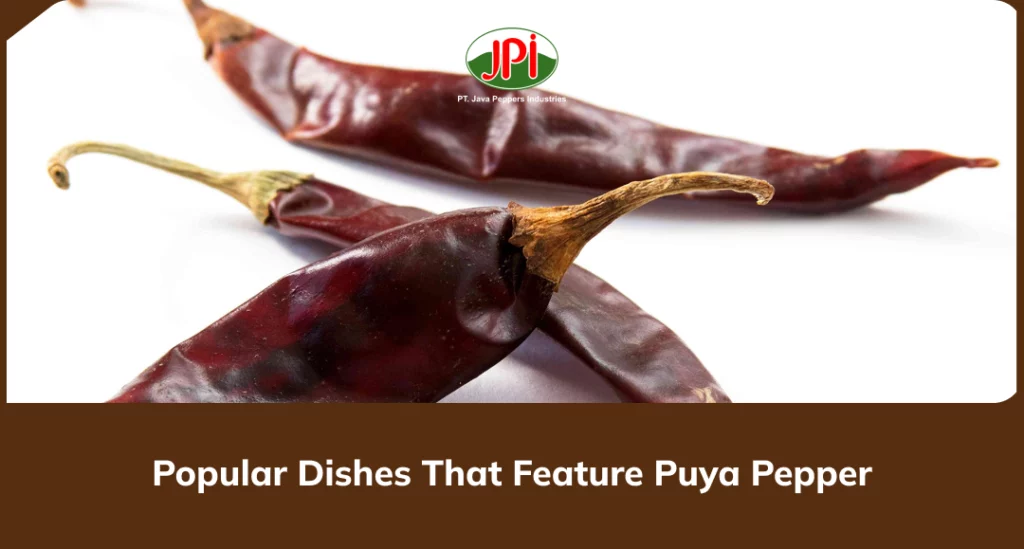
Popular Dishes That Feature Puya Pepper
Puya pepper appears in a wide variety of traditional and modern Mexican dishes. Here are five popular recipes and applications that showcase everything this chile has to offer.
Red Chile Sauce (Salsa Roja)
Puya chiles form the backbone of many classic red chile sauces used across Mexican cuisine. Cooks typically toast, soak, and blend them with garlic, onion, and tomatoes to create a rich, smooth sauce. Moreover, this salsa roja works as a base for enchiladas, tamales, and braised meats with incredible results. The fruity heat of puya gives the sauce a depth and brightness that other chiles simply cannot replicate.
Birria and Slow-Cooked Stews
Birria, the beloved Mexican stew made with goat or beef, frequently uses puya chiles in its braising liquid. The pepper’s medium heat and fruity flavor blend perfectly with warm spices like cumin, cloves, and Mexican oregano. Additionally, the slow cooking process allows puya’s flavors to fully infuse the meat and broth over several hours. The result is a rich, deeply colored stew that tastes incredibly complex and satisfying.
Adobo Marinades
Puya peppers work brilliantly in adobo, a thick chile paste used to marinate meats before grilling or roasting. Cooks blend soaked puya chiles with vinegar, garlic, and spices to create a sticky, flavorful coating. Furthermore, the fruity notes in puya add a subtle sweetness that balances the acidity of the vinegar beautifully. This marinade works especially well on pork, chicken, and shrimp for bold, crowd-pleasing results.
Mole Sauces
Many regional mole recipes incorporate puya chiles alongside ancho, mulato, and chipotle for complexity and heat balance. Puya contributes brightness and a subtle fruitiness that prevents the mole from tasting too heavy or one-dimensional. Also, its medium Scoville rating allows it to add noticeable heat without overwhelming the other carefully balanced ingredients. Using puya in mole demonstrates exactly why Mexican chefs consider it such a valuable and versatile pantry staple.
Chile-Infused Oils and Condiments
Beyond sauces and stews, puya chiles also shine in infused oils, chile pastes, and table condiments. Cooks steep dried puya pieces in warm olive or vegetable oil to create a spicy, fruity drizzling oil. Additionally, blending toasted puya with salt and garlic produces a simple but powerful dry rub for meats and vegetables. These condiments let home cooks enjoy puya pepper’s characteristics every day with minimal effort and maximum flavor.
Monsera Chili Sauce, A Typical Indonesian Spicy Flavor
Indonesia is famous for its rich culinary heritage and spicy food culture. Monsera Chili Sauce represents one of the authentic Indonesian spicy flavors made from selected chili peppers and natural ingredients. The sauce combines spicy, savory, and slightly sweet flavors that complement various dishes such as fried rice, noodles, seafood, grilled chicken, and traditional snacks.
Its authentic taste reflects Indonesia’s diverse food traditions and appeals to consumers seeking bold Asian flavors. With increasing global interest in Indonesian cuisine, Monsera Chili Sauce has strong potential in international markets, especially among buyers looking for unique and premium spicy condiments from Southeast Asia.
Let’s order via the button below now!
Conclusion
Puya pepper is a genuinely exciting ingredient that deserves far more attention in kitchens outside of Mexico. Its unique puya pepper characteristics, from the deep red color and fruity flavor to its satisfying medium heat — make it incredibly versatile.
We usually associate chili peppers with culinary sweat and tears, but recent science suggests they deserve a spot at the center of the heart-health conversation. When you eat a hot pepper, its active ingredients trigger a cascade of positive cardiovascular effects, driving down inflammation and helping to keep blood pressure in check. It turns out that spice-lovers might actually hold a secret weapon for longevity, proving that a little extra heat can go a long way for cardiovascular defense.
How Chili Peppers Support a Healthy Heart
Let’s take a closer look at the science behind this popular ingredient and its role in promoting cardiovascular wellness.
Nutrients in Chili Peppers That Benefit the Heart :
Vitamin C
Vitamin A
Vitamin B6
Potassium
Flavonoid antioxidants
Carotenoids
These nutrients work together to help combat oxidative stress, a condition linked to chronic diseases, including heart disease.
Capsaicin Helps Improve Blood Circulation :
Capsaicin may help relax and widen blood vessels, allowing blood to flow more efficiently throughout the body.
When blood vessels function properly, the heart does not have to work as hard to pump blood. This can help reduce strain on the cardiovascular system and support long-term heart health.
Supporting Healthy Blood Pressure Levels :
Research suggests that capsaicin may encourage the production of nitric oxide, a compound that helps blood vessels remain flexible and relaxed. Healthy blood vessel function contributes to more stable blood pressure levels and better cardiovascular performance. While chili peppers should not replace prescribed treatments for hypertension, they can be part of a heart-friendly diet when consumed in moderation.
Rich in Antioxidants That Protect the Heart :
Vitamin C
Beta-carotene
Capsanthin
Lutein
These compounds help protect cells from oxidative damage and support the health of blood vessels. Healthy arteries and veins play a critical role in maintaining efficient blood circulation and overall cardiovascular function.
Key Compounds in Chili Peppers That Benefit Cardiovascular Health
Capsaicin may also support healthy blood pressure levels when combined with a nutritious lifestyle. By promoting vascular function, this compound contributes to maintaining the flexibility and responsiveness of blood vessels.
Another advantage of capsaicin is its potential role in managing inflammation. Chronic inflammation is often linked to various cardiovascular concerns, making anti-inflammatory foods an important part of a heart-conscious diet.
Fiber supports cardiovascular health in several ways:
Helps maintain healthy cholesterol levels
Supports digestive health
Promotes satiety and weight management
Encourages stable blood sugar control
Maintaining a healthy body weight and balanced cholesterol profile can significantly benefit long-term heart health. Together, these nutrients help combat oxidative stress, support healthy blood vessels, promote circulation, and contribute to overall heart wellness. While chili peppers are not a standalone solution for cardiovascular health, they can be a valuable addition to a balanced diet rich in fruits, vegetables, whole grains, and lean proteins. By incorporating chili peppers into meals regularly and sensibly, individuals can enjoy both their distinctive taste and their potential heart-supporting benefits.
Smart Ways to Add Chili Peppers to a Heart Friendly Diet
Research suggests that capsaicin may help support healthy circulation, promote a balanced metabolism, and reduce certain inflammatory responses in the body. While chili peppers are not a cure for heart disease, they can be a valuable addition to a healthy lifestyle focused on cardiovascular well-being.
The greatest benefits come when chili peppers are paired with nutrient-dense foods such as vegetables, fruits, whole grains, legumes, fish, and lean proteins.
Use Chili Peppers to Reduce Excess Salt Intake
Add Chili Peppers to Vegetable-Based Dishes
Choose Healthy Cooking Methods
Create Healthier Homemade Salsas and Sauces
Pair Chili Peppers with Lean Protein Sources
Incorporate Chili Peppers into Whole-Grain Meals
Be Mindful of Portion Size
Monsera Chili Sauce, Authentic Indonesian Chili Sauce
Indonesia is famous for its rich culinary heritage and spicy food culture. Monsera Chili Sauce represents one of the authentic Indonesian spicy flavors made from selected chili peppers and natural ingredients. The sauce combines spicy, savory, and slightly sweet flavors that complement various dishes such as fried rice, noodles, seafood, grilled chicken, and traditional snacks.
Its authentic taste reflects Indonesia’s diverse food traditions and appeals to consumers seeking bold Asian flavors. With increasing global interest in Indonesian cuisine, Monsera Chili Sauce has strong potential in international markets, especially among buyers looking for unique and premium spicy condiments from Southeast Asia.
Monsera Chili Sauce is crafted to represent authentic Indonesian flavors, and it offers a smooth balance of heat and richness. Additionally, the sauce is suitable for daily use, which makes it ideal for beginners exploring spicy food.
Let’s order via the button below now!
Conclusion
Adding chili peppers to daily meals is a smart, flavorful way to actively protect cardiovascular health. Their key compound, capsaicin, works wonders by improving blood circulation, lowering cholesterol, and fighting the inflammation that triggers heart disease. You can easily reap these benefits without upsetting stomach by tossing fresh chilies into veggie stir-fries, sprinkling dried flakes over warm soups, or blending low-sodium homemade salsas. Ultimately, bringing a little heat to the kitchen is more than just a culinary choice—it is a powerful, proactive investment in heart’s longevity.
Penetrating the international market with our nation’s proud, spicy commodity has now become a highly lucrative business opportunity. Exporting chili from Indonesia actually involves a strict supply chain, starting from selecting premium seeds at the farmer level, hygienic cleaning in packaging facilities, to meticulous plant quarantine certifications. Every single stage moves quickly and measurably to ensure that the freshness of this ‘fiery red’ spice is perfectly preserved until it reaches the hands of global consumers. Entrepreneurs often ask how is chili exported smoothly, which requires mastering global quality standards, proper sorting, and choosing high-speed air freight for premium agricultural products.
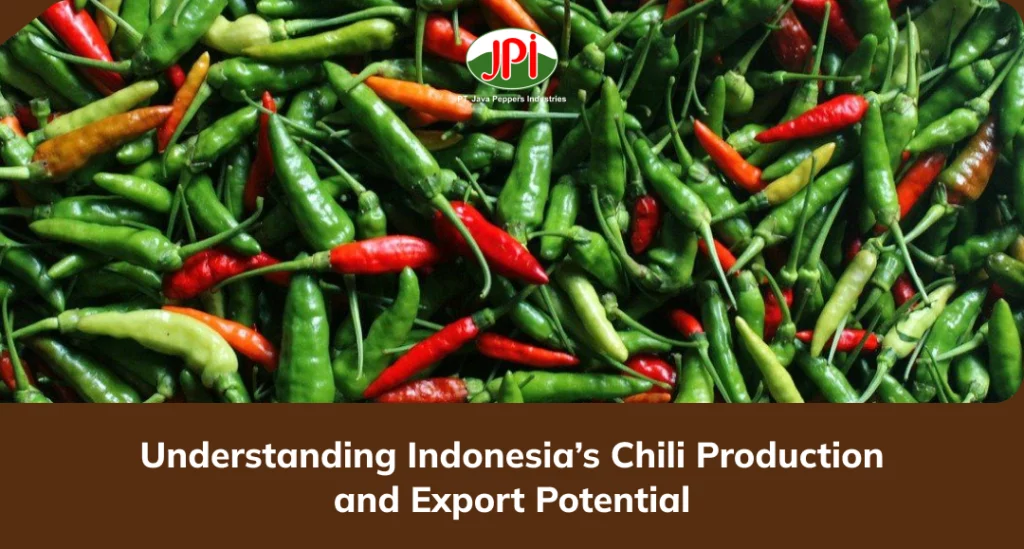
Understanding Indonesia’s Chili Production and Export Potential
As a key ingredient in countless traditional dishes, chili plays a central role in the country’s culinary culture and food industry. Beyond domestic consumption, chili also offers significant economic value and has strong potential as an export commodity. Supported by a tropical climate and extensive agricultural land, Indonesia is well-positioned to expand its chili production and strengthen its presence in international markets.
The high domestic demand for chili ensures a consistently active market. In addition to being sold fresh, chili can be processed into a variety of value-added products, including chili sauce, chili powder, packaged sambal, and seasoning blends.
The growth of food processing industries has further increased demand for chili production. As a result, the chili supply chain supports not only farmers but also manufacturers, distributors, and retailers throughout the country.
Several factors contribute to Indonesia’s strong chili production capacity:
Extensive agricultural land resources.
Favorable tropical climate year-round.
Experienced farmers with strong cultivation knowledge.
Stable domestic demand.
Growing adoption of modern agricultural technology.
Indonesia has a strong opportunity to capitalize on this growing demand. In addition to exporting fresh chili, the country can expand exports of processed products that offer longer shelf life and higher market value.
Fresh chili peppers.
Dried chili.
Chili powder.
Packaged sambal.
Chili sauces.
Chili extracts for food processing industries.
Understanding Indonesia’s chili production and export potential reveals that chili is far more than just a common kitchen ingredient. It is a strategic agricultural commodity capable of supporting economic growth, improving farmer livelihoods, and enhancing Indonesia’s reputation as a leading producer of high-quality chili products. With the right strategies and long-term commitment, Indonesia can transform its chili industry into a powerful contributor to global agricultural trade.
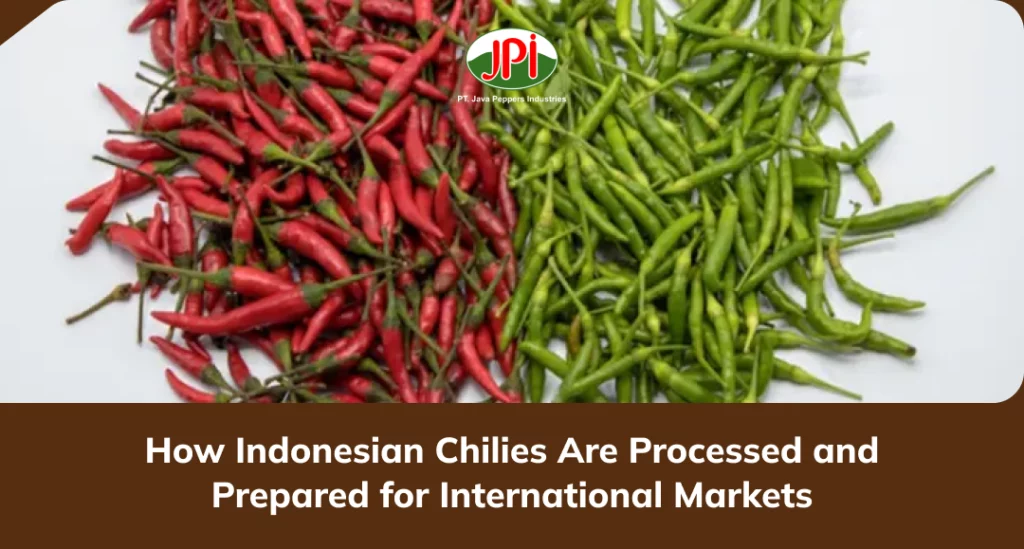
How Indonesian Chilies Are Processed and Prepared for International Markets
Harvesting is usually done manually to minimize damage to the fruit. Workers carefully pick the chilies and place them in clean containers to avoid bruising. Proper harvesting techniques are essential because damaged chilies can spoil quickly and reduce the overall quality of export shipments.
Timing also plays a crucial role. Farmers generally harvest chilies during cooler parts of the day, such as early morning, to preserve freshness and maintain product quality throughout the supply chain.
Sorting and Grading for Export Quality
Cleaning and Sanitizing the Product
Post-Harvest Handling and Cooling
Packaging According to International Standards
Processed products such as chili powder and sauces are packaged in sealed containers designed to preserve freshness and extend shelf life. Labels must also comply with the regulations of destination countries, including information about ingredients, origin, production dates, and food safety certifications.
Meeting International Food Safety Requirements
Documentation allows buyers to verify the origin and handling of products throughout the supply chain.
Regular inspections, laboratory testing, and quality audits help ensure that exported chilies meet the standards required by importing countries. This commitment to quality strengthens Indonesia’s competitiveness in the global marketplace.
Transportation and Export Logistics
Exporters work closely with logistics providers, customs authorities, and international distributors to ensure smooth delivery. Accurate documentation and proper handling reduce delays and help products reach their destinations in excellent condition.
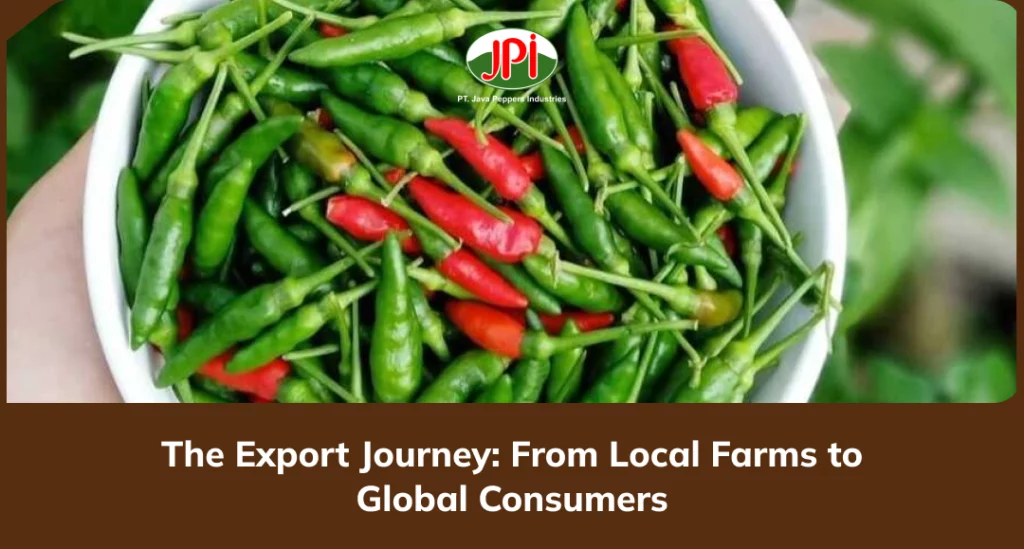
The Export Journey: From Local Farms to Global Consumers
The Export Journey: From Local Farms to Global Consumers
International buyers often require consistency in size, color, taste, and freshness. As a result, farmers must focus on maintaining high standards throughout the growing season. Many farmers also adopt sustainable farming methods to meet the increasing demand for environmentally friendly products.
In addition, collaboration between farmers, cooperatives, and export companies helps ensure a steady supply of products throughout the year. This consistency is essential for maintaining long-term relationships with overseas buyers.
Harvesting and Sorting for Export Standards
Sorting ensures that international customers receive products with uniform quality. This attention to detail helps exporters build trust with importers and strengthens their reputation in global markets.
Products that do not meet export standards are often sold domestically or processed into value-added products, reducing waste and maximizing profitability.
Technology Drives Modern Export Growth
These innovations make it easier for local farms to compete in the global marketplace. As technology continues to evolve, the export journey becomes faster, more efficient, and more reliable for all stakeholders involved.
Packaging Protects Products During Transportation
Fresh fruits and vegetables may be packed in ventilated cartons, while processed products often require sealed packaging that extends shelf life.
Modern packaging also includes important product information such as country of origin, production date, batch number, certifications, and handling instructions. These details help meet international regulations and improve traceability throughout the supply chain.
Customs Clearance and Market Entry
If everything meets the required standards, the products are cleared for distribution. This stage is crucial because any discrepancies in documentation or quality can result in delays, additional costs, or even shipment rejection.
Experienced exporters invest significant effort in preparing accurate documentation and maintaining quality standards to avoid complications during customs clearance.
Conclusion
Indonesia possesses an incredibly massive chili production and export potential to compete in the global market. Through hygienic processing and preparation that meet international standards, this spicy commodity safely penetrates worldwide markets. The integrated export journey from local farms to global consumers proves that the quality of Indonesian chilies is now increasingly recognized worldwide.
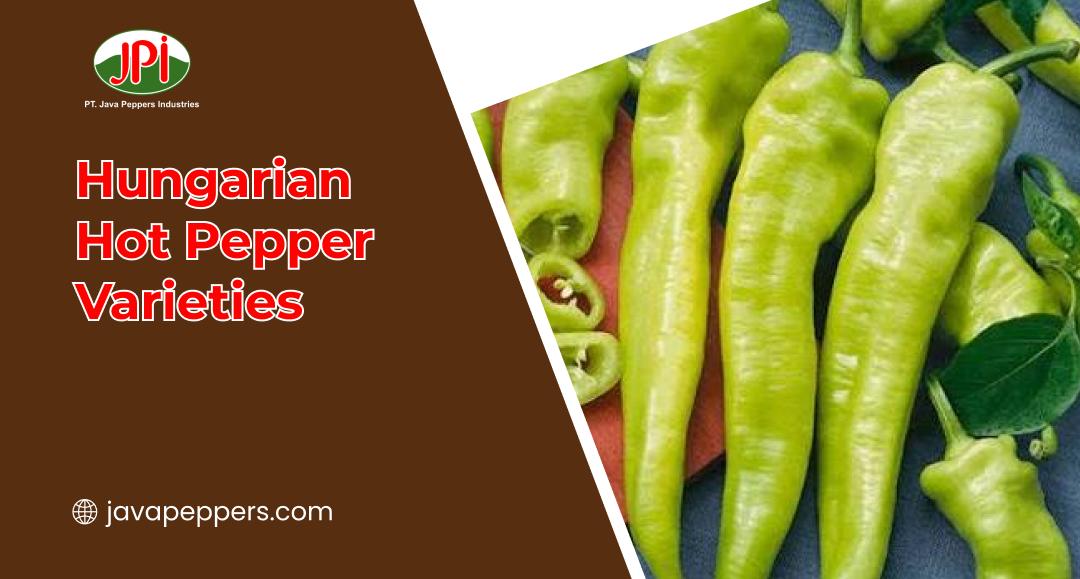
Hungarian Hot Pepper – If you love spicy food, then the hungarian hot pepper is something you should know well. Hungary has a long and proud tradition of growing peppers. These peppers are used in some of the most beloved dishes in Eastern European cuisine. Moreover, they come in many shapes, sizes, and heat levels. This article will help you understand the different types, how to grow them, and how to cook with them.
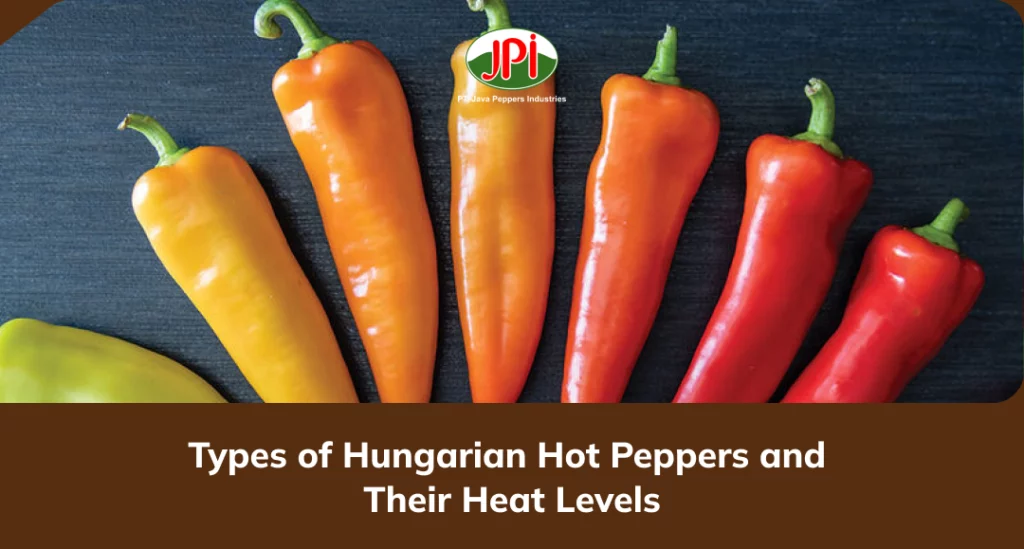
Types of Hungarian Hot Peppers and Their Heat Levels
Hungarian Wax Pepper
Hungarian Wax Pepper is one of the most popular pepper varieties from Hungary. It has a mild to medium heat level ranging from 1,000 to 15,000 SHU. This pepper is often eaten fresh in salads, sandwiches, and other dishes. Its bright yellow color makes it easy to recognize.
Erős Pista (Hot Steve)
Erős Pista is a famous Hungarian chili paste made from hot peppers. It is widely used as a condiment in many Hungarian homes. The peppers used can reach heat levels of up to 100,000 SHU. Because of its strong flavor, it is often added to soups, stews, and meat dishes.
Paprika Pepper (Sweet and Hot)
Paprika peppers are an important part of Hungarian cooking. They are commonly dried and ground into paprika powder. Sweet varieties have very little heat, while hot varieties can reach around 5,000 SHU. This allows people to choose a flavor that suits their taste.
Cseresznyepaprika (Cherry Pepper)
Cseresznyepaprika is a small, round pepper that looks like a cherry. Despite its size, it can provide a noticeable level of heat. Its heat level ranges from 1,500 to 10,000 SHU. This pepper is commonly used for pickling and stuffing.
Feketecseresznye (Black Cherry Pepper)
Feketecseresznye is a unique pepper known for its dark color. It offers a rich and slightly smoky flavor. Its heat level ranges between 5,000 and 30,000 SHU. Many pepper enthusiasts enjoy it for both its appearance and taste.
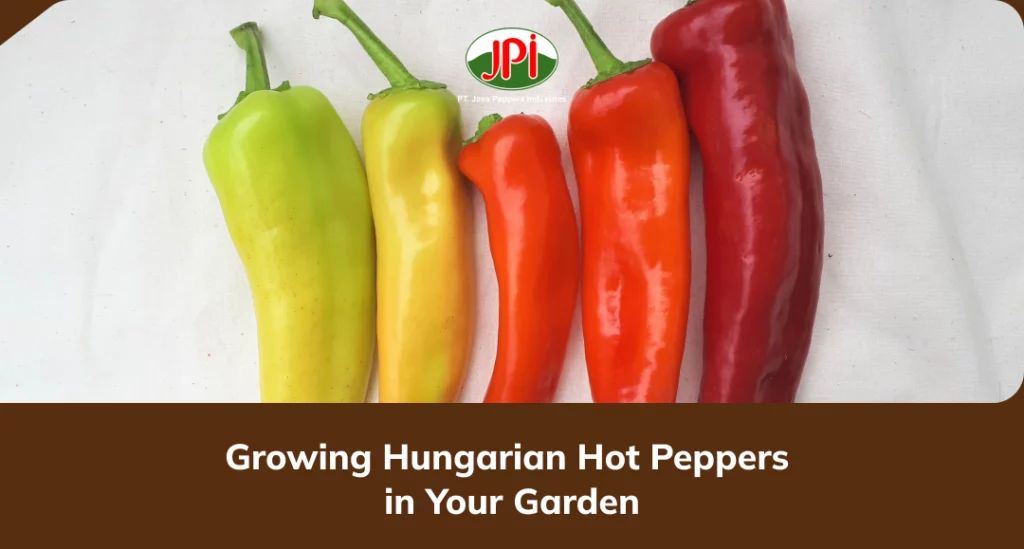
Growing Hungarian Hot Peppers in Your Garden
Choosing the Right Seeds
Always choose seeds from a trusted and reliable supplier. High-quality seeds usually produce healthier plants and better yields. Heirloom seeds are often preferred for authentic Hungarian pepper varieties. Taking time to research before buying can help you get the best results.
Starting Seeds Indoors
Pepper seeds should be started indoors about 8 to 10 weeks before the last frost. Warm temperatures help the seeds germinate faster and more evenly. Place the seedlings near a sunny window or under grow lights. Good lighting helps young plants grow strong and healthy.
Soil and Fertilizer Requirements
Hungarian hot peppers grow best in loose, well-draining soil. A soil pH between 6.0 and 6.8 is considered ideal. Balanced fertilizer can support healthy growth and fruit production. Adding organic compost can also improve soil quality naturally.
Watering and Sunlight
Pepper plants need at least 6 to 8 hours of sunlight each day. Water them deeply when the soil begins to dry out. Avoid overwatering because it can damage the roots. Checking soil moisture regularly can help maintain healthy plants.
Pest and Disease Management
Common pests include aphids, spider mites, and pepper weevils. Fungal diseases can also affect pepper plants if conditions are too humid. Neem oil is a natural solution that can help control many pests. Crop rotation is another useful method for preventing plant diseases.
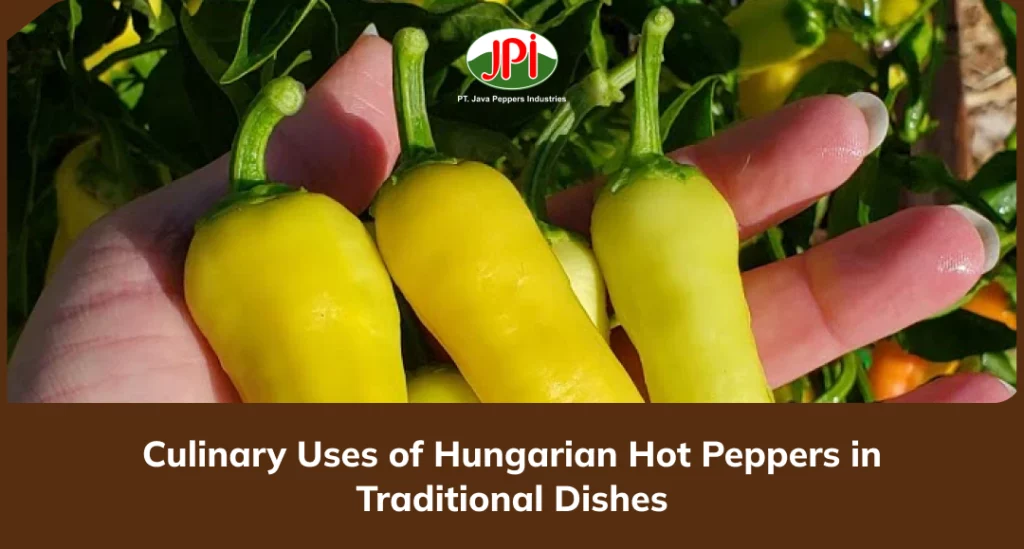
Culinary Uses of Hungarian Hot Peppers in Traditional Dishes
Goulash (Gulyás)
Goulash is one of the most famous dishes in Hungary. Hot and sweet paprika are important ingredients in this stew. They provide a rich flavor and a deep red color. Goulash is often served with traditional Hungarian noodles called csipetke.
Lecsó
Lecsó is a simple dish made with peppers, tomatoes, and onions. It is often compared to ratatouille because of its similar ingredients. Hot peppers are added to give the dish extra flavor and spice. This dish is especially popular during the summer harvest season.
Stuffed Peppers
Töltött Paprika is a traditional Hungarian comfort food. Peppers are filled with a mixture of rice and minced meat. They are slowly cooked in a flavorful tomato-based sauce. Hungarian Wax Peppers are commonly used for this recipe.
Paprikash
Chicken Paprikash is a well-known Hungarian chicken dish. It uses paprika to create a rich and slightly spicy flavor. Sour cream is added to make the sauce creamy and balanced. This dish is popular among people who enjoy hearty meals.
Pickled Peppers
Pickled peppers are a common side dish in Hungarian cuisine. They are made using a mixture of vinegar, salt, and sugar. Pickling helps preserve peppers for a longer time. Cherry Peppers are one of the most popular varieties used for this purpose.
Monsera Chili Sauce, A Typical Indonesian Spicy Flavor
Indonesia is famous for its rich culinary heritage and spicy food culture. Monsera Chili Sauce represents one of the authentic Indonesian spicy flavors made from selected chili peppers and natural ingredients. The sauce combines spicy, savory, and slightly sweet flavors that complement various dishes such as fried rice, noodles, seafood, grilled chicken, and traditional snacks.
Its authentic taste reflects Indonesia’s diverse food traditions and appeals to consumers seeking bold Asian flavors. With increasing global interest in Indonesian cuisine, Monsera Chili Sauce has strong potential in international markets, especially among buyers looking for unique and premium spicy condiments from Southeast Asia.
Let’s order via the button below now!
Conclusion
The world of hungarian hot pepper is rich, diverse, and full of flavor. From mild wax peppers to fiery cherry bombs, there is a variety for every palate.
Chili Preservation Tips – Fresh chili adds bold flavor and vibrant heat to countless dishes around the world. Therefore, learning the right chili preservation tips is essential for every home cook and food enthusiast.
Chili that is poorly store tends to lose its spiciness, color, and nutritional value very quickly. Additionally, improper storage can lead to mold growth and spoilage that wastes both food and money.
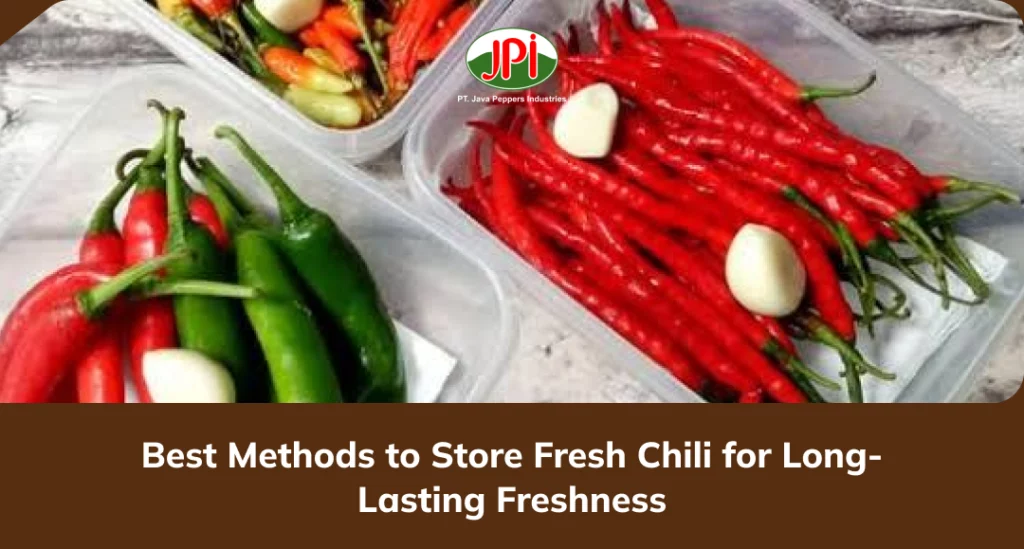
Best Methods to Store Fresh Chili
Storing fresh chili correctly is the foundation of good chili preservation. Furthermore, the right storage method can extend the shelf life of your chili significantly without compromising its quality. Here are five of the best methods you should start using today.
Refrigerating Fresh Chili in Airtight Containers
Refrigerate the chili immediately after you bring it home from the market to keep it fresh. Additionally, place the chili inside an airtight container to prevent moisture loss and odor transfer. Keep the chili dry before placing it into the container to avoid premature rotting. Therefore, you can easily keep whole, unwashed chili fresh for up to two weeks using this method.
Wrapping Chili in Paper Before Refrigerating
You can also wrap fresh chili loosely in dry paper towels before placing it in the refrigerator. Furthermore, the paper absorbs excess moisture that would otherwise make the chili rot faster. This method works especially well when you need to store a large batch of chili at the same time. Moreover, place the paper-wrapped chili in a breathable bag to allow for slight airflow.
Storing Chili in a Cool and Dark Pantry
If you do not have a refrigerator, store the chili in a cool, dark, and dry pantry space. Additionally, avoid exposing the chili to direct sunlight because heat significantly speeds up the spoilage process. Chili stored in a pantry typically stays fresh for three to five days under the right conditions. Therefore, only use pantry storage as a short-term option when you do not have access to refrigeration.
Keeping Chili Dry at All Times
Moisture is the biggest enemy of fresh chili during any kind of storage process. Furthermore, chili that is wet or damp will develop mold and rot much faster than dry chili. Before storage, gently wipe each chili with a dry cloth to remove surface moisture. Moreover, this simple step can dramatically extend the shelf life of your fresh chili without any extra cost.
Separating Damaged Chili from Healthy Ones
Before storing, carefully sort all the chili to remove any that are bruised or damaged. Additionally, one damaged chili left among healthy ones can cause the entire batch to spoil quickly. This sorting process is an important step that many home cooks often overlook. Therefore, always inspect your chili before storing it to ensure you keep only the freshest ones.
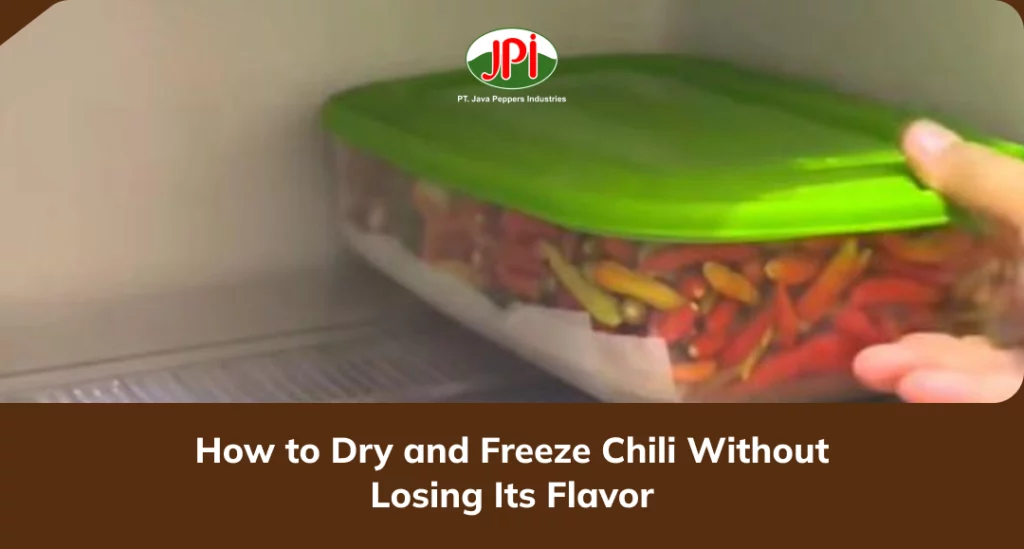
How to Dry and Freeze Chili
Drying and freezing are two of the most effective long-term chili preservation methods available. Furthermore, both methods allow you to enjoy chili flavor even months after the harvest season has ended. Here are five key techniques you should know about drying and freezing chili properly.
Sun-Drying Chili for Natural Preservation
People around the world practice sun-drying as one of the oldest and most natural chili preservation methods. Additionally, place the chili on a clean tray and leave it under direct sunlight for several days until fully dry. Turn the chili regularly so that all sides dry evenly and thoroughly. Moreover, you can store fully dried chili in a sealed jar for up to one year without losing much flavor.
Using an Oven to Dry Chili Quickly
Oven drying is a faster and more controlled alternative to sun-drying chili at home. Furthermore, set the oven to a low temperature of around 60 to 70 degrees Celsius for best results. Place the chili on a baking tray and dry it for six to eight hours until completely dehydrated. Therefore, oven-dried chili retains its color and spiciness better than chili dried under inconsistent sunlight.
Blanching Chili Before Freezing
Before freezing the chili, blanch it briefly in boiling water for about two minutes. Additionally, blanching helps deactivate the enzymes that cause chili to lose its color and flavor over time. After blanching, immediately transfer the chili to ice water to stop the cooking process. Furthermore, you can maintain the quality of blanched and frozen chili for up to twelve months in the freezer.
Freezing Chili in Portion-Sized Bags
Freeze the chili in small, portion-sized bags rather than in one large container. Additionally, this method allows you to thaw only the amount you need without exposing the rest to air. Label each bag with the date of freezing to help track how long you have stored the chili. Therefore, proper labeling ensures that you always use the oldest chili first, reducing the risk of waste.
Making Chili Paste for Long-Term Storage
You can also blend fresh chili into a smooth paste before freezing it for long-term use. Furthermore, chili paste takes up less space in the freezer compared to storing whole chili pieces. Add a small amount of oil or salt to the paste to help preserve its flavor and texture. Moreover, you can use frozen chili paste directly in cooking without the need for thawing beforehand.
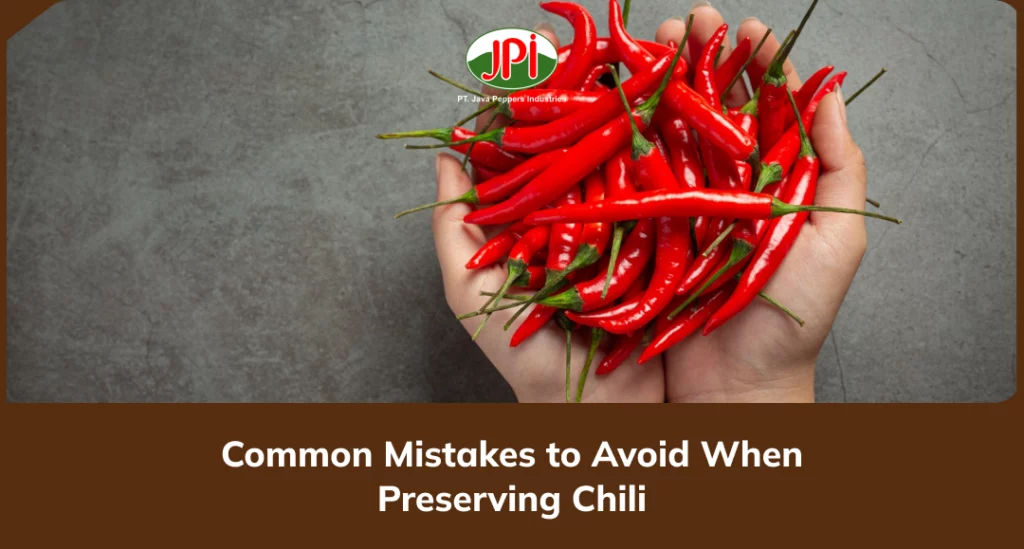
Common Mistakes When Preserving Chili
Even the best chili preservation tips will fail if common mistakes are made during the storage process. Additionally, being aware of these mistakes will help you get the most out of every batch of chili you store. Here are five critical mistakes that should always be avoided.
Washing Chili Before Storing
One of the most common mistakes is washing chili before placing it into storage. Furthermore, wet chili spoils much faster because moisture encourages mold and bacterial growth. Chili should only be washed right before it is going to be used in cooking. Therefore, always keep your stored chili completely dry until the moment it is needed in the kitchen.
Storing Chili Near Strong-Smelling Foods
Chili absorbs strong odors from nearby foods when stored together in the same space. Additionally, this can alter the natural aroma and taste of your chili in an unpleasant way. Foods like onions, garlic, and certain cheeses should be kept separately from storage chili.
Freezing and Thawing Chili Repeatedly
Chili that is repeatedly frozen and thawed will lose its texture, flavor, and nutritional content quickly. Furthermore, each freezing and thawing cycle breaks down the cell walls of the chili more and more. This results in chili that becomes mushy, bland, and unpleasant to use in cooking. Therefore, always thaw only the amount of chili you plan to use and never refreeze what you have already thawed.
Ignoring Signs of Spoilage
People sometimes unknowingly use spoiled chili because they do not carefully check the signs of spoilage. Additionally, never ignore signs such as soft spots, discoloration, off-smell, or mold on the chili. Consuming spoiled chili can cause food poisoning and serious digestive health problems. Therefore, always inspect your stored chili thoroughly before using it in any recipe or dish.
Using Non-Airtight Containers
Storing chili in containers that are not properly sealed is a mistake that leads to faster spoilage. Furthermore, air exposure causes chili to dry out, lose color, and develop an unpleasant texture over time. Glass jars with tight-fitting lids or heavy-duty zip-lock bags are the best storage options available. Moreover, investing in good-quality airtight containers is a small cost that delivers significant long-term benefits.
Monsera Chili Sauce, A Typical Indonesian Spicy Flavor
Indonesia is famous for its rich culinary heritage and spicy food culture. Monsera Chili Sauce represents one of the authentic Indonesian spicy flavors made from selected chili peppers and natural ingredients. The sauce combines spicy, savory, and slightly sweet flavors that complement various dishes such as fried rice, noodles, seafood, grilled chicken, and traditional snacks.
Its authentic taste reflects Indonesia’s diverse food traditions and appeals to consumers seeking bold Asian flavors. With increasing global interest in Indonesian cuisine, Monsera Chili Sauce has strong potential in international markets, especially among buyers looking for unique and premium spicy condiments from Southeast Asia.
Let’s order via the button below now!
Conclusion
Keeping chili fresh and flavorful does not have to be a complicated or time-consuming process. Furthermore, by applying these chili preservation tips, you can enjoy the full taste and heat of chili for much longer
Walk into any kitchen around the world, and you will likely find a bottle of chili sauce sitting nearby. This fiery condiment has earned its place on tables across countless cultures and cuisines. Yet, many people never stop to ask: what is chili sauce actually made of? Understanding its ingredients helps you make smarter choices about what you eat every day.
Moreover, knowing what goes into your chili sauce can even inspire you to make a healthier homemade version. Therefore, this article breaks down everything you need to know about chili sauce in a simple and clear way
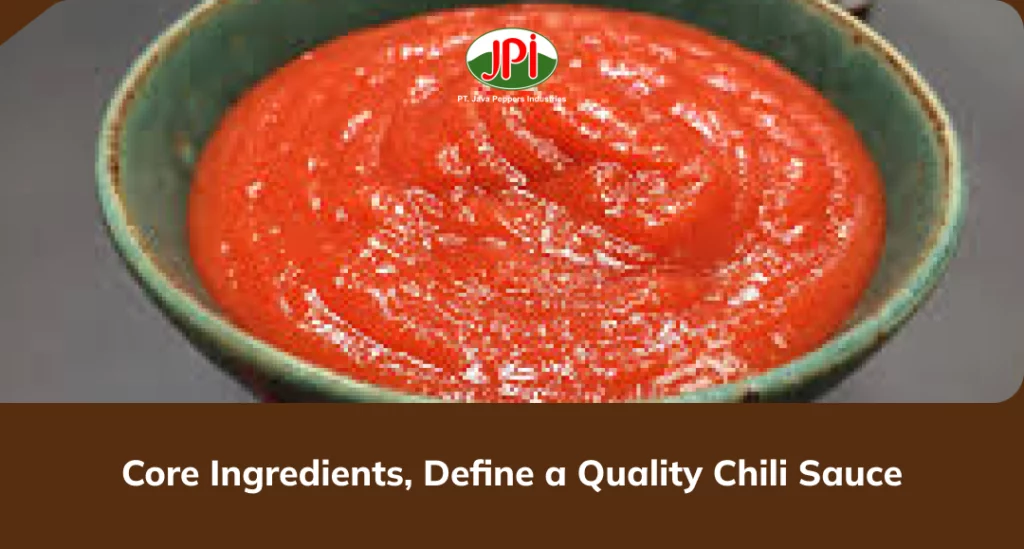
Core Ingredients That Define a Quality What Is Chili Sauce
1. Fresh or Dried Chili Peppers
Chili peppers are the main ingredient in every chili sauce. They can be used fresh, dried, or roasted depending on the flavor needed. Different types of chilies create different levels of heat and taste. Therefore, choosing the right chili is very important for making a good sauce.
2. Vinegar as a Natural Preservative
Vinegar is commonly added to chili sauce to improve flavor and preserve freshness. It helps the sauce last longer without needing too many artificial preservatives. In addition, vinegar gives a slightly sour taste that balances the spiciness. Because of this, vinegar plays an important role in creating a balanced sauce.
3. Garlic for Depth of Flavor
Garlic adds a rich and savory taste to chili sauce. It is usually blended into the sauce to create a stronger aroma and flavor. Besides improving taste, garlic also has natural antibacterial properties. Therefore, garlic helps make chili sauce both flavorful and safer to consume.
4. Sugar or Natural Sweeteners
A small amount of sweetness is often added to chili sauce recipes. Sugar, honey, or palm sugar helps reduce the sharp taste of vinegar and chili heat. This balance creates a smoother and more enjoyable flavor. As a result, the sauce tastes more complete and appealing.
5. Salt and Thickening Agents
Salt helps bring all the flavors together in chili sauce. It improves the natural taste of the other ingredients without overpowering them. Some sauces also use thickening agents to create a smooth texture. Therefore, every ingredient has a specific purpose in making quality chili sauce.
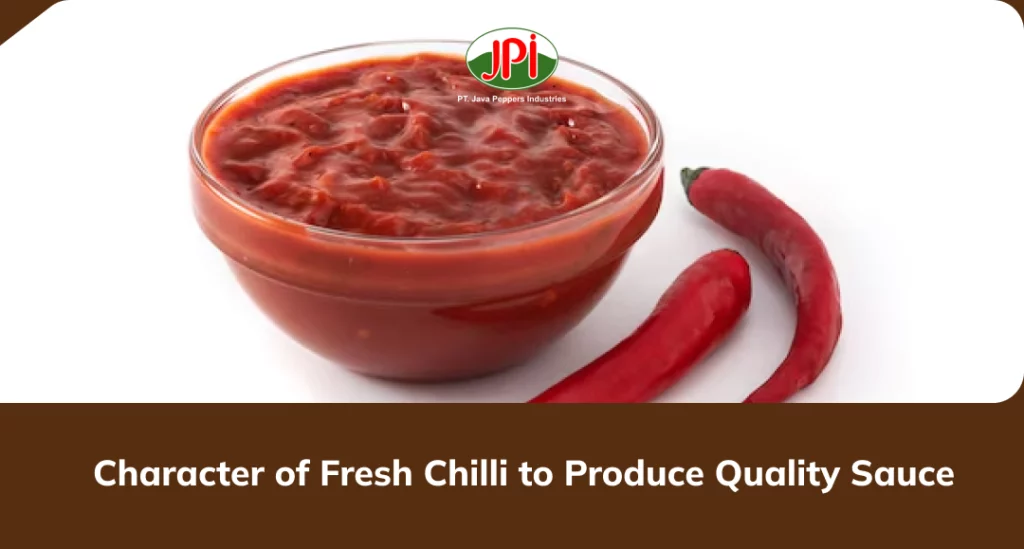
Character of Fresh Chili That Defines What Is Chili Sauce Quality
1. Color as an Indicator of Ripeness
The color of fresh chili shows how ripe it is. Bright red chilies usually have a richer flavor and stronger color. On the other hand, unripe green chilies often taste more bitter. Because of this, producers prefer fully ripe chilies for quality sauce.
2. Skin Texture and Firmness
Fresh chilies should feel firm and have smooth skin. Soft or wrinkled chilies usually mean they are old and losing flavor. Chilies with damaged spots are often removed during selection. Therefore, only fresh and healthy chilies are used in premium chili sauce.
3. Aroma Strength and Freshness
Fresh chilies have a strong and sharp aroma. A powerful smell shows that the chili still contains natural oils and flavor compounds. Chilies with a weak aroma often produce less flavorful sauce. Because of this, aroma is an important sign of chili quality.
4. Capsaicin Concentration and Heat Level
Capsaicin is the compound that creates the spicy sensation in chili sauce. Different chili varieties contain different amounts of capsaicin. Some chilies produce very spicy sauces, while others create milder flavors. Therefore, producers choose chili types based on the desired heat level.
5. Moisture Content and Juice Yield
The water content inside fresh chili affects the texture of the sauce. Juicier chilies create a smoother and fresher sauce naturally. Dry chilies often produce a thicker and heavier consistency. Because of this, moisture level is carefully considered during production.
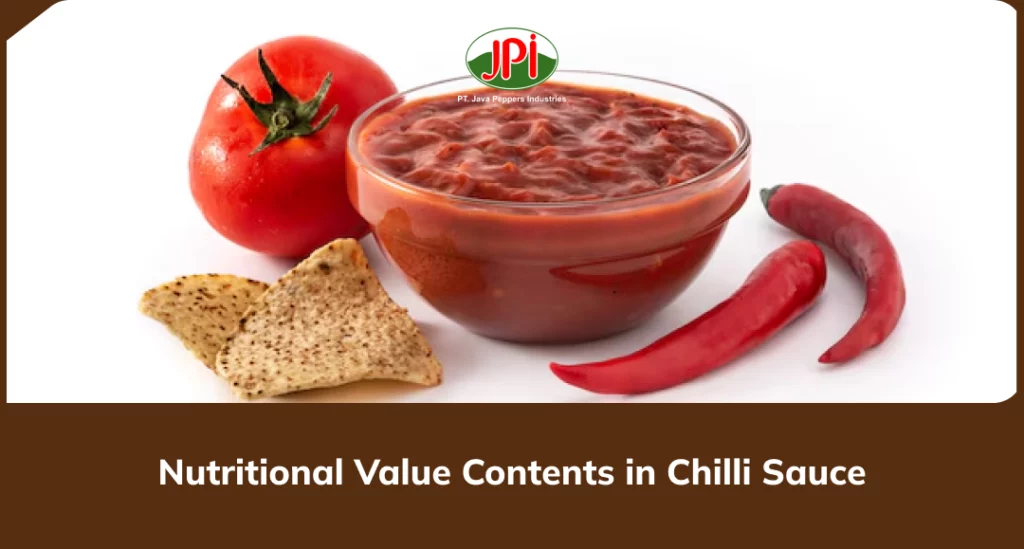
Nutritional Value Contents in Chili Sauce
1. Vitamin C for Immune Support
Chili sauce made from fresh chilies contains vitamin C. This vitamin helps support the immune system and protect the body from illness. In addition, vitamin C acts as an antioxidant that helps protect cells. Therefore, chili sauce can provide small health benefits when consumed in moderation.
2. Capsaicin and Metabolism Benefits
Capsaicin may help increase the body’s metabolism for a short time after eating. It is also linked to appetite control and weight management support. Some studies suggest capsaicin may help reduce inflammation as well. Because of this, spicy foods may offer more benefits than just heat and flavor.
3. Antioxidants from Chili and Garlic
Chilies and garlic contain antioxidants that help fight free radicals in the body. These compounds may support long-term health and reduce the risk of certain diseases. Red chilies are especially rich in beneficial plant compounds. Therefore, chili sauce can be more nutritious than many people realize.
4. Low Calorie Content per Serving
Most chili sauces are low in calories when eaten in normal amounts. One tablespoon usually contains only a small number of calories. This makes chili sauce a good option for adding flavor without adding too many calories. As a result, it can fit well into many healthy eating plans.
5. Sodium Awareness for Mindful Consumption
Many packaged chili sauces contain added salt for flavor and preservation. Too much sodium may not be suitable for people managing blood pressure. Because of this, it is important to check nutrition labels before buying. Homemade chili sauce can also be a healthier option since the salt level can be controlled.
Monsera Chili Sauce, A Typical Indonesian Spicy Flavor
Indonesia is famous for its rich culinary heritage and spicy food culture. Monsera Chili Sauce represents one of the authentic Indonesian spicy flavors made from selected chili peppers and natural ingredients. The sauce combines spicy, savory, and slightly sweet flavors that complement various dishes such as fried rice, noodles, seafood, grilled chicken, and traditional snacks.
Its authentic taste reflects Indonesia’s diverse food traditions and appeals to consumers seeking bold Asian flavors. With increasing global interest in Indonesian cuisine, Monsera Chili Sauce has strong potential in international markets, especially among buyers looking for unique and premium spicy condiments from Southeast Asia.
Let’s order via the button below now!
Conclusion
Understanding what is chili sauce made of gives you a much deeper appreciation for this everyday condiment. From carefully selected chili peppers and garlic to vinegar and natural sweeteners, every ingredient plays a specific role.