Chili export regulations – Understanding chili export regulations is the first step toward building a successful and sustainable international business. Every destination country enforces its own requirements for product quality, food safety, labeling, packaging, and phytosanitary certification. Exporters who understand these rules can prepare shipments more efficiently, avoid customs delays, reduce the risk of rejected products, and strengthen their reputation in the global market. By staying informed about the latest regulations, chili producers and exporters can expand their market reach while ensuring every shipment meets international standards.
Key Export Requirements
Expanding into international markets offers exciting opportunities for chili exporters. Growing global demand for fresh and processed chili products allows farmers, suppliers, and exporters to reach customers far beyond their domestic market. However, successful exporting involves much more than producing high quality chili. Every shipment must comply with legal, technical, and safety requirements established by both the exporting and importing countries.
Understanding key export requirements helps businesses avoid costly mistakes, customs delays, rejected shipments, and financial losses. A well-prepared exporter can build long-term relationships with international buyers by delivering products that consistently meet market expectations.
Meet Product Quality Standards
Comply with Food Safety Regulations
Obtain the Required Export Documents
Secure a Phytosanitary Certificate
Follow Packaging Requirements
Apply Correct Product Labels
Maintain Cold Chain Management
Understand Import Country Regulations
Build Strong Supply Chain Management
Invest in Continuous Improvement
Build Trust Through Consistency
Compliance and Quality Standards
Compliance means following the legal requirements and industry standards established by both the exporting and importing countries. Every destination market sets specific rules regarding food safety, pesticide residues, labeling, packaging, and phytosanitary measures.
Exporters who understand these requirements can prepare products correctly before shipping. They avoid unnecessary inspections, customs issues, and financial losses caused by rejected shipments.
Compliance also demonstrates professionalism. International buyers prefer suppliers who consistently deliver products that satisfy regulatory requirements without complications.
Maintaining High Product Quality
Food Safety Comes First
Managing Pesticide Residues Responsibly
Importance of Traceability
Proper Packaging Protects Product Quality
Temperature Control During Transportation
Certification Builds Market Confidence
Continuous Quality Inspection
Training Employees Improves Compliance
Documentation Supports Successful Exports
Compliance and quality standards create more than regulatory approval—they build lasting business value. Buyers prefer suppliers who consistently deliver safe, fresh, and reliable products. Companies that invest in quality management, food safety, traceability, employee training, and proper documentation position themselves for sustainable growth in international markets.
Monsera Chili Sauce, Authentic Indonesian Chili Sauce
No longer need to buy an expensive plane ticket to Jakarta or Bali to experience the thrilling world of authentic Indonesian spice. Monsera Chili Sauce packages the vibrant culture, rich agricultural heritage, and bold flavors of the archipelago into an easy-to-use, premium product.
Stop settling for bland, uninspiring meals that lack character. Grab favorite variant of Monsera Chili Sauce from local international market or order a jar online today. Take active control of kitchen, shock taste buds with genuine Indonesian heat, and elevate home cooking to extraordinary new heights!
Monsera Chili Sauce is crafted to represent authentic Indonesian flavors, and it offers a smooth balance of heat and richness. Additionally, the sauce is suitable for daily use, which makes it ideal for beginners exploring spicy food.
Let’s order via the button below now!
Conclusion
Mastering key export requirements and strict quality compliance empowers Monsera Chili Sauce to bring authentic Indonesian flavors directly to global tables. By holding every batch to rigorous international standards and streamlining regulatory paperwork, the brand delivers reliable food safety, exceptional taste, and seamless cross-border distribution. This dedication to uncompromising quality positions Monsera as a trusted ambassador for Indonesia’s rich culinary heritage in competitive overseas markets.
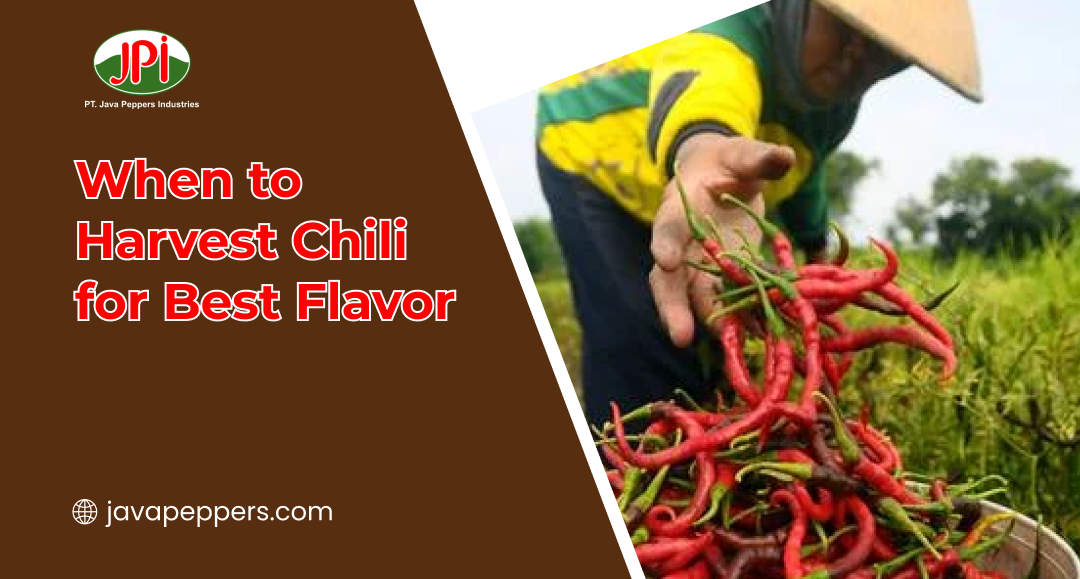
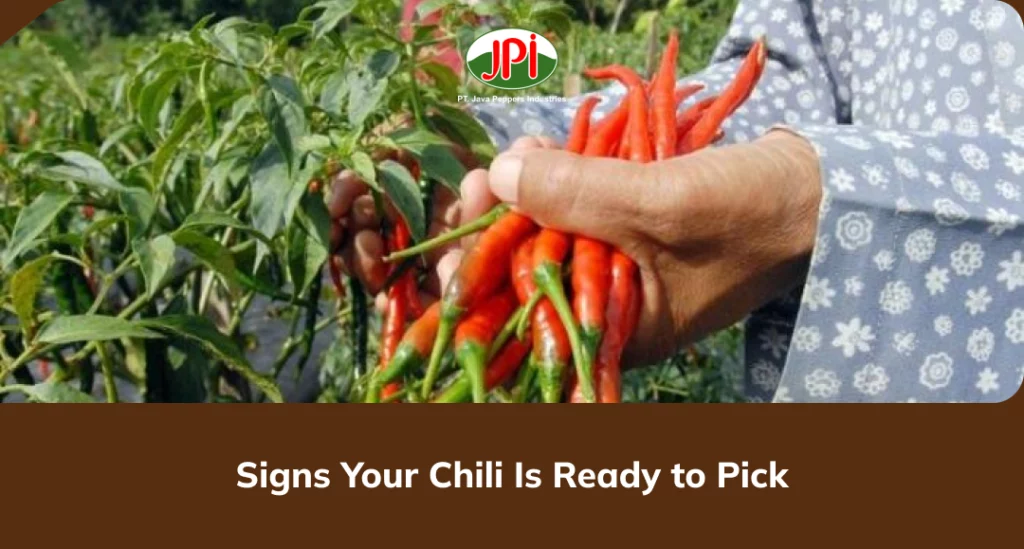
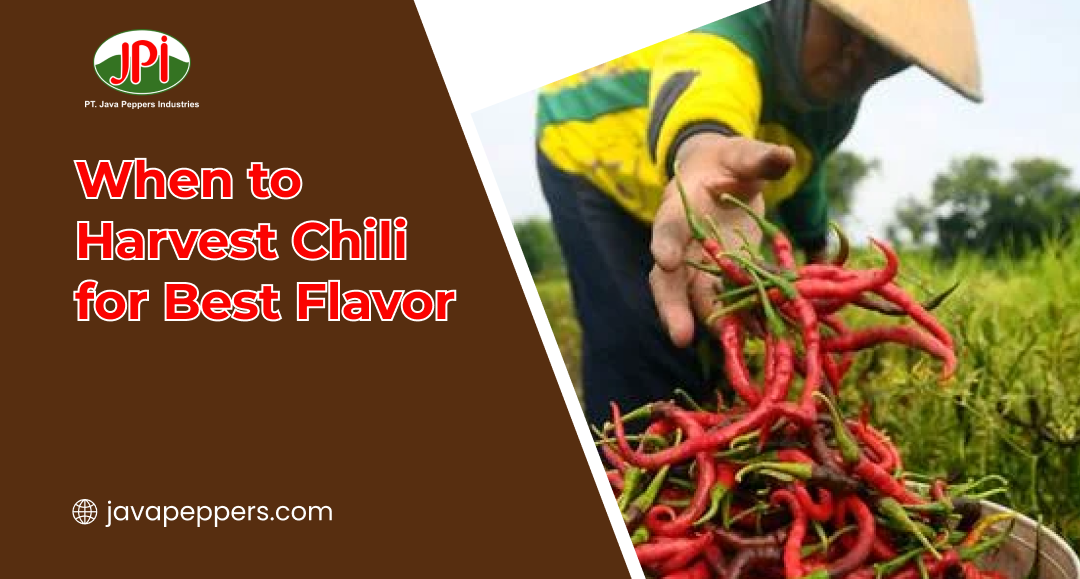
When to harvest chili – Harvesting chili peppers at the right time makes a noticeable difference in their flavor, aroma, and heat level. Picking them too early often results in a milder taste, while leaving them on the plant until they reach full maturity allows their color, sweetness, and spiciness to develop naturally. By recognizing the signs of ripeness and choosing the ideal harvest time. Can ensure your chili peppers achieve their ultimate culinary potential. Look for key physical indicators such as a vibrant, uniform color change, a firm texture when gently squeezed, and small corking lines on the skin, which often signal peak heat and maturity. To harvest, use sharp shears or snips to cut the stem just above the cap rather than pulling, as this prevents damaging the plant and encourages continuous fruit production throughout the growing season.
Signs Your Chili Is Ready to Pick
Harvesting chili peppers at the right time plays a major role in their flavor, aroma, texture, and heat. Picking them too early often produces peppers with a mild taste and underdeveloped color, while waiting too long may leave them overripe or vulnerable to pests. Knowing when to harvest helps enjoy the best quality, whether plan to use fresh chilies in recipes, dry them for seasoning, or save seeds for the next growing season.
Fortunately, chili plants provide several clear signs that indicate the fruit has reached peak maturity. By learning these indicators, can harvest with confidence and maximize both yield and flavor.
The Chili Has Reached Its Mature Color
The Pepper Has Reached Full Size
The Skin Looks Smooth and Glossy
The Pepper Feels Firm
The Stem Detaches Easily
The Variety’s Heat Level Has Fully Developed
Small Corking Marks May Appear
The Plant Continues Producing New Flowers
Recognizing the signs that chili is ready to pick helps enjoy peppers with the best flavor, texture, and heat. Watch for the mature color, full size, glossy skin, firm texture, and easy stem removal before harvesting. Picking peppers at the right stage not only improves their culinary quality but also encourages plants to continue producing throughout the growing season. With careful observation and proper harvesting techniques, can enjoy a steady supply of fresh, flavorful chilies from garden.
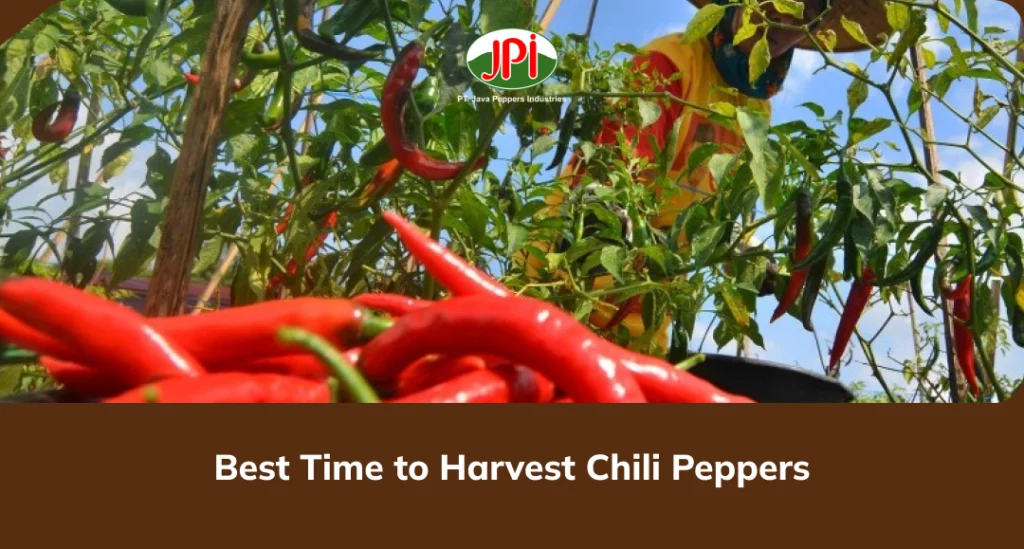
Best Time to Harvest Chili Peppers
Harvesting chili peppers at the right time can make a remarkable difference in flavor, aroma, color, and heat. Whether grow chilies in a home garden or on a larger farm, knowing when to pick them helps get the best quality while encouraging healthy plant growth. Many gardeners make the mistake of harvesting peppers too early, resulting in less flavorful fruits with lower heat levels. On the other hand, waiting too long can lead to overripening, pest damage, or fruit drop.
Understand the Chili Pepper Growth Stages
Harvest Green Peppers for a Mild Flavor
Wait for Full Color to Maximize Flavor
Check the Fruit Texture
Harvest During Dry Weather
Use Clean and Sharp Pruning Tools
Harvest Frequently Throughout the Season
Know the Signs of Overripe Peppers
Store Freshly Harvested Peppers Properly
Common Harvesting Mistakes to Avoid
The best time to harvest chili peppers depends on the flavor, color, and heat want to achieve. Green peppers provide a fresh, mild taste, while fully ripened peppers offer deeper flavor, brighter color, and more intense heat. By monitoring fruit size, color, firmness, and weather conditions, can harvest each pepper at its peak quality. Combine proper harvesting techniques with careful storage, and you’ll enjoy flavorful chili peppers that are perfect for fresh cooking, drying, pickling, or creating homemade sauces throughout the year.
Monsera Chili Sauce, Authentic Indonesian Chili Sauce
No longer need to buy an expensive plane ticket to Jakarta or Bali to experience the thrilling world of authentic Indonesian spice. Monsera Chili Sauce packages the vibrant culture, rich agricultural heritage, and bold flavors of the archipelago into an easy-to-use, premium product.
Stop settling for bland, uninspiring meals that lack character. Grab favorite variant of Monsera Chili Sauce from local international market or order a jar online today. Take active control of kitchen, shock taste buds with genuine Indonesian heat, and elevate home cooking to extraordinary new heights!
Monsera Chili Sauce is crafted to represent authentic Indonesian flavors, and it offers a smooth balance of heat and richness. Additionally, the sauce is suitable for daily use, which makes it ideal for beginners exploring spicy food.
Let’s order via the button below now!
Conclusion
Harvesting chili peppers at the right stage helps you enjoy the best flavor, texture, and heat while keeping the plants productive. By recognizing the signs of ripeness and choosing the ideal harvest time, you can maximize the quality of every pepper you pick. To complete your favorite dishes with an authentic spicy taste, pair freshly harvested chilies with Monsera Chili Sauce, an authentic Indonesian chili sauce made to deliver rich flavor and satisfying heat.
Mastering the best chili drying techniques for export ensures that produce meets strict international quality standards, preserves its vibrant color, and retains its pungent heat profile. By actively controlling moisture removal through advanced solar drying, dehydration tunnels, or precise mechanical heat systems, exporters can completely eliminate aflatoxin risks and prevent mold growth during long transoceanic transits. Implementing these premium drying methods directly upgrades product’s market value, locks in essential capsaicin levels, and guarantees a shelf-stable commodity that global buyers demand.
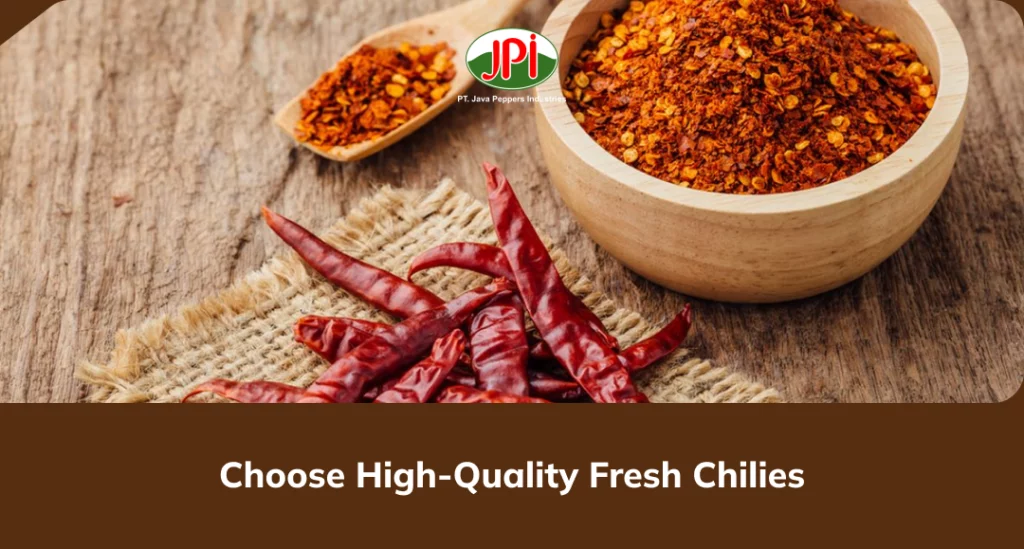
Choose High Quality Fresh Chilies
Choosing high-quality fresh chilies is an art that anyone can master. When you actively select the best peppers, you improve the taste of food, extend the shelf life of groceries, and get the most value for money. Let’s dive into the ultimate guide on how to spot and choose premium fresh chilies every single time!
Look Closely: Inspect the Visual Clues
Touch and Feel: Test the Firmness
Don’t Ignore the Stem: The Vital Freshness Indicator
Weight Matters: Heavy Means Juicy
Smart Storage: Lock in the Freshness at Home
Dishes only taste as good as the ingredients you put into them. By taking an extra minute to check the skin, feel the firmness, and inspect the stems, you confidently buy the freshest, most flavorful ingredients available.
Choosing high-quality fresh chilies elevates culinary creations, respects household budget, and keeps family meals vibrant and exciting. Visit local farmer’s market or grocery store today, apply these quick tips, and taste the difference that true freshness brings to kitchen!
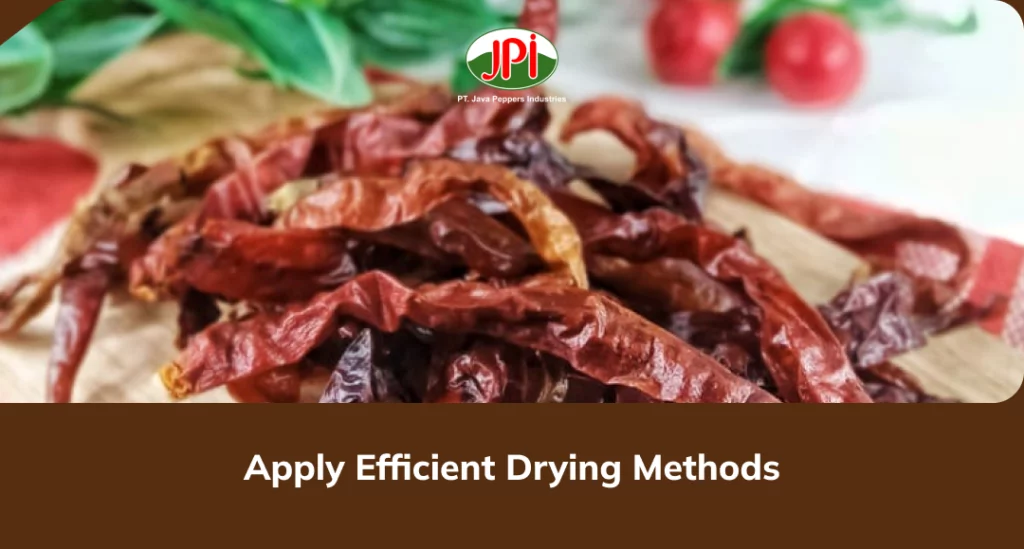
Apply Efficient Drying Methods
Drying does more than just remove water; it stabilizes product. When you lower the moisture content to the correct level, you stop the growth of mold, bacteria, and yeast. These microscopic threats love damp, warm environments. If you dry product too slowly or inefficiently, you create the perfect breeding ground for decay.
The Three Pillars of Efficient Drying
No matter which method you choose, you must balance three critical variables to achieve success: Heat, Airflow, and Time.
1. Optimize Airflow
Stagnant air ruins drying operations. Air acts as a sponge—it absorbs moisture from the surface of product and carries it away. If air moves too slowly, it becomes saturated with water vapor and stops absorbing. Keep the air moving constantly across the entire surface area of crop.
2. Manage Temperature
Temperature dictates the rate of evaporation. As you raise the temperature, water molecules move faster and escape the product more quickly. However, you must avoid “case hardening,” a condition where the outer layer dries so fast that it creates a hard shell, trapping moisture inside. Start with a moderate temperature and gradually increase it, or maintain a steady, gentle heat.
3. Track Moisture Levels
Stop guessing and start measuring. Use a moisture meter to check product regularly. Over-drying costs you money because you lose weight (the product becomes lighter) and texture quality. Under-drying results in mold growth during storage. Aim for the specific moisture percentage that market or end-use requires.
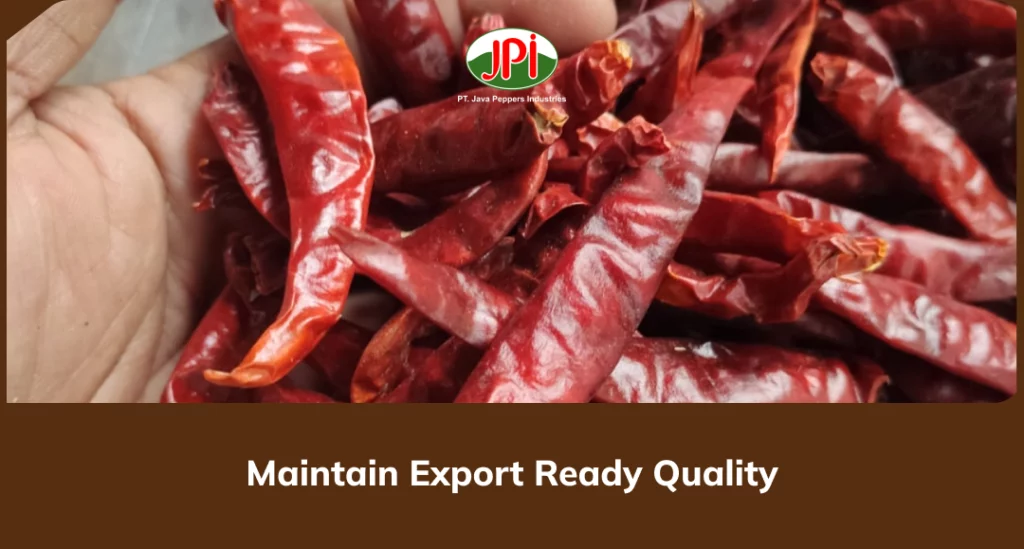
Maintain Export Ready Quality
Entering the international trade arena presents a massive growth opportunity for business. When you open doors to global buyers, you tap into larger markets, higher price points, and consistent purchase orders. However, global opportunities come with global expectations. International buyers demand perfection, and foreign border agencies enforce strict agricultural and manufacturing regulations. To thrive in this competitive arena, you must maintain export-ready quality.
Master Post-Harvest and Processing Standards
Upgrade to Premium Export Packaging
Implement Strict Traceability and Documentation
Foster a “Quality First” Workplace Culture
Achieving international success requires more than just finding a buyer; it demands that you deliver flawless execution every single time. By actively standardizing processing methods, upgrading shipping packaging, securing bulletproof documentation, and empowering staff, you build an unbeatable defensive wall around product’s integrity.
Monsera Chili Sauce, Authentic Indonesian Chili Sauce
No longer need to buy an expensive plane ticket to Jakarta or Bali to experience the thrilling world of authentic Indonesian spice. Monsera Chili Sauce packages the vibrant culture, rich agricultural heritage, and bold flavors of the archipelago into an easy-to-use, premium product.
Stop settling for bland, uninspiring meals that lack character. Grab your favorite variant of Monsera Chili Sauce from your local international market or order a jar online today. Take active control of your kitchen, shock your taste buds with genuine Indonesian heat, and elevate your home cooking to extraordinary new heights!
Monsera Chili Sauce is crafted to represent authentic Indonesian flavors, and it offers a smooth balance of heat and richness. Additionally, the sauce is suitable for daily use, which makes it ideal for beginners exploring spicy food.
Let’s order via the button below now!
Conclusion
Chili in traditional Indonesian food is an important part that makes the dish have their unique and rich flavor. There are several types of chili that used in many traditional Indonesian food like bird’s eye chili, red chili pepper, curly red chili, green chili and cayenne chili. It’s usually serves a condiment, mixing sauces or added as a spice to enhance flavor in Indonesian traditional food.
We usually associate chili peppers with culinary sweat and tears, but recent science suggests they deserve a spot at the center of the heart-health conversation. When you eat a hot pepper, its active ingredients trigger a cascade of positive cardiovascular effects, driving down inflammation and helping to keep blood pressure in check. It turns out that spice-lovers might actually hold a secret weapon for longevity, proving that a little extra heat can go a long way for cardiovascular defense.
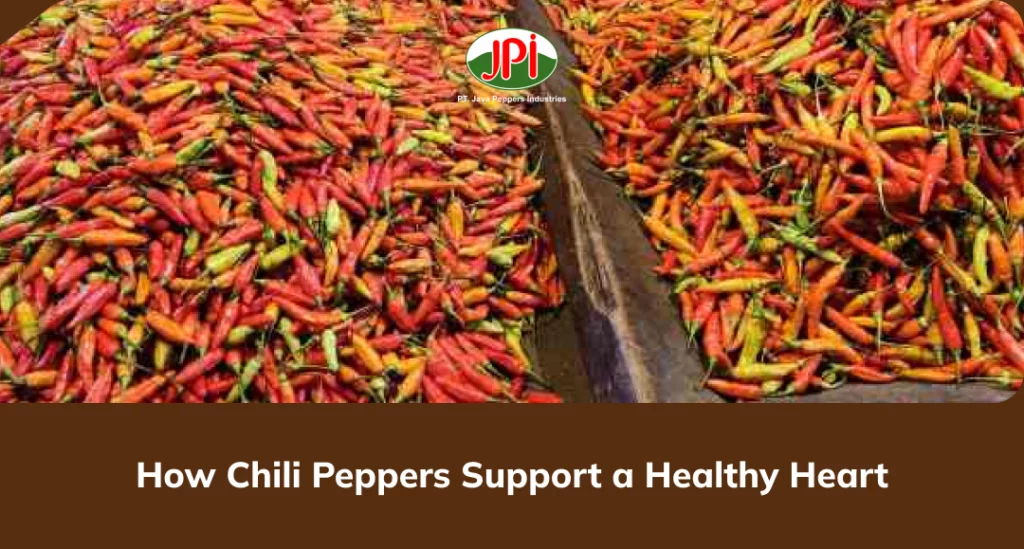
How Chili Peppers Support a Healthy Heart
Let’s take a closer look at the science behind this popular ingredient and its role in promoting cardiovascular wellness.
Nutrients in Chili Peppers That Benefit the Heart :
Vitamin C
Vitamin A
Vitamin B6
Potassium
Flavonoid antioxidants
Carotenoids
These nutrients work together to help combat oxidative stress, a condition linked to chronic diseases, including heart disease.
Capsaicin Helps Improve Blood Circulation :
Capsaicin may help relax and widen blood vessels, allowing blood to flow more efficiently throughout the body.
When blood vessels function properly, the heart does not have to work as hard to pump blood. This can help reduce strain on the cardiovascular system and support long-term heart health.
Supporting Healthy Blood Pressure Levels :
Research suggests that capsaicin may encourage the production of nitric oxide, a compound that helps blood vessels remain flexible and relaxed. Healthy blood vessel function contributes to more stable blood pressure levels and better cardiovascular performance. While chili peppers should not replace prescribed treatments for hypertension, they can be part of a heart-friendly diet when consumed in moderation.
Rich in Antioxidants That Protect the Heart :
Vitamin C
Beta-carotene
Capsanthin
Lutein
These compounds help protect cells from oxidative damage and support the health of blood vessels. Healthy arteries and veins play a critical role in maintaining efficient blood circulation and overall cardiovascular function.
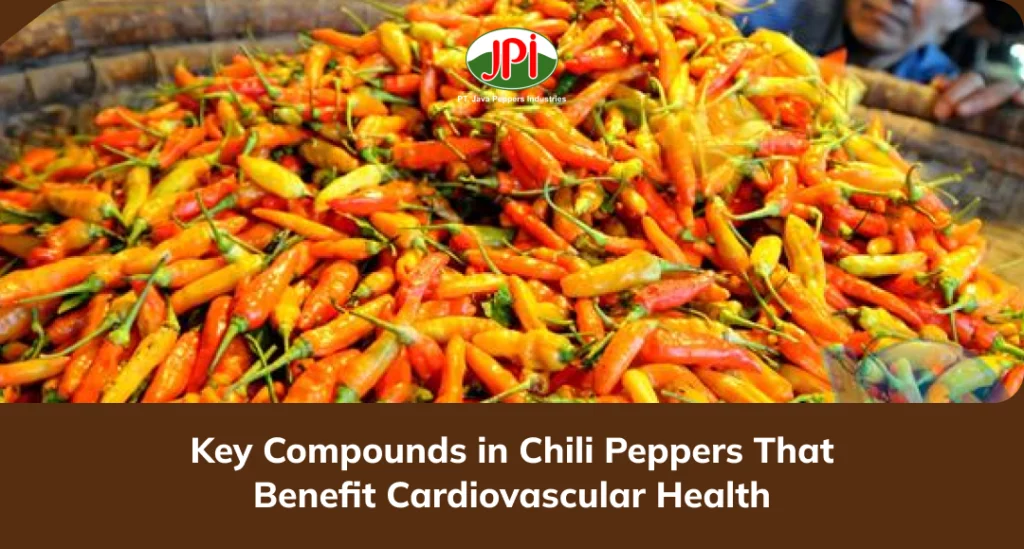
Key Compounds in Chili Peppers That Benefit Cardiovascular Health
Capsaicin may also support healthy blood pressure levels when combined with a nutritious lifestyle. By promoting vascular function, this compound contributes to maintaining the flexibility and responsiveness of blood vessels.
Another advantage of capsaicin is its potential role in managing inflammation. Chronic inflammation is often linked to various cardiovascular concerns, making anti-inflammatory foods an important part of a heart-conscious diet.
Fiber supports cardiovascular health in several ways:
Helps maintain healthy cholesterol levels
Supports digestive health
Promotes satiety and weight management
Encourages stable blood sugar control
Maintaining a healthy body weight and balanced cholesterol profile can significantly benefit long-term heart health. Together, these nutrients help combat oxidative stress, support healthy blood vessels, promote circulation, and contribute to overall heart wellness. While chili peppers are not a standalone solution for cardiovascular health, they can be a valuable addition to a balanced diet rich in fruits, vegetables, whole grains, and lean proteins. By incorporating chili peppers into meals regularly and sensibly, individuals can enjoy both their distinctive taste and their potential heart-supporting benefits.
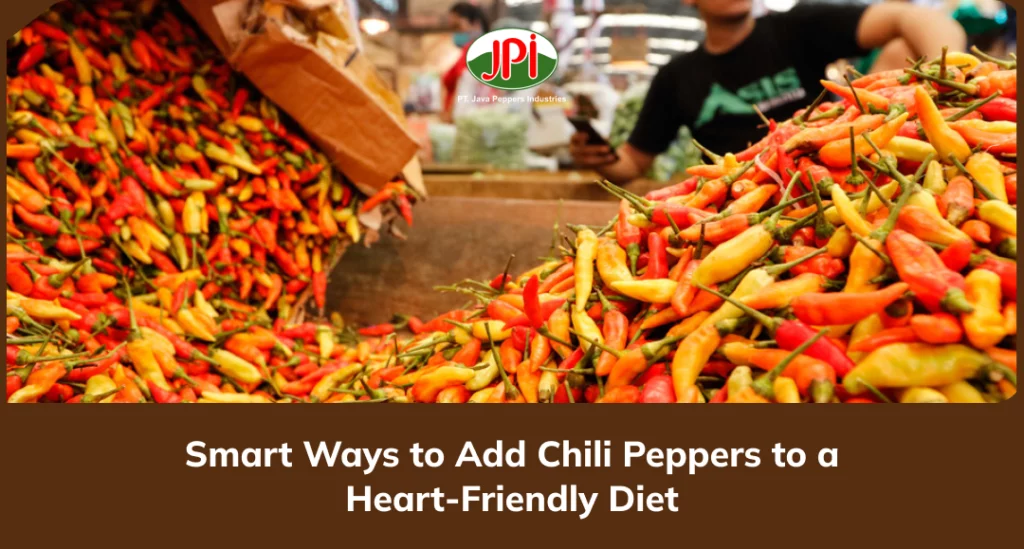
Smart Ways to Add Chili Peppers to a Heart Friendly Diet
Research suggests that capsaicin may help support healthy circulation, promote a balanced metabolism, and reduce certain inflammatory responses in the body. While chili peppers are not a cure for heart disease, they can be a valuable addition to a healthy lifestyle focused on cardiovascular well-being.
The greatest benefits come when chili peppers are paired with nutrient-dense foods such as vegetables, fruits, whole grains, legumes, fish, and lean proteins.
Use Chili Peppers to Reduce Excess Salt Intake
Add Chili Peppers to Vegetable-Based Dishes
Choose Healthy Cooking Methods
Create Healthier Homemade Salsas and Sauces
Pair Chili Peppers with Lean Protein Sources
Incorporate Chili Peppers into Whole-Grain Meals
Be Mindful of Portion Size
Monsera Chili Sauce, Authentic Indonesian Chili Sauce
Indonesia is famous for its rich culinary heritage and spicy food culture. Monsera Chili Sauce represents one of the authentic Indonesian spicy flavors made from selected chili peppers and natural ingredients. The sauce combines spicy, savory, and slightly sweet flavors that complement various dishes such as fried rice, noodles, seafood, grilled chicken, and traditional snacks.
Its authentic taste reflects Indonesia’s diverse food traditions and appeals to consumers seeking bold Asian flavors. With increasing global interest in Indonesian cuisine, Monsera Chili Sauce has strong potential in international markets, especially among buyers looking for unique and premium spicy condiments from Southeast Asia.
Monsera Chili Sauce is crafted to represent authentic Indonesian flavors, and it offers a smooth balance of heat and richness. Additionally, the sauce is suitable for daily use, which makes it ideal for beginners exploring spicy food.
Let’s order via the button below now!
Conclusion
Adding chili peppers to daily meals is a smart, flavorful way to actively protect cardiovascular health. Their key compound, capsaicin, works wonders by improving blood circulation, lowering cholesterol, and fighting the inflammation that triggers heart disease. You can easily reap these benefits without upsetting stomach by tossing fresh chilies into veggie stir-fries, sprinkling dried flakes over warm soups, or blending low-sodium homemade salsas. Ultimately, bringing a little heat to the kitchen is more than just a culinary choice—it is a powerful, proactive investment in heart’s longevity.
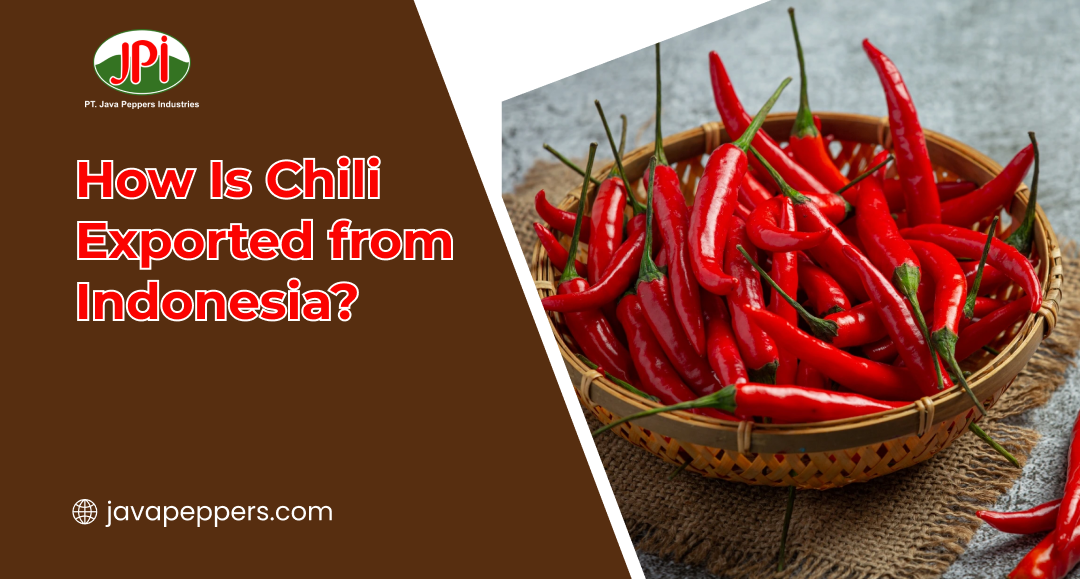
Penetrating the international market with our nation’s proud, spicy commodity has now become a highly lucrative business opportunity. Exporting chili from Indonesia actually involves a strict supply chain, starting from selecting premium seeds at the farmer level, hygienic cleaning in packaging facilities, to meticulous plant quarantine certifications. Every single stage moves quickly and measurably to ensure that the freshness of this ‘fiery red’ spice is perfectly preserved until it reaches the hands of global consumers. Entrepreneurs often ask how is chili exported smoothly, which requires mastering global quality standards, proper sorting, and choosing high-speed air freight for premium agricultural products.
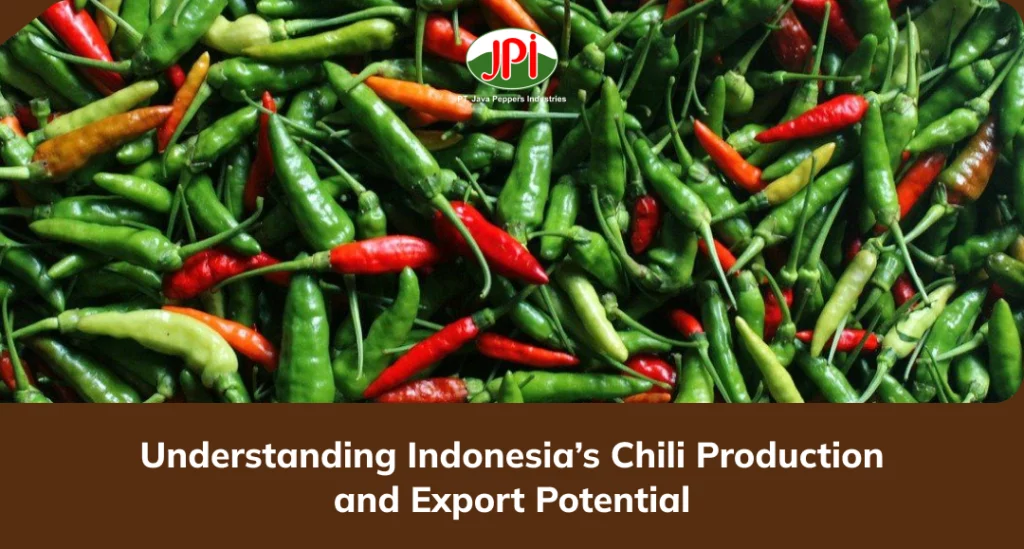
Understanding Indonesia’s Chili Production and Export Potential
As a key ingredient in countless traditional dishes, chili plays a central role in the country’s culinary culture and food industry. Beyond domestic consumption, chili also offers significant economic value and has strong potential as an export commodity. Supported by a tropical climate and extensive agricultural land, Indonesia is well-positioned to expand its chili production and strengthen its presence in international markets.
The high domestic demand for chili ensures a consistently active market. In addition to being sold fresh, chili can be processed into a variety of value-added products, including chili sauce, chili powder, packaged sambal, and seasoning blends.
The growth of food processing industries has further increased demand for chili production. As a result, the chili supply chain supports not only farmers but also manufacturers, distributors, and retailers throughout the country.
Several factors contribute to Indonesia’s strong chili production capacity:
Extensive agricultural land resources.
Favorable tropical climate year-round.
Experienced farmers with strong cultivation knowledge.
Stable domestic demand.
Growing adoption of modern agricultural technology.
Indonesia has a strong opportunity to capitalize on this growing demand. In addition to exporting fresh chili, the country can expand exports of processed products that offer longer shelf life and higher market value.
Fresh chili peppers.
Dried chili.
Chili powder.
Packaged sambal.
Chili sauces.
Chili extracts for food processing industries.
Understanding Indonesia’s chili production and export potential reveals that chili is far more than just a common kitchen ingredient. It is a strategic agricultural commodity capable of supporting economic growth, improving farmer livelihoods, and enhancing Indonesia’s reputation as a leading producer of high-quality chili products. With the right strategies and long-term commitment, Indonesia can transform its chili industry into a powerful contributor to global agricultural trade.
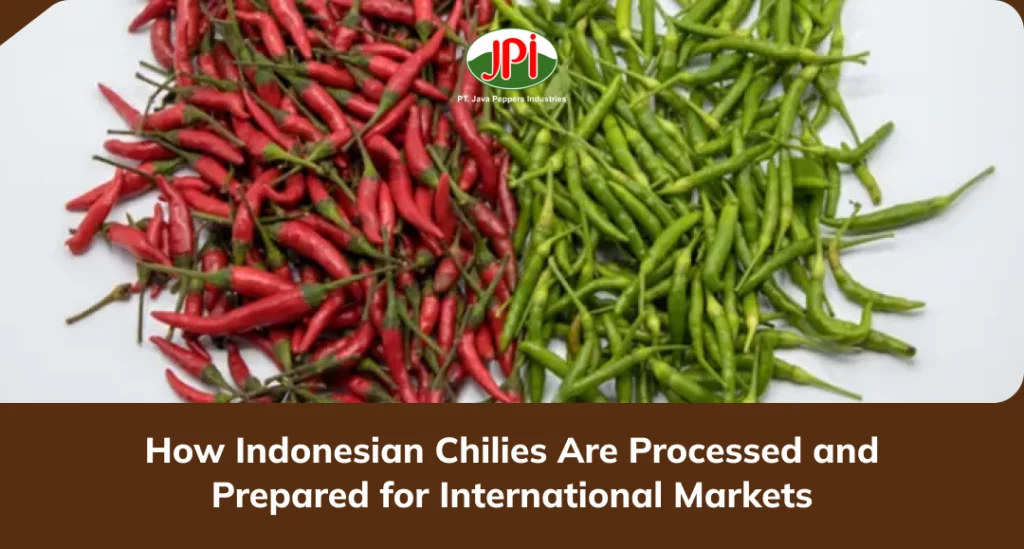
How Indonesian Chilies Are Processed and Prepared for International Markets
Harvesting is usually done manually to minimize damage to the fruit. Workers carefully pick the chilies and place them in clean containers to avoid bruising. Proper harvesting techniques are essential because damaged chilies can spoil quickly and reduce the overall quality of export shipments.
Timing also plays a crucial role. Farmers generally harvest chilies during cooler parts of the day, such as early morning, to preserve freshness and maintain product quality throughout the supply chain.
Sorting and Grading for Export Quality
Cleaning and Sanitizing the Product
Post-Harvest Handling and Cooling
Packaging According to International Standards
Processed products such as chili powder and sauces are packaged in sealed containers designed to preserve freshness and extend shelf life. Labels must also comply with the regulations of destination countries, including information about ingredients, origin, production dates, and food safety certifications.
Meeting International Food Safety Requirements
Documentation allows buyers to verify the origin and handling of products throughout the supply chain.
Regular inspections, laboratory testing, and quality audits help ensure that exported chilies meet the standards required by importing countries. This commitment to quality strengthens Indonesia’s competitiveness in the global marketplace.
Transportation and Export Logistics
Exporters work closely with logistics providers, customs authorities, and international distributors to ensure smooth delivery. Accurate documentation and proper handling reduce delays and help products reach their destinations in excellent condition.
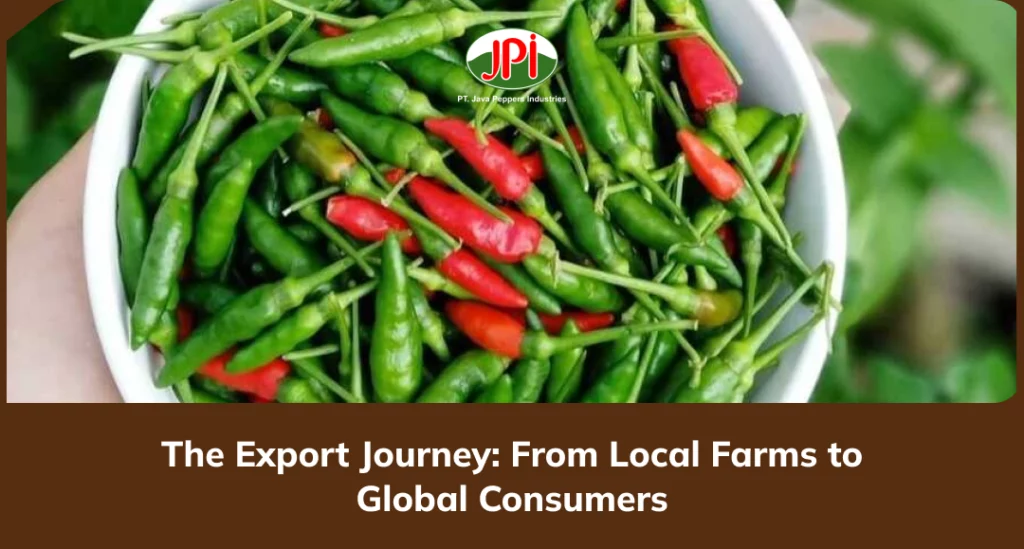
The Export Journey: From Local Farms to Global Consumers
The Export Journey: From Local Farms to Global Consumers
International buyers often require consistency in size, color, taste, and freshness. As a result, farmers must focus on maintaining high standards throughout the growing season. Many farmers also adopt sustainable farming methods to meet the increasing demand for environmentally friendly products.
In addition, collaboration between farmers, cooperatives, and export companies helps ensure a steady supply of products throughout the year. This consistency is essential for maintaining long-term relationships with overseas buyers.
Harvesting and Sorting for Export Standards
Sorting ensures that international customers receive products with uniform quality. This attention to detail helps exporters build trust with importers and strengthens their reputation in global markets.
Products that do not meet export standards are often sold domestically or processed into value-added products, reducing waste and maximizing profitability.
Technology Drives Modern Export Growth
These innovations make it easier for local farms to compete in the global marketplace. As technology continues to evolve, the export journey becomes faster, more efficient, and more reliable for all stakeholders involved.
Packaging Protects Products During Transportation
Fresh fruits and vegetables may be packed in ventilated cartons, while processed products often require sealed packaging that extends shelf life.
Modern packaging also includes important product information such as country of origin, production date, batch number, certifications, and handling instructions. These details help meet international regulations and improve traceability throughout the supply chain.
Customs Clearance and Market Entry
If everything meets the required standards, the products are cleared for distribution. This stage is crucial because any discrepancies in documentation or quality can result in delays, additional costs, or even shipment rejection.
Experienced exporters invest significant effort in preparing accurate documentation and maintaining quality standards to avoid complications during customs clearance.
Conclusion
Indonesia possesses an incredibly massive chili production and export potential to compete in the global market. Through hygienic processing and preparation that meet international standards, this spicy commodity safely penetrates worldwide markets. The integrated export journey from local farms to global consumers proves that the quality of Indonesian chilies is now increasingly recognized worldwide.