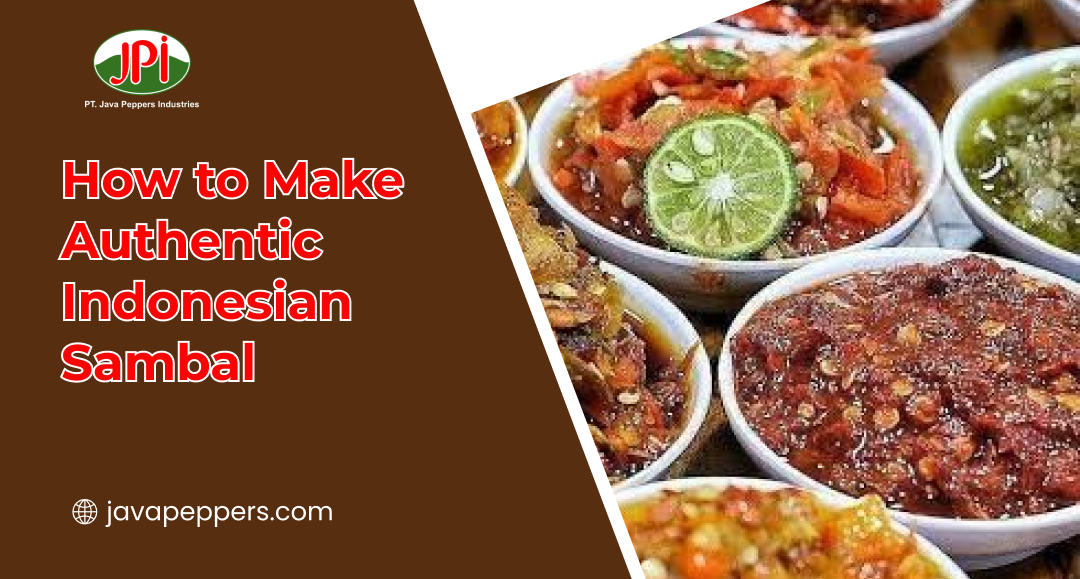
How to Make Sambal – Sambal sits on almost every Indonesian dinner table. This spicy condiment turns plain rice into something amazing. However, many people wonder how to make sambal the right way. Luckily, the process stays simpler than most folks expect. Additionally, authentic sambal only needs a handful of fresh ingredients. So, grab your mortar and let’s get cooking!
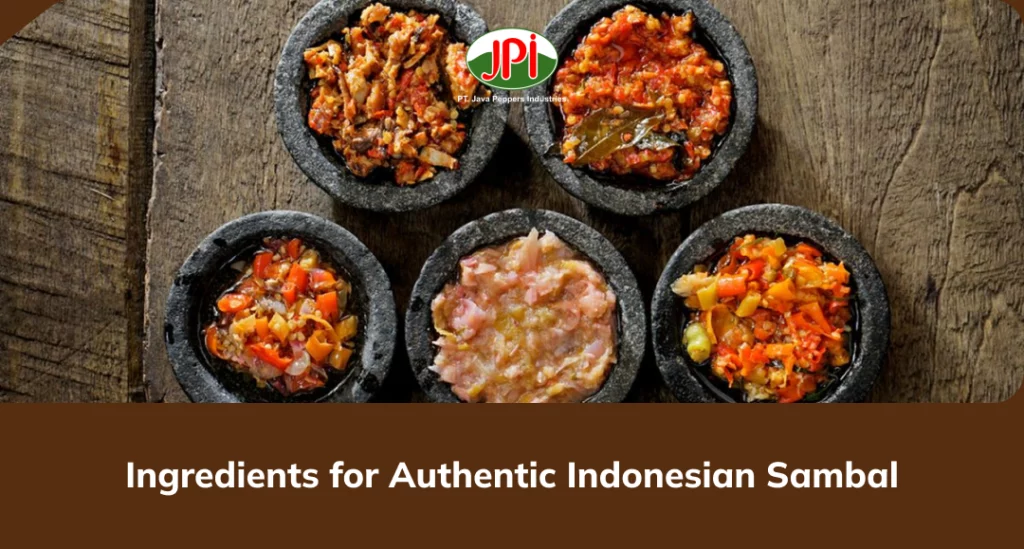
Ingredients for Authentic Indonesian Sambal
ingredients_for_authentic_indonesian_sambal_
Authentic Indonesian sambal starts with fresh and high-quality ingredients. Each ingredient has an important role in creating its unique flavor. In addition, the right combination produces a balanced taste of spicy, savory, and fresh. Here are five essential ingredients for making traditional sambal.
Fresh Red Chilies
Fresh red chilies are the main ingredient in most sambal recipes. Bird’s eye chilies provide a stronger level of heat. Meanwhile, large red chilies add natural sweetness and a brighter color. Therefore, many recipes combine both types for a balanced flavor.
Shallots and Garlic
Shallots give sambal a mild sweetness and pleasant aroma. Garlic adds a rich savory taste that complements the chilies. In addition, these two ingredients create the base flavor of traditional sambal. For this reason, they are almost always used together.
Shrimp Paste (Terasi)
Shrimp paste gives sambal its distinctive savory and umami flavor. It has a strong aroma before cooking. However, roasting the shrimp paste first creates a milder and more pleasant taste. As a result, the sambal becomes richer and more flavorful.
Tomatoes
Tomatoes add natural moisture and a slightly tangy taste. They also help reduce the sharpness of the chili heat. In addition, ripe tomatoes create a smoother and thicker sambal texture. Therefore, choose fresh and fully ripe tomatoes for the best results.
Salt, Sugar, and Lime
Salt helps bring out the flavor of every ingredient in the sambal. Sugar balances the heat and reduces excessive spiciness. In addition, lime juice adds a fresh and slightly sour finish. Together, these ingredients create a well-balanced taste.
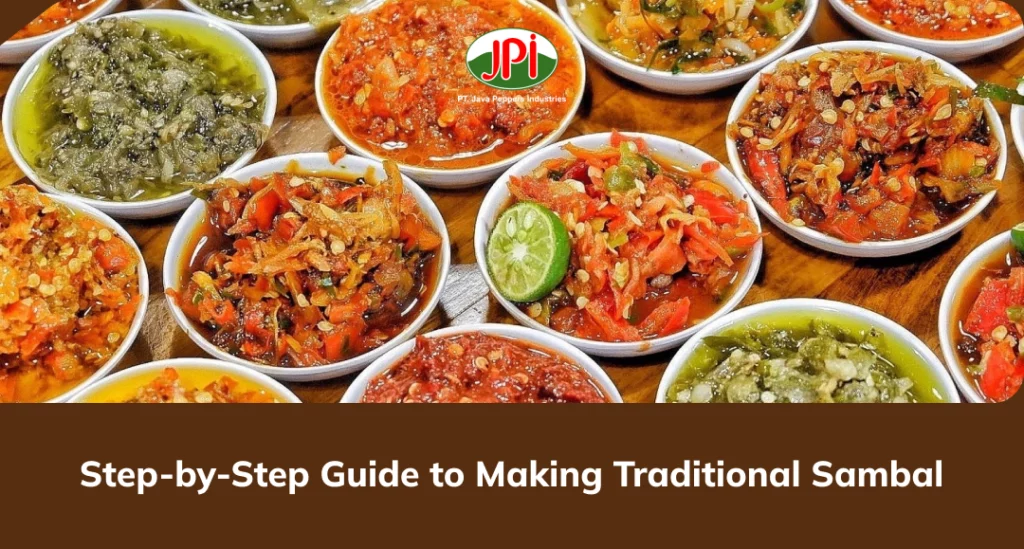
Step-by-Step Guide to Making Traditional Sambal
step_by_step_guide_to_making_traditional_sambal_
Making traditional sambal is simple when each step is followed carefully. Every stage helps develop the flavor and texture of the sambal. In addition, using fresh ingredients improves the final result. Here are five easy steps to make authentic Indonesian sambal.
Prepare and Wash the Ingredients
Wash the chilies, tomatoes, shallots, and garlic thoroughly before cooking. Remove any dirt or damaged parts from the ingredients. In addition, drain and dry them to reduce excess moisture. This preparation helps keep the sambal clean and fresh.
Roast or Fry the Ingredients
Roast or lightly fry the chilies, tomatoes, shallots, and garlic. This process softens the ingredients and enhances their natural flavor. In addition, roasting helps reduce the raw taste of the chilies. As a result, the sambal develops a richer aroma.
Blend or Pound the Mixture
Blend the cooked ingredients until they reach the desired texture. You can also use a traditional mortar and pestle for a more authentic result. In addition, avoid blending too smoothly if you prefer a slightly chunky sambal. This method creates a more traditional texture.
Cook the Sambal with Oil
Heat a small amount of oil in a pan before adding the blended mixture. Stir continuously to prevent the sambal from burning. In addition, cooking helps remove the raw flavor and enhances the aroma. Continue cooking until the oil begins to separate from the mixture.
Season and Taste
Add salt, sugar, and lime juice after the sambal is cooked. Taste the sambal and adjust the seasoning if necessary. In addition, you can increase or reduce the spice level according to your preference. Finally, let the sambal cool before serving or storing.
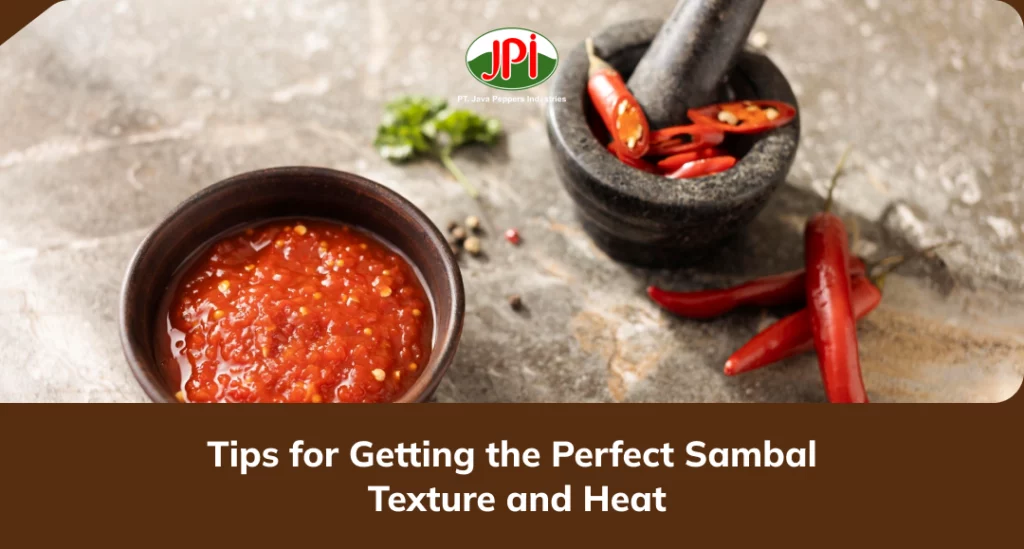
Tips for Getting the Perfect Sambal Texture and Heat
A good sambal should have the right balance of texture and spiciness. Small adjustments can make a big difference in the final result. In addition, proper cooking techniques help improve the overall flavor. Here are five useful tips to make delicious sambal.
Use the Right Chili Combination
Mix bird’s eye chilies with large red chilies for a balanced taste. Bird’s eye chilies provide intense heat, while large chilies add sweetness. In addition, combining both creates a richer flavor. Therefore, adjust the ratio to match your preferred spice level.
Cook at the Right Temperature
Cook the sambal over medium heat for the best results. High heat may burn the ingredients and create a bitter taste. In addition, cooking too quickly may leave a raw flavor. Therefore, stir the sambal regularly until it is fully cooked.
Adjust the Amount of Oil
The amount of oil affects the texture of the sambal. More oil creates a smoother and richer consistency. In addition, less oil produces a thicker and chunkier texture. Choose the amount based on the style of sambal you want to make.
Store Sambal Properly
Keep sambal in an airtight container after it has cooled completely. Store it in the refrigerator to maintain its freshness for a longer time. In addition, a thin layer of oil on top can help preserve the sambal. Proper storage also helps maintain its flavor and aroma.
Monsera Chili Sauce is crafted to represent authentic Indonesian flavors, and it offers a smooth balance of heat and richness. Additionally, the sauce is suitable for daily use, which makes it ideal for beginners exploring spicy food.
Let’s order via the button below now!
Conclusion
Learning how to make sambal opens up endless flavor possibilities. Fresh ingredients, careful cooking, and proper seasoning all matter greatly. Meanwhile, texture and heat balance depend on personal preference. Anyone can master this recipe with a little practice
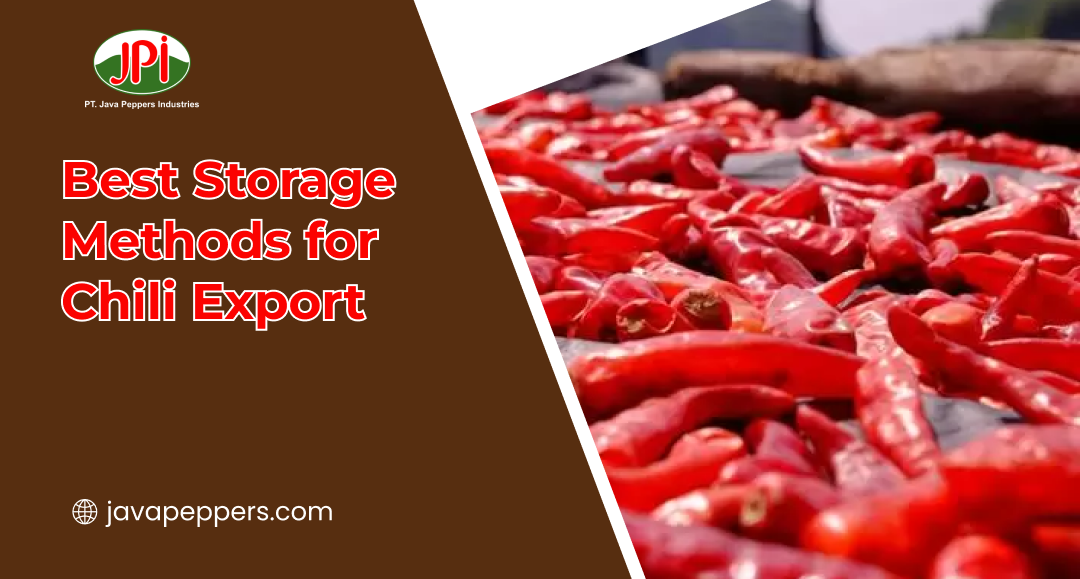
Chili Storage Methods – Chili peppers travel a long way before reaching another country. Exporters face a tricky problem, though. Fresh chili spoils fast without proper care. That’s why chili storage methods matter so much for every exporter. Additionally, the right technique keeps color, heat, and freshness intact. So, this article breaks down the smartest storage tricks around!
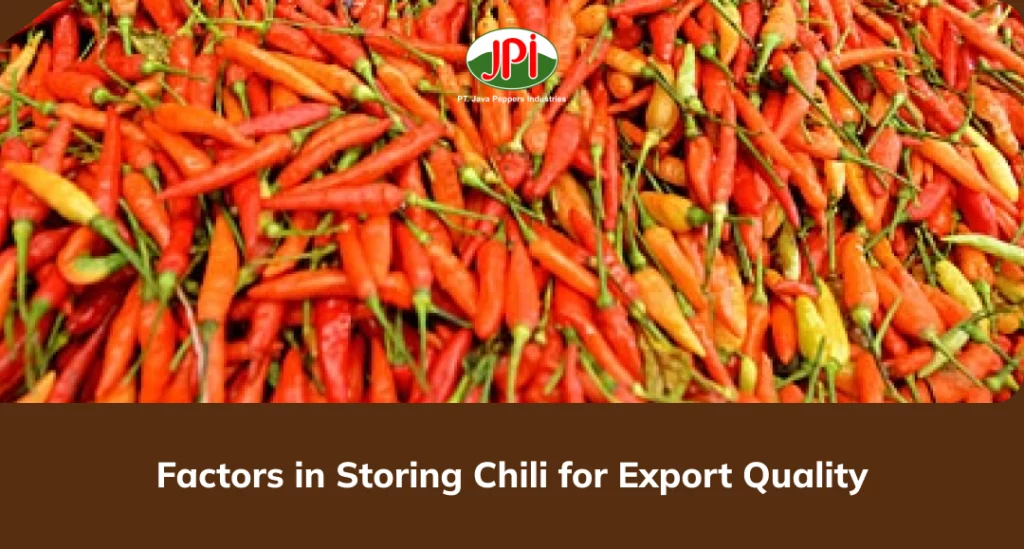
Factors in Storing Chili for Export Quality
Before storing chili for export, it is important to understand the factors that affect its quality. Proper storage helps keep chili fresh during transportation. In addition, good storage reduces the risk of spoilage before the product reaches buyers. Here are five important factors to consider.
Temperature Control
Temperature has a major effect on the freshness of chili. High temperatures can speed up the ripening and spoilage process. Meanwhile, cooler temperatures help slow the growth of bacteria and fungi. Therefore, exporters should maintain a stable temperature throughout storage and transportation.
Humidity Levels
Humidity also plays an important role in preserving chili quality. Excess moisture can encourage mold growth and cause the chili to spoil. On the other hand, air that is too dry can make the chili lose moisture and become shriveled. For this reason, maintaining balanced humidity is essential.
Packaging Material
The right packaging helps protect chili from physical damage during shipping. Breathable packaging allows air to circulate and reduces moisture buildup. In contrast, unsuitable packaging can trap moisture and increase the risk of spoilage. Therefore, exporters should choose packaging that matches the storage conditions.
Chili Variety and Ripeness
Different chili varieties have different storage characteristics. Some types naturally stay fresh longer than others. In addition, fully ripe chilies usually have a shorter storage life than less mature ones. Because of this, sorting chili by variety and ripeness is recommended before storage.
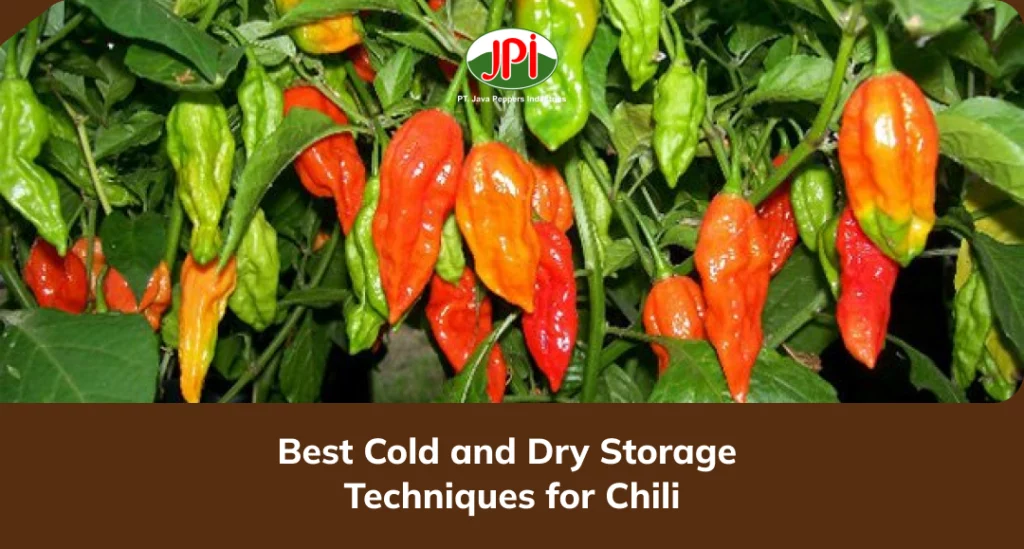
Best Cold and Dry Storage Techniques for Chili
Choosing the right storage method helps keep chili fresh for a longer time. Both cold and dry storage methods can provide good results when used correctly. In addition, each method is suitable for different types of chili products. Here are five commonly used storage techniques.
Cold Room Storage
Cold rooms help slow the natural ripening process of fresh chili. Lower temperatures also reduce the growth of bacteria and fungi. In addition, this method helps maintain the color and freshness of the chili. Therefore, many commercial exporters use cold room storage.
Refrigeration at the Right Temperature
Refrigerators are suitable for storing smaller quantities of fresh chili. The recommended storage temperature is generally between 7°C and 10°C. In addition, keeping the temperature stable helps prevent freezing or early spoilage. For this reason, regular temperature monitoring is important.
Dry Storage with Good Ventilation
Dry storage works well for certain chili varieties and dried chili products. Good ventilation helps prevent moisture from building up inside the storage area. In addition, proper airflow reduces the chance of mold growth. Therefore, storage rooms should have adequate air circulation.
Using Silica Gel or Desiccants
Silica gel and other desiccants help absorb excess moisture inside the packaging. This method is especially useful for dried chili products. In addition, desiccants are easy to use and relatively affordable. As a result, many exporters use them to maintain product quality.
Vacuum Sealing
Vacuum sealing removes most of the air from the package before storage. Less oxygen helps slow the growth of bacteria and other microorganisms. In addition, vacuum packaging can extend the shelf life of chili products. Therefore, it is a good option for long-distance transportation.
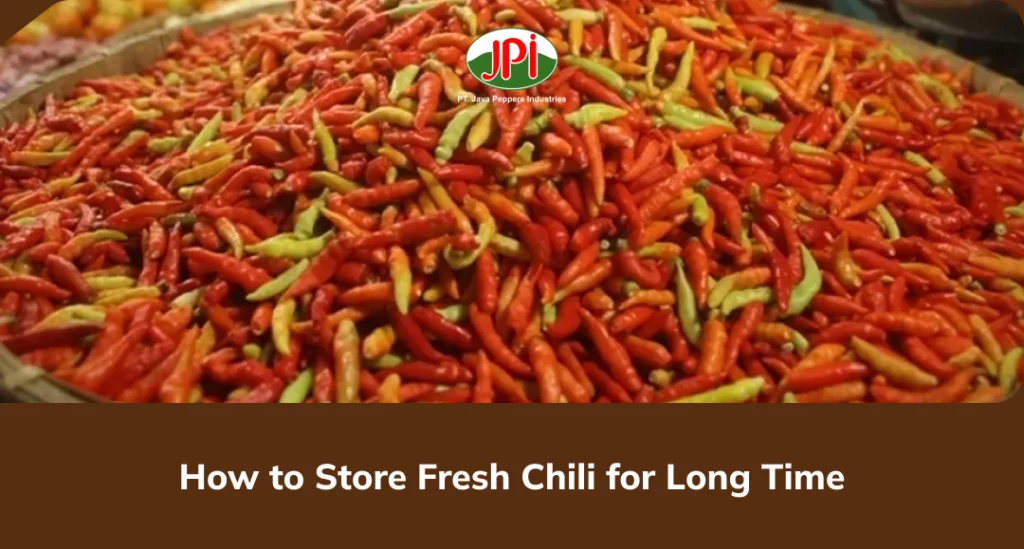
How to Store Fresh Chili for Long Time
Fresh chili requires proper handling to maintain its quality during storage. Without the right method, it can spoil within a short period. In addition, regular care helps reduce waste and maintain product value. Here are five practical storage tips.
Sort Chili Before Storage
Separate damaged, bruised, or overripe chilies before storing them. Damaged chili can cause nearby healthy chili to spoil more quickly. In addition, sorting by size and ripeness makes storage more effective. Therefore, sorting should always be the first step.
Clean and Dry the Chili Properly
Wash the chili carefully to remove dirt and other contaminants. After washing, dry the chili completely before placing it into storage. In addition, dry chili is less likely to develop mold during storage. Because of this, proper drying is an important part of the process.
Use Breathable Bags
Breathable bags allow air to move freely around the chili. Good airflow helps reduce excess moisture inside the packaging. In addition, this method lowers the risk of mold and spoilage. Therefore, mesh or breathable bags are often recommended for fresh chili.
Freeze Fresh Chili
Freezing is a suitable option for long-term storage. This method helps preserve the flavor of the chili for a longer period. In addition, freezing can reduce product waste when the chili is not used immediately. However, the texture may change slightly after thawing.
Perform Regular Quality Checks
Inspect stored chili regularly to identify signs of spoilage. Early inspection helps prevent damaged chili from affecting the rest of the batch. In addition, routine checks allow problems to be addressed quickly. Therefore, regular monitoring is an important part of proper chili storage.-
Monsera Chili Sauce is crafted to represent authentic Indonesian flavors, and it offers a smooth balance of heat and richness. Additionally, the sauce is suitable for daily use, which makes it ideal for beginners exploring spicy food.
Let’s order via the button below now!
Kesimpulan
Chili storage methods truly determine export success overall. Every factor, from temperature to packaging, plays a role. Meanwhile, cold and dry techniques both offer strong results.
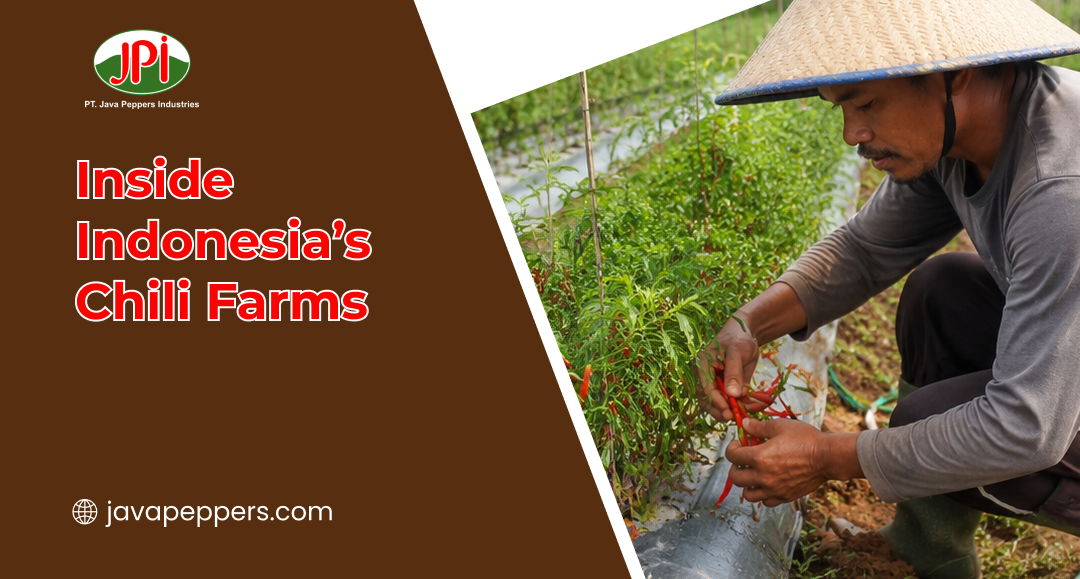
Chili Farm Indonesia – Spicy food lovers rarely think about where their chilies actually come from. Behind every fiery dish sits a hardworking chili farm Indonesia depends on. This archipelago nation ranks among the top chili-growing countries in the world. Its warm weather and rich volcanic soil create perfect growing conditions. Meanwhile, countless farming families rely on this crop for daily income. This article walks through farming methods, leading regions, and current industry struggles. By the end, you’ll gain a deeper appreciation for this small but mighty pepper.
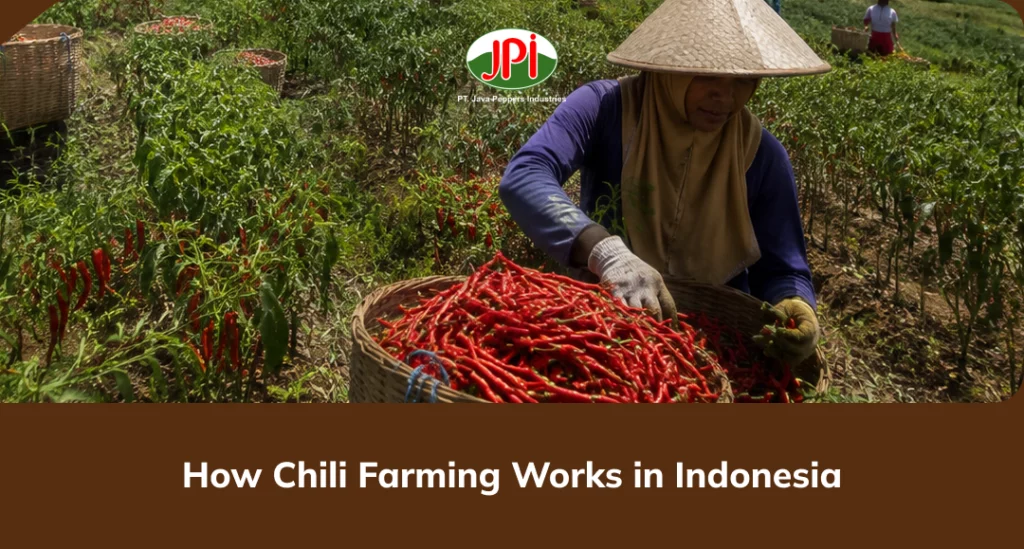
How Farming Works on a Chili Farm Indonesia Relies On
how_chili_farming_works_in_indonesia
Choosing the Right Seed Variety
First, farmers choose chili seeds that match the local climate and soil conditions. Healthy seeds help plants grow stronger from the beginning. In addition, selecting the right variety can increase harvest quality and yield. Therefore, choosing good seeds is an important first step in chili farming.
Preparing Healthy Soil Beds
Second, farmers prepare the soil before planting the seedlings. They loosen the soil and add compost or fertilizer to improve its quality. In addition, good drainage helps prevent water from collecting around the roots. As a result, chili plants can grow healthier and stronger.
Transplanting and Proper Spacing
Third, young chili plants are transplanted with enough space between each plant. Proper spacing allows sunlight and air to reach every plant. In addition, it helps reduce the spread of pests and diseases. Therefore, the plants can grow more evenly and produce better harvests.
Managing Water Supply Efficiently
Fourth, chili plants need enough water to grow well, especially during dry weather. However, too much water can damage the roots and slow plant growth. In addition, many farmers use drip irrigation to save water and improve efficiency. As a result, the plants receive the right amount of moisture.
Timing the Harvest Correctly
Fifth, farmers harvest chilies when the fruits reach their best color and size. Picking them at the right time improves their quality and market value. In addition, careful harvesting helps prevent damage to the fruit. Therefore, farmers can sell fresher and higher-quality chilies.
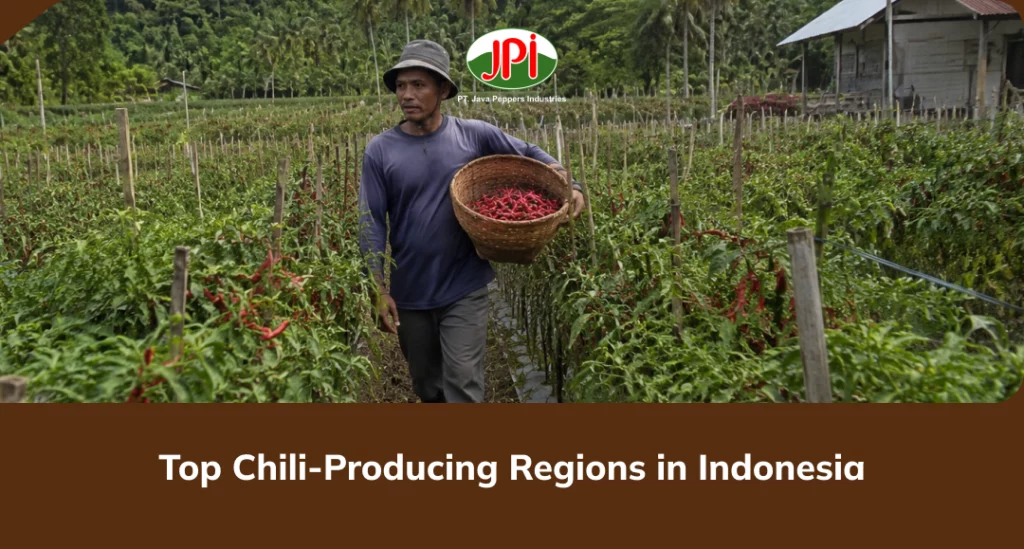
Top Chili-Producing Regions in Indonesia
top_chili_producing_regions_in_indonesia
West Java’s Cool Highlands
First, West Java is one of Indonesia’s main chili-producing regions. Its cool climate supports healthy chili plant growth throughout the year. In addition, the region has easy access to many large markets. Therefore, West Java plays an important role in supplying fresh chilies.
Central Java’s Family Farms
Second, Central Java is known for its many family-owned chili farms. Farming knowledge is often passed down from one generation to the next. In addition, many farmers combine traditional methods with modern techniques. As a result, the region continues to produce high-quality chilies.
East Java’s Massive Output
Third, East Java produces a large share of Indonesia’s chili harvest. The region has many commercial farms with high production capacity. In addition, good transportation helps distribute chilies across the country. Therefore, East Java is an important center for chili production.
North Sumatra’s Rising Industry
Fourth, North Sumatra has expanded its chili farming industry in recent years. Farmers continue to improve production despite changing weather conditions. In addition, some growers use greenhouse farming to protect their crops. As a result, the region is becoming a stronger producer of chilies.
Bali’s Niche Organic Farms
Fifth, Bali is known for its organic chili farms that focus on sustainable farming. Many farms supply fresh chilies to local restaurants and hotels. In addition, the demand for organic products continues to grow. Therefore, Bali has created a unique place in Indonesia’s chili industry.
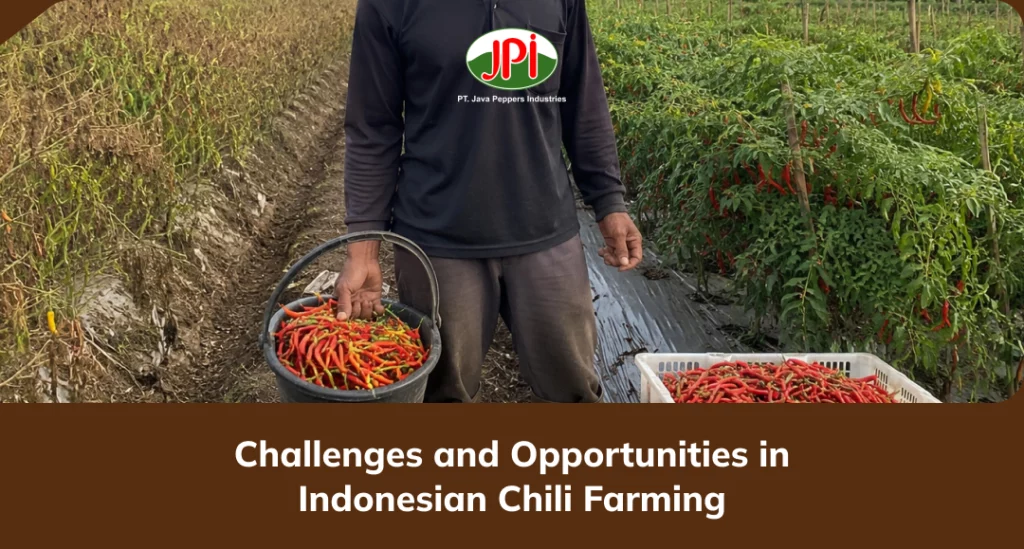
Challenges and Opportunities in Indonesian Chili Farming
First, changing weather patterns make chili farming more challenging each year. Heavy rain or long dry seasons can affect plant growth and harvests. In addition, unpredictable weather makes planting schedules harder to plan. Therefore, farmers must adapt to changing climate conditions.
Dealing with Price Fluctuations
Second, chili prices often change quickly depending on market supply and demand. High production can cause prices to fall, while low supply can increase prices. In addition, these changes make farmers’ income less predictable. As a result, many farmers look for ways to reduce financial risks.
Controlling Pests and Plant Diseases
Third, chili plants are vulnerable to pests and plant diseases throughout the growing season. Farmers need to check their fields regularly to detect problems early. In addition, using proper pest management helps reduce crop damage. Therefore, healthy plants can produce better harvests.
Improving Access to Technology
Fourth, many small-scale farmers are starting to use modern farming technology. Better equipment and training help improve farming efficiency. In addition, new irrigation systems can save water and increase productivity. As a result, farmers can achieve better harvests with fewer resources.
Tapping into Export Markets
Fifth, Indonesian chilies have growing opportunities in international markets. Higher product quality helps local farmers compete with producers from other countries. In addition, exporting can increase farmers’ income and expand business opportunities. Therefore, the export market offers strong potential for the future of Indonesia’s chili industry.
Monsera Chili Sauce, Authentic Indonesian Chili Sauce
No longer need to buy an expensive plane ticket to Jakarta or Bali to experience the thrilling world of authentic Indonesian spice. Monsera Chili Sauce packages the vibrant culture, rich agricultural heritage, and bold flavors of the archipelago into an easy-to-use, premium product.
Stop settling for bland, uninspiring meals that lack character. Grab your favorite variant of Monsera Chili Sauce from your local international market or order a jar online today. Take active control of your kitchen, shock your taste buds with genuine Indonesian heat, and elevate your home cooking to extraordinary new heights!
Monsera Chili Sauce is crafted to represent authentic Indonesian flavors, and it offers a smooth balance of heat and richness. Additionally, the sauce is suitable for daily use, which makes it ideal for beginners exploring spicy food.
Let’s order via the button below now!
Conclusion
Overall, a chili farm Indonesia nurtures reflects tradition, resilience, and steady innovation. Additionally, each growing region brings its own strengths to the national supply. Despite real challenges, fresh opportunities keep opening up across the industry. So, the next time you taste sambal, think of the farmers behind that heat.
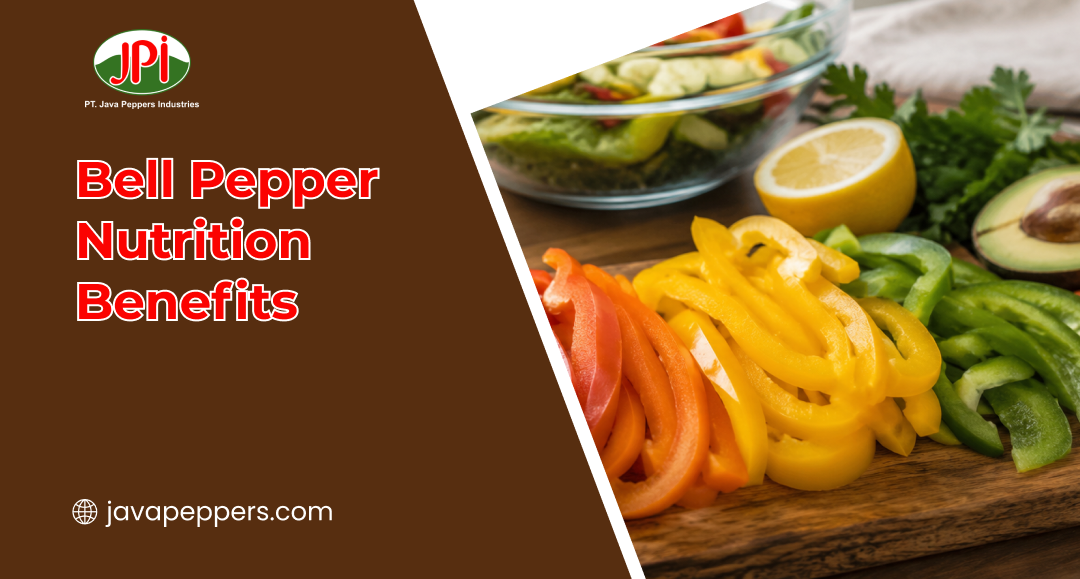
Bell pepper nutrition has become a hot topic among health-conscious eaters today. This colorful vegetable actually packs surprising benefits for your body. Furthermore, bell peppers are easy to cook into countless tasty dishes. Therefore, many nutritionists recommend adding this vegetable to your daily meals. This article explores the benefits, nutrition facts, and the healthiest bell pepper color. As a result, you can choose the right bell pepper for your body’s needs.
What Are the Benefits of Eating Bell Peppers?
what_are_the_benefits_of_eating_bell_peppers_
Boosting Your Immune System
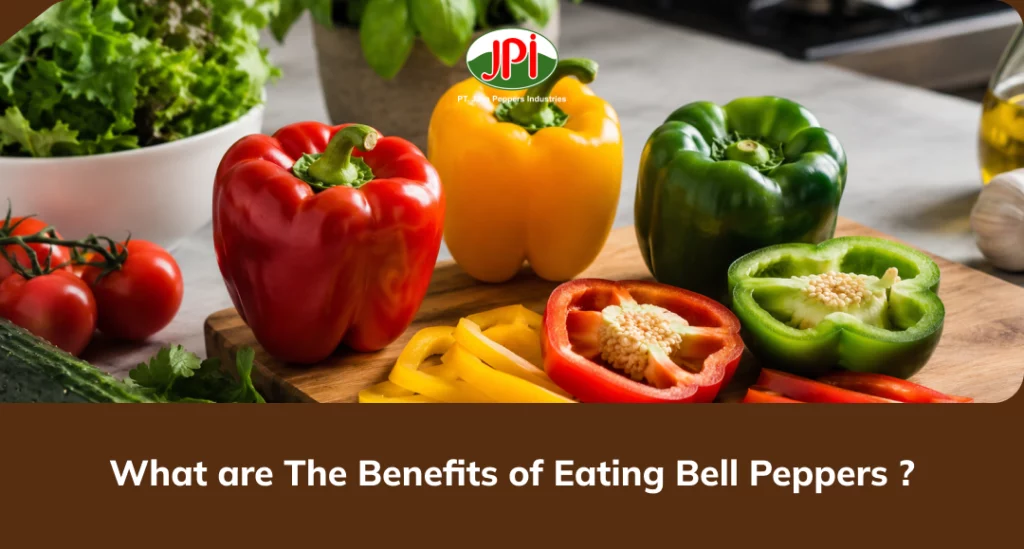
First, bell peppers are rich in vitamin C, which helps support your immune system. This vitamin helps your body fight germs and infections more effectively. In addition, eating bell peppers regularly may help reduce the risk of getting sick. As a result, your body stays healthier throughout the year.
Supporting Eye Health
Second, bell peppers contain vitamin A and beta-carotene that are good for your eyes. These nutrients help keep your vision clear and healthy. In addition, they may help protect your eyes as you get older. Therefore, bell peppers are a great choice for maintaining eye health.
Helping With Weight Management
Third, bell peppers are low in calories and high in fiber. Fiber helps you feel full for a longer time after eating. In addition, this can help reduce unnecessary snacking throughout the day. As a result, bell peppers fit well into a healthy weight management plan.
Reducing Inflammation Risk
Fourth, bell peppers contain antioxidants that help protect your body’s cells. These antioxidants help reduce inflammation caused by free radicals. In addition, they may lower the risk of developing certain chronic diseases. Therefore, eating bell peppers can support better long-term health.
Promoting Heart Health
Fifth, bell peppers provide potassium, which is important for heart health. Potassium helps maintain healthy blood pressure and supports normal heart function. In addition, it helps your muscles and nerves work properly. As a result, bell peppers can be part of a heart-friendly diet.
The Bell Pepper Nutrition for Health Benefits
the_bell_pepper_nutrition_for_health_benefits
High Vitamin C Content
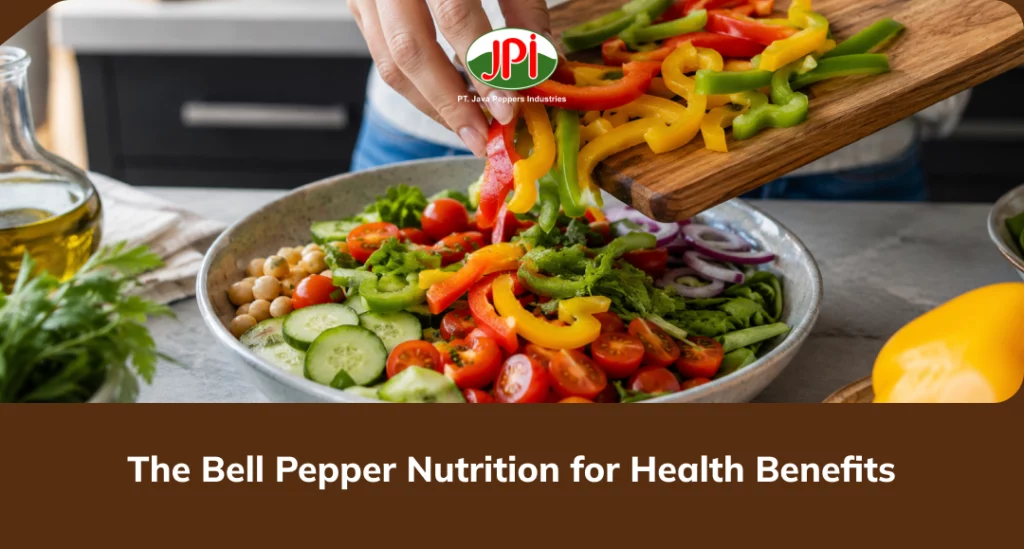
First, bell peppers are an excellent source of vitamin C. They contain enough vitamin C to help meet your daily nutritional needs. In addition, vitamin C supports healthy skin and a strong immune system. As a result, your body stays healthier and more energized.
A Natural Source of Fiber
Second, bell peppers provide fiber that supports healthy digestion. Fiber helps food move through your digestive system more easily. In addition, it supports the growth of healthy bacteria in your gut. Therefore, your digestive system can work more efficiently.
Rich in Carotenoid Antioxidants
Third, bell peppers contain carotenoids such as lutein and zeaxanthin. These antioxidants help protect your eyes from daily damage. In addition, they may reduce the risk of age-related vision problems. As a result, your eyes can stay healthier over time.
Low in Calories and Fat
Fourth, bell peppers are naturally low in calories and fat. This makes them a great option for people who want to eat healthier. In addition, they provide important nutrients without adding many calories. Therefore, you can enjoy them as part of a balanced diet.
Packed With Essential Minerals
Fifth, bell peppers contain important minerals like potassium and magnesium. These minerals help support healthy muscles and nerve function. In addition, they play a role in keeping your body active throughout the day. As a result, you can maintain better overall health.
Which Color Bell Pepper Is Healthiest?
which_color_bell_pepper_is_healthiest_
Red Bell Pepper
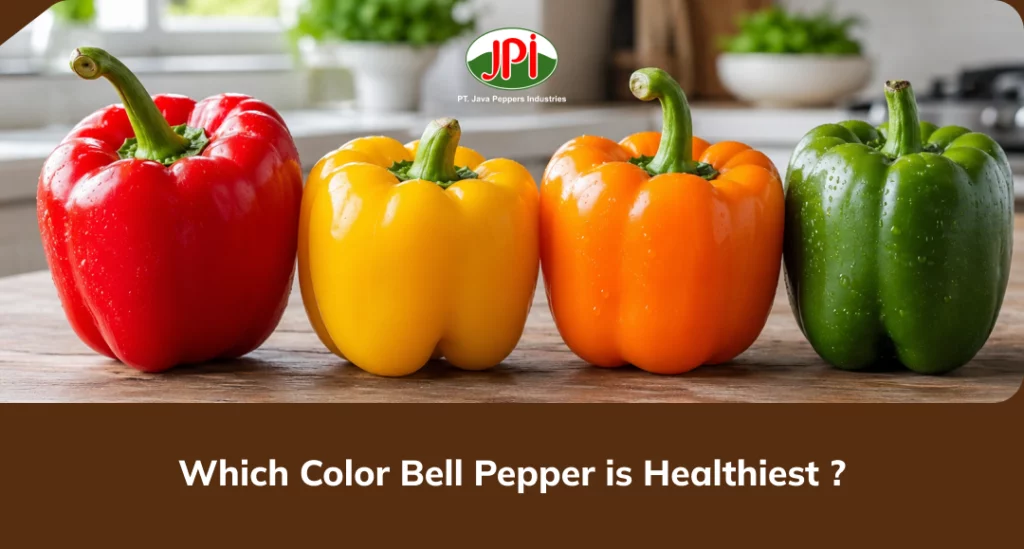
First, red bell peppers contain the highest amount of vitamin C among all colors. They are fully ripened, making their nutrient content higher. In addition, they are rich in antioxidants that help protect the body. As a result, red bell peppers are often considered the healthiest choice.
Yellow Bell Pepper
Second, yellow bell peppers are also high in vitamin C and other nutrients. They have a naturally sweet flavor that many people enjoy. In addition, they contain antioxidants that support overall health. Therefore, they are a healthy option for salads and snacks.
Orange Bell Pepper
Third, orange bell peppers provide plenty of vitamin A for healthy vision. They also have a sweet and fresh taste that is easy to enjoy. In addition, their bright color makes meals look more appealing. As a result, they are a popular choice for healthy recipes.
Green Bell Pepper
Fourth, green bell peppers are harvested before they fully ripen. They have a slightly bitter taste compared to other colors. In addition, they contain fewer natural sugars, making them suitable for savory dishes. Therefore, they are often used in stir-fries and cooked meals.
Red Bell Pepper
Fifth, purple bell peppers contain anthocyanins, which are natural antioxidants. These antioxidants help protect the body’s cells from damage. In addition, purple bell peppers have a unique appearance that makes meals more colorful. As a result, they are a nutritious and attractive addition to many dishes.
Achieving international success requires more than just finding a buyer; it demands that you deliver flawless execution every single time. By actively standardizing processing methods, upgrading shipping packaging, securing bulletproof documentation, and empowering staff, you build an unbeatable defensive wall around product’s integrity.
Monsera Chili Sauce, Authentic Indonesian Chili Sauce
No longer need to buy an expensive plane ticket to Jakarta or Bali to experience the thrilling world of authentic Indonesian spice. Monsera Chili Sauce packages the vibrant culture, rich agricultural heritage, and bold flavors of the archipelago into an easy-to-use, premium product.
Stop settling for bland, uninspiring meals that lack character. Grab your favorite variant of Monsera Chili Sauce from your local international market or order a jar online today. Take active control of your kitchen, shock your taste buds with genuine Indonesian heat, and elevate your home cooking to extraordinary new heights!
Monsera Chili Sauce is crafted to represent authentic Indonesian flavors, and it offers a smooth balance of heat and richness. Additionally, the sauce is suitable for daily use, which makes it ideal for beginners exploring spicy food.
Let’s order via the button below now!
Conclusion
Overall, bell pepper nutrition offers plenty of benefits for your overall health. Additionally, each bell pepper color carries its own unique nutritional strengths. Therefore, eating a variety of colors can provide more complete nutritional value. By adding this vegetable to your daily meals, your body gains optimal vitamins
Walk into any kitchen around the world, and you will likely find a bottle of chili sauce sitting nearby. This fiery condiment has earned its place on tables across countless cultures and cuisines. Yet, many people never stop to ask: what is chili sauce actually made of? Understanding its ingredients helps you make smarter choices about what you eat every day.
Moreover, knowing what goes into your chili sauce can even inspire you to make a healthier homemade version. Therefore, this article breaks down everything you need to know about chili sauce in a simple and clear way
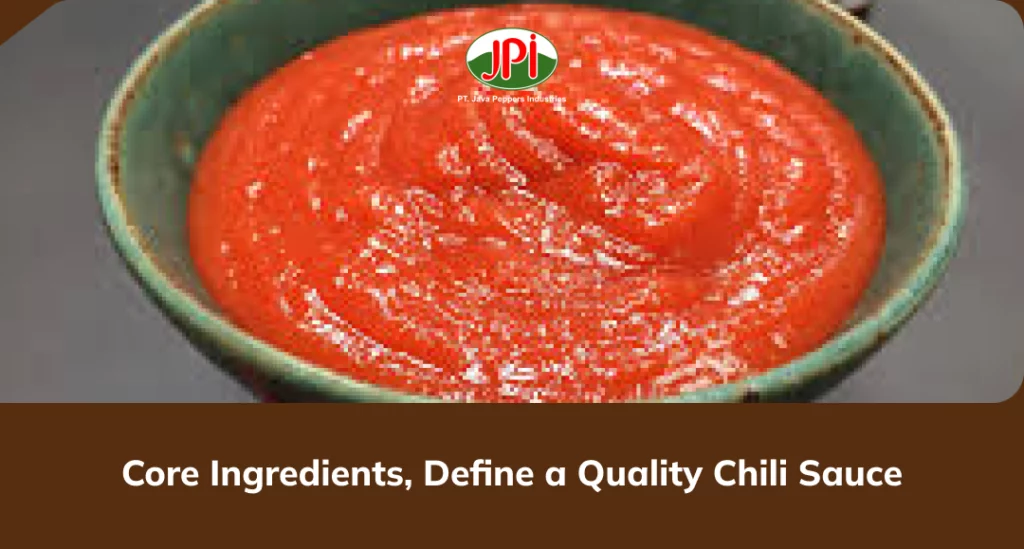
Core Ingredients That Define a Quality What Is Chili Sauce
1. Fresh or Dried Chili Peppers
Chili peppers are the main ingredient in every chili sauce. They can be used fresh, dried, or roasted depending on the flavor needed. Different types of chilies create different levels of heat and taste. Therefore, choosing the right chili is very important for making a good sauce.
2. Vinegar as a Natural Preservative
Vinegar is commonly added to chili sauce to improve flavor and preserve freshness. It helps the sauce last longer without needing too many artificial preservatives. In addition, vinegar gives a slightly sour taste that balances the spiciness. Because of this, vinegar plays an important role in creating a balanced sauce.
3. Garlic for Depth of Flavor
Garlic adds a rich and savory taste to chili sauce. It is usually blended into the sauce to create a stronger aroma and flavor. Besides improving taste, garlic also has natural antibacterial properties. Therefore, garlic helps make chili sauce both flavorful and safer to consume.
4. Sugar or Natural Sweeteners
A small amount of sweetness is often added to chili sauce recipes. Sugar, honey, or palm sugar helps reduce the sharp taste of vinegar and chili heat. This balance creates a smoother and more enjoyable flavor. As a result, the sauce tastes more complete and appealing.
5. Salt and Thickening Agents
Salt helps bring all the flavors together in chili sauce. It improves the natural taste of the other ingredients without overpowering them. Some sauces also use thickening agents to create a smooth texture. Therefore, every ingredient has a specific purpose in making quality chili sauce.
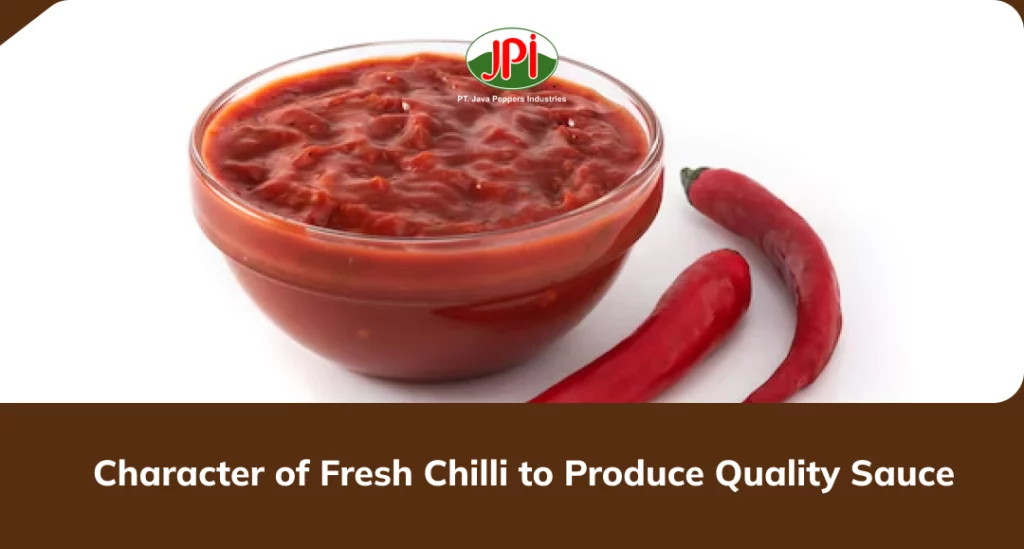
Character of Fresh Chili That Defines What Is Chili Sauce Quality
1. Color as an Indicator of Ripeness
The color of fresh chili shows how ripe it is. Bright red chilies usually have a richer flavor and stronger color. On the other hand, unripe green chilies often taste more bitter. Because of this, producers prefer fully ripe chilies for quality sauce.
2. Skin Texture and Firmness
Fresh chilies should feel firm and have smooth skin. Soft or wrinkled chilies usually mean they are old and losing flavor. Chilies with damaged spots are often removed during selection. Therefore, only fresh and healthy chilies are used in premium chili sauce.
3. Aroma Strength and Freshness
Fresh chilies have a strong and sharp aroma. A powerful smell shows that the chili still contains natural oils and flavor compounds. Chilies with a weak aroma often produce less flavorful sauce. Because of this, aroma is an important sign of chili quality.
4. Capsaicin Concentration and Heat Level
Capsaicin is the compound that creates the spicy sensation in chili sauce. Different chili varieties contain different amounts of capsaicin. Some chilies produce very spicy sauces, while others create milder flavors. Therefore, producers choose chili types based on the desired heat level.
5. Moisture Content and Juice Yield
The water content inside fresh chili affects the texture of the sauce. Juicier chilies create a smoother and fresher sauce naturally. Dry chilies often produce a thicker and heavier consistency. Because of this, moisture level is carefully considered during production.
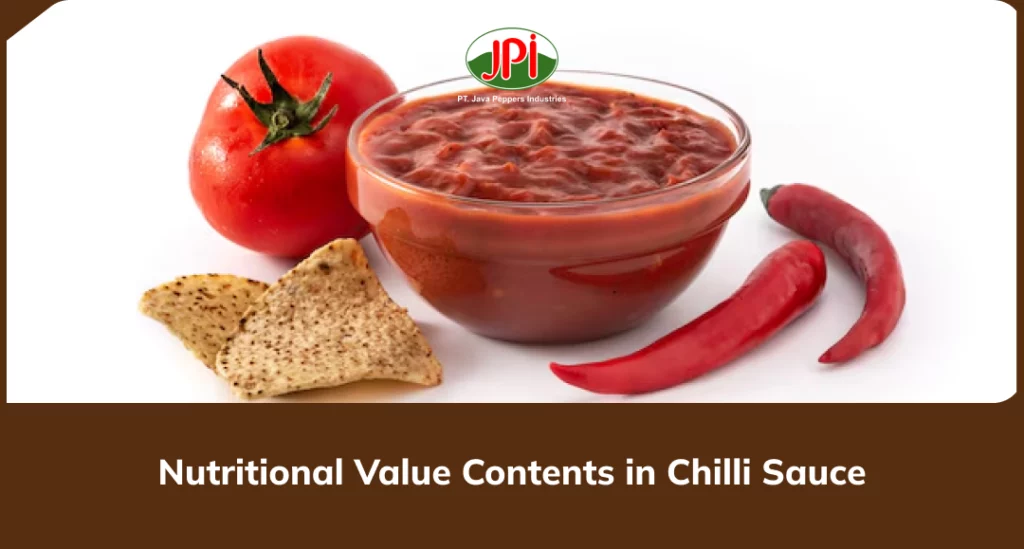
Nutritional Value Contents in Chili Sauce
1. Vitamin C for Immune Support
Chili sauce made from fresh chilies contains vitamin C. This vitamin helps support the immune system and protect the body from illness. In addition, vitamin C acts as an antioxidant that helps protect cells. Therefore, chili sauce can provide small health benefits when consumed in moderation.
2. Capsaicin and Metabolism Benefits
Capsaicin may help increase the body’s metabolism for a short time after eating. It is also linked to appetite control and weight management support. Some studies suggest capsaicin may help reduce inflammation as well. Because of this, spicy foods may offer more benefits than just heat and flavor.
3. Antioxidants from Chili and Garlic
Chilies and garlic contain antioxidants that help fight free radicals in the body. These compounds may support long-term health and reduce the risk of certain diseases. Red chilies are especially rich in beneficial plant compounds. Therefore, chili sauce can be more nutritious than many people realize.
4. Low Calorie Content per Serving
Most chili sauces are low in calories when eaten in normal amounts. One tablespoon usually contains only a small number of calories. This makes chili sauce a good option for adding flavor without adding too many calories. As a result, it can fit well into many healthy eating plans.
5. Sodium Awareness for Mindful Consumption
Many packaged chili sauces contain added salt for flavor and preservation. Too much sodium may not be suitable for people managing blood pressure. Because of this, it is important to check nutrition labels before buying. Homemade chili sauce can also be a healthier option since the salt level can be controlled.
Monsera Chili Sauce, A Typical Indonesian Spicy Flavor
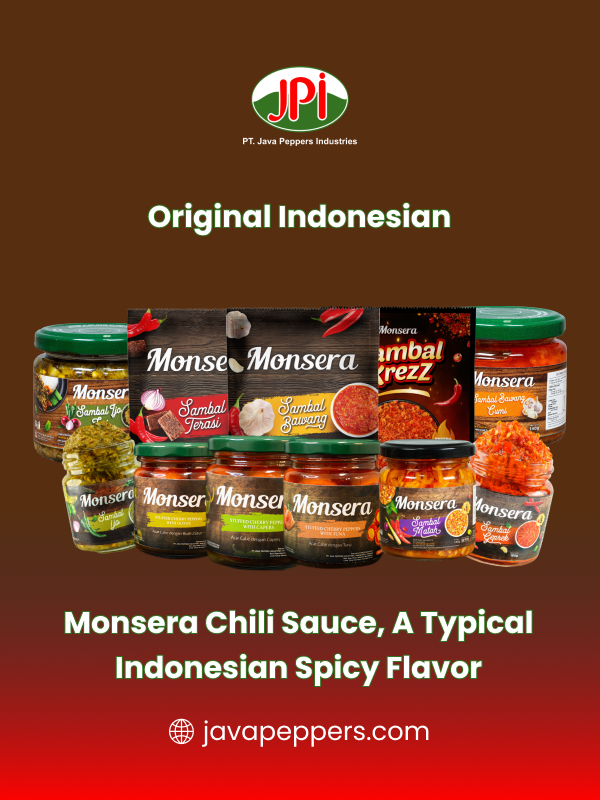
Indonesia is famous for its rich culinary heritage and spicy food culture. Monsera Chili Sauce represents one of the authentic Indonesian spicy flavors made from selected chili peppers and natural ingredients. The sauce combines spicy, savory, and slightly sweet flavors that complement various dishes such as fried rice, noodles, seafood, grilled chicken, and traditional snacks.
Its authentic taste reflects Indonesia’s diverse food traditions and appeals to consumers seeking bold Asian flavors. With increasing global interest in Indonesian cuisine, Monsera Chili Sauce has strong potential in international markets, especially among buyers looking for unique and premium spicy condiments from Southeast Asia.
Let’s order via the button below now!
Conclusion
Understanding what is chili sauce made of gives you a much deeper appreciation for this everyday condiment. From carefully selected chili peppers and garlic to vinegar and natural sweeteners, every ingredient plays a specific role.
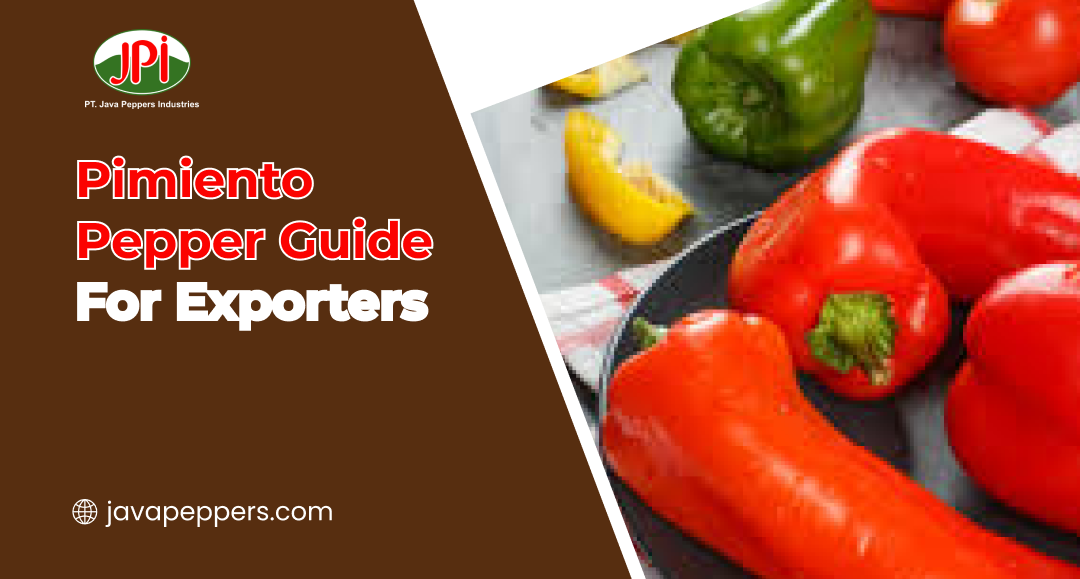
Pimiento Pepper Guide – The global food industry continues to experience rising demand for natural ingredients and flavorful products. This pimiento pepper guide helps exporters understand the market potential, product quality standards, and growing international demand for pimiento peppers. Known for their sweet taste, bright red color, and versatility in food production, pimiento peppers have become valuable commodities in global trade. Exporters who understand market trends and buyer expectations can gain better opportunities in international markets.
Understanding Pimiento Pepper
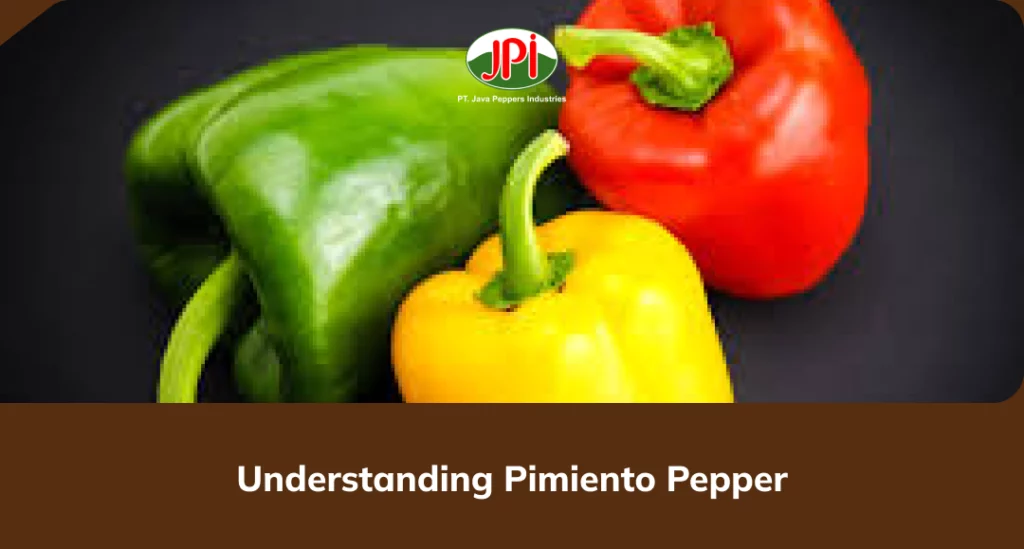
Pimiento pepper, sometimes called pimento pepper, is a sweet and mild red pepper commonly used in sauces, canned foods, stuffed olives, seasonings, and ready-to-eat meals. Unlike spicy chili peppers, pimiento peppers offer a smoother flavor that appeals to many consumers worldwide.
The pepper is rich in vitamins A and C, antioxidants, and natural pigments, making it popular in healthy food products. Its attractive appearance and natural sweetness also increase its commercial value in the international food industry.
For exporters, maintaining product quality is essential. International buyers usually prefer peppers with consistent color, uniform size, smooth skin, and freshness. Proper harvesting, packaging, and storage play important roles in preserving quality during transportation.
This pimiento pepper guide also highlights the importance of product variations. Exporters can supply fresh peppers, roasted peppers, dried products, powder, or processed sauces. Offering multiple product types helps businesses reach wider markets and increase profitability.
Pimiento peppers grow best in warm climates with good sunlight and fertile soil. Countries with tropical weather conditions often have advantages in year-round production, allowing exporters to maintain stable supply for global buyers.
Export Opportunities and Demand
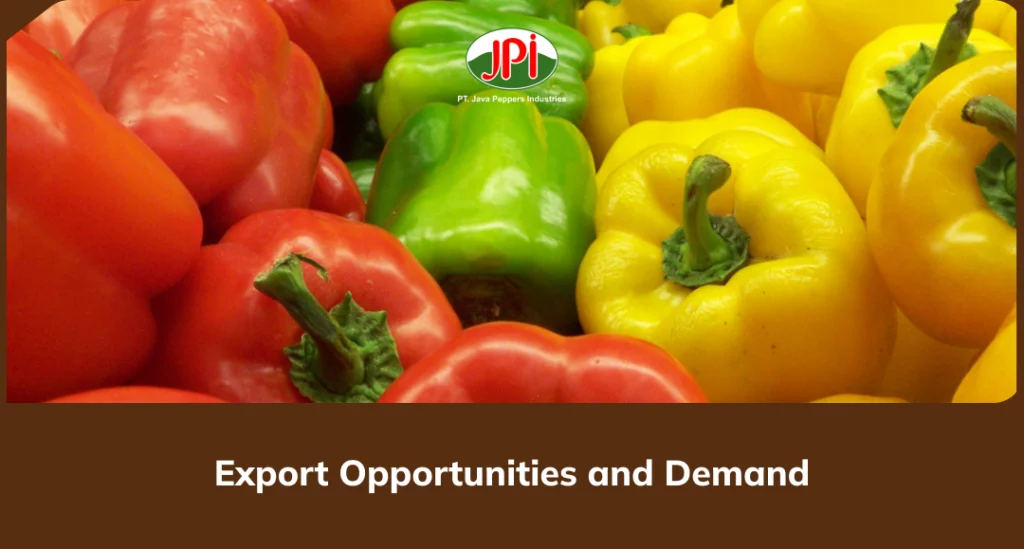
Global demand for pimiento peppers continues to grow due to increasing interest in international cuisine and processed food products. Restaurants, food manufacturers, snack companies, and sauce producers use pimiento peppers in many recipes because of their mild flavor and vibrant color.
Europe remains one of the major import regions for sweet peppers and processed pepper products. Countries such as Germany, Spain, and the Netherlands import large quantities for industrial food production and retail distribution. The United States also shows strong demand, especially for canned pimiento peppers used in stuffed olives, salads, sandwiches, and gourmet dishes.
Asian markets are becoming increasingly promising as food companies introduce fusion cuisine and convenient ready-to-eat meals. Japan, South Korea, and Southeast Asian countries continue to increase imports of processed pepper products to meet changing consumer preferences.
Another important point in this pimiento pepper guide is certification and food safety compliance. International buyers often prioritize suppliers with certifications such as HACCP, GlobalG.A.P., and ISO standards. These certifications help build trust and improve competitiveness in export markets.
Efficient logistics and cold chain management are also important for exporters, especially for fresh products. Proper temperature control during shipping helps maintain freshness and reduce product damage. Processed pepper products usually offer easier storage and longer shelf life, making them attractive for international distribution.
Digital marketing also supports export growth. Many importers search for suppliers through online marketplaces and business websites. Exporters with professional branding, clear product information, and responsive communication often gain stronger international partnerships.
Monsera Chili Sauce, A Typical Indonesian Spicy Flavor
Indonesia is famous for its rich culinary heritage and spicy food culture. Monsera Chili Sauce represents one of the authentic Indonesian spicy flavors made from selected chili peppers and natural ingredients. The sauce combines spicy, savory, and slightly sweet flavors that complement various dishes such as fried rice, noodles, seafood, grilled chicken, and traditional snacks. Its authentic taste reflects Indonesia’s diverse food traditions and appeals to consumers seeking bold Asian flavors. With increasing global interest in Indonesian cuisine, Monsera Chili Sauce has strong potential in international markets, especially among buyers looking for unique and premium spicy condiments from Southeast Asia.
Let’s order via the button below now!
Conclusion
This pimiento pepper guide shows that pimiento peppers offer strong export opportunities in the growing global food industry. Exporters who focus on quality, certifications, efficient logistics, and product innovation can improve competitiveness and build sustainable business relationships in international markets.