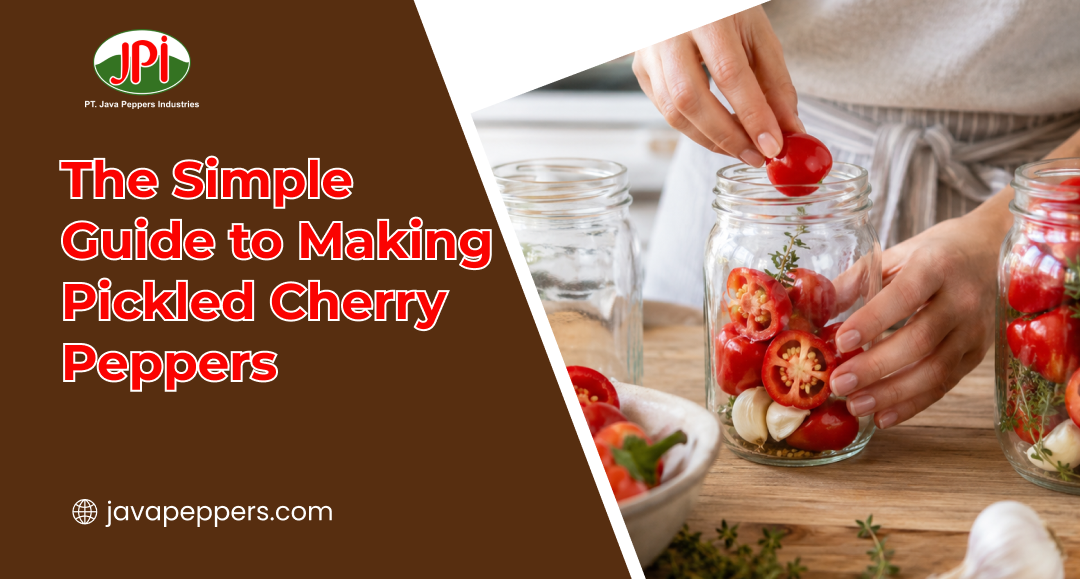
Have you ever enjoyed a delicious, slightly spicy chili pepper served on an antipasto platter or gourmet deli sandwich? Chances are it was a Pickled Cherry Chili Pepper. These peppers offer a fantastic explosion of flavor. This simple guide will show you how to easily make these delicious preserved chili peppers right in your own kitchen. Homemade versions are often much tastier than store-bought ones. You can also adjust the spiciness and sweetness to your liking.
So, check out the full article “Pickled Cherry Peppers” in the following article!
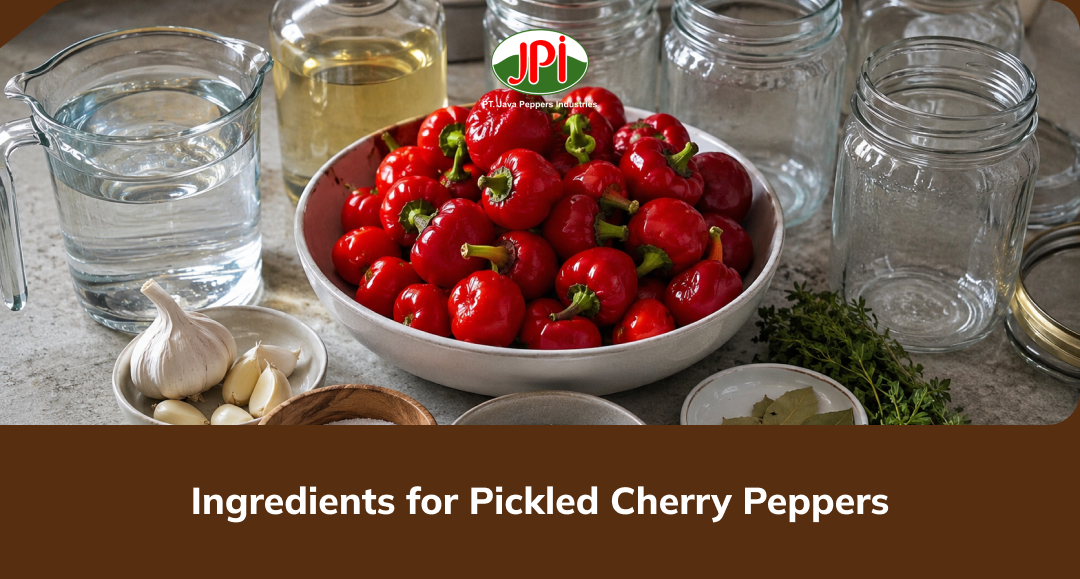
Ingredients for Pickled Cherry Peppers
ingredients_for_pickled_cherry_peppers
Making your own Pickled Cherry Peppers is a straightforward and rewarding process. Only a few basic ingredients are actually required. The entire process takes very little time. You will soon have jars of these tangy delights ready to enjoy. This recipe is simple for anyone to follow.
1. Ingredients
2 pounds fresh cherry peppers (washed and dried)
2 cups distilled white vinegar
1 cup water
2 tablespoons sugar
1 tablespoon pickling salt (or kosher salt)
4 cloves garlic (peeled and halved)
1 teaspoon black peppercorns
2 dried bay leaves
2. Instructions
The cherry peppers should first be washed very well. Then you must dry them completely. Use a small sharp knife to trim the stems. Also, carefully pierce each pepper a few times near the stem end. This small step allows the pickling brine to properly penetrate the pepper’s inside.
You need to sterilize your canning jars and lids. This important process ensures the preservation is safe. They can be placed in a large pot of boiling water for about ten minutes. Alternatively, they can be run through a hot dishwasher cycle. This step is essential for food safety.
Combine the vinegar, water, sugar, and salt in a medium-sized saucepan. Bring this mixture to a rolling boil over a medium-high heat. Stir the liquid until all the sugar and salt are completely dissolved. Reduce the heat and allow it to simmer for five minutes. This short simmer allows the flavors to properly combine.
Carefully place the garlic, peppercorns, and bay leaves into the bottom of the sterile jars. Then, tightly pack the prepared cherry peppers into the jars. Pack them as snugly as possible without causing any crushing.
Pour the hot pickling brine over the peppers. Make sure to leave about a quarter-inch of space at the top. Use a small chopstick to gently poke around inside the jar. This action releases any trapped air bubbles. Wipe the rim of each jar clean. Put the lids on and screw the bands on until they are fingertip tight.
Let the filled jars cool completely at room temperature. The cooling process creates a vacuum seal. Once fully cooled, the sealed jars can be stored in the refrigerator. Wait at least a week before tasting your delicious peppers. This waiting period allows the flavors to fully develop.
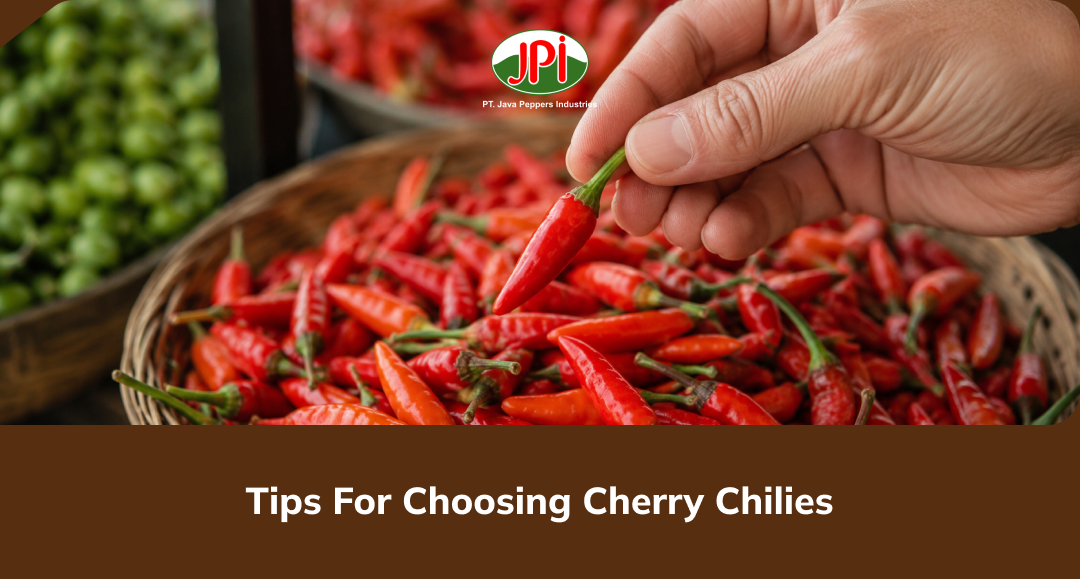
Tips For Choosing Cherry Chilies
tips_for_choosing_cherry_chil”>
Selecting the perfect cherry peppers is the first important step. High-quality peppers create the best final product. Freshness and firmness are absolutely key in this process. You must choose peppers that are vibrant and completely free from blemishes or soft spots. The right pepper selection ensures a crunchy texture in your finished Pickled Cherry Peppers.
Look for Firmness and Color
Avoid peppers that appear soft to the touch, wrinkled, or bruised. The skin should be shiny and bright red or bright green. Firm peppers will remain crisp even after being immersed in hot pickling brine. This quality is essential for good pickled peppers.
Check for Blemishes and Spots
You should discard peppers that show black spots, mold, or cuts. These imperfections can cause them to spoil more quickly. They also affect the final taste and appearance of your dish. Only perfect, unblemished peppers should be used for pickling to ensure hygiene and safety.
Consider the Spice Level
Cherry peppers offer different spice levels. Some taste sweet, while others bring a stronger kick. When choosing, think about how much heat you enjoy. For a balanced flavor, mix
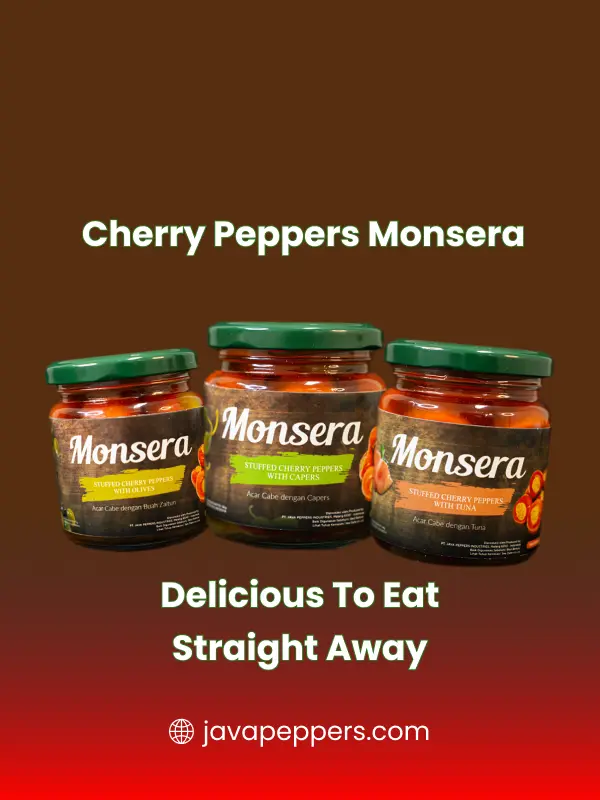
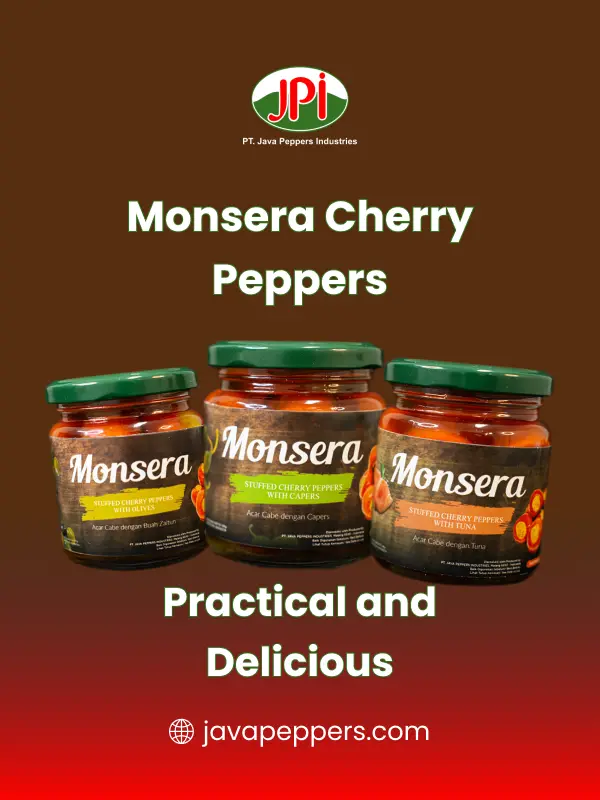
Cherry Peppers Monsera, Delicious To Eat Straight Away
Monsera expertly crafts stuffed cherry peppers, offering a perfect ready-to-eat snack. Indeed, these little peppers burst with delightful flavor, combining natural sweetness with a satisfying, mild heat. Typically, they fill the peppers with savory ingredients like tuna or capers.
You can truly enjoy this unique balance of taste straight from the jar. Consequently, this convenience makes them a favorite appetizer or simple side dish.
Making your own pickled cherry peppers is an incredibly easy and rewarding endeavor. A homemade jar of these vibrant, tangy peppers can elevate any dish, from a simple sandwich to a gourmet appetizer plate. This straightforward process truly preserves the summer flavor. Now you can enjoy the perfect balance of crunch and heat whenever you desire. Lastly, don’t forget to order and see you again with other interesting information.
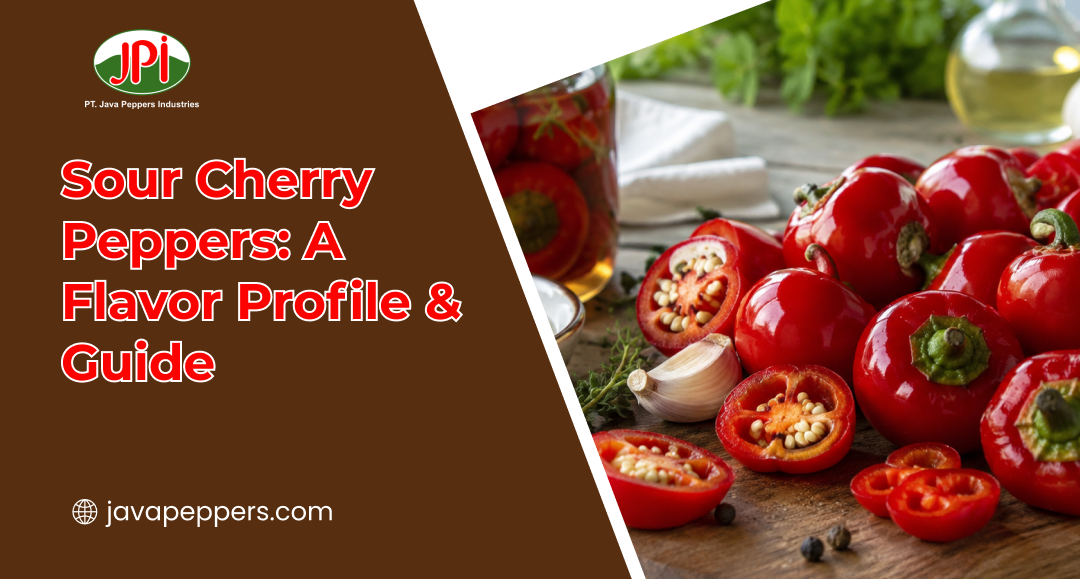
Sour cherry peppers are small, fresh chilies known for their mild spiciness and refreshing flavor. Unlike other chilies, this chili blends sweetness with a hint of tang. This unique flavor makes Sour Cherry chilies a favorite among chefs and home cooks alike. If you’re looking to explore new flavors in your dishes, understanding this chili is a must. So, let’s find out more in the article below!
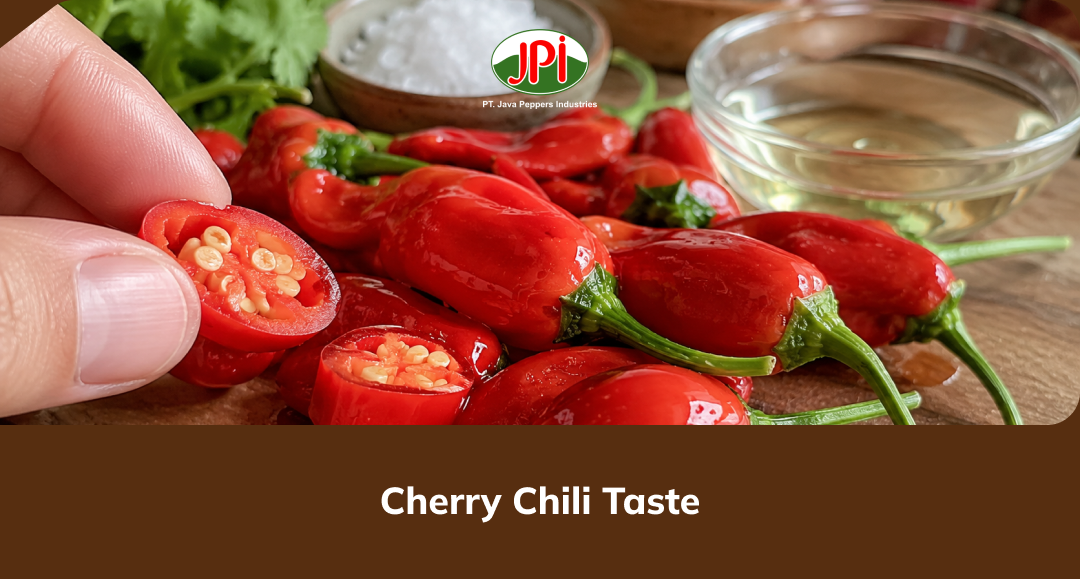
Cherry Chili Taste
The Sour Cherry Chili Pepper has a distinctive flavor that balances sweet and sour. When fresh, it offers a crisp and juicy flavor, while when dried, it has a slightly smoky flavor.
Typically, its spiciness ranges from mild to moderate, making it easily enjoyed by most people. This variation in spiciness allows people with low to high spice tolerances to enjoy it.
Furthermore, its fruity undertones complement dishes without overpowering them.
Unlike traditional chili peppers, the Sour Cherry Chili Pepper doesn’t overpower a dish. Instead, it adds depth and complexity to the flavor. For example, adding a few pieces to a salad or salsa creates a layered flavor.
Furthermore, the chili’s natural acidity can also brighten soups, stews, and stews.
When buying Sour Cherry Pepper, look for firm, bright red fruits without blemishes. Fresh peppers last about a week in the refrigerator.
For longer storage, freezing is an effective method. Simply wash, dry, and store them in airtight bags. Pickling is another way to preserve flavor for months.
Cherry Chili Usage Guide
cherry_chili_usage_guide
Using sour cherry peppers is easy and versatile. First, you can eat them raw in salads or as a garnish. Their fresh, tangy flavor will add freshness to any dish.
Second, lightly cooking them can soften the flavor while maintaining their sharpness. Grilling, sautéing, or pickling them are excellent options.
For pickling, pickling sour cherry peppers is highly recommended. Pickled peppers last longer and retain their distinctive tangy flavor. These peppers complement sandwiches, pizzas, and charcuterie boards. They also make a delicious addition to homemade sauces or pickles.
When adding sour cherry peppers, start with a small amount. This not only helps you get the flavor right but also helps you adjust the spice level.
The unique flavor can be intense for those who are not used to it, but you can gradually adjust it to your taste.
Furthermore, pairing these peppers with cheese, chicken, or grilled vegetables is also a great option. It’s also a good idea to match your favorite main dishes.
Furthermore, sour cherry peppers can enhance international dishes. For example, Mexican salsas, Italian pasta sauces, and Middle Eastern spreads benefit from the fruit’s tangy flavor.
You can also mix it into marinades for a subtle, spicy flavor that enhances the flavor of meats and vegetables.
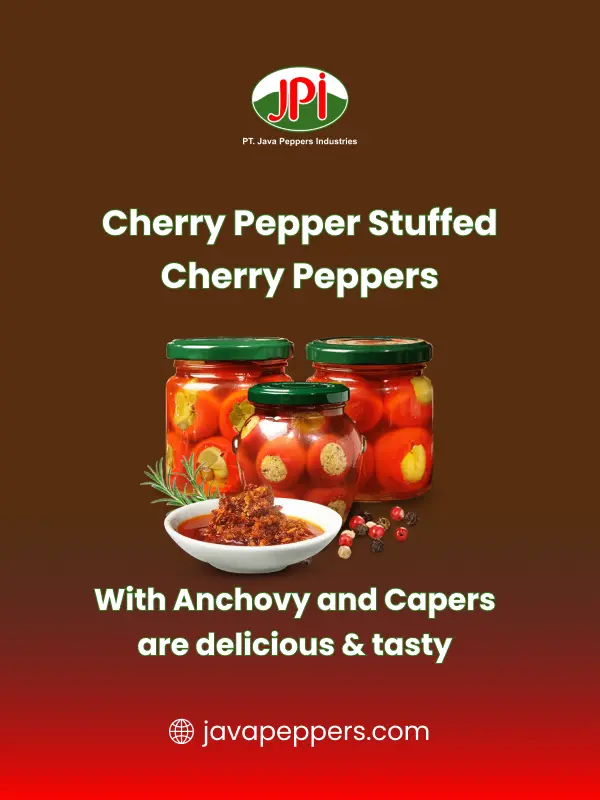
Cherry Pepper Stuffed Cherry Peppers with Anchovy and Capers are Delicious and Tasty
Cherry peppers stuffed with Monsera anchovies and capers create a vibrant and addictive flavor combination.
Fresh, sour cherry peppers are filled with savory anchovies and tangy capers, creating a perfect balance of flavors.
The addition of sunflower oil enhances this dish with a subtle richness and offers a variety of health benefits.
Each bite combines freshness and umami, making it ideal as an appetizer or a delicious snack.
This dish highlights the versatility of sour cherry peppers, demonstrating how their natural acidity can complement strong ingredients while creating a memorable and mouthwatering experience.
Sour Cherry peppers offer a unique balance of sweet, sour, and slightly spicy flavors. Their versatility allows them to be used raw, cooked, or pickled in a variety of dishes. From salads to stuffed appetizers, these peppers enhance flavor without being overwhelming. By understanding their flavor, uses, and health benefits, you can add a fresh twist to everyday dishes and creative recipes. Lastly, don’t forget to order and see you again with other interesting information.
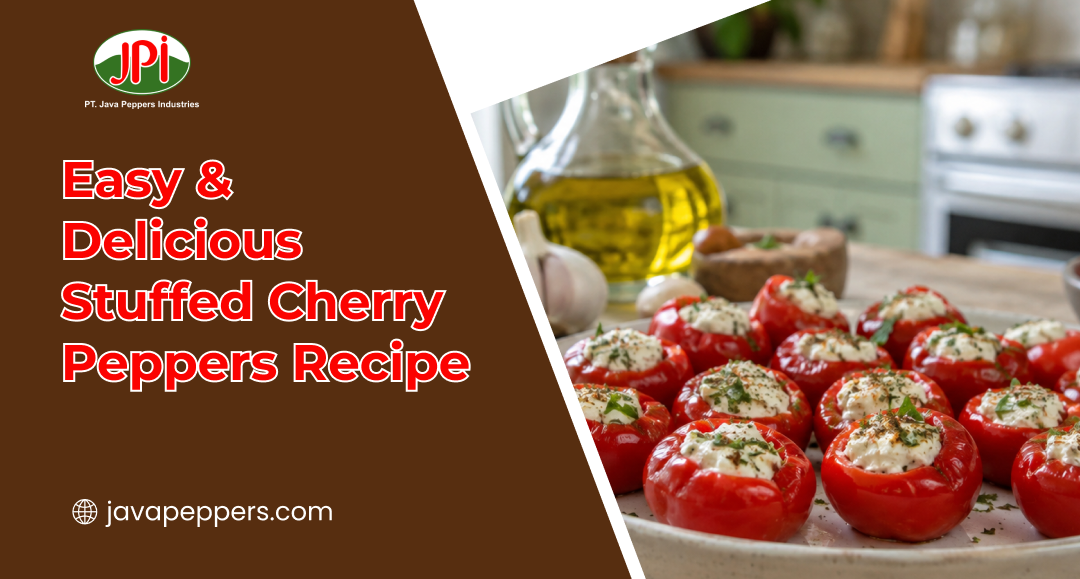
Stuffed Cherry Peppers are a simple and delicious dish that you can enjoy as an appetizer or snack. They’re small, colorful, and filled with a delicious mixture of cheese, herbs, or meat. This recipe aims to give you easy tips for making homemade stuffed cherry peppers that look and taste delicious.
These peppers can be served at family dinners, parties, or as a gourmet side dish. The best part is that you can prepare them in advance and serve them hot or cold.
So, let’s find out more in the following article!
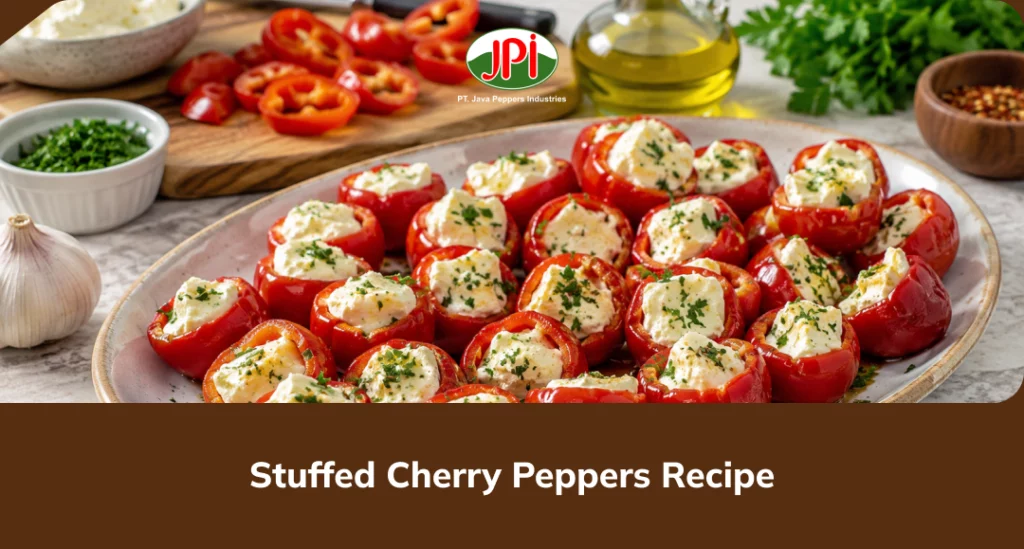
Stuffed Cherry Peppers Recipe
stuffed_cherry_peppers_recipe
Making Stuffed Cherry Peppers is easier than it looks. With a few fresh ingredients and a bit of time, you can create a restaurant-style dish at home.
Here’s how you can do it:
1. Prepare the Peppers
Start by choosing firm and bright cherry peppers. Wash them well and remove the tops. Scoop out the seeds carefully with a small spoon. Dry the peppers with a paper towel. This step helps them stay crisp after cooking. Always wear gloves if the peppers are spicy to protect your hands.
2. Choose the Filling
You can fill the peppers with cheese, tuna, sausage, or even a mix of breadcrumbs and herbs. A popular choice is cream cheese blended with garlic and parsley. The creamy texture balances the mild heat of the peppers. Mix the filling in a small bowl until smooth and thick.
3. Stuff the Peppers
Use a small spoon or piping bag to fill each pepper. Press the filling gently to avoid breaking the pepper. Make sure each one is evenly filled for a better taste. Arrange them neatly on a baking tray or plate.
4. Cook or Marinate
You can bake, grill, or marinate the Stuffed Cherry Peppers. Baking them for 10–15 minutes at 180°C gives a warm and soft texture. If you prefer a cold appetizer, place the stuffed peppers in olive oil, vinegar, and herbs. Leave them in the fridge overnight for a richer flavor.
5. Serve and Enjoy
Serve your Stuffed Cherry Peppers on a platter with some crusty bread or crackers. They look beautiful and taste even better. You can drizzle extra olive oil for a glossy finish. Keep leftovers in a sealed container in the fridge for up to five days.
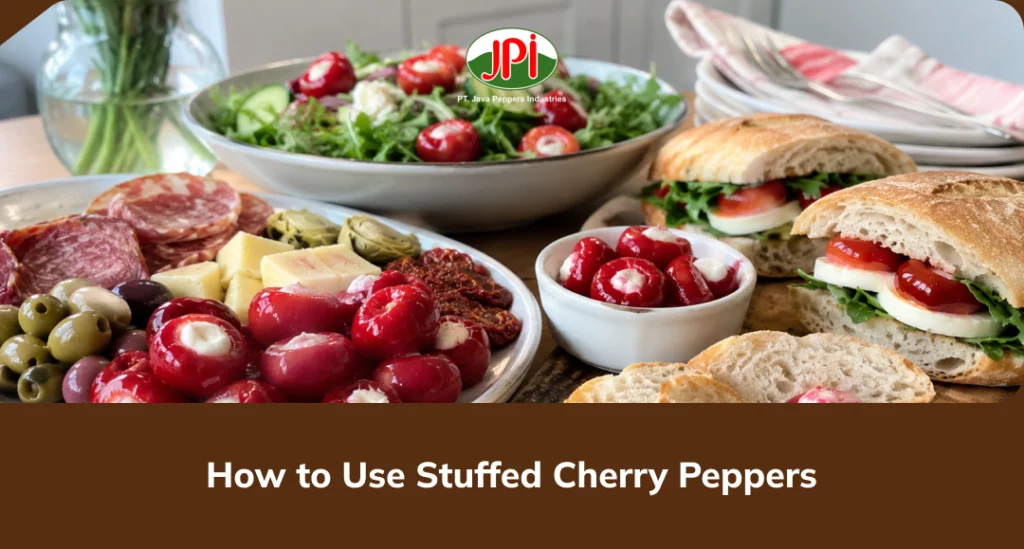
How to Use Stuffed Cherry Peppers
how_to_use_stuffed_cherry_peppers
Stuffed Cherry Peppers are versatile and can be enjoyed in many ways. Whether as a snack, appetizer, or part of a meal, they always add color and flavor.
Below are some creative ways to use them:
1. Serve as Party Appetizers
Place Stuffed Cherry Peppers on a wooden board with cheese, olives, and cured meats. They make any party table look elegant. Guests love their bright color and spicy-sweet taste. You can also add toothpicks for easy serving.
2. Add to Salads
Slice a few Stuffed Cherry Peppers and mix them into your salad. They add a mild spice and creamy flavor that blends well with greens. Try pairing them with lettuce, cherry tomatoes, and feta cheese for a Mediterranean twist.
3. Pair with Pasta
Cut the peppers into small pieces and toss them into hot pasta. The creamy filling melts slightly, creating a delicious sauce. Add olive oil and Parmesan cheese to complete the dish. It’s a quick and satisfying meal.
4. Enjoy as a Snack
You can eat Stuffed Cherry Peppers straight from the fridge. They are bite-sized, flavorful, and packed with protein if filled with cheese or meat. They make a great afternoon snack or light lunch.
5. Gift in a Jar
Homemade Stuffed Cherry Peppers also make a thoughtful gift. Place them in a clean glass jar with olive oil and herbs. Seal tightly and label the jar. It’s a simple but impressive homemade treat for friends and family.
Monsera Cherry Peppers, Practical and Delicious
Monsera Cherry Peppers offer a practical and delicious way to enjoy gourmet flavors at home. These ready-to-eat Stuffed Cherry Peppers are made with fresh ingredients and filled with creamy, savory fillings that delight every bite. You can serve them as appetizers, snacks, or side dishes in minutes.
Monsera ensures consistent taste and quality, perfect for busy people who love good food without spending hours in the kitchen. With Monsera Cherry Peppers, you can easily bring color, flavor, and convenience to your meals while enjoying an authentic homemade-style experience that’s both satisfying and effortless.
Stuffed Cherry Peppers are a simple yet delicious dish anyone can make. They are perfect for any occasion and can be customized to match your taste. Whether baked, marinated, or served cold, they always bring flavor to your table. Try making them today and surprise your loved ones with something special. Lastly, don’t forget to order and see you again with other interesting information.
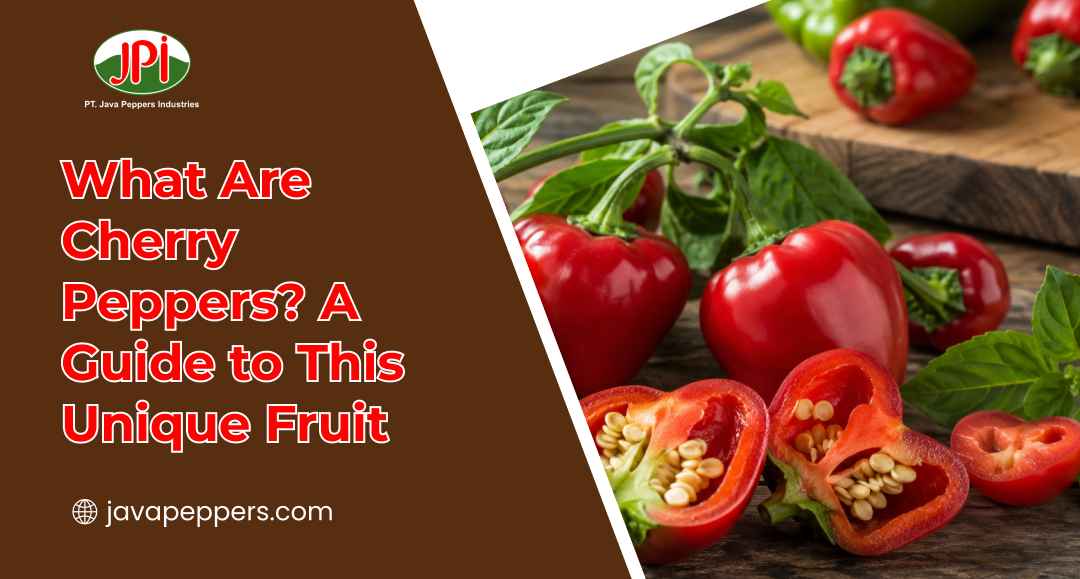
Cherry Peppers are small, spherical peppers known for their striking color and a flavor that balances sweetness with a mild kick of heat. They’re a favorite in kitchens around the globe, prized for the flavor and visual appeal they bring to dishes.
Distinct from standard bell peppers, these compact peppers deliver a distinctive taste that appeals to professional chefs and home cooks alike. The article guide covers what Cherry Peppers are and how to incorporate them into your cooking.
Let’s read the following article completely!
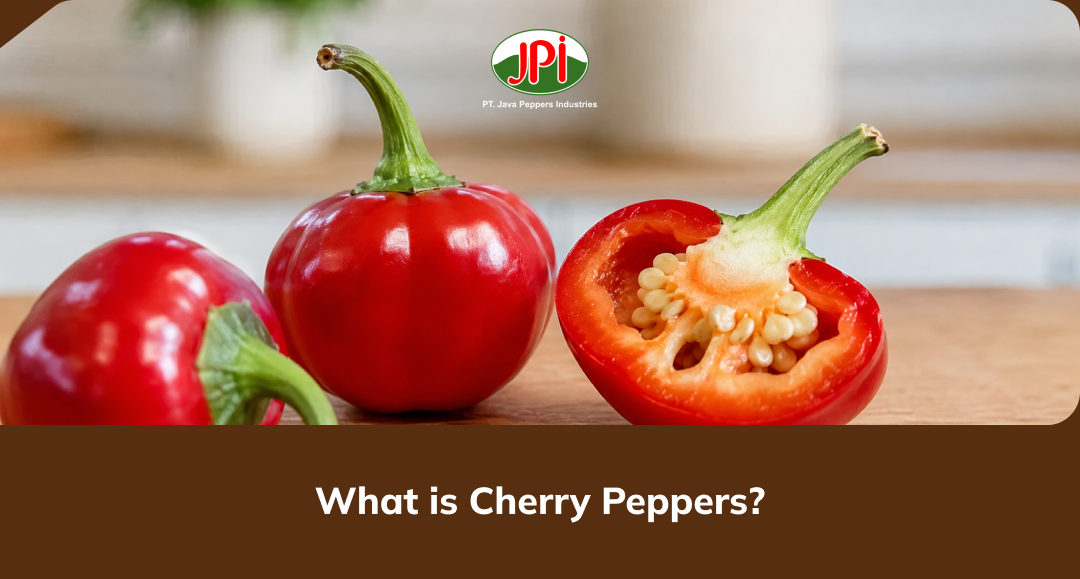
What Is Cherry Peppers?
what_is_cherry_peppers_
Cherry Peppers are a type of chili pepper that looks like tiny tomatoes. Typically, they grow in bright red, yellow, or green colors.
Interestingly, their size ranges from one to two inches in diameter, making them easy to handle. While they are mild to moderately spicy, their sweetness balances the heat perfectly.
Botanically, Cherry Peppers belong to the Capsicum annuum family, which also includes bell small peppers and cayenne peppers.
In addition, these small peppers are rich in vitamins C and A. Vitamin C supports your immune system, while vitamin A benefits your eyesight.
Moreover, Cherry Peppers contain antioxidants that protect your body from free radicals. Due to their nutrients and flavor, they are a favorite in both raw and cooked dishes.
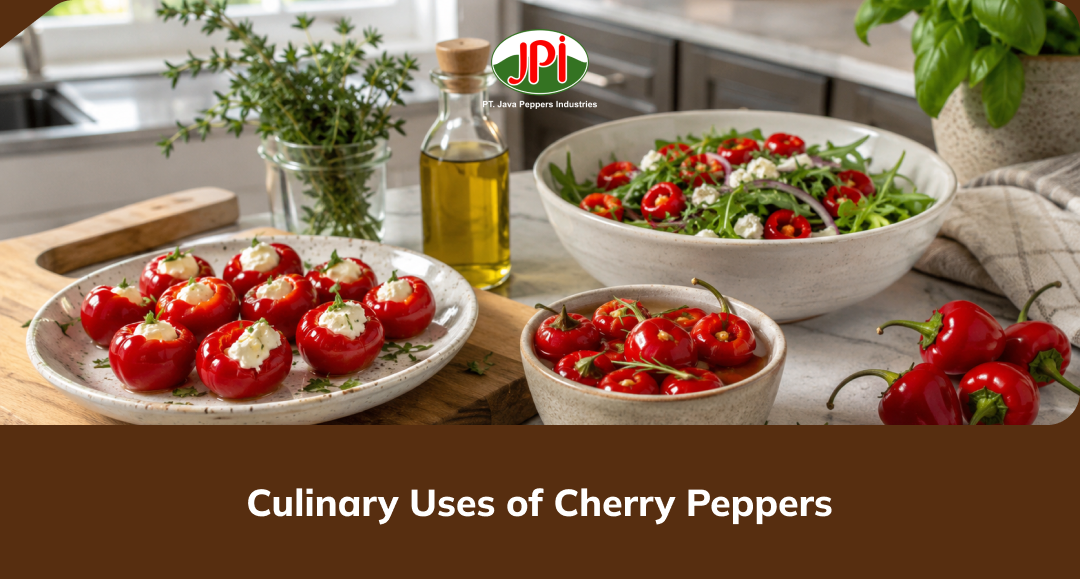
Cherry Peppers are versatile in the kitchen. Firstly, they can be eaten raw in salads, adding a crunchy and colorful touch. Secondly, they are excellent for pickling. Pickled small peppers are popular in sandwiches and antipasto platters because their flavor intensifies over time.
Moreover, small peppers can be stuffed with cheese or meat for a tasty appetizer. Cooking them lightly in olive oil enhances their natural sweetness while keeping their mild heat. Additionally, they can be roasted, grilled, or sautéed to complement pasta, pizza, and roasted vegetable dishes.
Using small peppers in your cooking is also practical. They can replace spicier small peppers in recipes, offering a more manageable heat. Their small size allows easy portion control, so you can adjust the flavor without overpowering your dish. Furthermore, their vibrant color makes meals visually appealing, which encourages healthier eating habits.
Recommendations For The Most Delicious Cherry Peppers
If you love Cherry Peppers, trying them stuffed is a must. These recipes combine fresh small peppers with savory ingredients, creating irresistible flavors. Each option uses high-quality ingredients and traditional techniques to enhance taste and nutrition.
You can choose the following recommendations based on your taste and needs:
1. Stuffed Cherry Peppers with Anchovy and Capers Monsera
These fresh small small peppers are carefully filled with flavorful anchovies and tangy capers. They are lightly drizzled with sunflower oil, which adds a subtle richness and provides health benefits like vitamin E and healthy fats. Each bite delivers a perfectly balanced taste, combining fresh, salty, and slightly tangy flavors that excite your palate.
2. Stuffed Cherry Peppers with Tuna Monsera
Small yet packed with flavor, these small peppers are generously stuffed with high-quality, protein-rich tuna. This combination highlights traditional Italian cooking techniques, offering a rich, savory taste in every bite. They work perfectly as an appetizer, a snack, or a flavorful addition to everyday meals, adding both nutrition and gourmet flair.
3. Stuffed Cherry Peppers with Olives, Capers, and Anchovies Monsera
This recipe features fresh small peppers filled with a savory mix of olives, capers, and anchovies. The blend of salty, tangy, and rich flavors creates a harmonious and delightful taste in every bite. These stuffed peppers are perfect for parties, appetizers, or simply enjoying a gourmet treat at home, elevating any meal effortlessly.
Small peppers are versatile, easy to use, and provide numerous health benefits. By incorporating peppers into your dishes, you can enjoy both taste and wellness in every bite. Lastly, don’t forget to order and see you again with other interesting information.
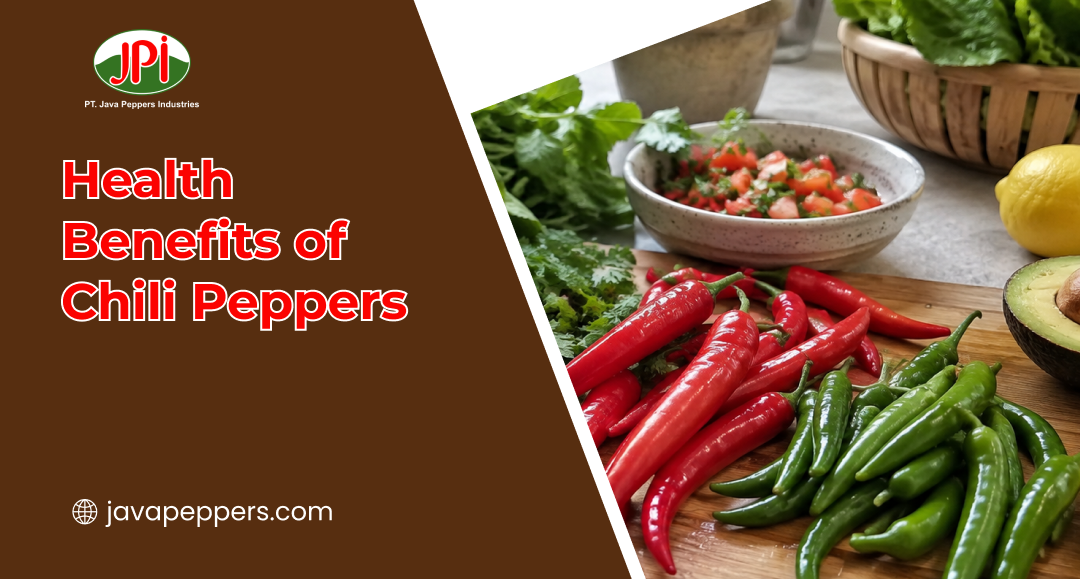
Benefits of Chili Peppers – Chili peppers bring more than just fire to your plate. Honestly, the Health Benefits of Chili go way beyond flavor alone. From boosting metabolism to fighting inflammation, this spicy fruit packs a serious punch. So, let’s dig into why chili deserves a spot on your plate today.
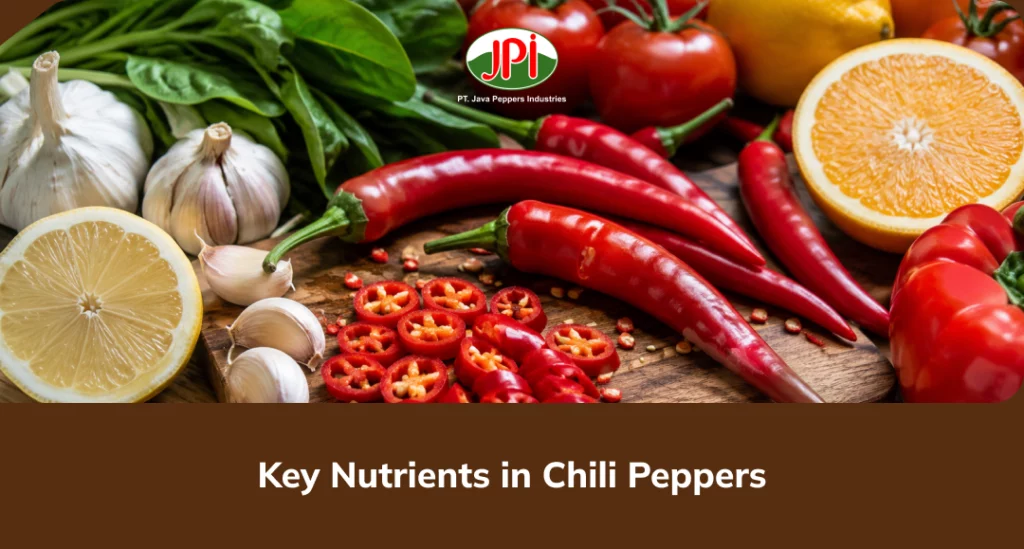
Key Nutrients in The Chilli Peppers
key_nutrients_in_chili_peppers
Vitamin C Powerhouse
Chili peppers actually contain more vitamin C than oranges. Because of that, they help your immune system stay strong. Plus, vitamin C supports healthy skin and faster wound healing. Therefore, adding chili to meals gives your body a real nutrient boost.
Capsaicin Content
Capsaicin is the compound that gives chili its heat. Meanwhile, it also triggers your body to burn more calories. In fact, studies link capsaicin to reduced appetite and fat breakdown. As a result, chili can support your weight management goals.
Vitamin A and Beta-Carotene
Red chili peppers are loaded with vitamin A. Additionally, beta-carotene protects your eyes from age-related damage. Also, this nutrient supports healthy skin and better vision. Basically, one small pepper delivers a big nutritional payoff.
Potassium for Heart Health
Potassium helps regulate blood pressure naturally. Besides that, chili peppers offer a decent potassium source. Furthermore, balanced potassium levels reduce strain on your heart. Consequently, regular chili intake may support cardiovascular wellness.
Antioxidants and Plant Compounds
Chili peppers contain flavonoids that fight free radicals. Moreover, these compounds help slow down cellular aging. Still, moderation matters since too much heat can irritate your stomach. Even so, antioxidants make chili a smart addition to your diet.
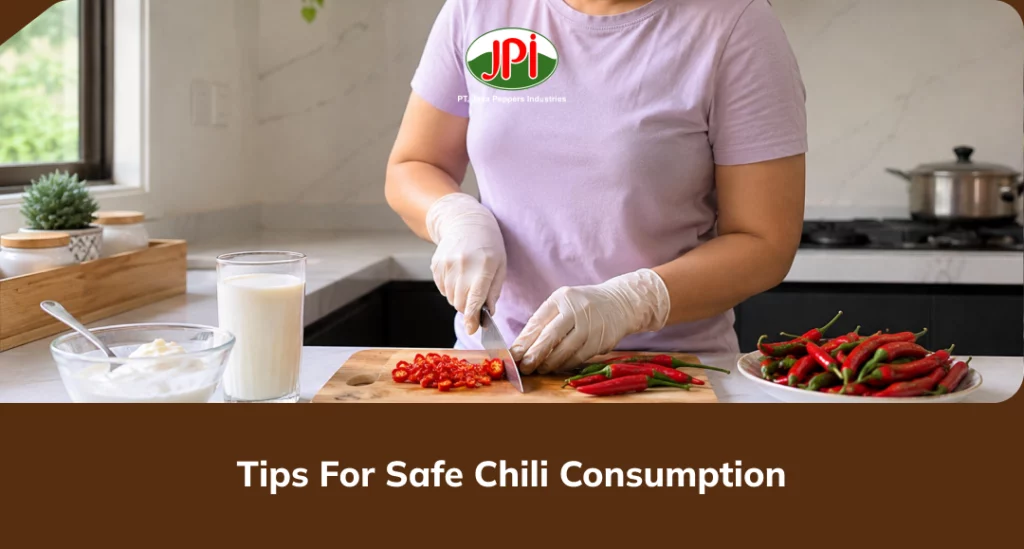
Tips For Safe Chili Consumption
Knowing the benefits of chili peppers is only half the story, it’s equally important to learn how to consume them properly. By following practical and safe guidelines, you can enjoy their taste and health effects while avoiding digestive discomfort or irritation that can result from excessive intake.
Start Slow and Choose Milder Varieties
If you are new to spicy foods you should begin with small portions of chili peppers. Choose milder types such as poblano or mild red peppers first. This helps your body adjust. Then gradually increase the heat if desired.
Pair With Food and Protect Your Digestive System
Always eat chili peppers together with other foods such as grains, vegetables or protein. Eating them on empty stomach may increase risk of gastrointestinal upset. If you have acid reflux, ulcers or sensitive gut you should limit spicy intake.
Use Fresh or Lightly Cooked Peppers to Retain Nutrients
Red or ripe chili peppers contain higher levels of antioxidants and capsaicin when lightly cooked or raw. Roasting or frying at high heat can degrade beneficial compounds. For best results include fresh slices or gentle cooking.
Beware of Tolerance and Side Effects
Over time, your pain receptors may become less responsive to capsaicin, so its effects may diminish, and adding more chili peppers may cause discomfort. Some studies have linked very high intakes to risks such as stomach or gallbladder problems. Therefore, a balanced diet is essential.
Balance With Overall Diet and Lifestyle
Chili peppers are not a miracle cure. They support health but cannot replace a healthy diet, exercise and good sleep. The benefits of chili peppers show stronger when you use them as part of a holistic healthy lifestyle.
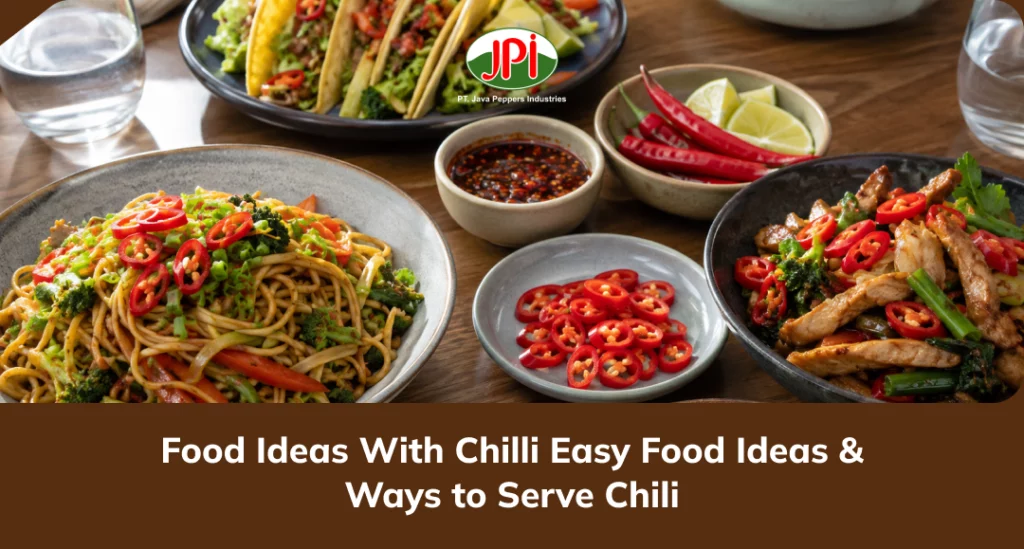
Food Ideas With Chili: Easy Food Ideas & Ways to Serve Chili
Spicy Stir-Fry
Toss sliced chili into your favorite stir-fry. Then, add vegetables and protein for balance. Meanwhile, the heat blends perfectly with soy sauce. This quick meal delivers flavor and nutrition together.
Chili Oil Drizzle
Homemade chili oil adds instant flavor to any dish. Simply, infuse oil with dried chili flakes and garlic. Afterward, drizzle it over noodles or dumplings. This trick transforms simple meals into something exciting.
Homemade Salsa
Fresh salsa combines tomatoes, onions, and chopped chili. Additionally, lime juice brightens up the entire mix. Consequently, this dip pairs well with chips or tacos. It’s an easy way to enjoy fresh chili daily.
Chili-Infused Soups
Add sliced chili to broths for extra warmth. Besides flavor, it also boosts the soup’s health benefits. Furthermore, chili works well with ginger and garlic. Together, these ingredients create a comforting, spicy bowl.
Spicy Snacks
Roasted chickpeas with chili powder make a crunchy snack. Alternatively, sprinkle chili flakes over popcorn for movie nights. Either way, these snacks satisfy cravings without much effort. Spicy snacking never gets boring with chili around.
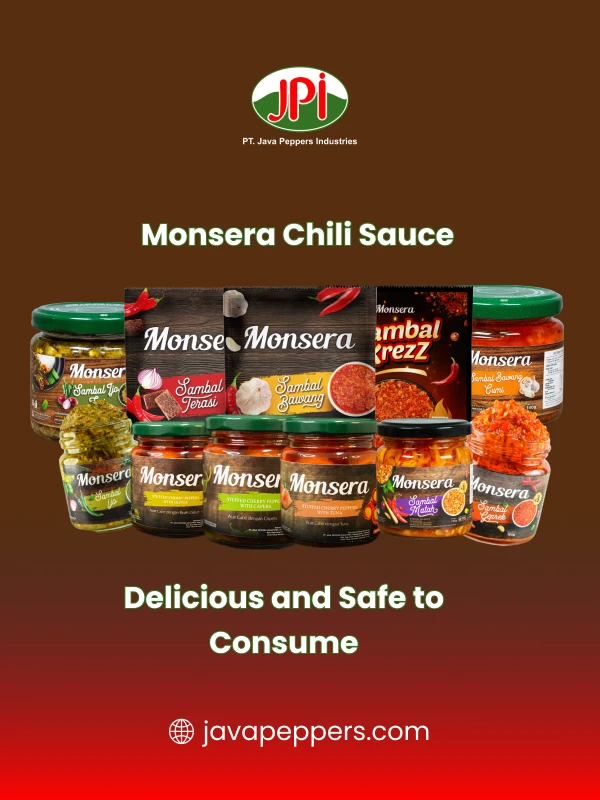
Monsera Chili Sauce, Delicious and Safe to Consume
Monsera Chili Sauce brings the incredible health benefits of chili peppers to your daily meals in a safe and convenient way.
Made from fresh, high-quality ingredients and prepared traditionally, this chili sauce provides benefits such as metabolic support and immune-boosting nutrients.
This chili sauce adds flavor without burdening your digestive system. You’ll experience both a spicy sensation and a nutritional boost, making it a smart choice for enhancing your taste and health. Furthermore, this chili sauce is available in various variants that offer authentic Indonesian flavors.
Chili peppers offer a wide range of health benefits when used wisely. These include boosted metabolism, heart support, stronger immunity, and better digestion. With moderation and mindful consumption, you can make them a valuable part of your diet and enjoy both flavor and wellness. Lastly, don’t forget to order and see you again with other interesting information.
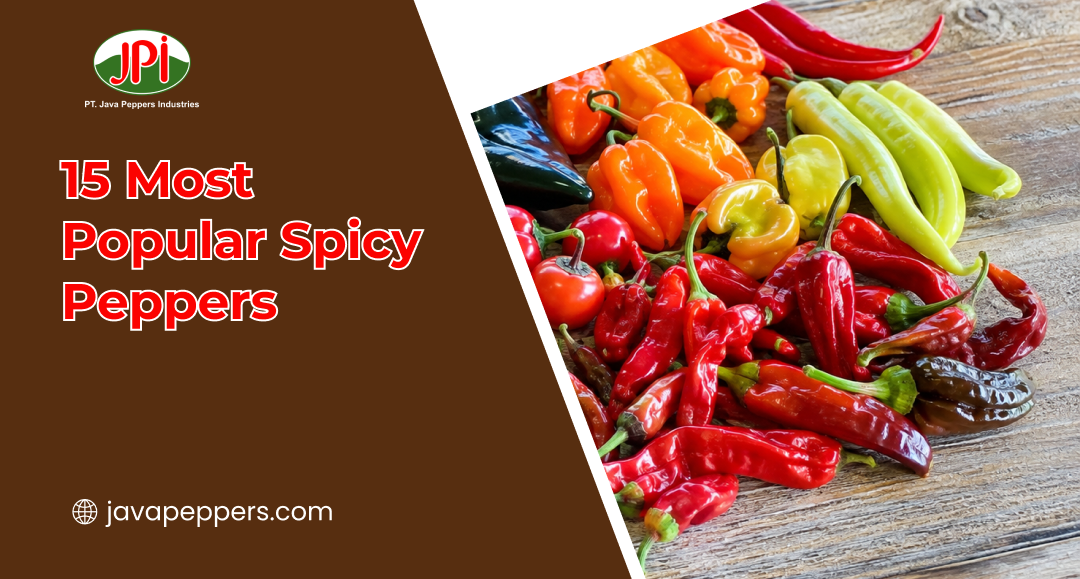
Spicy lovers everywhere know that exploring the different types of spicy peppers brings excitement to the kitchen. From mildly warm to intensely pungent, chili peppers offer a wide range of flavors and heat.
This time, you’ll discover fifteen of the most popular hot peppers, why people love them, and how to enjoy them safely. You’ll also find helpful tips for consuming chili peppers safely so you can manage your heat wisely.
What Makes a Pepper Spicy?
what_makes_a_pepper_spicy_
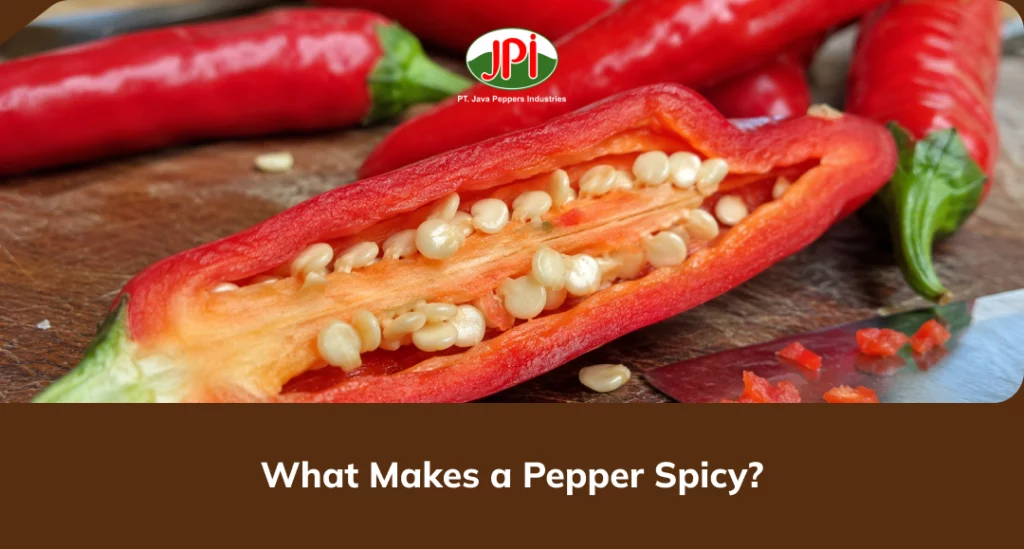
A pepper’s spiciness comes from a chemical called capsaicin, and it mostly lives in the white part inside the pepper, not the seeds like a lot of people think. This chemical tricks your brain by triggering the same nerve that senses real heat, so your mouth feels like it’s burning even though nothing hot is actually touching it.
The more capsaicin a pepper has, the spicier it feels, which is why bell peppers taste mild while something like a Carolina Reaper feels like fire. Peppers actually make more capsaicin when they grow in tough conditions, like heat or dryness, almost like a natural defense. And if your mouth is burning, milk cools it down way better than water, since the spicy stuff dissolves in fat, not water.
Top 15 Spicy Peppers in the World
top_15_spicy_peppers_in_the_world_
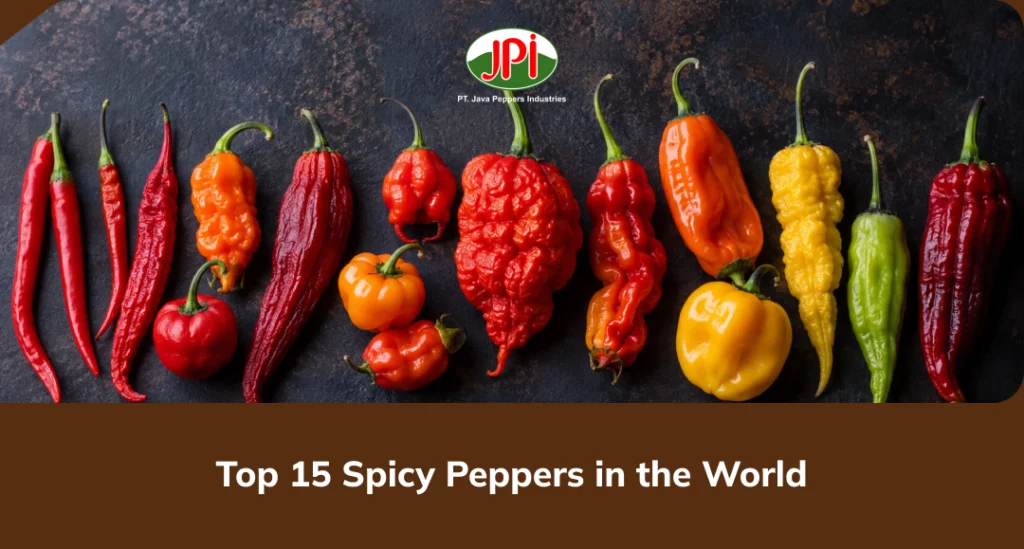
Here are fifteen widely loved types of spicy peppers, listed from mild to extreme heat, along with their unique traits:
Jalapenos are familiar green peppers with a moderate heat level, ranging from 2,000 to 8,000 SHU.
The Fresno is similar to the jalapeño but slightly spicier, ranging from 2,500 to 10,000 SHU.
Serrano peppers have a sharper, spicier flavor, ranging from 10,000 to 25,000 SHU.
Cayenne peppers are long, thin, and red. They are usually dried or ground. Their spiciness ranges from 30,000 to 50,000 SHU.
Tabasco is known for its famous sauce. It has a SHU of around 30,000 to 50,000.
Bird’s Eye Chili, or Thai Chili, is small but powerful. Its spiciness reaches 50,000 to 100,000 SHU.
Scotch bonnets are common in Caribbean cuisine. Their spice level ranges from 100,000 to 350,000 SHU.
Habaneros are bright orange or red peppers with a strong, spicy flavor, ranging from 100,000 to 575,000 SHU.
Red Savina is a special habanero cultivar bred for a higher spiciness of up to 577,000 SHU.
The Ghost Chili, or Bhut Jolokia, is one of the first super-hot chilies, with a SHU of over 1,000,000.
Naga Morich originates from India and Bangladesh, reaching over 1,000,000 SHU.
The Trinidadian Moruga scorpion has a heat rating of around 1,200,000 to 2,000,000 SHU.
The Carolina Reaper is a former world record holder. Its average heat is around 1,600,000 SHU, with peaks exceeding 2,000,000 SHU.
Pepper X holds the current record with a spiciness rating of approximately 2,693,000 SHU.
Xiao Mi La is common in Chinese cuisine with a spice level of around 75,000 SHU.
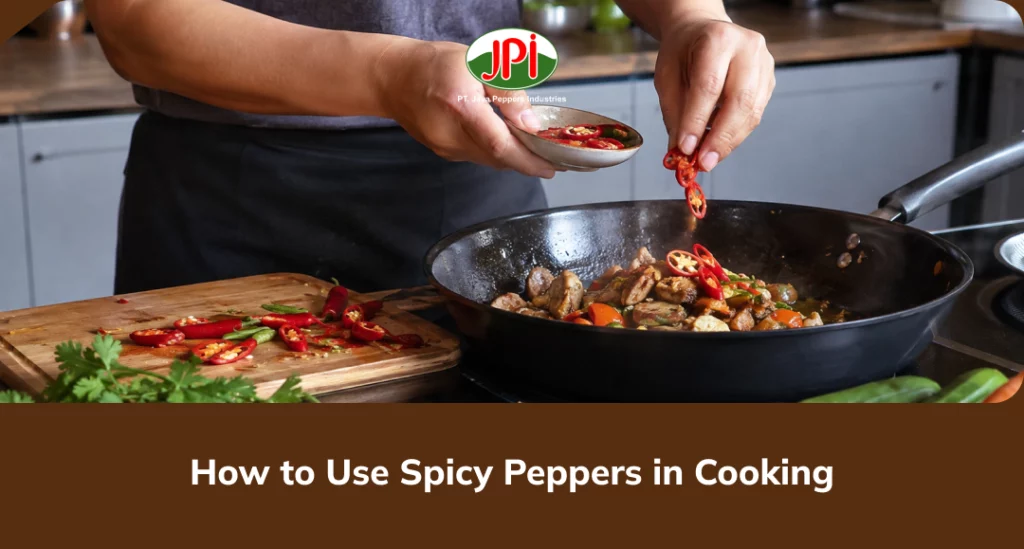
How to Use Spicy Peppers in Cooking
how_to_use_spicy_peppers_in_cooking_
Eating very hot peppers can be thrilling but risky if you’re not prepared. Follow these tips to enjoy their flavor safely.
1. Wear Gloves When Cutting Super Hot Peppers
Capsaicin, the compound responsible for heat, concentrates in the seeds and membranes. Gloves prevent skin burns and stop heat from transferring to your eyes or face. Always wash your hands with soap afterward.
2. Start With Small Portions
When trying a new pepper, begin with a small slice. Gradually increase if comfortable. This helps you enjoy the flavor without overwhelming your palate or upsetting your stomach.
3. Keep Dairy or Starch Nearby
When heat becomes too intense, milk, yogurt, or bread can calm the burn. These foods bind to capsaicin and neutralize its effects faster than water.
4. Avoid Touching Your Face or Eyes
Even a trace of chili oil on your fingers can cause severe irritation. Wash your hands thoroughly after handling peppers, especially super-hot ones.
5. Know Your Limits
Peppers like the Carolina Reaper or Pepper X can be dangerously intense. If you feel pain, dizziness, or nausea, stop eating and take a break.
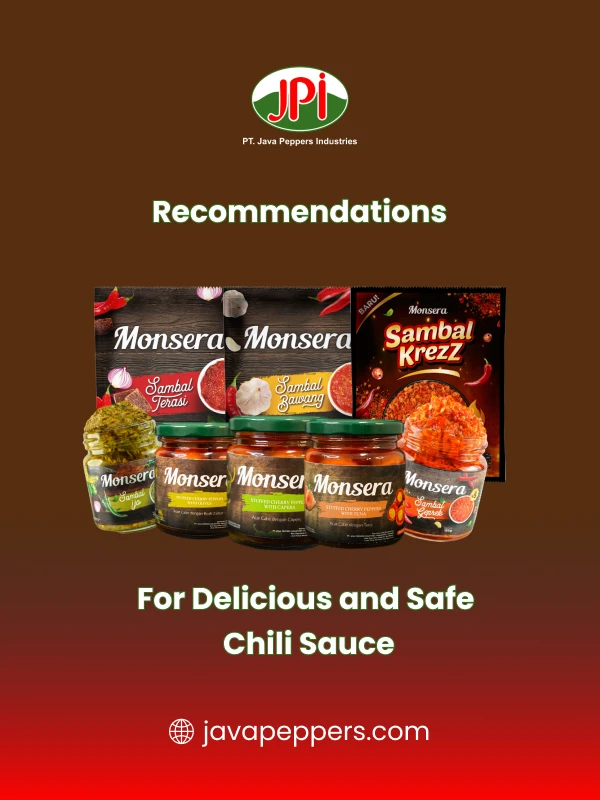
Recommendations For Delicious and Safe Chili Sauce
Choose a chili sauce like Sambal Monsera, which clearly lists the spice level so you can adjust it to your liking. This product uses fresh ingredients and is vacuum-packed hygienically to maintain quality. Start with a mild variant and then work your way up to spicier flavors as your tolerance increases.
Store in the refrigerator after opening and use before the expiration date. Use chili sauce in your dishes for added flavor and heat, but balance it with a cooling ingredient like yogurt or bread to keep the spiciness comfortable.
Exploring these types of hot peppers will add excitement and strong flavor to your dishes, and use chili sauce wisely. Lastly, don’t forget to order and see you again with other interesting information.

 tips_for_choosing_cherry_chil”>