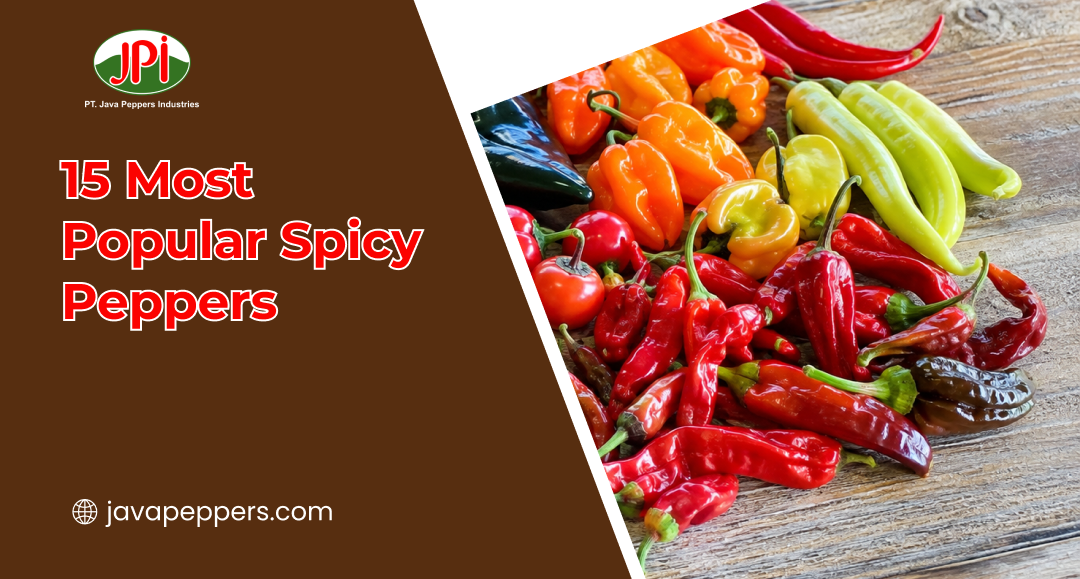
Spicy lovers everywhere know that exploring the different types of spicy peppers brings excitement to the kitchen. From mildly warm to intensely pungent, chili peppers offer a wide range of flavors and heat.
This time, you’ll discover fifteen of the most popular hot peppers, why people love them, and how to enjoy them safely. You’ll also find helpful tips for consuming chili peppers safely so you can manage your heat wisely.
What Makes a Pepper Spicy?
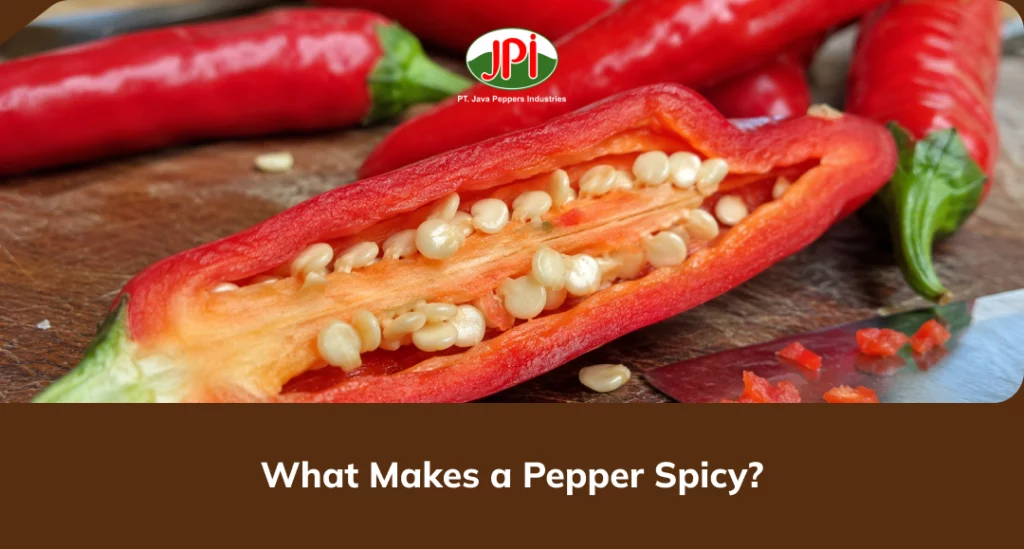
A pepper’s spiciness comes from a chemical called capsaicin, and it mostly lives in the white part inside the pepper, not the seeds like a lot of people think. This chemical tricks your brain by triggering the same nerve that senses real heat, so your mouth feels like it’s burning even though nothing hot is actually touching it.
The more capsaicin a pepper has, the spicier it feels, which is why bell peppers taste mild while something like a Carolina Reaper feels like fire. Peppers actually make more capsaicin when they grow in tough conditions, like heat or dryness, almost like a natural defense. And if your mouth is burning, milk cools it down way better than water, since the spicy stuff dissolves in fat, not water.
Top 15 Spicy Peppers in the World
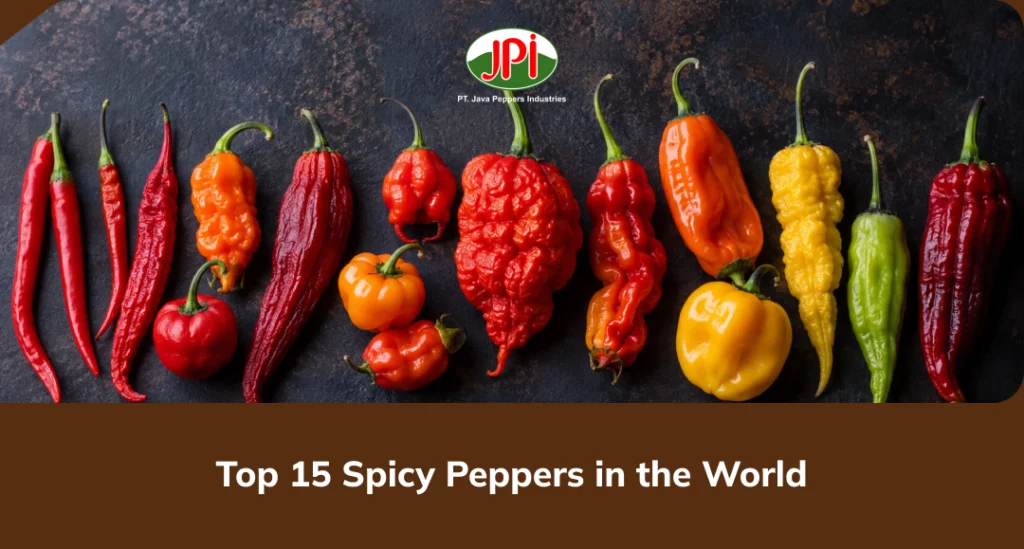
Here are fifteen widely loved types of spicy peppers, listed from mild to extreme heat, along with their unique traits:
- Jalapenos are familiar green peppers with a moderate heat level, ranging from 2,000 to 8,000 SHU.
- The Fresno is similar to the jalapeño but slightly spicier, ranging from 2,500 to 10,000 SHU.
- Serrano peppers have a sharper, spicier flavor, ranging from 10,000 to 25,000 SHU.
- Cayenne peppers are long, thin, and red. They are usually dried or ground. Their spiciness ranges from 30,000 to 50,000 SHU.
- Tabasco is known for its famous sauce. It has a SHU of around 30,000 to 50,000.
- Bird’s Eye Chili, or Thai Chili, is small but powerful. Its spiciness reaches 50,000 to 100,000 SHU.
- Scotch bonnets are common in Caribbean cuisine. Their spice level ranges from 100,000 to 350,000 SHU.
- Habaneros are bright orange or red peppers with a strong, spicy flavor, ranging from 100,000 to 575,000 SHU.
- Red Savina is a special habanero cultivar bred for a higher spiciness of up to 577,000 SHU.
- The Ghost Chili, or Bhut Jolokia, is one of the first super-hot chilies, with a SHU of over 1,000,000.
- Naga Morich originates from India and Bangladesh, reaching over 1,000,000 SHU.
- The Trinidadian Moruga scorpion has a heat rating of around 1,200,000 to 2,000,000 SHU.
- The Carolina Reaper is a former world record holder. Its average heat is around 1,600,000 SHU, with peaks exceeding 2,000,000 SHU.
- Pepper X holds the current record with a spiciness rating of approximately 2,693,000 SHU.
- Xiao Mi La is common in Chinese cuisine with a spice level of around 75,000 SHU.
How to Use Spicy Peppers in Cooking
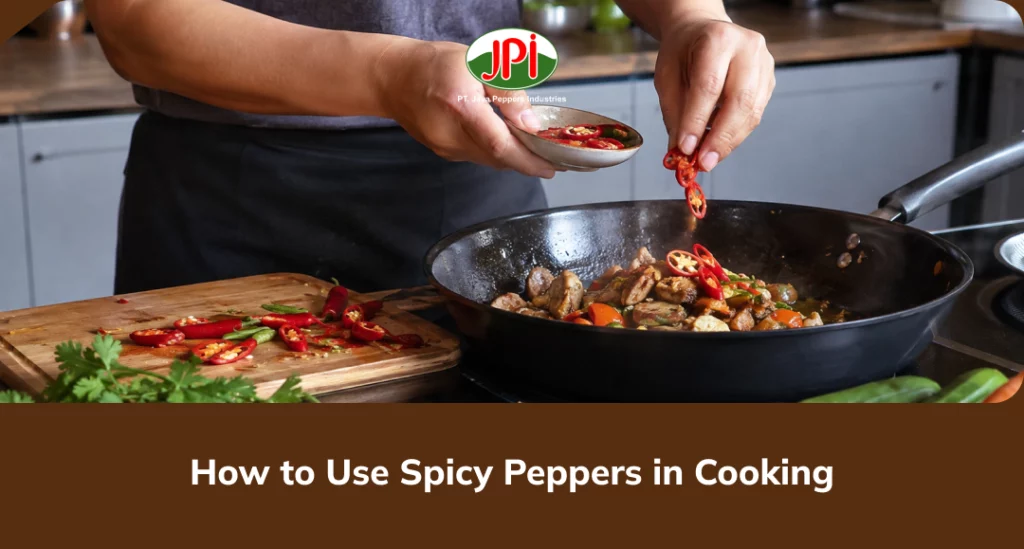
Eating very hot peppers can be thrilling but risky if you’re not prepared. Follow these tips to enjoy their flavor safely.
1. Wear Gloves When Cutting Super Hot Peppers
Capsaicin, the compound responsible for heat, concentrates in the seeds and membranes. Gloves prevent skin burns and stop heat from transferring to your eyes or face. Always wash your hands with soap afterward.
2. Start With Small Portions
When trying a new pepper, begin with a small slice. Gradually increase if comfortable. This helps you enjoy the flavor without overwhelming your palate or upsetting your stomach.
3. Keep Dairy or Starch Nearby
When heat becomes too intense, milk, yogurt, or bread can calm the burn. These foods bind to capsaicin and neutralize its effects faster than water.
4. Avoid Touching Your Face or Eyes
Even a trace of chili oil on your fingers can cause severe irritation. Wash your hands thoroughly after handling peppers, especially super-hot ones.
5. Know Your Limits
Peppers like the Carolina Reaper or Pepper X can be dangerously intense. If you feel pain, dizziness, or nausea, stop eating and take a break.
Recommendations For Delicious and Safe Chili Sauce
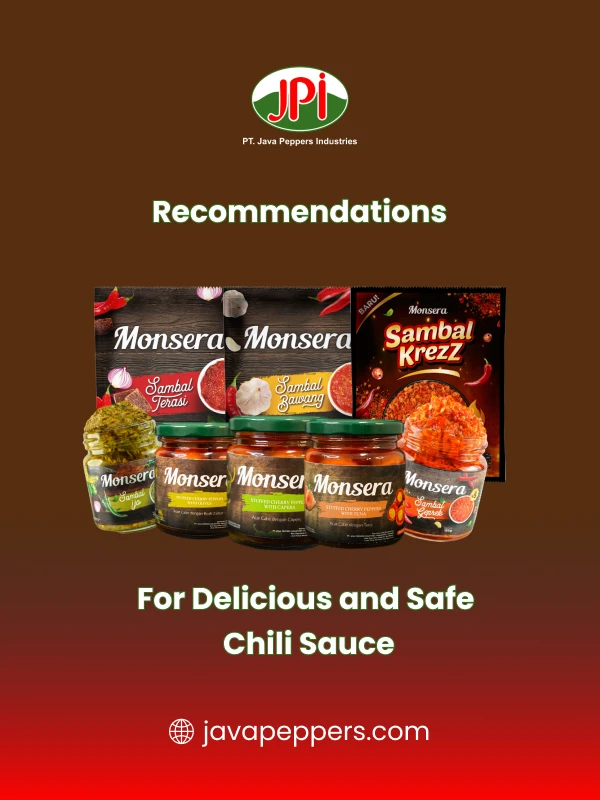
Choose a chili sauce like Sambal Monsera, which clearly lists the spice level so you can adjust it to your liking. This product uses fresh ingredients and is vacuum-packed hygienically to maintain quality. Start with a mild variant and then work your way up to spicier flavors as your tolerance increases.
Store in the refrigerator after opening and use before the expiration date. Use chili sauce in your dishes for added flavor and heat, but balance it with a cooling ingredient like yogurt or bread to keep the spiciness comfortable.
Read More: Best Storage Methods for Chili Export
Let’s order via the button below now!

Conclusion
Exploring these types of hot peppers will add excitement and strong flavor to your dishes, and use chili sauce wisely. Lastly, don’t forget to order and see you again with other interesting information.