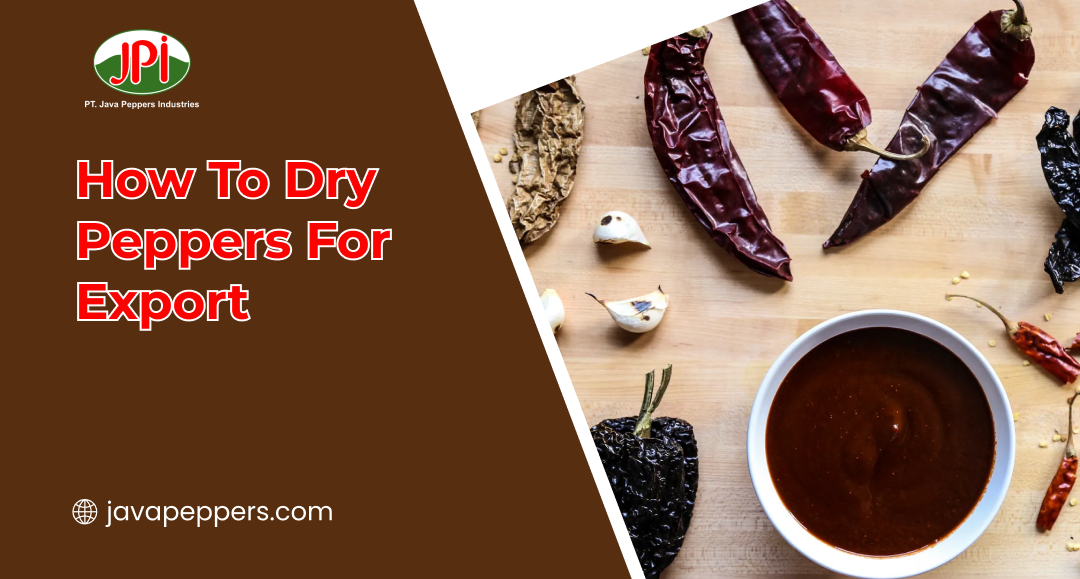
How To Dry Peppers – Drying peppers is one of the most effective ways to preserve their flavor, color, and nutritional value while extending shelf life. If you’ve ever wondered how to dry peppers for commercial purposes, especially export, the process involves more than just leaving them under the sun. Proper techniques ensure quality, safety, and compliance with international standards.
So you don’t get confused, read the following article!
Benefits of Dried Chilies
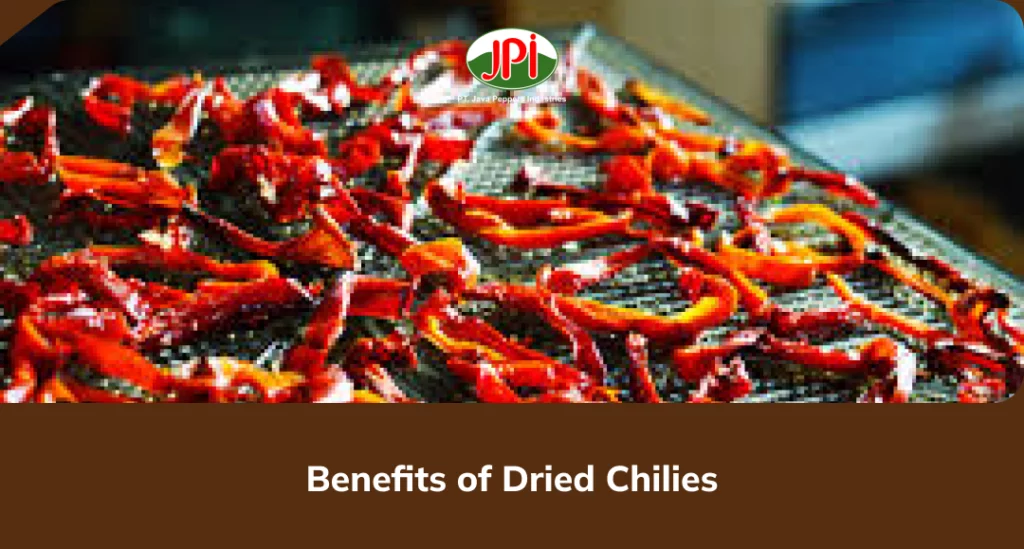
Dried chilies are in high demand across the world, not only because of their long shelf life but also due to their concentrated flavor. When fresh peppers are dried, their natural sugars and heat intensify, making them more valuable in culinary applications.
One major advantage is preservation. Fresh peppers spoil quickly due to high moisture content, but drying reduces moisture to a level where bacteria and mold cannot thrive. This makes dried chilies ideal for long-distance shipping and export.
Another benefit is economic value. Dried peppers are lighter and take up less space, reducing transportation costs. Exporters can store large quantities without worrying about rapid spoilage, which improves profitability.
Additionally, dried chilies are versatile. They can be ground into powder, rehydrated for cooking, or used whole in various cuisines. This flexibility increases their appeal in international markets, especially in food industries that require consistent spice quality.
How To Dry Peppers
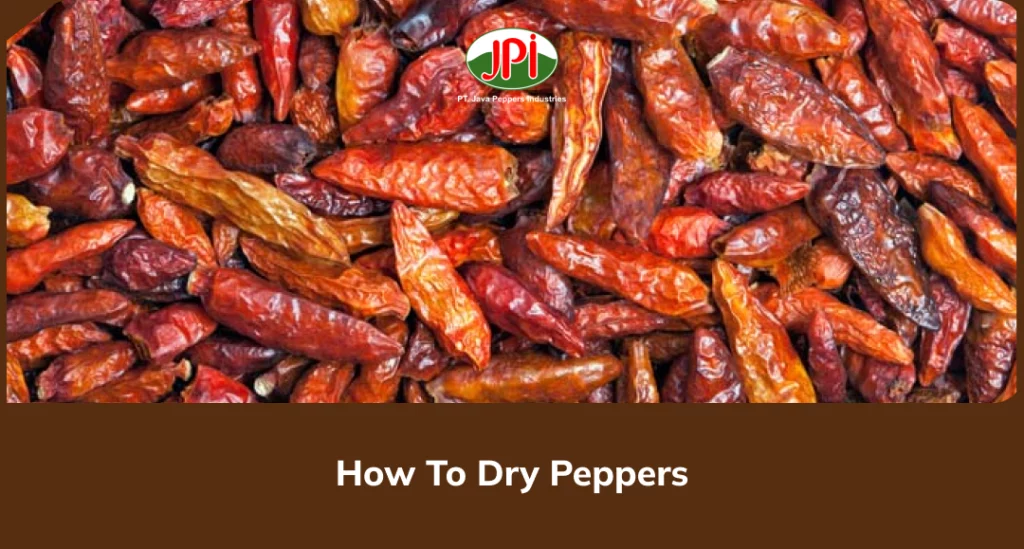
Understanding how to dry peppers properly is essential if you aim to export them. The process must ensure cleanliness, uniform drying, and compliance with food safety standards.
1. Selecting the Right Peppers
Start with fresh, fully ripe peppers. They should be free from damage, mold, or insect contamination. Uniform size and color are important for export quality, as buyers prefer consistent products.
2. Cleaning and Preparation
Wash the peppers thoroughly to remove dirt and residues. After washing, dry them using a clean cloth or air drying. Depending on the type, you may leave them whole or slice them to speed up the drying process.
3. Choosing a Drying Method
There are several methods to consider:
- Sun Drying: This traditional method is cost-effective and widely used in tropical regions. Spread peppers evenly on clean trays and place them under direct sunlight. Cover with a mesh to protect from dust and insects. Drying typically takes several days depending on weather conditions.
- Oven Drying: Suitable for controlled environments. Set the oven to a low temperature (around 50–60°C) and allow moisture to evaporate gradually. This method produces more consistent results.
- Dehydrator Drying: A food dehydrator is the most efficient option for commercial purposes. It ensures even drying and better hygiene, which is crucial for export standards.
4. Monitoring Moisture Levels
Proper drying reduces moisture content to around 10–12%. Peppers should feel brittle and snap easily when bent. Inconsistent drying can lead to mold growth during storage, which is unacceptable for export.
5. Cooling and Packaging
After drying, allow peppers to cool completely before packaging. Use airtight, food-grade packaging materials to prevent moisture absorption. Vacuum sealing is highly recommended for export shipments.
6. Storage and Quality Control
Store dried peppers in a cool, dry place away from direct sunlight. Regularly check for signs of moisture or contamination. Maintaining quality is essential to meet international food safety regulations.
Monsera Krezz Chili, The Sensation Of Delicious Dried Chili
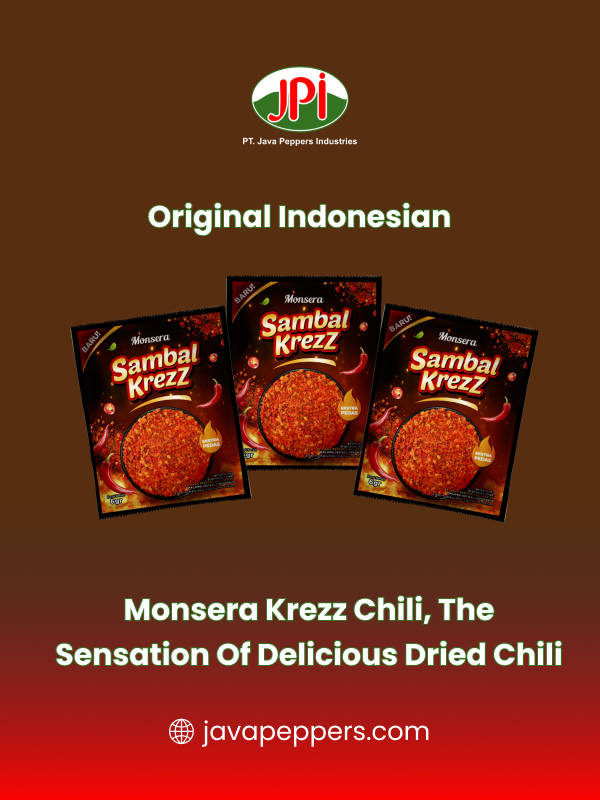
Monsera Krezz Chili delivers a premium dried chili experience inspired by expert methods on how to dry peppers. This innovative product features a unique crunchy sambal texture that creates a completely new taste sensation. Its crispy and dry consistency, combined with immersion in sunflower seed oil, produces a rich, flavorful profile in every bite. The careful drying process preserves the chili’s natural heat while enhancing its aroma and texture. Each spoonful offers a perfect balance of crunch and spice, making it an exceptional choice for modern consumers seeking high-quality, export-ready dried chili products.
Let’s order via the button below now!

Conclusion
Drying peppers for export requires careful attention to quality, hygiene, and consistency. By mastering how to dry peppers correctly, you can produce a durable, flavorful product that meets global standards. With the right process and market understanding, dried peppers can become a profitable export commodity.