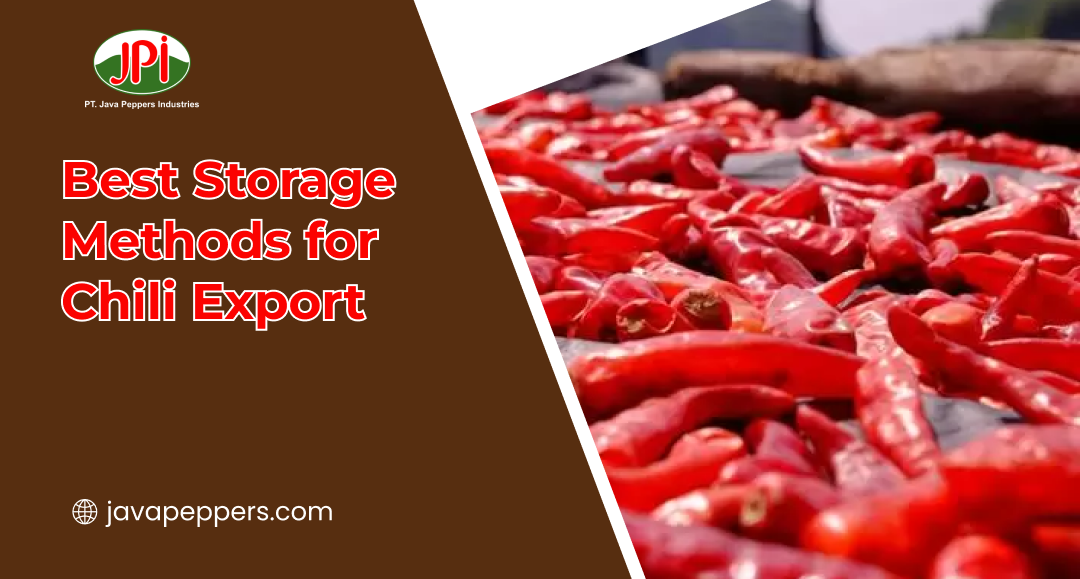
Chili Storage Methods – Chili peppers travel a long way before reaching another country. Exporters face a tricky problem, though. Fresh chili spoils fast without proper care. That’s why chili storage methods matter so much for every exporter. Additionally, the right technique keeps color, heat, and freshness intact. So, this article breaks down the smartest storage tricks around!
Factors in Storing Chili for Export Quality
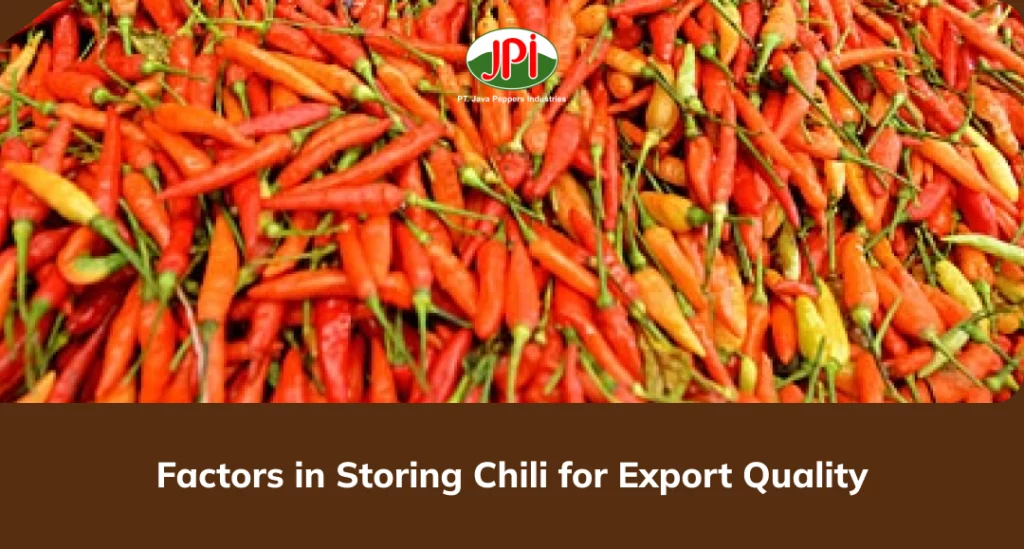
Before storing chili for export, it is important to understand the factors that affect its quality. Proper storage helps keep chili fresh during transportation. In addition, good storage reduces the risk of spoilage before the product reaches buyers. Here are five important factors to consider.
Temperature Control
Temperature has a major effect on the freshness of chili. High temperatures can speed up the ripening and spoilage process. Meanwhile, cooler temperatures help slow the growth of bacteria and fungi. Therefore, exporters should maintain a stable temperature throughout storage and transportation.
Humidity Levels
Humidity also plays an important role in preserving chili quality. Excess moisture can encourage mold growth and cause the chili to spoil. On the other hand, air that is too dry can make the chili lose moisture and become shriveled. For this reason, maintaining balanced humidity is essential.
Packaging Material
The right packaging helps protect chili from physical damage during shipping. Breathable packaging allows air to circulate and reduces moisture buildup. In contrast, unsuitable packaging can trap moisture and increase the risk of spoilage. Therefore, exporters should choose packaging that matches the storage conditions.
Chili Variety and Ripeness
Different chili varieties have different storage characteristics. Some types naturally stay fresh longer than others. In addition, fully ripe chilies usually have a shorter storage life than less mature ones. Because of this, sorting chili by variety and ripeness is recommended before storage.
Best Cold and Dry Storage Techniques for Chili
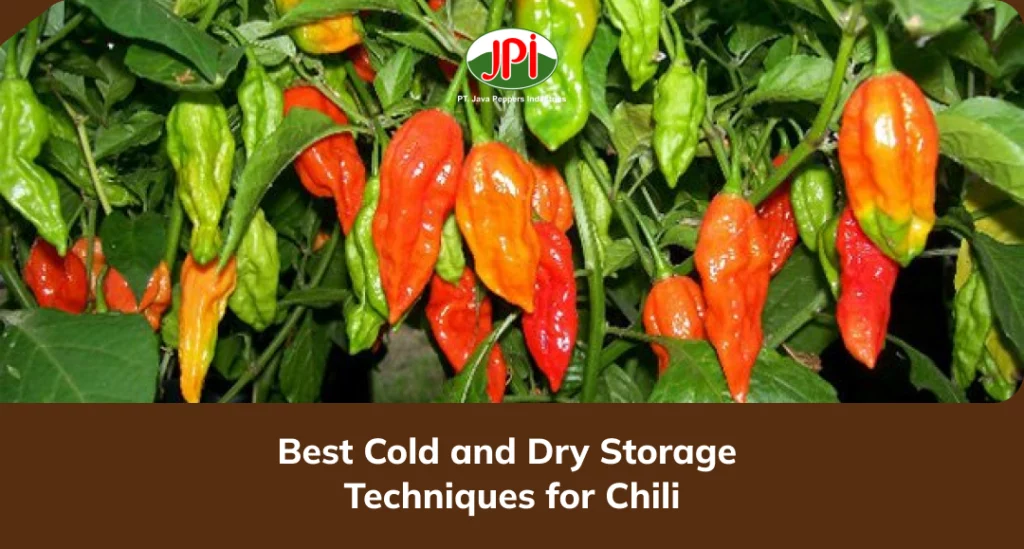
Choosing the right storage method helps keep chili fresh for a longer time. Both cold and dry storage methods can provide good results when used correctly. In addition, each method is suitable for different types of chili products. Here are five commonly used storage techniques.
Cold Room Storage
Cold rooms help slow the natural ripening process of fresh chili. Lower temperatures also reduce the growth of bacteria and fungi. In addition, this method helps maintain the color and freshness of the chili. Therefore, many commercial exporters use cold room storage.
Refrigeration at the Right Temperature
Refrigerators are suitable for storing smaller quantities of fresh chili. The recommended storage temperature is generally between 7°C and 10°C. In addition, keeping the temperature stable helps prevent freezing or early spoilage. For this reason, regular temperature monitoring is important.
Dry Storage with Good Ventilation
Dry storage works well for certain chili varieties and dried chili products. Good ventilation helps prevent moisture from building up inside the storage area. In addition, proper airflow reduces the chance of mold growth. Therefore, storage rooms should have adequate air circulation.
Using Silica Gel or Desiccants
Silica gel and other desiccants help absorb excess moisture inside the packaging. This method is especially useful for dried chili products. In addition, desiccants are easy to use and relatively affordable. As a result, many exporters use them to maintain product quality.
Vacuum Sealing
Vacuum sealing removes most of the air from the package before storage. Less oxygen helps slow the growth of bacteria and other microorganisms. In addition, vacuum packaging can extend the shelf life of chili products. Therefore, it is a good option for long-distance transportation.
How to Store Fresh Chili for Long Time
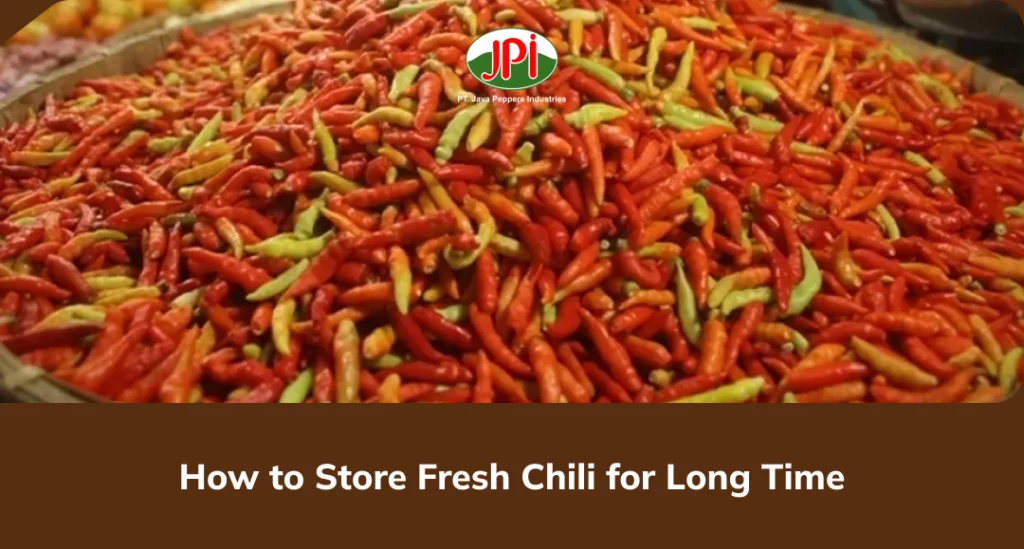
Fresh chili requires proper handling to maintain its quality during storage. Without the right method, it can spoil within a short period. In addition, regular care helps reduce waste and maintain product value. Here are five practical storage tips.
Sort Chili Before Storage
Separate damaged, bruised, or overripe chilies before storing them. Damaged chili can cause nearby healthy chili to spoil more quickly. In addition, sorting by size and ripeness makes storage more effective. Therefore, sorting should always be the first step.
Clean and Dry the Chili Properly
Wash the chili carefully to remove dirt and other contaminants. After washing, dry the chili completely before placing it into storage. In addition, dry chili is less likely to develop mold during storage. Because of this, proper drying is an important part of the process.
Use Breathable Bags
Breathable bags allow air to move freely around the chili. Good airflow helps reduce excess moisture inside the packaging. In addition, this method lowers the risk of mold and spoilage. Therefore, mesh or breathable bags are often recommended for fresh chili.
Freeze Fresh Chili
Freezing is a suitable option for long-term storage. This method helps preserve the flavor of the chili for a longer period. In addition, freezing can reduce product waste when the chili is not used immediately. However, the texture may change slightly after thawing.
Perform Regular Quality Checks
Inspect stored chili regularly to identify signs of spoilage. Early inspection helps prevent damaged chili from affecting the rest of the batch. In addition, routine checks allow problems to be addressed quickly. Therefore, regular monitoring is an important part of proper chili storage.-
Monsera Chili Sauce is crafted to represent authentic Indonesian flavors, and it offers a smooth balance of heat and richness. Additionally, the sauce is suitable for daily use, which makes it ideal for beginners exploring spicy food.
Let’s order via the button below now!

Kesimpulan
Chili storage methods truly determine export success overall. Every factor, from temperature to packaging, plays a role. Meanwhile, cold and dry techniques both offer strong results.