Walk down any grocery aisle, and you will see dozens of chili sauces. Behind every bottle, chili sauce innovation drives better taste, safety, and speed. Today, factories use smart machines, producers refine old fermentation methods, and chefs invent bold new flavors. This article explains how chili sauce innovation works in three key areas. First, it covers automation. Next, it looks at fermentation. Finally, it explores new flavors and ingredients.
How Automation is Changing Hot Sauce Production
How Automation is Changing Hot Sauce Production
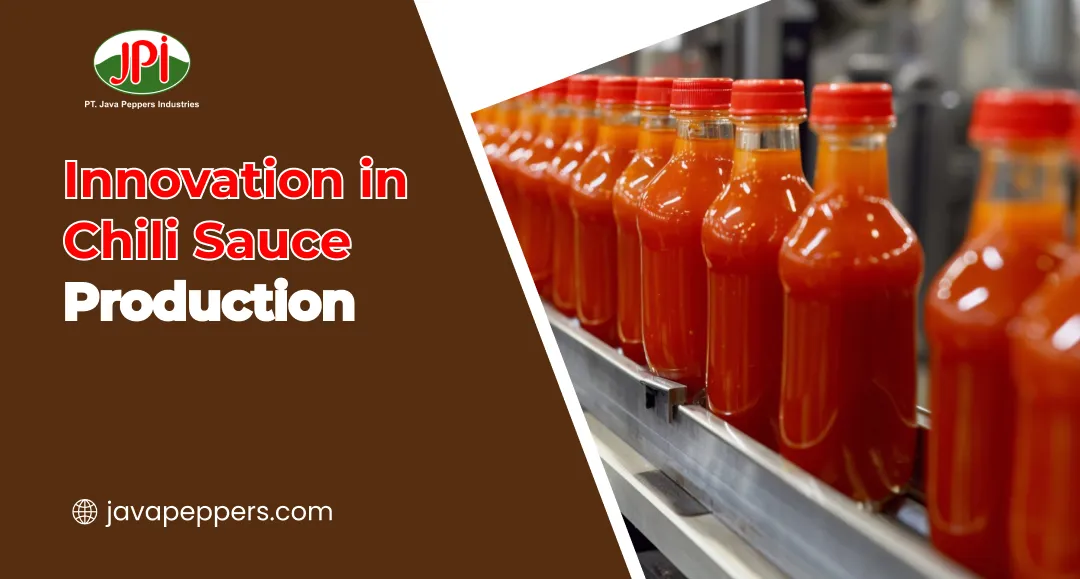
Machines now handle many steps that workers once did by hand. Here is how automation drives chili sauce innovation on the factory floor.
1. Automated Washing and Sorting
Air blowers and bubble washers clean chilies before processing. Brush washers then scrub away dirt that water alone leaves behind. Sorting systems remove bad peppers and stems, so only quality fruit moves forward.
2. Precise Crushing and Mixing
Industrial crushers grind chilies to the same size every time. Automatic mixers add spices, salt, and vinegar in exact amounts. As a result, each batch tastes the same as the last.
3. Smart Temperature Control
Computer controls track heat during cooking and sterilizing. This protects flavor and keeps the sauce safe for shoppers. If the temperature drifts, the system adjusts it right away.
4. Gentle Sterilization
Tube-in-tube sterilizers heat the sauce with hot water instead of direct steam. This indirect method kills germs while it protects the flavor and color. Therefore, the bottle on your shelf tastes close to fresh.
5. Fast, Clean Filling and Packaging
Filling machines seal bottles in seconds. Airtight systems also limit contact with air and hands, which supports hygiene and a longer shelf life. Automatic lines keep pace with large orders from stores and exporters.
6. Real-Time Quality Monitoring
Sensors check ingredient quality and track production as it happens. Managers see the data on screens, so they spot problems early. They fix issues before a batch goes to waste.
7. Lower Waste and Cost
Accurate machines use ingredients efficiently and cut human error. Fewer mistakes mean fewer lost batches and lower costs. As a result, small and large producers save money, and chili sauce innovation reaches more markets.
Advanced Fermentation Processes for Better Flavor
Advanced Fermentation Processes for Better Flavor
Fermentation turns simple chilies into a sauce with deep, complex taste. Modern tools make this old method faster, safer, and more reliable.
1. Natural Lactic Acid Fermentation
Workers mash chilies with salt, and friendly bacteria begin to grow. These bacteria make lactic acid, which adds a tangy taste and protects the sauce. The salt keeps harmful germs out during this early stage.
2. Pure Culture Starters
Producers now add chosen bacteria instead of waiting for wild ones. This step speeds up the process and keeps flavor stable from batch to batch. It also lowers the risk of a bad batch.
3. Controlled Temperature and Time
Traditional fermentation can last from two weeks to three years. Modern tanks hold a steady temperature, so some methods finish in about a week. Even so, many artisan brands still choose slow fermentation for extra depth.
4. Better Food Safety
Careful checks on acidity and salt level keep harmful germs away. Modern methods also cut compounds like nitrite, which older methods sometimes leave behind. Consequently, shoppers get a safer product with the same bold taste.
5. Natural Preservation
Fermentation makes the sauce more acidic, which helps it last longer. Therefore, brands rely less on artificial preservatives. The sauce also keeps its fresh chili aroma for longer.
6. Stirring and Resting Cycles
Some producers alternate stirring and resting during fermentation. This rhythm helps the chili mash release water and ripen evenly. In one method, this cycle lasts about 15 days.
7. Deeper Aging for Complex Taste
Longer aging builds rich, savory notes in the sauce. Some premium brands let their sauces age for months to reach that depth. The heat also mellows, so the flavor tastes rounder.
Brands now go far beyond plain heat. Here are the creative ideas that push chili sauce innovation forward.
1. New Pepper Varieties
Researchers breed chilies with fruity, smoky, or floral notes. These peppers help makers stand out on busy shelves. Some varieties even deliver flavor with a milder burn.
2. Fruit and Sweet Blends
Mango, pineapple, and peach add sweetness that balances the heat. Many shoppers love this mix on barbecue, tacos, and rice bowls. As a result, these sauces appeal to people who dislike harsh spice.
3. Fermented Honey and Garlic
Some small brands blend chili with fermented honey or garlic. These pairings add depth and a gentle sweetness. The honey softens sharp heat without hiding the pepper flavor.
4. Chili Crisp and Crunchy Textures
Chili crisp mixes spicy oil with crunchy garlic and shallot. This crunchy product has become a bestseller for some makers. Cooks spoon it over eggs, noodles, and dumplings.
5. Global Regional Flavors
Makers borrow ideas from Thai, Korean, Mexican, and African kitchens. Each region brings its own spices, sour notes, and cooking styles. As a result, shoppers can taste the world in one bottle.
6. Waste-Saving Ingredients
Some producers turn surplus green peppers into brand-new sauces. These peppers often miss the standard grades for sale. This approach saves money and cuts food waste.
7. Eco-Friendly Sourcing and Packaging
Many brands now choose responsibly grown chilies and recyclable bottles. Shoppers increasingly prefer companies that protect the planet. Clear sourcing stories also build trust with buyers.
Get your premium chili peppers today! Simply contact Java Peppers via the WhatsApp number below to place your order.
Kesimpulan
Chili sauce innovation touches every step, from the factory floor to the fermentation tank to the flavor lab. Automation brings speed, safety, and consistency, while modern fermentation builds deeper taste and longer shelf life. Meanwhile, new peppers, creative ingredients, and eco-friendly choices give shoppers more exciting options than ever. Keep an eye on chili sauce innovation, because the next great bottle may already sit on a shelf near you.
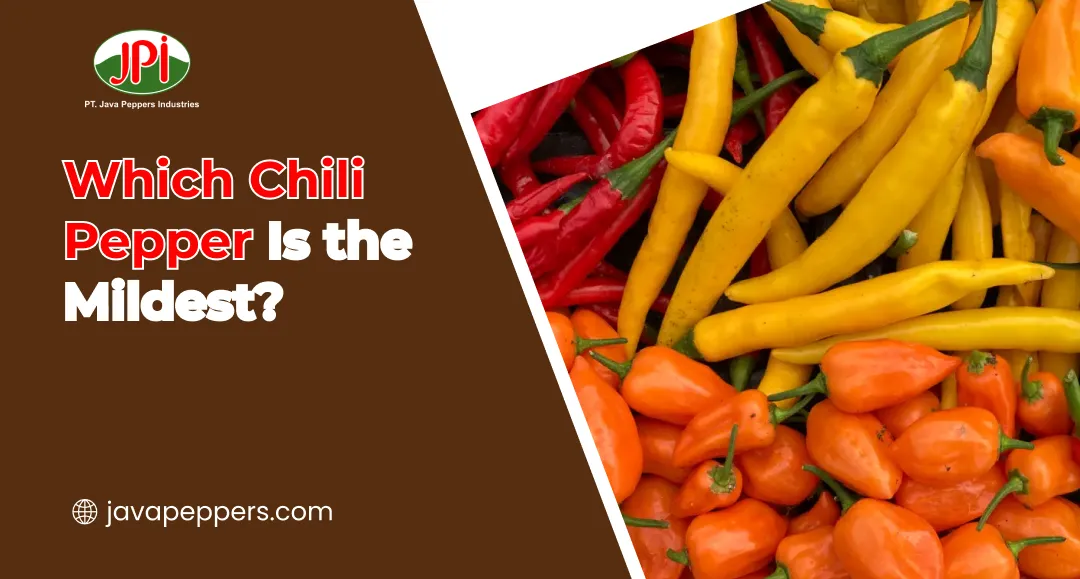
Do you love the flavor of peppers but dislike the burn? Many cooks ask which chili is mildest before they shop. The short answer is the bell pepper, which has zero heat. Other gentle options, such as banana peppers and cubanelles, also add flavor without the pain. This guide explains which chili is mildest, how people use these peppers, and which dishes show them off best.
Which Chilli Pepper is the Mildest
Which Chilli Pepper is the Mildest
Pharmacist Wilbur Scoville built the Scoville scale in 1912 to rank pepper heat. Lower numbers mean milder peppers, so here is the full list of which chili is mildest, from zero heat upward.
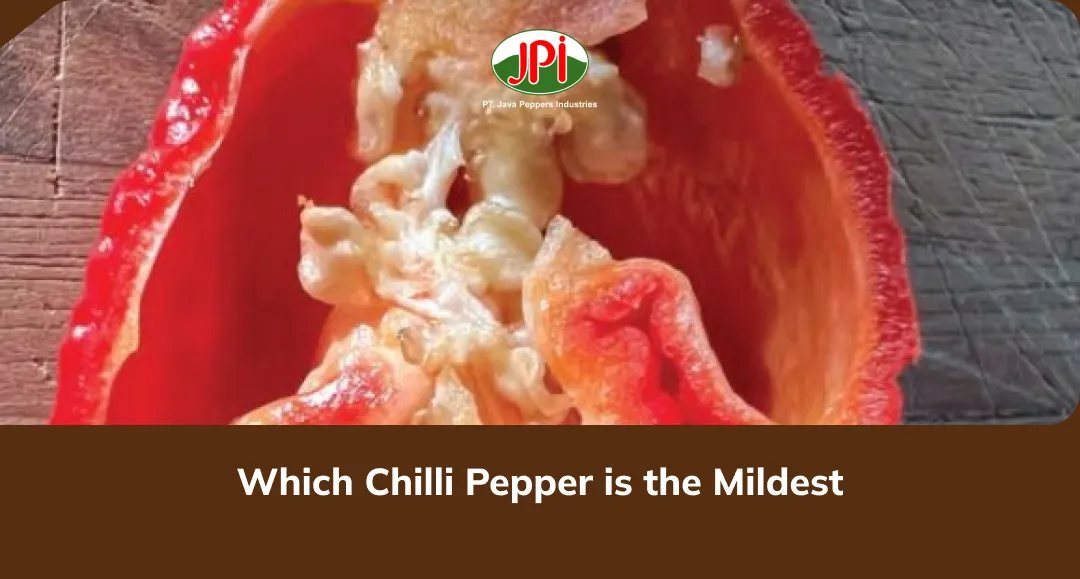
1. Bell Pepper (0 SHU)
Bell peppers sit at zero on the Scoville scale because they contain no capsaicin. So, if you ask which chili is mildest, this sweet pepper wins every time. It tastes crisp, juicy, and slightly sweet.
2. Sweet Banana Pepper (0–500 SHU)
Banana peppers taste tangy and sweet with almost no heat. They stay below 500 SHU, so even children enjoy them. Look for the pale yellow color and long, slim shape.
3. Pimiento Pepper (100–500 SHU)
Pimientos are small, plump, and very sweet. They register only 100 to 500 SHU. You often find them inside green olives.
4. Pepperoncini (100–500 SHU)
Pepperoncini add a gentle tang with just a hint of warmth. They also stay between 100 and 500 SHU. Most stores sell them in jars with brine.
5. Cubanelle Pepper (100–1,000 SHU)
Cubanelles have thin skin and a mild, sweet flavor. They reach up to 1,000 SHU, which still feels very gentle. Cooks fry them often because they cook fast.
6. Shishito Pepper (50–200 SHU)
Shishito peppers taste mild and slightly smoky. However, an occasional pod can pack extra heat. Even so, most stay under 200 SHU.
7. Anaheim Pepper (500–2,500 SHU)
Anaheim peppers offer a light kick for beginners. They sit just above the mildest group on the scale. Many people use them as a first step toward spicier food.
What Are Mild Chili Peppers Used For?
What Are Mild Chili Peppers Used For?
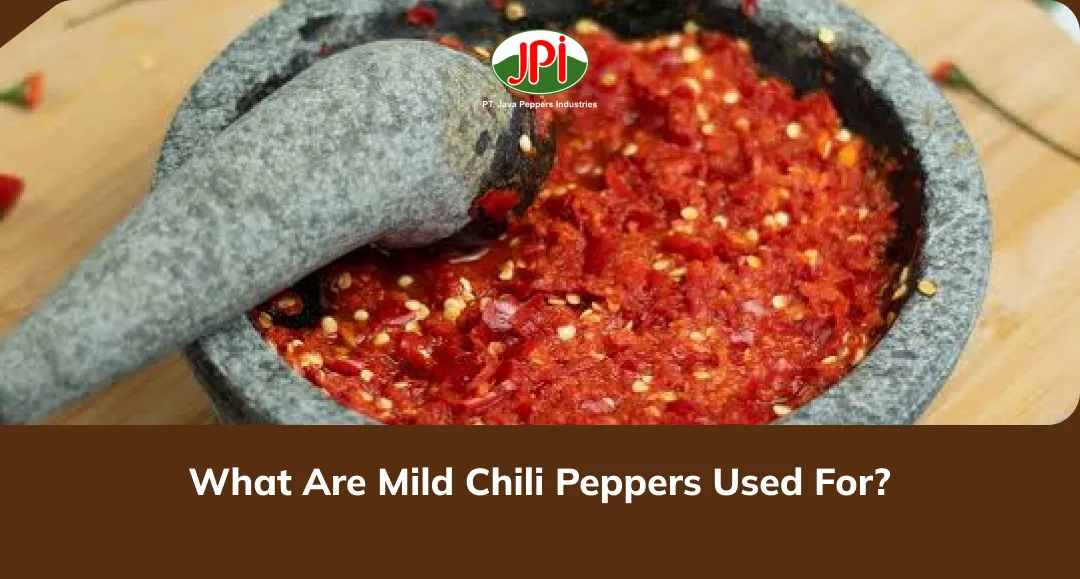
Mild peppers do far more than keep the heat low. Here are the most common ways cooks and families use them.
1. Adding Flavor Without Burn
Mild peppers bring sweet, fruity, and grassy notes to food. As a result, spice-sensitive eaters can still enjoy rich flavor. Knowing which chili is mildest helps you pick the safest option.
2. Cooking for Kids and Sensitive Eaters
Children and people with sensitive stomachs often avoid heat. Mild peppers give them color and taste without discomfort. Serve them raw or after a quick sauté for the best results.
3. Stuffing and Baking
Large, thick peppers hold fillings well. Bell and cubanelle peppers stay firm in the oven. You can fill them with rice, meat, cheese, or beans.
4. Pickling and Preserving
Banana peppers and pepperoncini turn out great in a pickle brine. The brine adds tang while the peppers stay crisp. Jars last for weeks in the fridge, so you always have a topping ready.
5. Raw Snacks and Salads
Thin slices of mild pepper add crunch to salads, wraps, and sandwiches. They also pair well with dips like hummus. Red bell peppers even offer a good dose of vitamin C.
6. Building a Flavor Base
Many cooks sauté onions with mild peppers to start soups, stews, and sauces. This base adds depth without any burn. Countless classic recipes begin this way.
7. Balancing Hotter Peppers
Mix a mild pepper with a hot one to soften the overall heat. You still keep the chili flavor, but the dish feels friendlier. This trick works well for family meals.
Mild peppers star in recipes around the world. Try these tasty dishes to see how much flavor they deliver, even when you choose which chili is mildest.
1. Stuffed Bell Peppers
Bell peppers hold rice, beef, and tomato sauce perfectly. Bake them until the edges soften and the filling bubbles. This family favorite needs no spice at all.
2. Chicken Fajitas
Strips of bell pepper and onion sizzle beautifully in a hot pan. They add sweetness that balances the seasoning. Serve them with warm tortillas and fresh lime.
3. Pizza With Banana Peppers
Banana pepper rings add tang and color to pizza. They also cut through rich, gooey cheese. Many pizzerias offer them as a popular mild topping.
4. Italian Beef Sandwiches
Chicago-style Italian beef sandwiches often include sweet peppers. The peppers add a soft crunch and a touch of sweetness. Together, they balance the salty, juicy meat.
5. Shishito Peppers With Sea Salt
Cook shishito peppers in a hot pan until the skin blisters. Then sprinkle on sea salt and a squeeze of lemon. This simple appetizer disappears fast at any table.
6. Chile Rellenos
Cooks often stuff Anaheim or poblano peppers with cheese for this Mexican classic. They coat the peppers in egg batter and fry them. The result tastes rich, cheesy, and only lightly warm.
7. Greek Salad With Pepperoncini
Pepperoncini add a gentle tang to Greek-style salads. They pair well with feta, olives, and cucumber. Each bite stays fresh and light.
Get your premium chili peppers today! Simply contact Java Peppers via the WhatsApp number below to place your order.
Kesimpulan
The bell pepper answers which chili is mildest, with zero capsaicin and zero heat. Banana peppers, pimientos, pepperoncini, cubanelles, and shishitos follow close behind. You can stuff, pickle, sauté, or eat them raw, so pick the pepper that fits your taste and your recipe. Now you know which chili is mildest, so shop with confidence and enjoy the flavor without the burn.
Indonesian traditional food is known for its rich flavor. One of the most commonly used ingredients in traditional Indonesian cuisine is chili. Without chili, traditional Indonesian food would lose its unique and rich flavor because it provides not only spiciness but also depth, aroma, and balance to the overall taste. That’s why chili in Indonesian food is one of the most important ingredients in many traditional dishes.
There are many types of chili used in Indonesian cooking. That’s why this article will discuss the types of chili peppers commonly used in Indonesian food, how chili influences texture and aroma, and must-try traditional Indonesian dishes that use chili.
Types Of Chili Commonly Used In Indonesian Food
There are several types of chilies that commonly used in traditional indonesian food, which is:
1. Bird’s Eye Chili
Bird’s eye chili is small in size but extremely spicy. It is widely used in sambal, soups, and stir-fried dishes to create strong heat. This chili is often added whole, sliced, or ground, depending on the dish. Besides its spiciness, it also gives a sharp and fresh flavor that enhances the overall taste of traditional Indonesian meals.
2. Red Chili Pepper
Red chili pepper has a larger size and moderate level of heat. It is commonly blended into spice pastes and sauces, especially for sambal and curry-based dishes. In addition to providing mild spiciness, it also contributes a bright red color that makes the dish more visually appealing. Its slightly sweet flavor helps balance other strong spices.
3. Curly Red Chili
Curly red chili is thinner and more wrinkled compared to regular red chili. It has medium spiciness and a distinctive aroma that works well in many Indonesian recipes. This chili is often used in fried rice, stir-fried vegetables, and traditional spice mixtures. It enhances both flavor and color without making the dish overly spicy.
4. Green Chili
Green chili is typically harvested before it fully ripens, giving it a milder heat level. It has a slightly fresh and crisp taste, making it suitable for green sambal and sautéed dishes. This chili is often us when a dish requires subtle spiciness without overpowering other ingredients. It also adds a natural green color to the presentation.
5. Cayenne Chili
Cayenne chili is small but very hot and commonly used in Indonesian cooking. People often serve it fresh as a side condiment or mix it into sauces Many people also crush it directly into soups or noodle dishes for extra heat. Its intense spiciness makes it a favorite for those who enjoy very spicy food.
How Chili Influences Texture and Aroma
Chili plays a surprisingly important role beyond just adding heat, especially in chili in Indonesian food. It helps shape the overall texture of a dish, whether blended into a smooth sambal, crushed for a slightly coarse bite, or sliced fresh for a crisp contrast. In many Indonesian recipes, chili is ground together with spices, creating a rich, thick base that coats the ingredients and makes every bite feel more satisfying.
When it comes to aroma, chili brings a bold and appetizing fragrance that instantly makes food more inviting. The moment chili is sautéed with garlic, shallots, and other spices, it releases a warm, slightly smoky scent that defines many Indonesian dishes. This is why chili in Indonesian food is not just about spiciness, it enhances the sensory experience, making the dish smell richer, taste deeper, and feel more complete.
Must-Try Traditional Indonesian Cuisine
Indonesia offer a wide range of traditional cuisine that use chili as it’s ingredients. Some of the must-try traditional indonesian cuisine is:
1. Rendang
Rendang is one of Indonesia’s most internationally famous dishes. Originating from Minangkabau in West Sumatra, this slow-cooked meat dish is rich in spices and coconut milk. It has a spicy and savory flavor with tender, fibrous texture. The use of turmeric-based seasoning and thick coconut milk makes rendang deeply aromatic and full of complex taste.
2. Mi Aceh
Mi Aceh is a famous dish from Aceh, often called the “Veranda of Mecca.” This meal features chewy yellow noodles served in a rich, spiced broth. It is typically use with beef, goat meat, or seafood such as shrimp and crab as a topping. The taste is spicy and savory, with strong aromatic spices that enhance the dish.
3. Ayam Taliwang
Ayam Taliwang is a spicy specialty from Lombok that can be The heat comes from a mixture of shallots, garlic, shrimp paste, lemongrass, kaffir lime leaves, and various spices. The combination creates a bold, spicy, and slightly smoky flavor.
4. Balado
Balado originates from West Sumatra and is famous for it’s spiciness using chili-base as seasoning . People commonly cook this dish with eggs, chicken, or shrimp. The dish is use plenty of chilies, along with lemongrass, galangal, shrimp paste, and kaffir lime leaves, giving it a bold and aromatic taste.
5. Seblak
Seblak is a traditional Sundanese dish where crackers soften in a flavorful spicy broth. The dish uses a special blend of spices and often includes additional ingredients such as chicken feet, bones, or meat. Its chewy texture and spicy flavor make it a popular street food.
Monsera Chili Sauce, Authentic Indonesian Chili Sauce
Monsera Chili Sauce is crafted to represent authentic Indonesian flavors, and it offers a smooth balance of heat and richness. Additionally, the sauce is suitable for daily use, which makes it ideal for beginners exploring spicy food.
Let’s order via the button below now!
Conclusion
Chili in traditional Indonesian food is an important part that makes the dish have their unique and rich flavor. There are several types of chili that used in many traditional Indonesian food like bird’s eye chili, red chili pepper, curly red chili, green chili and cayenne chili. It’s usually serves a condiment, mixing sauces or added as a spice to enhance flavor in Indonesian traditional food.