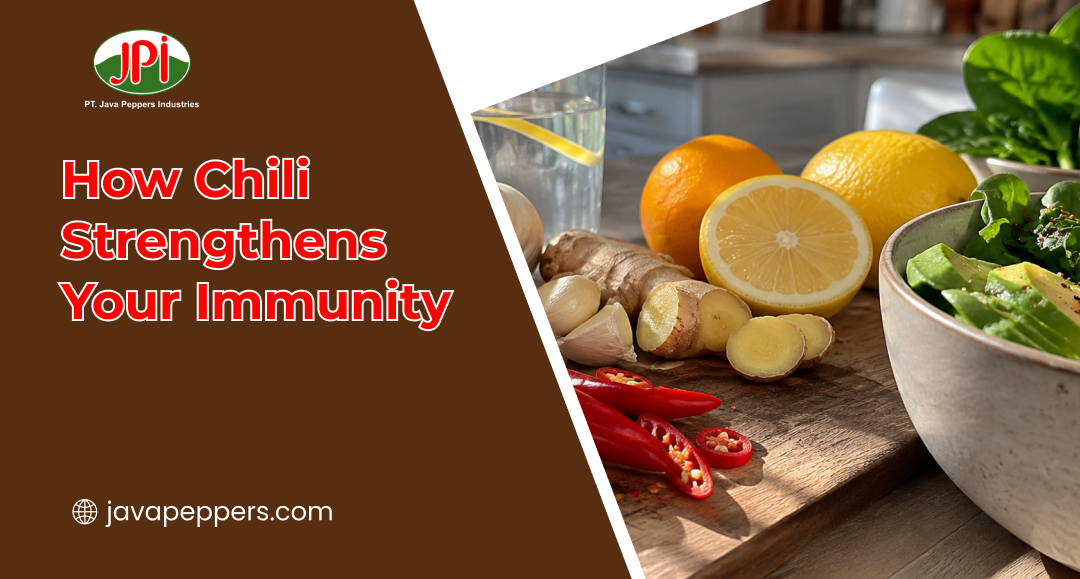
Chili Strengthens Your – Lately, health news keeps urging people to protect their immune systems. Naturally, many readers wonder if spicy food can help. Surprisingly, chili for immunity is a popular topic among nutrition fans. In this guide, we explain what chili offers and how to enjoy it. Plus, you will get simple tips to add heat to your plate safely.
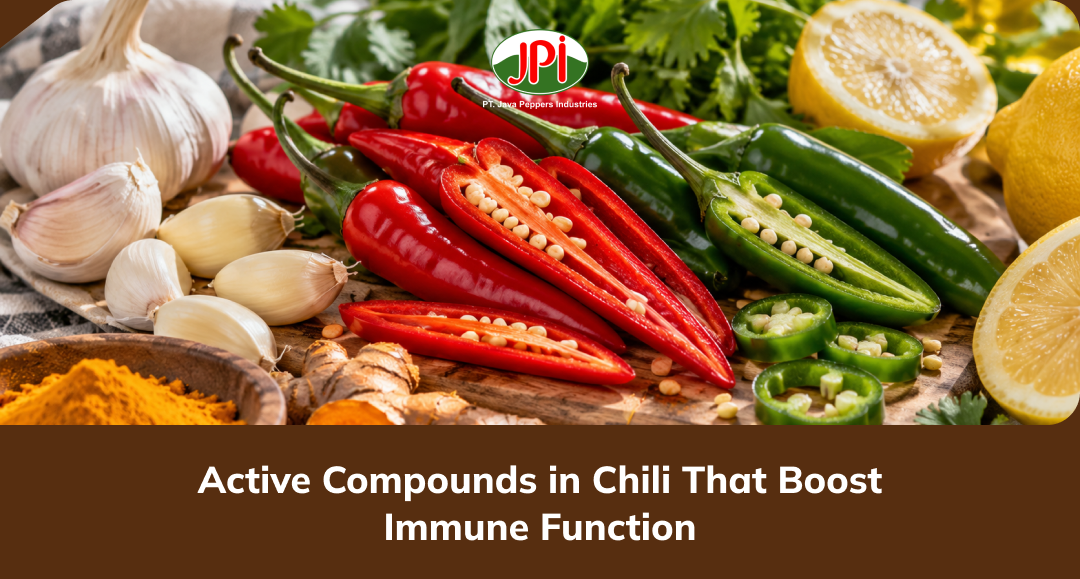
First, capsaicin gives chili its fiery kick. Also, it acts as an antioxidant in your body. Research suggests it may calm inflammation. Therefore, it plays a starring role in chili’s health reputation.
Vitamin C
Next, chili packs plenty of vitamin C. In fact, ripe red peppers often beat oranges by weight. Meanwhile, this vitamin helps white blood cells work well. Thus, a small pepper adds a real boost.
Vitamin A and beta-carotene
Additionally, red chilies carry beta-carotene, which your body turns into vitamin A. Likewise, this vitamin protects your skin and gut lining. Besides, those barriers block germs from entering. Consequently, you build a stronger first line of defense.
Flavonoids and antioxidants
Also, chili contains plant compounds that fight free radicals. Meanwhile, free radicals can wear down your cells over time. However, antioxidants help limit that damage. So, your body keeps working smoothly.
B vitamins and minerals
Moreover, chili offers vitamin B6 and a little potassium. Likewise, B6 supports the making of new immune cells. Still, chili works best as one part of a balanced diet. Therefore, pair it with other nutritious foods.
How Regular Chili Consumption Supports Your Immune System
First, long-term inflammation can weaken your defenses. Meanwhile, capsaicin may help keep it in check. As a result, your body saves energy for real threats. Still, more studies would confirm the full effect.
Clearing stuffy airways
Next, spicy food makes your nose run. Also, that runny nose helps flush out mucus and irritants. Therefore, many people feel relief during a cold. However, chili does not cure infections.
Supporting gut health
Additionally, a healthy gut houses much of your immune system. Likewise, some studies link moderate chili intake with a friendly gut balance. Meanwhile, fiber from fresh peppers feeds good bacteria. Consequently, your digestion and defenses both benefit.
Boosting circulation
Also, chili warms your body and widens blood vessels. Thus, blood carries immune cells around faster. Besides, better flow helps nutrients reach your tissues. Overall, you may feel more energized.
Building a steady habit
Finally, small daily portions work better than rare spicy feasts. Likewise, your taste buds adjust and enjoy more flavor over time. However, extreme heat can upset your stomach. Therefore, start mild and build slowly.
Best Ways to Eat Chili for Maximum Immunity Benefits
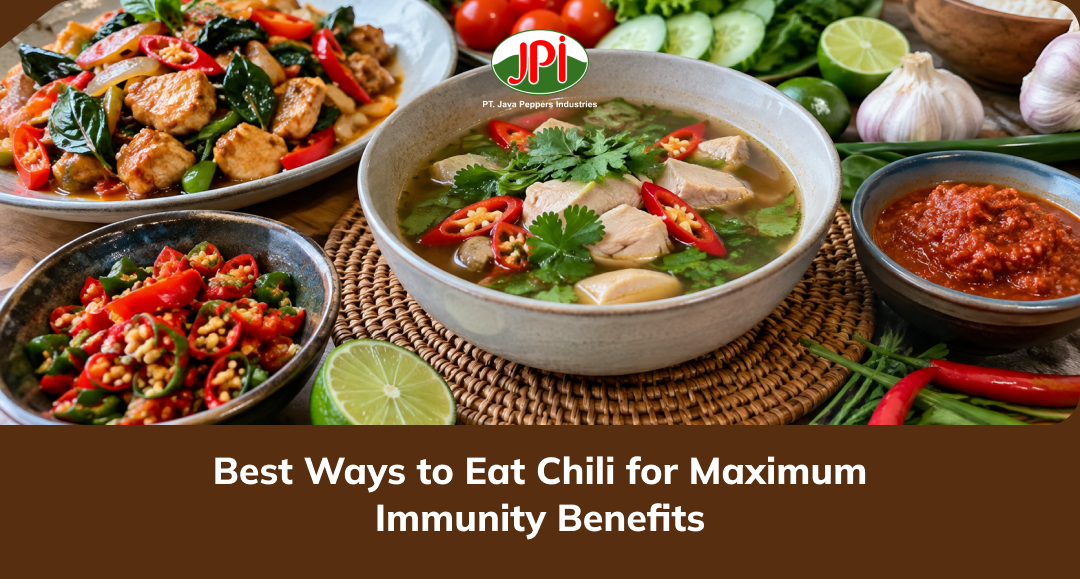
First, raw chili keeps the most vitamin C. Also, slices add crunch to salads and sandwiches. Meanwhile, heat and long cooking reduce some vitamins. Thus, add fresh peppers at the end.
Blend it into sauces
Next, homemade chili sauce puts flavor on everything. Likewise, blending tomatoes, garlic, and chili creates a powerful mix. Moreover, you control the salt and sugar. Consequently, your sauce stays healthier than most bottled ones.
Add it to warm soups
Additionally, chili gives soup a comforting kick. Meanwhile, ginger and garlic boost the immune-friendly effect. Also, hot broth soothes a sore throat. Therefore, try it when you feel under the weather. Pair it with healthy fats. Besides, vitamin A absorbs better with a little fat. For example, drizzle olive oil over roasted peppers. Likewise, add avocado to a spicy bowl. As a result, your body soaks up more nutrients.
How to Test Chili Heat Levels – Pepper X just broke the internet again. This super-hot pepper now holds the world record at nearly 2.7 million Scoville Heat Units. So, spice lovers everywhere started asking one question: how do experts actually measure that burn?
Honestly, most people assume it’s just guesswork. However, real science backs every single heat rating out there. This article breaks down exactly how to test chili heat, from lab tools to kitchen tricks. So, whether you’re curious or cautious, you’ll walk away with clear answers.
First, Wilbur Scoville created this scale back in 1912. Interestingly, he wanted a simple way to rank pepper strength. So, his method became the industry standard almost instantly. Today, his name still defines spicy food conversations everywhere.
Taste testers did the original work.
Originally, human tasters sipped diluted pepper extract repeatedly. Then, researchers counted dilutions until the heat disappeared completely. Therefore, more dilutions meant a hotter original pepper. Clearly, this method relied heavily on human perception.
SHU numbers tell the real story.
Meanwhile, Scoville Heat Units measure exact capsaicin concentration levels. Basically, higher SHU numbers always mean spicier peppers. For example, bell peppers sit at zero SHU. Meanwhile, Pepper X reaches nearly 2.7 million SHU.
Dilution reveals hidden intensity.
Also, one part capsaicin per million roughly equals fifteen SHU. So, scientists still reference this ratio during calculations today. Consequently, even tiny capsaicin traces produce measurable heat ratings. Basically, chemistry explains why peppers feel so different.
The scale still matters today.
Finally, chefs and brands rely on SHU for consistent labeling. Without it, comparing hot sauces would feel completely random. Therefore, the Scoville scale remains culinary shorthand worldwide. Overall, it turned subjective heat into a shared language.
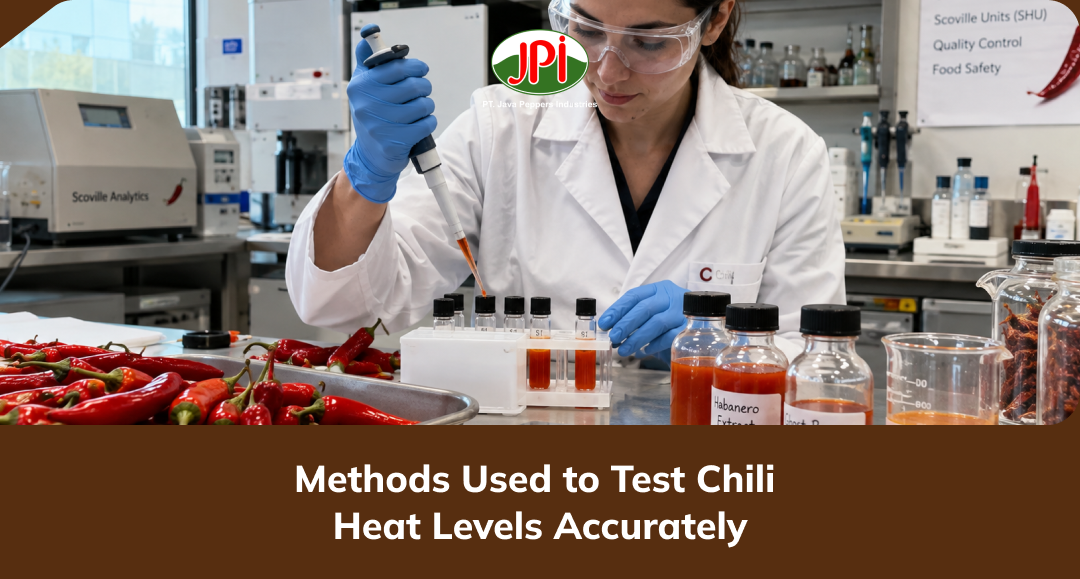
Methods Used to Test Chili Heat Levels Accurately
methods_used_to_test_chili_heat_levels_accurately
HPLC replaced human tasting.
First, modern labs now use high-performance liquid chromatography instead. This method, called HPLC, removes human error completely. Therefore, results stay consistent across different testing sessions. Basically, machines now do what tongues once attempted.
Capsaicin gets measured directly.
Also, HPLC isolates capsaicin molecules within each chili sample. Then, sensors calculate exact chemical concentration in parts per million. Consequently, scientists convert that number into standard SHU ratings. Honestly, this process removes all guesswork entirely.
Comparing peppers becomes simple.
Meanwhile, accurate lab data lets brands compare varieties fairly. So, a jalapeño and habanero get ranked using identical standards. Thus, consumers trust printed heat levels on packaging. Clearly, consistency builds confidence across the entire industry.
Certified labs handle serious testing.
Additionally, food companies send samples to accredited testing facilities. These labs follow strict protocols for every single batch. Therefore, results remain reliable for commercial hot sauce production. Basically, professional testing protects both brands and buyers.
Lab testing still has limits.
Finally, HPLC measures chemical heat, not personal taste experience. However, texture, oils, and sauce ingredients also affect perceived spice. So, two products with equal SHU can taste totally different. Overall, science explains chemistry, not every sensation.
How to Test Chili Heat at Home Without Lab Equipment
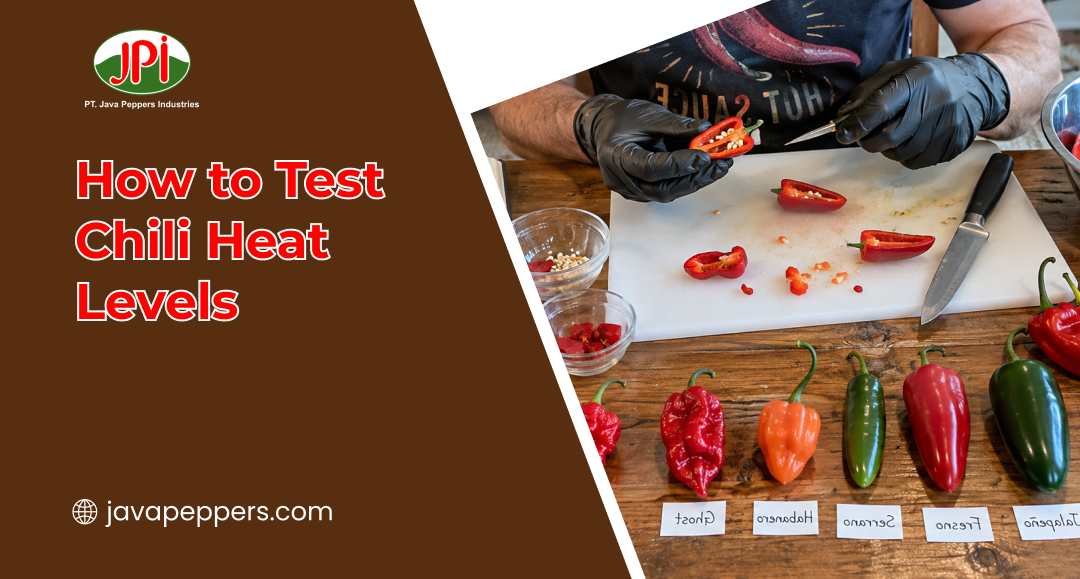
First, cut a small piece and touch it to your tongue. Then, wait several seconds before judging the actual heat. Meanwhile, avoid biting a whole pepper immediately. Honestly, patience prevents unnecessary regret during this step.
Smell often hints at strength.
Also, sharper, more pungent aromas usually suggest stronger heat levels. So, give your pepper a quick sniff before tasting. Meanwhile, milder peppers typically smell more subtle and sweet. Basically, your nose offers useful early warning signs.
Watch color and size clues.
Additionally, smaller, thinner peppers often pack surprisingly intense heat. Meanwhile, size alone never guarantees a mild or spicy result. So, research the specific variety before assuming anything. Clearly, appearance only tells part of the story.
Use trusted SHU reference charts.
Furthermore, online charts list approximate ratings for common pepper varieties. So, compare your pepper type against known Scoville ranges. Consequently, you’ll get a rough heat estimate instantly. Honestly, this shortcut works well for casual cooking.
Try a simple dilution trick.
Finally, mix chopped pepper with water, then taste gradually. Add more water until the burn feels manageable. Therefore, you’ll sense relative heat without fancy lab tools. Overall, this old-school method still works surprisingly well.
So, now you know how to test chili heat like a pro. Clearly, the Scoville scale gave spice culture its first real language. Meanwhile, HPLC technology made modern measurements far more precise. Still, home methods work fine for everyday cooking decisions. However, always respect intense peppers, especially record-holders like Pepper X.
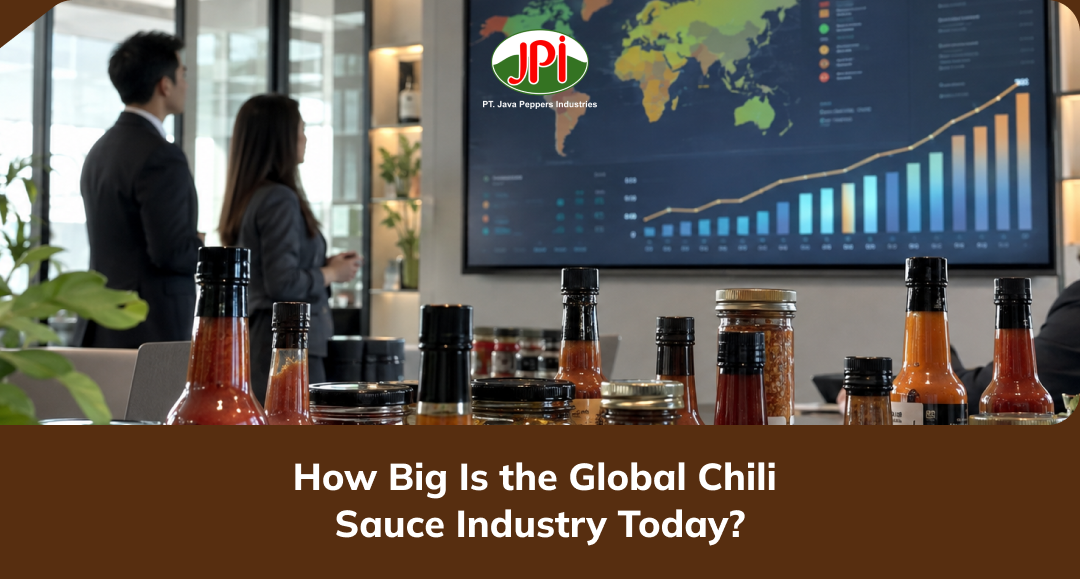
Chili Sauce Industry – Spicy food just broke another record. According to recent market reports, the global chili sauce industry hit roughly USD 23.9 billion in 2026, and analysts expect it to keep climbing toward USD 39 billion by 2035. That’s not a small jump. So why is everyone suddenly obsessed with hot sauce?
Basically, social media trends, global cuisine crossovers, and busy lifestyles all push people toward bold flavors. This article breaks down the numbers, the biggest players, and what’s next for the industry. Whether you’re a foodie, an investor, or just curious, you’ll get a clear picture here.
How Big Is the Global Chili Sauce Industry Today?
how_big_is_the_global_chili_sauce_industry_today_
Steady market growth.
First, the chili sauce industry keeps expanding year after year. Meanwhile, reports show a compound annual growth rate above 5%. Therefore, brands keep launching new products constantly. Overall, the trend looks far from slowing down.
The snack boom effect.
Also, spicy snacks exploded in popularity after the pandemic. People stuck at home discovered bold flavors through cooking videos. Consequently, chili sauce became a pantry staple almost everywhere. Honestly, that habit never really faded away.
Premium products take over.
Meanwhile, shoppers now want more than basic hot sauce. Instead, they crave small-batch, artisanal, and limited-edition blends. As a result, premium pricing became normal across the market. Clearly, quality now matters as much as heat.
Restaurants push demand higher.
Additionally, foodservice chains add chili sauce to nearly every menu. Fast food, ramen shops, and fusion restaurants all rely on it. So, bulk orders from restaurants boost industry revenue significantly. Basically, chefs treat chili sauce as a flavor shortcut.
Online shopping changes everything.
Finally, e-commerce platforms made hot sauce discovery incredibly easy. Now, niche brands reach global customers without needing physical stores. Thus, small producers can compete with legacy giants online. Ultimately, digital shelves widened the entire chili sauce industry.
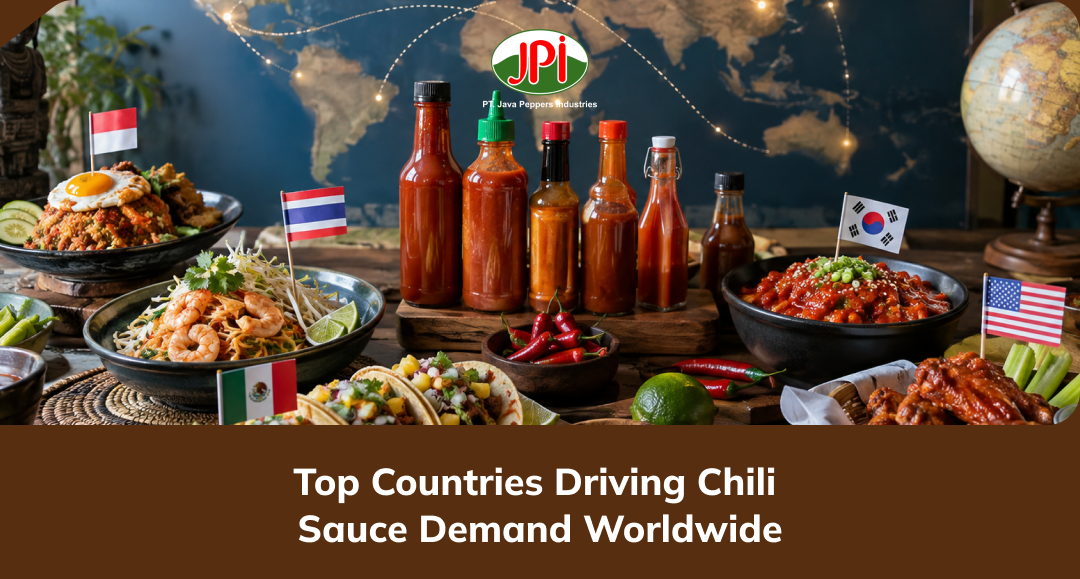
Top Countries Driving Chili Sauce Industry Demand Worldwide
First, Asia Pacific dominates chili sauce consumption by a wide margin. In fact, the region holds over 40% of global market share. Meanwhile, spicy cuisine already sits at the center of daily meals there. So, growth in this region shapes the whole industry.
The United States loves heat.
Also, American consumers keep pushing demand for bold, spicy flavors. Increasingly, ethnic cuisines like Mexican and Korean food influence local tastes. Therefore, US sales remain one of the strongest globally. Clearly, hot sauce culture is deeply rooted there.
China’s massive production base.
Meanwhile, China manufactures huge volumes for both local and export markets. Brands like Laoganma became household names across Asia. Consequently, China anchors much of the industry’s supply chain. Basically, without China, global output would look very different.
Southeast Asia’s halal advantage.
Additionally, countries like Indonesia and Malaysia strengthen halal-certified manufacturing. This certification opens doors to Middle Eastern and North African markets. So, Southeast Asia becomes a key regional export hub. Honestly, this advantage keeps growing every year.
Europe’s curiosity keeps rising.
Finally, European consumers increasingly explore global spicy condiments. Fusion restaurants and imported snacks introduce chili sauce to new audiences. Thus, demand in Europe, while smaller, keeps trending upward. Overall, curiosity there fuels steady future growth.
Opportunities and Challenges in the Chili Sauce Industry
First, brands now experiment with organic and low-sodium recipes. Health-focused consumers actually want spice without extra guilt. Therefore, this niche offers strong growth potential. Clearly, wellness trends are reshaping product development.
Export platforms create new markets.
Also, smaller producers increasingly build export-ready supply chains. This move helps regional brands reach international shelves faster. Consequently, competition intensifies, but so does overall market size. So, expansion abroad becomes a smart long-term strategy.
Raw material prices stay unstable.
Meanwhile, chili pepper prices fluctuate due to weather and climate shifts. Bad harvests instantly squeeze manufacturer profit margins. Thus, this remains a real and persistent challenge. Honestly, price volatility worries almost every producer.
Supply chains face disruption risks.
Additionally, global shipping delays continue affecting ingredient availability. Manufacturers sometimes struggle to source packaging materials on time. Therefore, logistics planning becomes more critical than ever. Basically, resilience now separates winners from strugglers.
Automation boosts future efficiency.
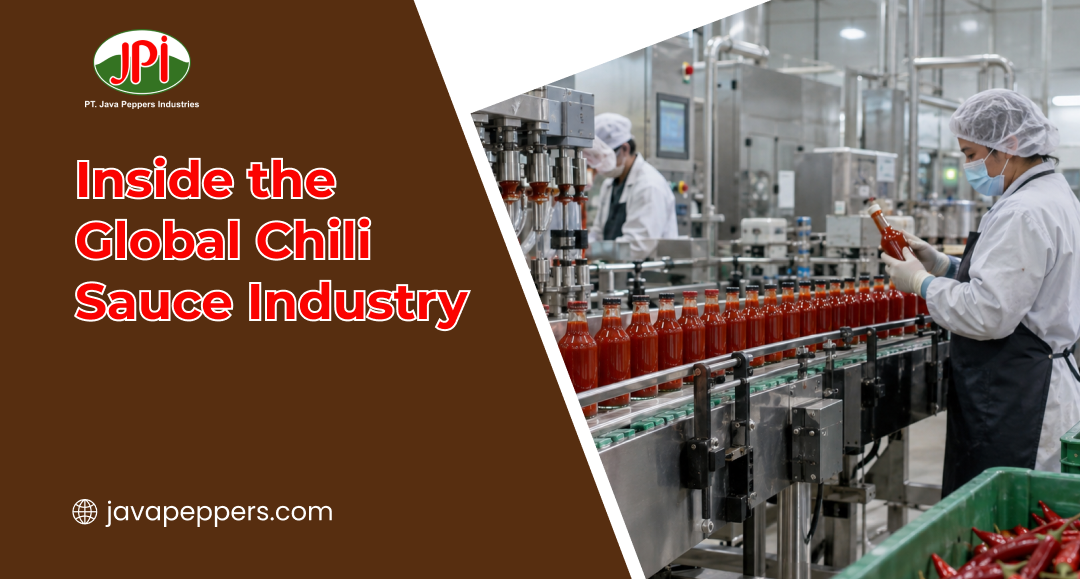
Finally, factories increasingly invest in automated bottling and packaging systems. This shift reduces labor costs while improving consistency. As a result, larger players gain a competitive production edge. Overall, technology will likely define the industry’s next chapter.
So, what’s the takeaway here? Clearly, the chili sauce industry keeps growing fast, fueled by bold taste trends and global demand. Meanwhile, Asia Pacific leads, but the US, China, and Europe all matter too. Still, challenges like price swings and supply issues remain real.
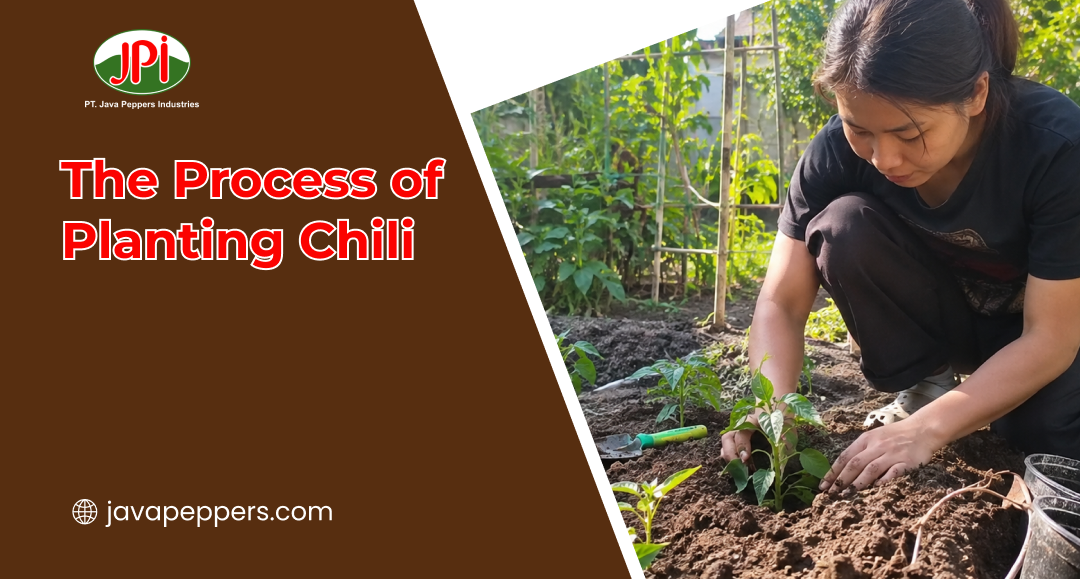
Chili Planting Process – This year, gardeners everywhere caught spice fever for a good reason. The National Garden Bureau officially named 2026 the Year of the Hot Pepper. Suddenly, everyone wants to know the real chili planting process from start to finish. So, this article breaks that process down into simple, doable steps. Whether you’re a total beginner or a returning gardener, these tips will help. By the end, you’ll know exactly how to plant chili the right way.
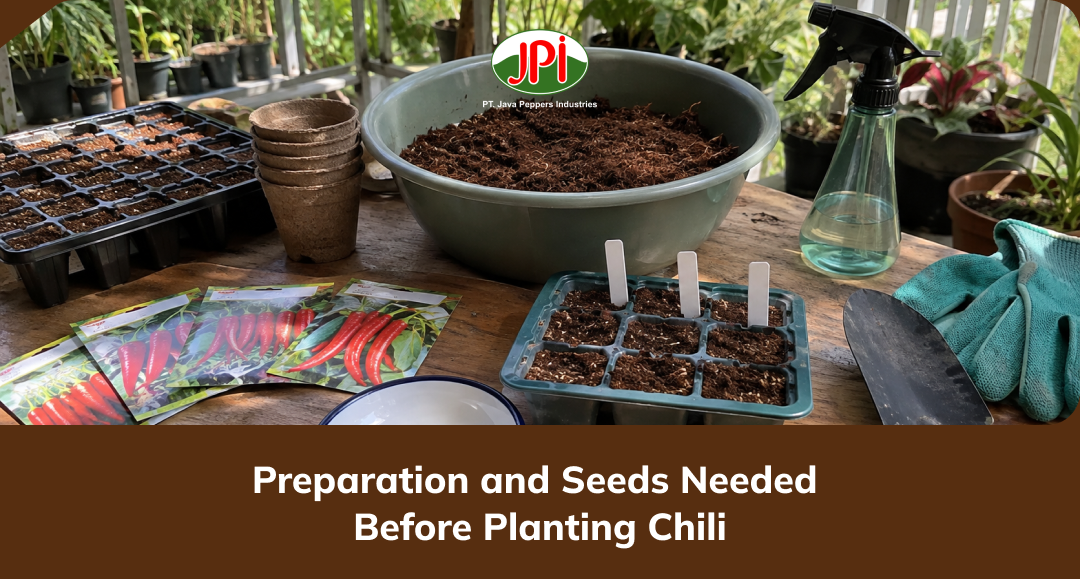
Preparation and Seeds Needed Before Planting Chili
First, let’s cover everything you need before your seeds even hit soil.
1. Choose the Right Chili Variety
To start, pick a variety that matches your climate and taste. Mild types like Anaheim suit beginners who want gentle heat. Meanwhile, habaneros and ghost peppers suit heat-seekers with patience. Either way, your choice shapes the entire growing timeline ahead.
2. Pick Quality Seeds
Next, always choose fresh, high-quality seeds from a trusted source. Old or poorly stored seeds often germinate at much lower rates. Therefore, check the packing date before buying any seed packet. Good seeds set the foundation for a strong, healthy plant.
3. Prepare the Soil
Meanwhile, chili plants thrive in loose, well-draining, nutrient-rich soil. Mix in compost or aged manure to boost fertility beforehand. Additionally, aim for a slightly acidic soil pH around 6 to 6.8. This preparation gives young roots the best possible start.
4. Gather Basic Tools
Before planting, gather seed trays, a heat mat, and grow lights. A spray bottle also helps keep young seedlings evenly moist. Furthermore, a small trowel makes transplanting seedlings much easier later. With these tools ready, you’ll avoid scrambling mid-process.
5. Check Your Climate and Timing
Importantly, chili peppers hate cold and need a long growing season. So, check your last frost date before planning anything else. Typically, gardeners start seeds indoors six to eight weeks before that date. This timing ensures your plants mature before cold weather returns.
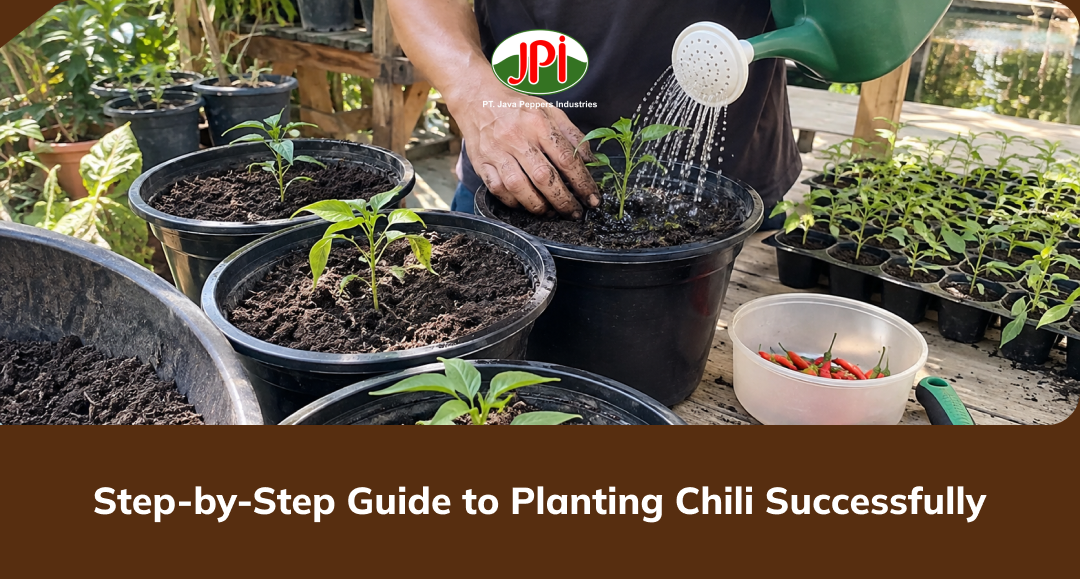
The Chili Planting Process: A Step-by-Step Guide to Success
step_by_step_guide_to_planting_chili_successfully
Now, let’s walk through the actual chili planting process step by step.
1. Start Seeds Indoors
First, sow seeds about a quarter-inch deep in seed trays. Then, place trays on a heat mat for steady warmth. Consistently, keep the soil moist but never completely soggy. Within one to three weeks, tiny seedlings should start popping up.
2. Give Seedlings Enough Light
Once seedlings emerge, move them under bright grow lights immediately. Otherwise, weak light causes seedlings to grow tall and leggy. Aim for at least fourteen hours of light daily for strength. Strong light now means stronger stems and leaves later.
3. Harden Off Before Transplanting
Before moving plants outside, harden them off gradually over one week. Each day, set seedlings outside for a little longer than before. Gradually, this process toughens leaves against wind, sun, and temperature swings. Skipping this step often shocks tender young plants badly.
4. Transplant Into the Garden
After the last frost, transplant seedlings into your prepared garden bed. Space plants roughly eighteen to twenty-four inches apart for airflow. Gently, firm the soil around each stem after transplanting. This spacing prevents disease and gives roots room to spread.
5. Water and Feed After Planting
Immediately after transplanting, water each plant deeply and thoroughly. Afterward, apply a balanced starter fertilizer to support new roots. For the first week, check soil moisture daily as roots settle. This early care sets the tone for the entire season.
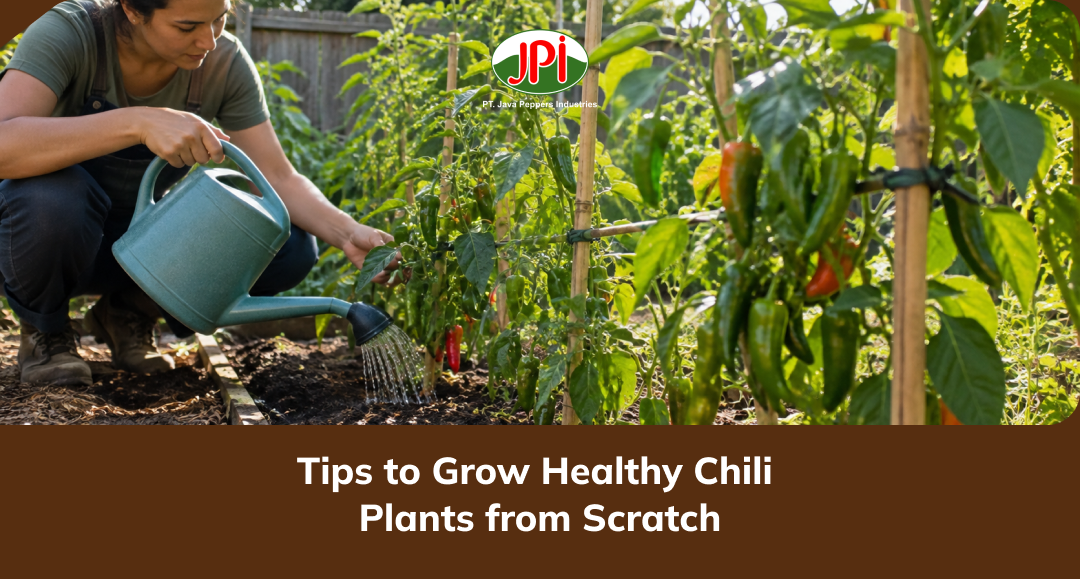
Tips to Grow Healthy Chili Plants from Scratch
tips_to_grow_healthy_chili_plants_from_scratch
Finally, here’s how to keep your chili plants thriving long-term.
1. Water Consistently, Not Excessively
Consistently, chili plants prefer steady moisture over occasional heavy soaking. Overwatering often causes root rot and yellowing leaves quickly. Instead, water deeply whenever the top inch of soil dries out. This balance keeps roots healthy without drowning them.
2. Give Plants Full Sun
Chili peppers absolutely need six to eight hours of direct sun. Without enough sunlight, plants grow weak and produce fewer peppers. So, choose the sunniest spot available in your garden or patio. More sunlight almost always means a bigger, spicier harvest.
3. Watch for Pests and Disease
Regularly, inspect leaves for aphids, spider mites, or fungal spots. Early detection makes treatment much easier and far less stressful. If pests appear, try neem oil or insecticidal soap first. Staying alert now prevents bigger problems later in the season.
4. Support Growth With Fertilizer
Every few weeks, feed plants with a balanced, phosphorus-rich fertilizer. This nutrient boost encourages more flowers and, eventually, more peppers. However, avoid excess nitrogen, which grows leaves instead of fruit. Balanced feeding keeps energy focused where you actually want it.
5. Prune and Harvest Regularly
Periodically, pinch off early flower buds to strengthen the plant first. Later, harvest peppers regularly to encourage continuous new growth. Additionally, use scissors instead of pulling pods off by hand. Regular harvesting keeps plants productive throughout the entire season.
Ultimately, the chili planting process isn’t complicated once you break it down. From choosing seeds to daily care, each step builds on the last. So, grab your seed trays, and start this rewarding process today.
Why Chili Pepper is Healthy – A new study dropped this month, and spice lovers everywhere are celebrating. Researchers found that people who eat chili regularly tend to live longer. On top of that, they show lower rates of heart disease, certain cancers, and lung disease. So, why chili is healthy suddenly became one of the hottest questions in nutrition.
Naturally, this raises a bigger question: what exactly makes chili so powerful? This article breaks down the science and gives you practical tips. By the end, you’ll know exactly how to add chili to your plate the smart way.
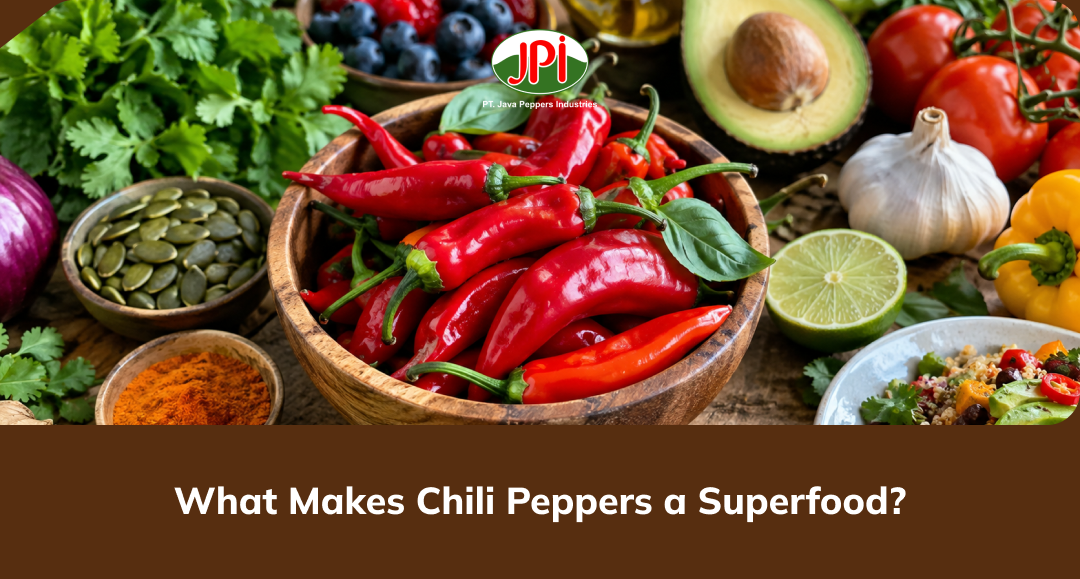
Why Chili Is Healthy: What Makes It a Superfood?
what_makes_chili_peppers_a_superfood_
First, let’s break down why chili peppers deserve superfood status.
1. Packed With Capsaicin
Capsaicin gives chili its signature heat and kick. Actually, this compound also triggers powerful responses throughout your body. For instance, it interacts with pain receptors and metabolism at once. Therefore, capsaicin sits at the core of nearly every chili benefit.
2. Loaded With Vitamins A and C
Additionally, chili peppers pack more vitamin C than most citrus fruits. Meanwhile, they also deliver a solid dose of vitamin A. As a result, your immune system gets extra support with every bite. Plus, your skin and eyesight benefit from these vitamins too.
3. Rich in Antioxidants
Chili peppers contain antioxidants that fight cell damage. Specifically, they carry compounds that neutralize harmful free radicals. Over time, this protection may lower your risk of chronic disease. So, every spicy bite doubles as a tiny defense boost.
4. Low in Calories, High in Flavor
Surprisingly, chili peppers barely add any calories to your meal. Instead, they bring huge flavor without weighing down your diet. Consequently, you can spice up bland dishes without any guilt. Basically, chili gives you taste minus the calorie trade-off.
5. Contains Essential Minerals
Beyond vitamins, chili peppers also hold potassium, iron, and manganese. Notably, potassium helps regulate your blood pressure naturally. Meanwhile, iron supports healthy blood and steady energy levels. Altogether, these minerals make chili a nutrient-dense addition to any meal.
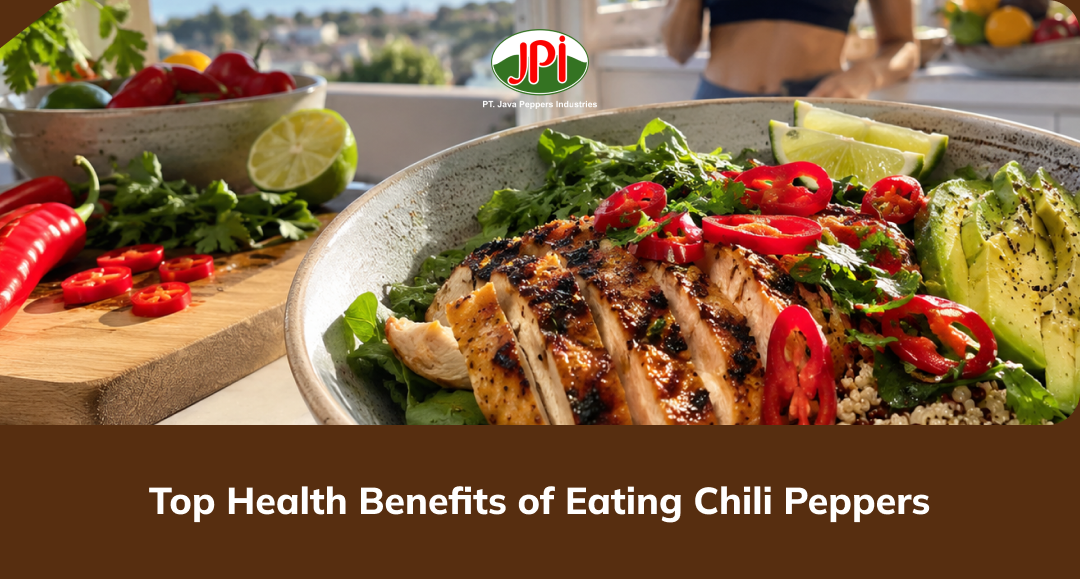
Top Health Benefits of Eating Chili Peppers
top_health_benefits_of_eating_chili_peppers
Now, let’s look at what chili peppers actually do for your body.
1. Supports Heart Health
According to recent research, spicy food may lower heart disease risk. In fact, a large Italian study linked chili intake to lower mortality. Similarly, capsaicin may improve blood flow and circulation. Overall, your heart may genuinely thank you for that extra spice.
2. Boosts Metabolism
Meanwhile, capsaicin gives your metabolism a small but real nudge. Specifically, it raises how much energy your body burns after eating. Additionally, it may help your body burn a little more fat. Still, this effect works best alongside an otherwise healthy lifestyle.
3. Helps Control Blood Sugar
Interestingly, capsaicin may support healthier blood sugar responses after meals. For people with insulin resistance, this effect matters even more. However, chili alone cannot replace a balanced, whole-food diet. Instead, think of it as a helpful bonus, not a fix.
4. Eases Pain Naturally
On top of that, capsaicin works as a natural pain reliever. Actually, doctors use topical capsaicin creams for nerve pain today. Likewise, it may calm inflammation linked to chronic discomfort. Clearly, chili does more than just spice up dinner.
5. May Support a Longer Life
Notably, new 2026 research links regular chili eating to longer life. The same study found lower rates of certain cancers and lung disease. Even so, experts caution this doesn’t prove direct cause and effect. Nevertheless, the pattern keeps showing up across multiple large studies.
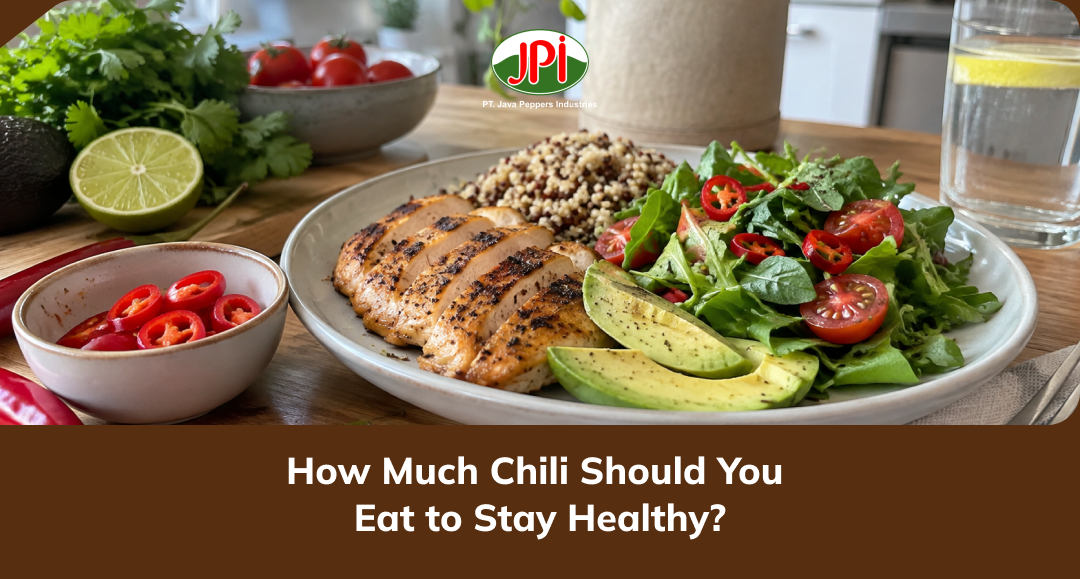
How Much Chili Should You Eat to Stay Healthy?
how_much_chili_should_you_eat_to_stay_healthy_
Of course, moderation matters just as much as motivation here.
1. Start Small If You’re New
If you’re new to spice, start with a tiny amount first. Gradually, increase the heat level as your tolerance builds. Otherwise, jumping straight to extreme heat may upset your stomach. Eventually, your taste buds adjust and handle more spice easily.
2. A Moderate Daily Amount Works Best
Generally, one to two fresh chilies a day works well. Alternatively, a teaspoon of chili powder offers a similar benefit. Beyond that amount, extra heat won’t necessarily add extra benefits. So, consistency matters more than piling on more chili.
3. Watch Out for Stomach Sensitivity
However, some people experience heartburn or stomach irritation from chili. If that happens, cut back or pair chili with dairy or bread. Also, avoid chili on an empty stomach if you’re sensitive. Ultimately, listen closely to your gut’s specific reaction.
4. Pair Chili With a Balanced Diet
Meanwhile, chili works best alongside vegetables, protein, and whole grains. Alone, spice can’t fix an otherwise unhealthy eating pattern. Instead, use chili as one piece of a bigger healthy puzzle. Together, these habits create real, lasting health benefits.
So, why chili is healthy really comes down to simple science. From heart support to metabolism boosts, the benefits genuinely add up. Still, balance and moderation matter more than going all-in.