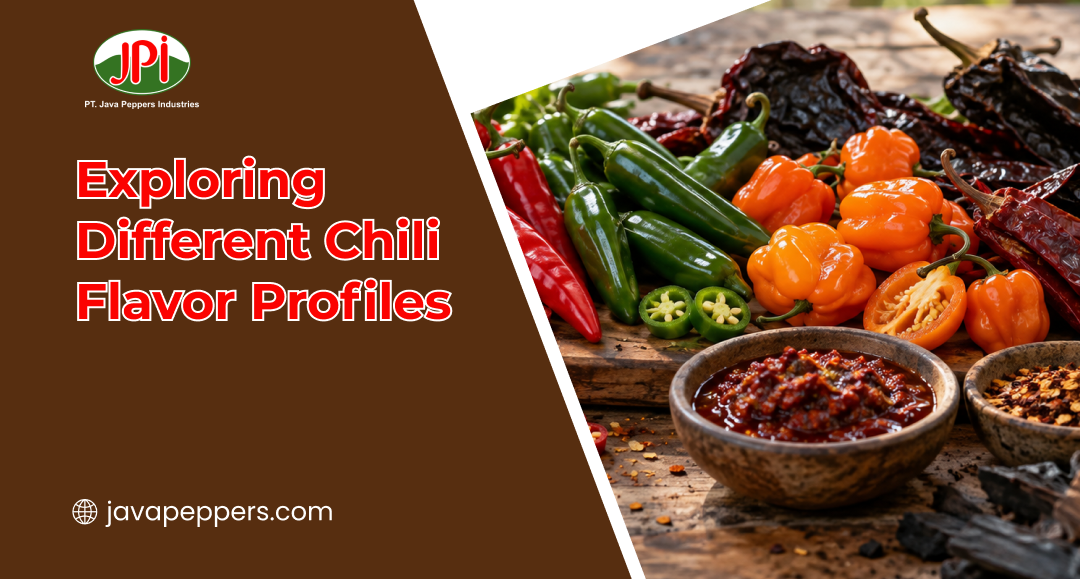
Chili Flavor Profiles – Most people think chili is just about heat. The hotter, the better. But professional chefs, food scientists, and spice buyers know the truth: heat is only one small piece of a much bigger picture.
Chili flavor profiles are complex, layered, and incredibly diverse. A bird’s eye chili from Java tastes nothing like a smoky chipotle from Mexico or a fruity habanero from the Caribbean. Each variety carries its own personality, and understanding those differences can completely transform how you cook, develop products, or source ingredients.
This article dives deep into what makes each chili taste the way it does, why it matters for food and business, and how to match the right variety to the right application.
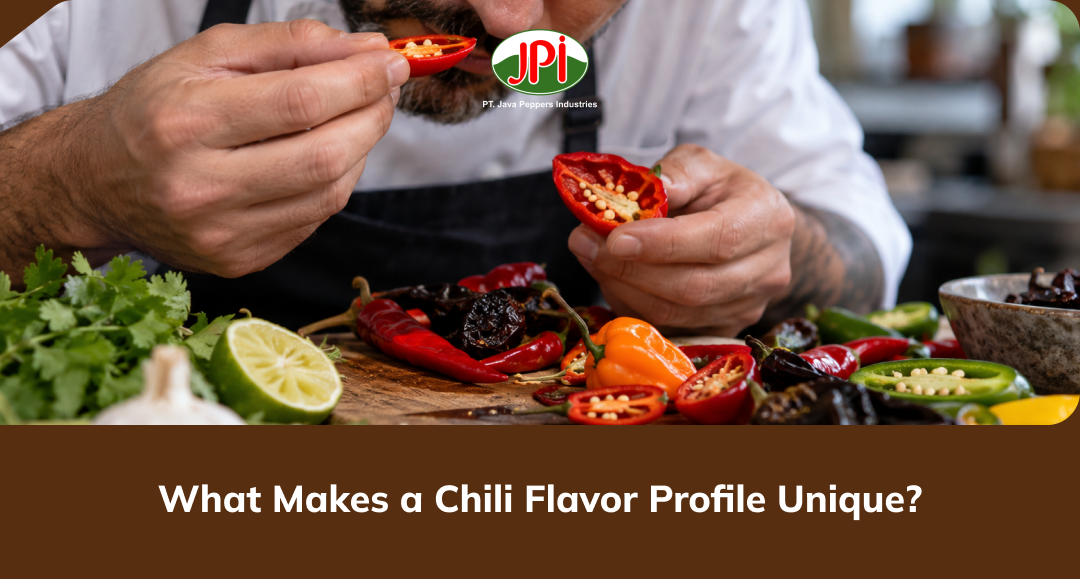
What Makes a Chili Flavor Profile Unique?
Before comparing varieties, it helps to understand what actually creates flavor in chili.
The Role of Capsaicinoids
Capsaicin is the compound responsible for the burning sensation you feel when eating chili. But capsaicin alone does not explain flavor. Different chili varieties contain different ratios of capsaicinoids, including dihydrocapsaicin, nordihydrocapsaicin, and others. These compounds create subtle differences in how heat builds, where you feel it in your mouth, and how long it lingers.
Bird’s eye chili delivers a sharp, immediate hit that peaks quickly. Habanero heat builds more slowly but spreads wider and lasts much longer. Same spice family, completely different experience.
Volatile Compounds and Aroma
Beyond capsaicin, chili contains hundreds of volatile aromatic compounds that define its smell and taste. These include fruity esters, earthy terpenes, and green grassy notes depending on variety and ripeness.
Freshly picked green chili smells herbal and bright. The same chili left to ripen to red develops a sweeter, more complex aroma. Drying it further concentrates those aromatics into something deeper and more intense.
Sugar Content and Sweetness
Many people overlook the natural sweetness in chili. Varieties like the large red chili (cabai merah besar) from Indonesia carry significant sugar content alongside their heat. This sweetness balances the spice and creates a more rounded flavor that works beautifully in sauces and marinades. Lower sugar varieties deliver a cleaner, sharper heat without the sweetness softening the blow.
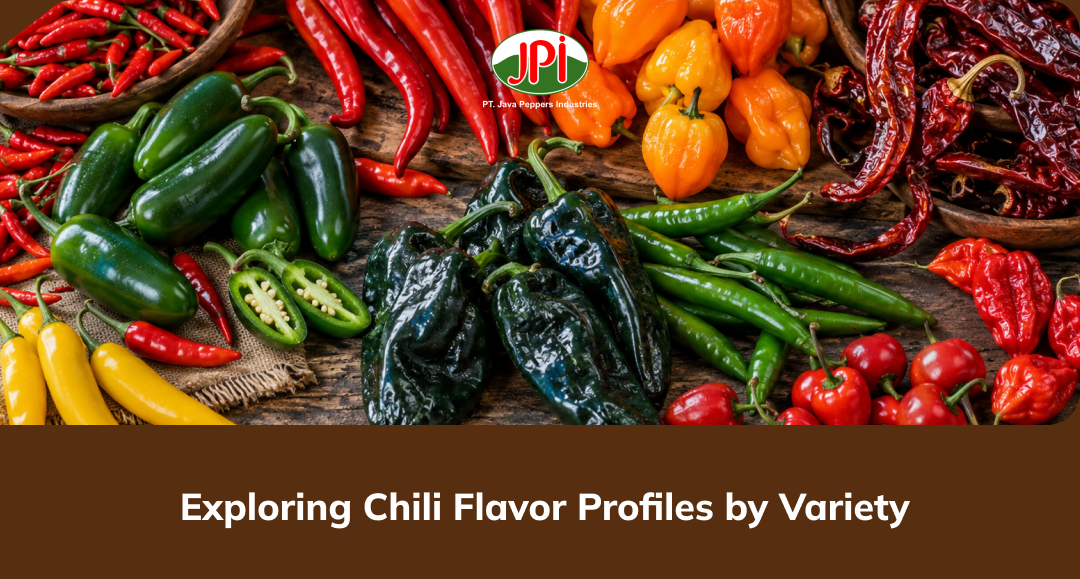
Exploring Chili Flavor Profiles by Variety
Indonesian Bird’s Eye Chili (Cabai Rawit)
This is the workhorse of Southeast Asian cooking. Small, potent, and assertive. The flavor profile is sharp and clean with a grassy, slightly citrusy note upfront. Heat arrives fast, peaks hard, and fades within a few minutes.
There is almost no sweetness to speak of, which is exactly what makes it so effective in dishes that need pure, uncompromised heat. Scoville range: 50,000 to 100,000 SHU. Best for: sambal, chili oil, hot sauces, spice blends, and any application where clean heat is the priority.
Indonesian Cayenne Chili (Cabai Merah Keriting)
This is a longer, thinner variety with a slightly more complex personality. The heat is moderate and builds gradually rather than hitting all at once.
The flavor carries earthy undertones with a mild sweetness underneath the spice. It dries beautifully and retains its deep red color, which makes it extremely popular for chili powder, paprika blends, and dried spice manufacturing. Best for: dried chili products, spice blends, chili flakes, curry bases, and food manufacturing applications.
Indonesian Large Red Chili (Cabai Merah Besar)
Mild, fleshy, and genuinely sweet. This variety prioritizes flavor over fire. The profile is fruity and rich with a soft warmth rather than aggressive heat. It adds body and color to dishes without overwhelming the other ingredients.
This makes it extremely versatile for both fresh and processed food applications. Best for: fresh use, pickling, sauces, stuffed chili dishes, food service presentations, and products targeting heat-sensitive consumers.
Jalapeño
One of the most recognized chili varieties globally. The jalapeño is mild to medium in heat with a distinctly vegetal, slightly grassy flavor profile that many consumers find approachable and familiar.
When smoked and dried, it becomes a chipotle, which develops a rich, woody, slightly sweet smokiness that adds incredible depth to barbecue sauces, marinades, and dips. Best for: fresh salsas, pickled products, pizza toppings, smoked sauces, and products targeting mainstream Western consumers.
Habanero
This is where things get seriously interesting. Habanero carries intense heat paired with a genuinely fruity, almost tropical flavor that surprises people who expect pure fire.
The flavor profile includes notes of apricot, citrus, and floral sweetness before the intense heat takes over. This complexity makes habanero a favorite for premium hot sauce producers who want both heat and character in their products. Best for: premium hot sauces, fruit-based chili products, gourmet food pairings, and any product that wants to lead with flavor before heat.
Ancho and Mulato (Dried Poblano Varieties)
These dried Mexican varieties offer something completely different. The heat is low to moderate, but the flavor is extraordinarily rich. Ancho carries notes of dark chocolate, dried fruit, and mild earthiness. Mulato is darker and more complex with hints of coffee and licorice. Both are central to traditional mole sauces and add incredible depth to slow-cooked dishes.
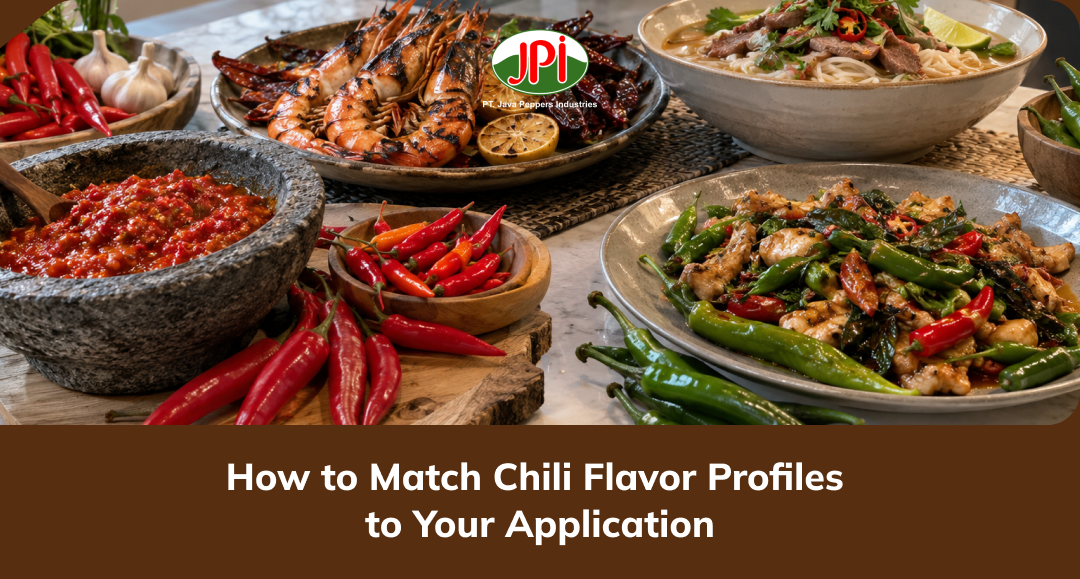
How to Match Chili Flavor Profiles to Your Application
The best hot sauces are built on a flavor foundation, not just heat. Start with a base chili that carries the primary flavor you want. Then layer in a secondary variety to add heat or complexity. A popular combination is large red chili for body and sweetness, bird’s eye for sharp heat, and a touch of habanero for fruity brightness. The result is a sauce with dimension that keeps customers coming back.
For Food Manufacturers
Product developers need to think about how chili behaves during processing. High heat and pressure can diminish volatile aromatic compounds, stripping flavor away. Choose varieties with higher aromatic compound concentrations if your process involves significant heat treatment.
Dried varieties generally retain flavor better through processing than fresh. Always run sensory panels with processed samples rather than relying on raw ingredient flavor alone.
For Restaurant Chefs and Culinary Professionals
Fresh chili adds brightness and texture that processed forms cannot replicate. Dried chili adds depth and complexity that fresh versions lack. The smartest approach is using both. Build your base with dried ancho or chipotle for depth, then finish with fresh bird’s eye or jalapeño for brightness and texture contrast. This layering technique is what separates great chili dishes from forgettable ones.
Chili is one of the most complex and rewarding ingredients in the world of food. Understanding chili flavor profiles opens up a completely different way of thinking about spice, moving beyond simple heat ratings into a much richer conversation about aroma, sweetness, earthiness, and depth.
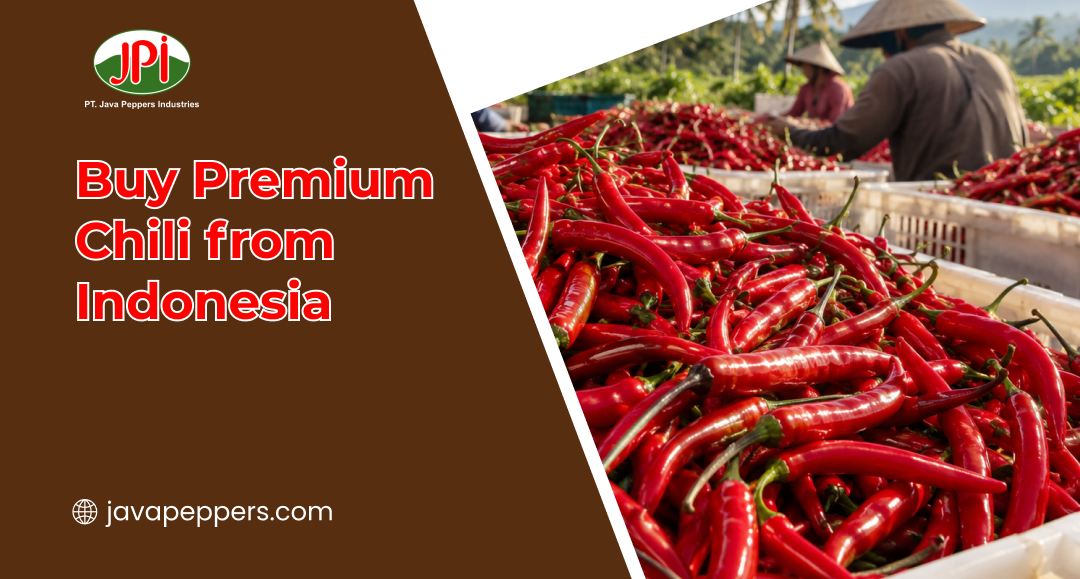
Buy Premium Chili from Indonesia – The global spice market is booming, and chili is at the center of it all. Food manufacturers, restaurants, and spice importers worldwide are actively searching for reliable, high-quality chili sources that can meet growing demand consistently. Indonesia sits at the top of that list for a very good reason.
If you are looking to buy chili from Indonesia, you are already making a smart sourcing decision. Indonesian chili is known for its bold heat, rich flavor profile, and exceptional freshness that competitors from other regions simply cannot match. This article covers everything you need to know before placing your first order, from the best varieties to what makes Indonesian chili worth every dollar.
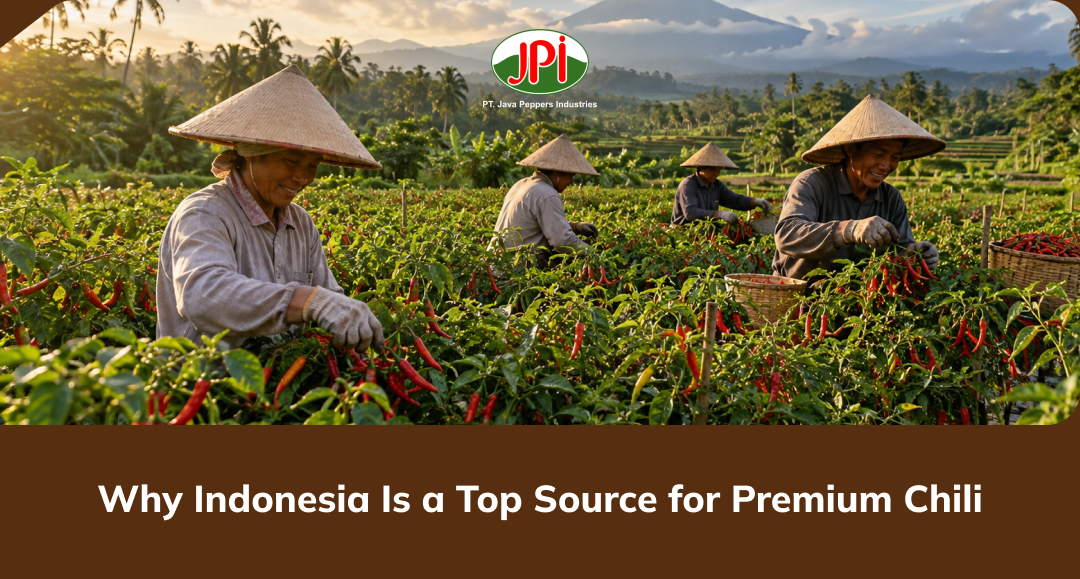
Why Indonesia Is a Top Source for Premium Chili
why_indonesia_is_a_top_source_for_premium_chili
The Geography Behind the Quality
Indonesia’s tropical climate creates near-perfect growing conditions for chili year-round. The combination of volcanic soil, consistent rainfall, and strong sunlight produces chili pods with higher capsaicin content and more complex flavor than chili grown in dryer or cooler climates.
Java Island alone supplies a significant portion of Indonesia’s total chili export volume. Farmers here have been cultivating chili for generations, passing down knowledge that directly impacts the quality of every harvest.
Consistent Supply Across the Year
One of the biggest pain points for importers is supply gaps. Seasonal shortages disrupt production schedules and drive up costs unexpectedly.
Indonesia largely solves this problem. Because different regions harvest at different times throughout the year, a well-connected Indonesian supplier can provide consistent supply without major interruptions. This makes Indonesia a far more reliable source compared to single-season chili producers in other countries.
Competitive Pricing Without Sacrificing Quality
Indonesian chili offers strong value for its quality tier. Labor costs remain competitive, and the sheer scale of domestic production keeps prices stable even during global commodity fluctuations.
For buyers who need premium chili at a price point that still protects their margins, Indonesia delivers that balance better than almost any other origin.
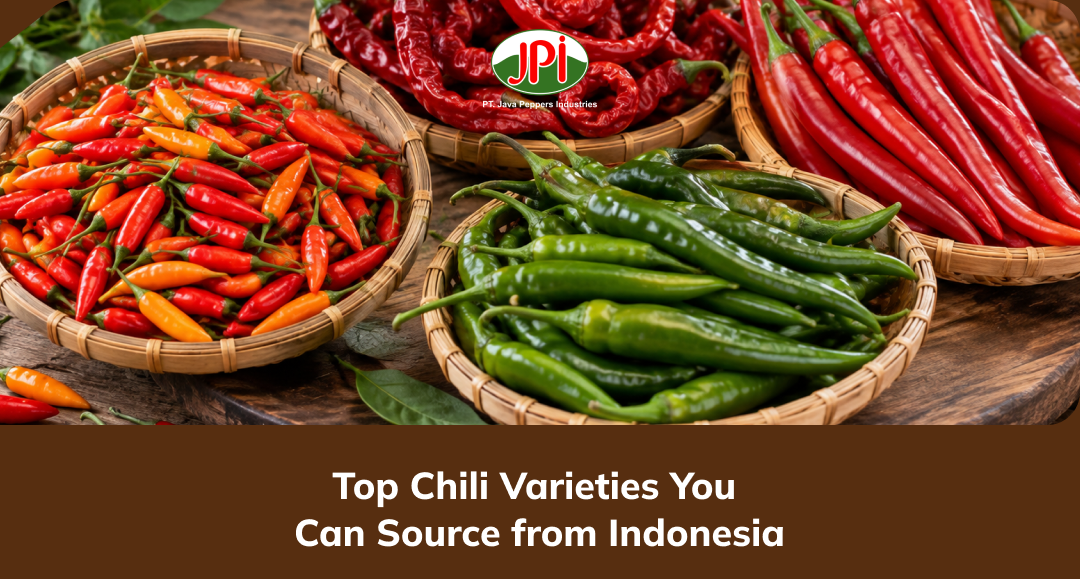
This is the most iconic Indonesian chili. Small in size but extremely potent, bird’s eye chili delivers a sharp, clean heat that builds quickly and lingers pleasantly.
It is widely used in Southeast Asian cuisines, hot sauces, chili oils, and spice blends. Scoville ratings typically range from 50,000 to 100,000 SHU, making it a serious contender for heat-forward products.
Cayenne Chili (Cabai Merah Keriting)
This variety is longer, thinner, and slightly milder than bird’s eye chili. It brings both heat and a deeper red color that makes it ideal for dried chili powder, paprika blends, and chili paste manufacturing.
Food manufacturers love cayenne chili from Indonesia because the color payoff is strong and the flavor is complex without being overwhelming.
Large Red Chili (Cabai Merah Besar)
This is the mildest of the three main export varieties. It is fleshy, sweet, and carries moderate heat that makes it versatile for fresh use, pickling, and processed food applications.
Its size makes it particularly popular for stuffed chili products, sauces, and food service applications where presentation matters.
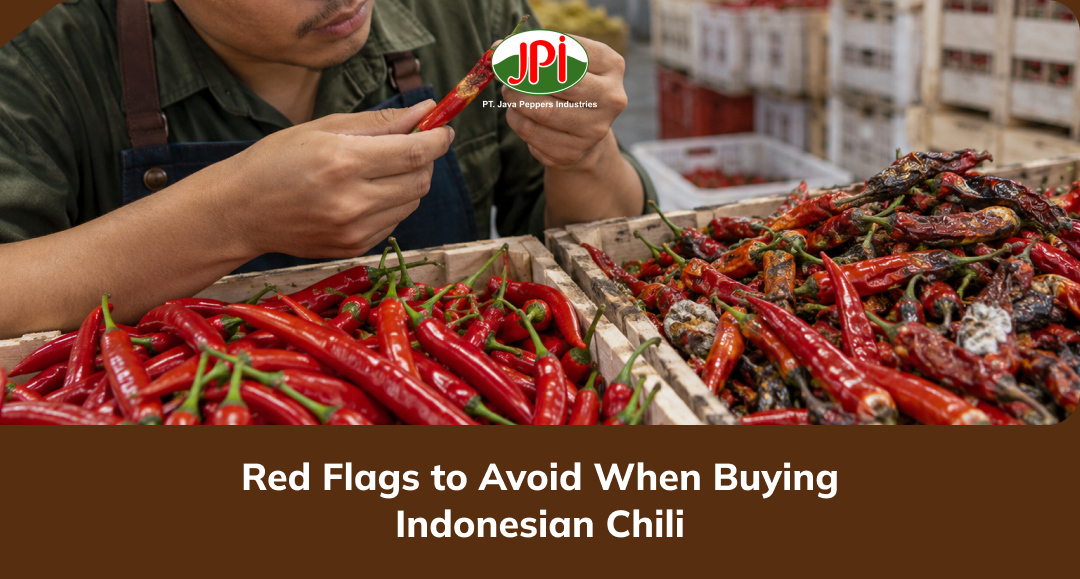
Red Flags to Avoid When Buying Indonesian Chili
Not every supplier delivers what they promise. Watch out for these warning signs:
Unusually low pricing that falls far below market rates often signals quality issues, adulteration, or non-compliance with safety standards. Slow or vague responses to questions about certifications and test results suggest the supplier lacks the documentation you need. No physical address or verifiable business registration means you have no recourse if things go wrong after payment. Reluctance to provide references from existing buyers is a sign that something is not right with their track record. Always verify your supplier through a third-party trade verification service or request a factory audit before large commitments.
Indonesia has earned its reputation as one of the world’s most reliable sources of premium chili. The combination of ideal growing conditions, diverse variety offerings, competitive pricing, and an established export infrastructure makes it the go-to origin for serious buyers worldwide.
Chili Farming Tips – Lately, market news keeps showing chili prices jumping up and down. Naturally, farmers ask how they can grow steady harvests. Luckily, smart habits can protect your income. In this guide, we share practical chili farming tips in simple words. Plus, you will learn how to plant, water, and protect your crop.
Soil and Climate Conditions Ideal for Chili Farming Tips
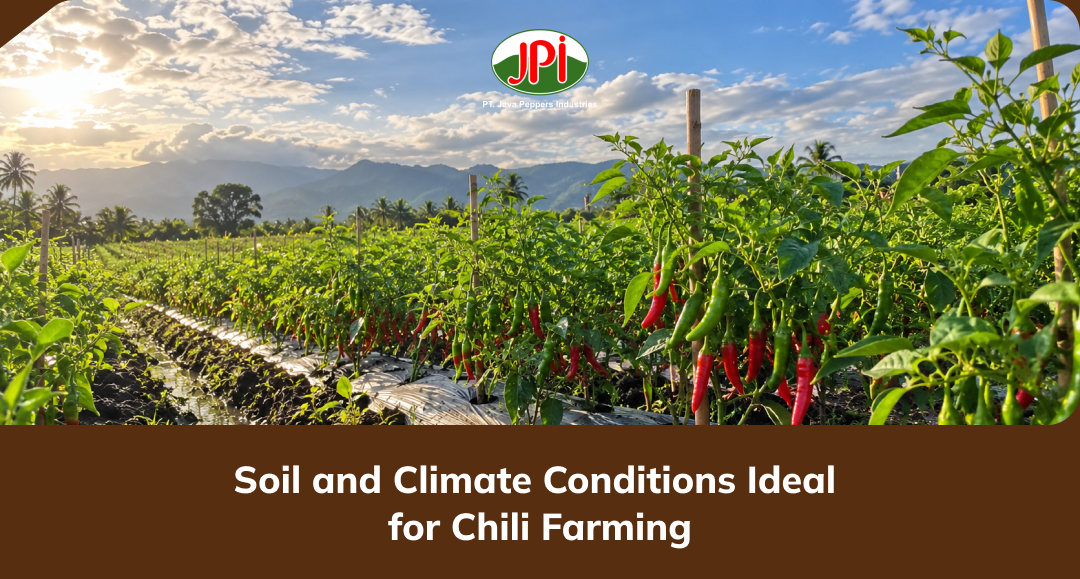
First, chili plants love soil that drains fast. Also, loose soil lets roots spread and breathe. However, heavy clay holds water and rots the roots. Therefore, mix in compost or sand to lighten it.
The right soil pH
Next, chilies grow best in slightly acidic soil. Usually, a pH between 6.0 and 6.8 works well. Meanwhile, a simple test kit shows your current level. Thus, you can fix problems before planting.
Warm temperatures
Additionally, chilies thrive in warm weather. Ideally, days stay between 24 and 30 degrees Celsius. However, cold nights slow growth and hurt flowers. Consequently, you should plant when the weather stays warm.
Plenty of sunlight
Also, chili plants need six to eight hours of sun daily. Likewise, more light means more flowers and fruit. Otherwise, plants grow tall, weak, and thin. So, pick an open spot without shade.
Moderate rainfall and humidity
Moreover, chilies dislike constant heavy rain. Instead, they prefer steady, gentle moisture. Besides, high humidity invites fungus and disease. Therefore, choose raised beds if your area gets wet.
Best Planting and Irrigation Practices for Chili Crops
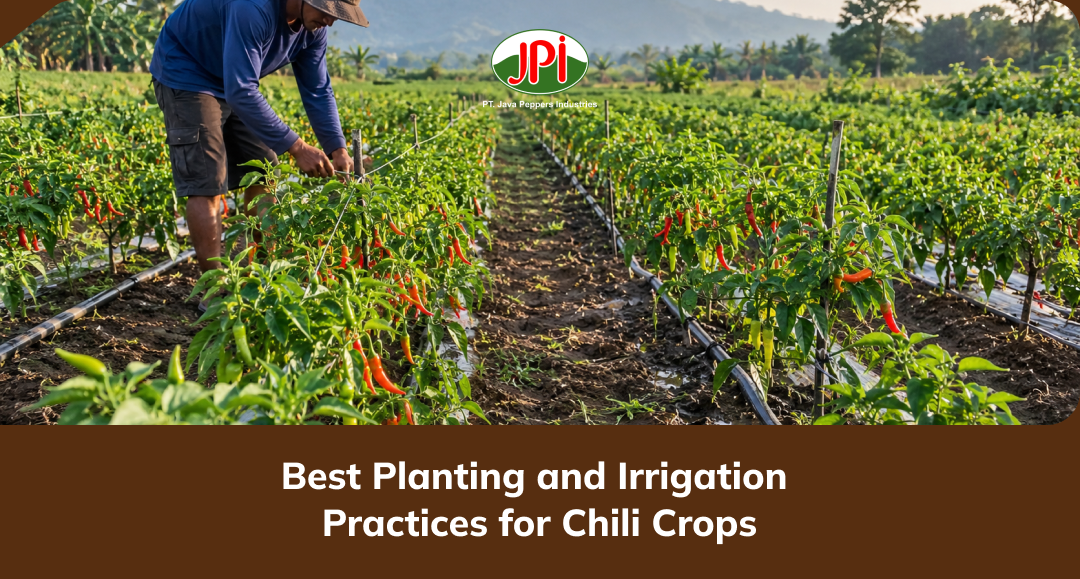
First, buy seeds from a trusted supplier. Also, pick a variety that suits your climate. Then, soak the seeds overnight to speed up sprouting. As a result, you get stronger seedlings.
Nurse seedlings carefully
Next, sow seeds in trays with light soil. Meanwhile, keep the trays warm and slightly damp. Usually, seedlings need four to six weeks before moving. Thus, patience gives you healthier plants.
Space plants properly
Additionally, give each plant enough room to grow. Typically, leave 45 to 60 centimeters between plants. Otherwise, crowded leaves trap moisture and spread disease. Hence, good spacing improves airflow and yield.
Water on a smart schedule
Also, chilies need regular but light watering. Generally, water deeply once every few days. However, soggy soil kills roots quickly. Therefore, check the soil with your finger before watering.
Try drip irrigation and mulch
Finally, drip lines deliver water right to the roots. Likewise, mulch keeps the soil cool and damp. Besides, it blocks weeds that steal nutrients. Consequently, you save water and time.
Tips to Maximize Chili Yield and Minimize Crop Loss
First, chilies need nitrogen early for leafy growth. Later, they need phosphorus and potassium for flowers and fruit. Also, compost adds slow, steady nutrition. Therefore, feed lightly every two to three weeks.
Watch for pests
Next, aphids, thrips, and mites love chili leaves. Meanwhile, they spread viruses that ruin your crop. Thus, check the undersides of leaves every week. Consequently, you catch problems early.
Prevent common diseases
Additionally, fungus and wilt hit chili farms often. Likewise, wet leaves make the problem worse. Therefore, water at the base instead of the leaves. Also, remove sick plants right away.
Rotate your crops
Besides, planting chilies in the same spot invites soil diseases. Instead, switch to beans or corn each season. Meanwhile, this break restores soil health. As a result, your next chili crop grows stronger.
Harvest at the right time
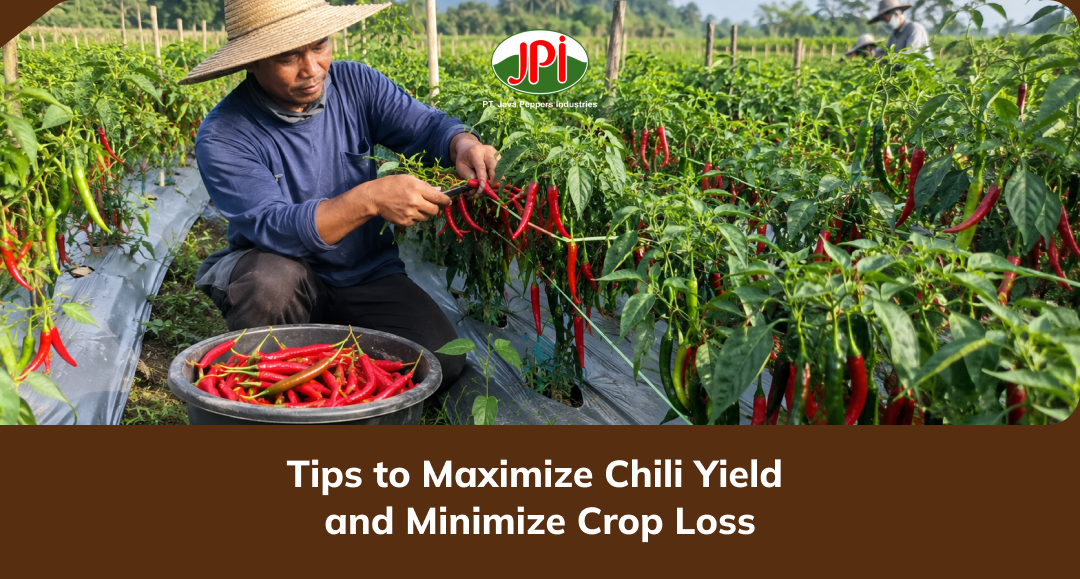
Finally, pick chilies when they reach full color and size. Also, frequent picking encourages the plant to make more fruit. However, leaving ripe chilies too long slows new flowers. So, harvest every few days.
So, these chili farming tips can boost your harvest and cut your losses. Start with loose, sunny, well-drained soil. Then, plant with care and water smartly. Finally, feed, protect, and harvest on time. Try these habits this season, and watch your chili crop thrive.
How to Test Chili Heat Levels – Pepper X just broke the internet again. This super-hot pepper now holds the world record at nearly 2.7 million Scoville Heat Units. So, spice lovers everywhere started asking one question: how do experts actually measure that burn?
Honestly, most people assume it’s just guesswork. However, real science backs every single heat rating out there. This article breaks down exactly how to test chili heat, from lab tools to kitchen tricks. So, whether you’re curious or cautious, you’ll walk away with clear answers.
First, Wilbur Scoville created this scale back in 1912. Interestingly, he wanted a simple way to rank pepper strength. So, his method became the industry standard almost instantly. Today, his name still defines spicy food conversations everywhere.
Taste testers did the original work.
Originally, human tasters sipped diluted pepper extract repeatedly. Then, researchers counted dilutions until the heat disappeared completely. Therefore, more dilutions meant a hotter original pepper. Clearly, this method relied heavily on human perception.
SHU numbers tell the real story.
Meanwhile, Scoville Heat Units measure exact capsaicin concentration levels. Basically, higher SHU numbers always mean spicier peppers. For example, bell peppers sit at zero SHU. Meanwhile, Pepper X reaches nearly 2.7 million SHU.
Dilution reveals hidden intensity.
Also, one part capsaicin per million roughly equals fifteen SHU. So, scientists still reference this ratio during calculations today. Consequently, even tiny capsaicin traces produce measurable heat ratings. Basically, chemistry explains why peppers feel so different.
The scale still matters today.
Finally, chefs and brands rely on SHU for consistent labeling. Without it, comparing hot sauces would feel completely random. Therefore, the Scoville scale remains culinary shorthand worldwide. Overall, it turned subjective heat into a shared language.
Methods Used to Test Chili Heat Levels Accurately
methods_used_to_test_chili_heat_levels_accurately
HPLC replaced human tasting.
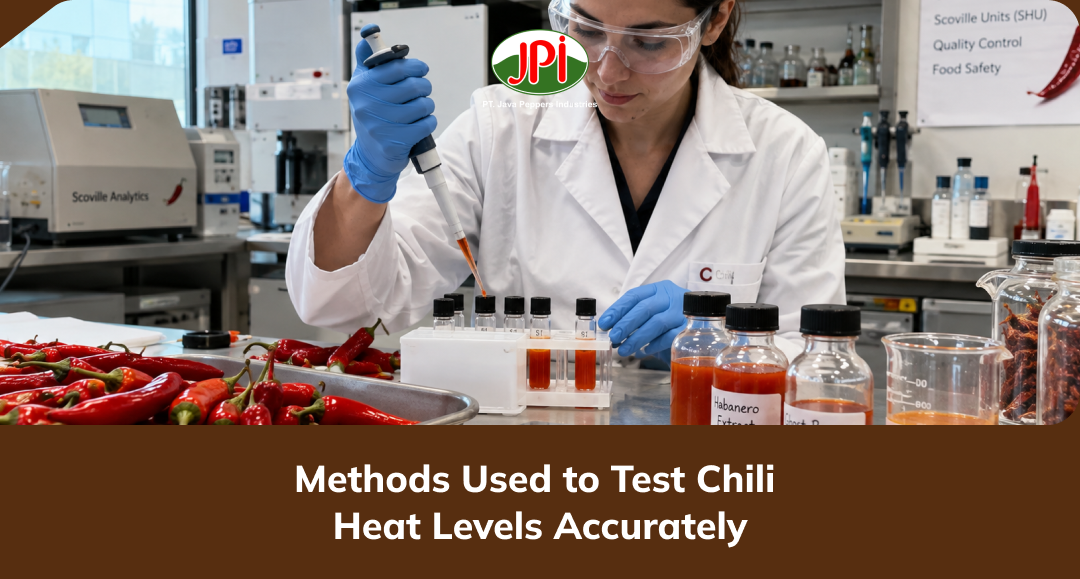
First, modern labs now use high-performance liquid chromatography instead. This method, called HPLC, removes human error completely. Therefore, results stay consistent across different testing sessions. Basically, machines now do what tongues once attempted.
Capsaicin gets measured directly.
Also, HPLC isolates capsaicin molecules within each chili sample. Then, sensors calculate exact chemical concentration in parts per million. Consequently, scientists convert that number into standard SHU ratings. Honestly, this process removes all guesswork entirely.
Comparing peppers becomes simple.
Meanwhile, accurate lab data lets brands compare varieties fairly. So, a jalapeño and habanero get ranked using identical standards. Thus, consumers trust printed heat levels on packaging. Clearly, consistency builds confidence across the entire industry.
Certified labs handle serious testing.
Additionally, food companies send samples to accredited testing facilities. These labs follow strict protocols for every single batch. Therefore, results remain reliable for commercial hot sauce production. Basically, professional testing protects both brands and buyers.
Lab testing still has limits.
Finally, HPLC measures chemical heat, not personal taste experience. However, texture, oils, and sauce ingredients also affect perceived spice. So, two products with equal SHU can taste totally different. Overall, science explains chemistry, not every sensation.
How to Test Chili Heat at Home Without Lab Equipment
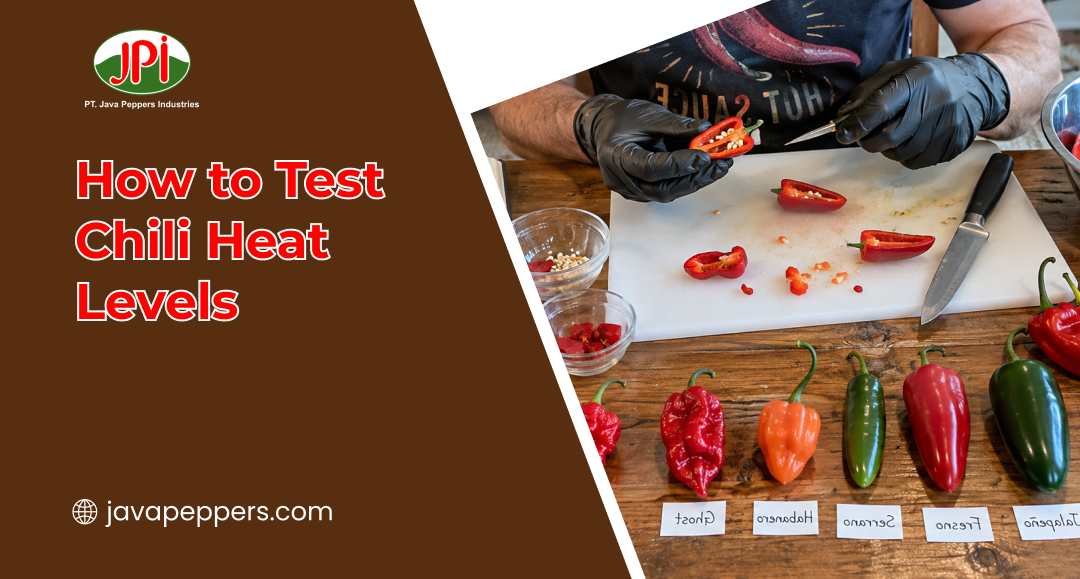
First, cut a small piece and touch it to your tongue. Then, wait several seconds before judging the actual heat. Meanwhile, avoid biting a whole pepper immediately. Honestly, patience prevents unnecessary regret during this step.
Smell often hints at strength.
Also, sharper, more pungent aromas usually suggest stronger heat levels. So, give your pepper a quick sniff before tasting. Meanwhile, milder peppers typically smell more subtle and sweet. Basically, your nose offers useful early warning signs.
Watch color and size clues.
Additionally, smaller, thinner peppers often pack surprisingly intense heat. Meanwhile, size alone never guarantees a mild or spicy result. So, research the specific variety before assuming anything. Clearly, appearance only tells part of the story.
Use trusted SHU reference charts.
Furthermore, online charts list approximate ratings for common pepper varieties. So, compare your pepper type against known Scoville ranges. Consequently, you’ll get a rough heat estimate instantly. Honestly, this shortcut works well for casual cooking.
Try a simple dilution trick.
Finally, mix chopped pepper with water, then taste gradually. Add more water until the burn feels manageable. Therefore, you’ll sense relative heat without fancy lab tools. Overall, this old-school method still works surprisingly well.
So, now you know how to test chili heat like a pro. Clearly, the Scoville scale gave spice culture its first real language. Meanwhile, HPLC technology made modern measurements far more precise. Still, home methods work fine for everyday cooking decisions. However, always respect intense peppers, especially record-holders like Pepper X.
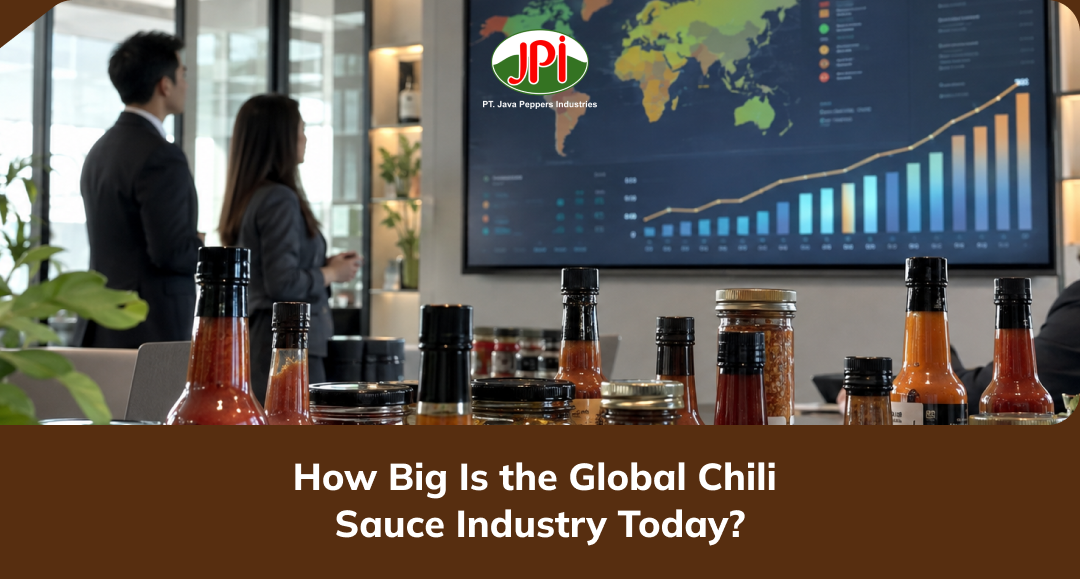
Chili Sauce Industry – Spicy food just broke another record. According to recent market reports, the global chili sauce industry hit roughly USD 23.9 billion in 2026, and analysts expect it to keep climbing toward USD 39 billion by 2035. That’s not a small jump. So why is everyone suddenly obsessed with hot sauce?
Basically, social media trends, global cuisine crossovers, and busy lifestyles all push people toward bold flavors. This article breaks down the numbers, the biggest players, and what’s next for the industry. Whether you’re a foodie, an investor, or just curious, you’ll get a clear picture here.
How Big Is the Global Chili Sauce Industry Today?
how_big_is_the_global_chili_sauce_industry_today_
Steady market growth.
First, the chili sauce industry keeps expanding year after year. Meanwhile, reports show a compound annual growth rate above 5%. Therefore, brands keep launching new products constantly. Overall, the trend looks far from slowing down.
The snack boom effect.
Also, spicy snacks exploded in popularity after the pandemic. People stuck at home discovered bold flavors through cooking videos. Consequently, chili sauce became a pantry staple almost everywhere. Honestly, that habit never really faded away.
Premium products take over.
Meanwhile, shoppers now want more than basic hot sauce. Instead, they crave small-batch, artisanal, and limited-edition blends. As a result, premium pricing became normal across the market. Clearly, quality now matters as much as heat.
Restaurants push demand higher.
Additionally, foodservice chains add chili sauce to nearly every menu. Fast food, ramen shops, and fusion restaurants all rely on it. So, bulk orders from restaurants boost industry revenue significantly. Basically, chefs treat chili sauce as a flavor shortcut.
Online shopping changes everything.
Finally, e-commerce platforms made hot sauce discovery incredibly easy. Now, niche brands reach global customers without needing physical stores. Thus, small producers can compete with legacy giants online. Ultimately, digital shelves widened the entire chili sauce industry.
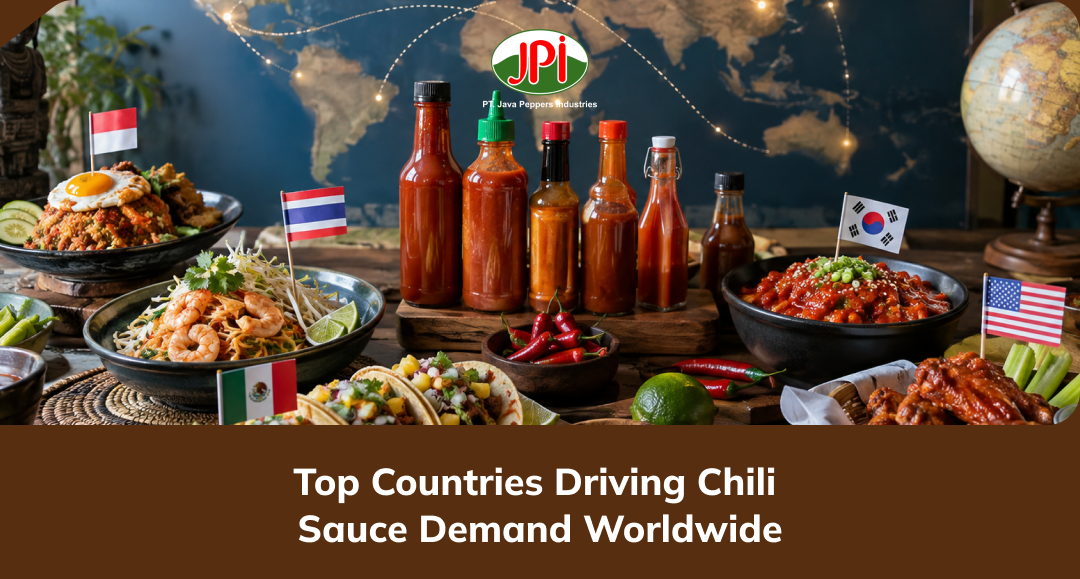
Top Countries Driving Chili Sauce Industry Demand Worldwide
First, Asia Pacific dominates chili sauce consumption by a wide margin. In fact, the region holds over 40% of global market share. Meanwhile, spicy cuisine already sits at the center of daily meals there. So, growth in this region shapes the whole industry.
The United States loves heat.
Also, American consumers keep pushing demand for bold, spicy flavors. Increasingly, ethnic cuisines like Mexican and Korean food influence local tastes. Therefore, US sales remain one of the strongest globally. Clearly, hot sauce culture is deeply rooted there.
China’s massive production base.
Meanwhile, China manufactures huge volumes for both local and export markets. Brands like Laoganma became household names across Asia. Consequently, China anchors much of the industry’s supply chain. Basically, without China, global output would look very different.
Southeast Asia’s halal advantage.
Additionally, countries like Indonesia and Malaysia strengthen halal-certified manufacturing. This certification opens doors to Middle Eastern and North African markets. So, Southeast Asia becomes a key regional export hub. Honestly, this advantage keeps growing every year.
Europe’s curiosity keeps rising.
Finally, European consumers increasingly explore global spicy condiments. Fusion restaurants and imported snacks introduce chili sauce to new audiences. Thus, demand in Europe, while smaller, keeps trending upward. Overall, curiosity there fuels steady future growth.
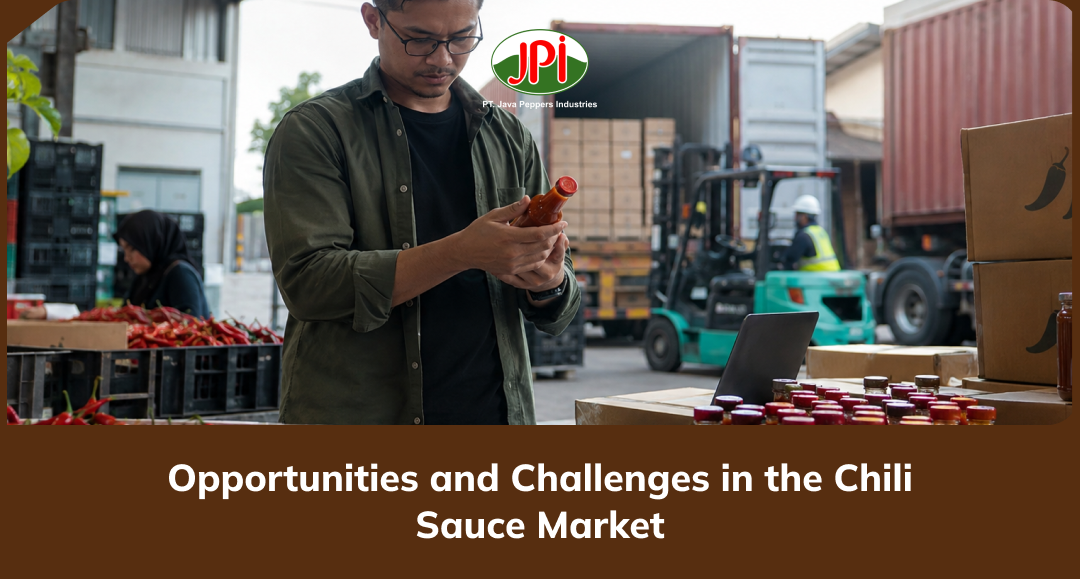
Opportunities and Challenges in the Chili Sauce Industry
First, brands now experiment with organic and low-sodium recipes. Health-focused consumers actually want spice without extra guilt. Therefore, this niche offers strong growth potential. Clearly, wellness trends are reshaping product development.
Export platforms create new markets.
Also, smaller producers increasingly build export-ready supply chains. This move helps regional brands reach international shelves faster. Consequently, competition intensifies, but so does overall market size. So, expansion abroad becomes a smart long-term strategy.
Raw material prices stay unstable.
Meanwhile, chili pepper prices fluctuate due to weather and climate shifts. Bad harvests instantly squeeze manufacturer profit margins. Thus, this remains a real and persistent challenge. Honestly, price volatility worries almost every producer.
Supply chains face disruption risks.
Additionally, global shipping delays continue affecting ingredient availability. Manufacturers sometimes struggle to source packaging materials on time. Therefore, logistics planning becomes more critical than ever. Basically, resilience now separates winners from strugglers.
Automation boosts future efficiency.
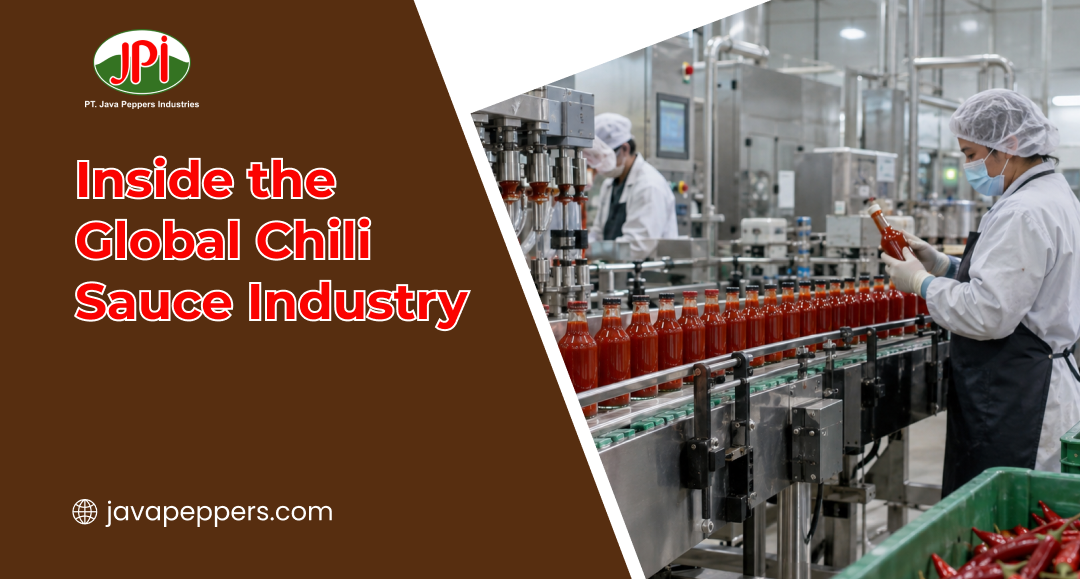
Finally, factories increasingly invest in automated bottling and packaging systems. This shift reduces labor costs while improving consistency. As a result, larger players gain a competitive production edge. Overall, technology will likely define the industry’s next chapter.
So, what’s the takeaway here? Clearly, the chili sauce industry keeps growing fast, fueled by bold taste trends and global demand. Meanwhile, Asia Pacific leads, but the US, China, and Europe all matter too. Still, challenges like price swings and supply issues remain real.