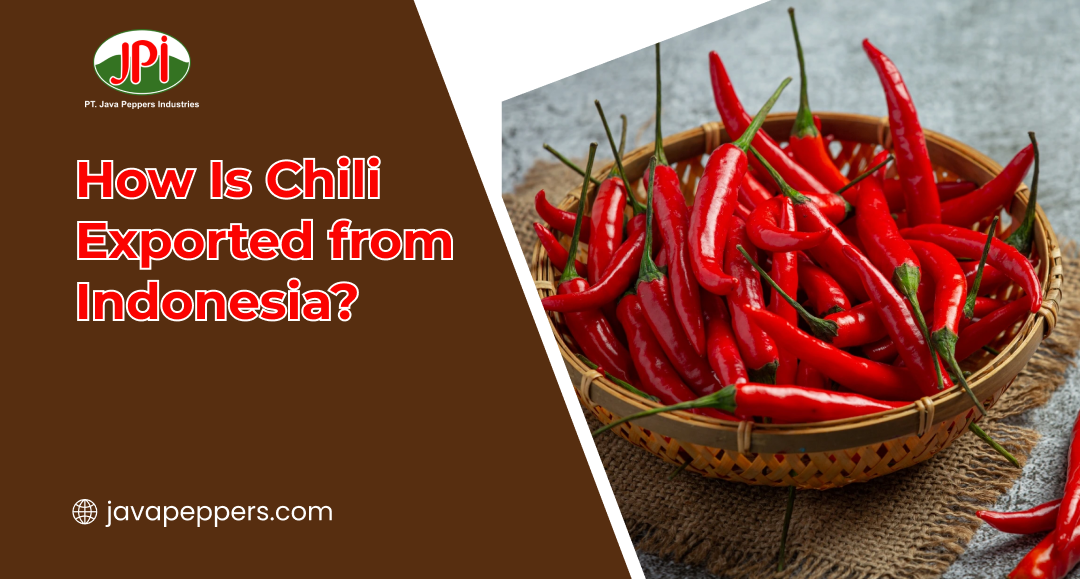
Penetrating the international market with our nation’s proud, spicy commodity has now become a highly lucrative business opportunity. Exporting chili from Indonesia actually involves a strict supply chain, starting from selecting premium seeds at the farmer level, hygienic cleaning in packaging facilities, to meticulous plant quarantine certifications. Every single stage moves quickly and measurably to ensure that the freshness of this ‘fiery red’ spice is perfectly preserved until it reaches the hands of global consumers. Entrepreneurs often ask how is chili exported smoothly, which requires mastering global quality standards, proper sorting, and choosing high-speed air freight for premium agricultural products.
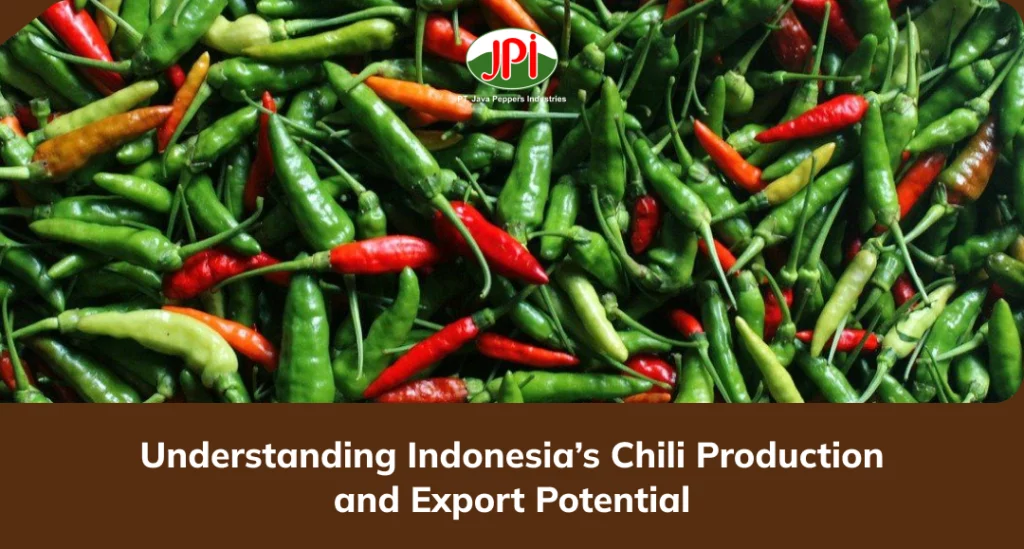
Understanding Indonesia’s Chili Production and Export Potential
As a key ingredient in countless traditional dishes, chili plays a central role in the country’s culinary culture and food industry. Beyond domestic consumption, chili also offers significant economic value and has strong potential as an export commodity. Supported by a tropical climate and extensive agricultural land, Indonesia is well-positioned to expand its chili production and strengthen its presence in international markets.
The high domestic demand for chili ensures a consistently active market. In addition to being sold fresh, chili can be processed into a variety of value-added products, including chili sauce, chili powder, packaged sambal, and seasoning blends.
The growth of food processing industries has further increased demand for chili production. As a result, the chili supply chain supports not only farmers but also manufacturers, distributors, and retailers throughout the country.
Several factors contribute to Indonesia’s strong chili production capacity:
Extensive agricultural land resources.
Favorable tropical climate year-round.
Experienced farmers with strong cultivation knowledge.
Stable domestic demand.
Growing adoption of modern agricultural technology.
Indonesia has a strong opportunity to capitalize on this growing demand. In addition to exporting fresh chili, the country can expand exports of processed products that offer longer shelf life and higher market value.
Fresh chili peppers.
Dried chili.
Chili powder.
Packaged sambal.
Chili sauces.
Chili extracts for food processing industries.
Understanding Indonesia’s chili production and export potential reveals that chili is far more than just a common kitchen ingredient. It is a strategic agricultural commodity capable of supporting economic growth, improving farmer livelihoods, and enhancing Indonesia’s reputation as a leading producer of high-quality chili products. With the right strategies and long-term commitment, Indonesia can transform its chili industry into a powerful contributor to global agricultural trade.
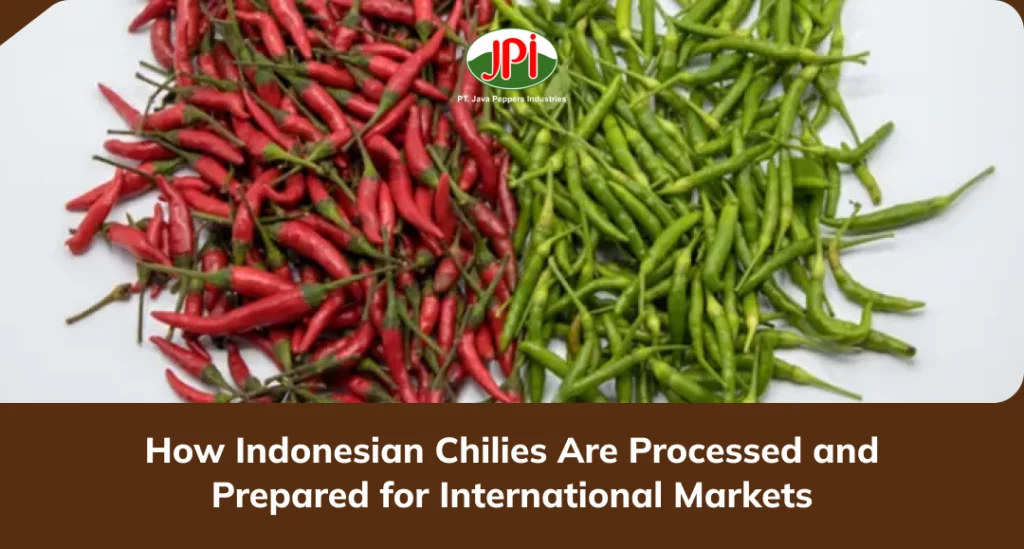
How Indonesian Chilies Are Processed and Prepared for International Markets
Harvesting is usually done manually to minimize damage to the fruit. Workers carefully pick the chilies and place them in clean containers to avoid bruising. Proper harvesting techniques are essential because damaged chilies can spoil quickly and reduce the overall quality of export shipments.
Timing also plays a crucial role. Farmers generally harvest chilies during cooler parts of the day, such as early morning, to preserve freshness and maintain product quality throughout the supply chain.
Sorting and Grading for Export Quality
Cleaning and Sanitizing the Product
Post-Harvest Handling and Cooling
Packaging According to International Standards
Processed products such as chili powder and sauces are packaged in sealed containers designed to preserve freshness and extend shelf life. Labels must also comply with the regulations of destination countries, including information about ingredients, origin, production dates, and food safety certifications.
Meeting International Food Safety Requirements
Documentation allows buyers to verify the origin and handling of products throughout the supply chain.
Regular inspections, laboratory testing, and quality audits help ensure that exported chilies meet the standards required by importing countries. This commitment to quality strengthens Indonesia’s competitiveness in the global marketplace.
Transportation and Export Logistics
Exporters work closely with logistics providers, customs authorities, and international distributors to ensure smooth delivery. Accurate documentation and proper handling reduce delays and help products reach their destinations in excellent condition.
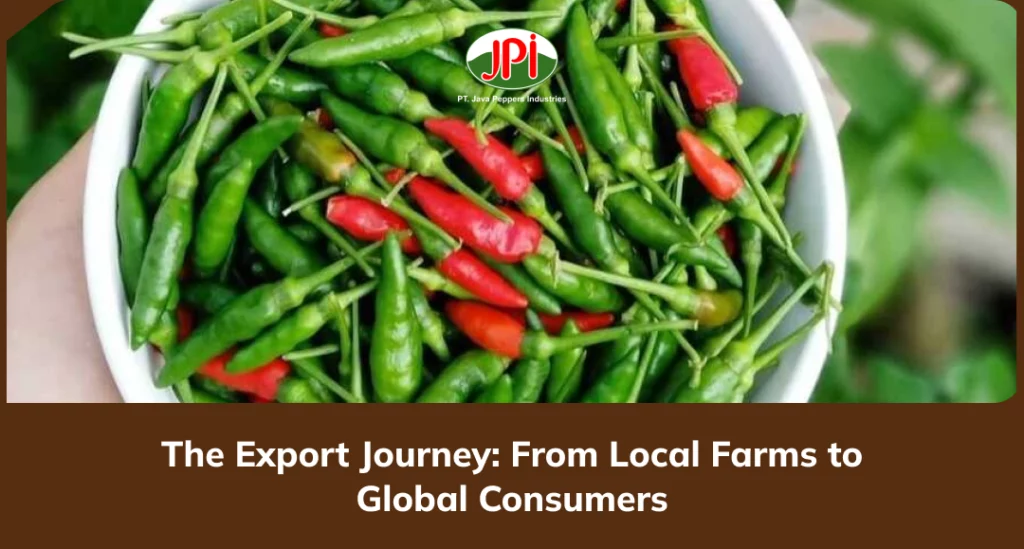
The Export Journey: From Local Farms to Global Consumers
The Export Journey: From Local Farms to Global Consumers
International buyers often require consistency in size, color, taste, and freshness. As a result, farmers must focus on maintaining high standards throughout the growing season. Many farmers also adopt sustainable farming methods to meet the increasing demand for environmentally friendly products.
In addition, collaboration between farmers, cooperatives, and export companies helps ensure a steady supply of products throughout the year. This consistency is essential for maintaining long-term relationships with overseas buyers.
Harvesting and Sorting for Export Standards
Sorting ensures that international customers receive products with uniform quality. This attention to detail helps exporters build trust with importers and strengthens their reputation in global markets.
Products that do not meet export standards are often sold domestically or processed into value-added products, reducing waste and maximizing profitability.
Technology Drives Modern Export Growth
These innovations make it easier for local farms to compete in the global marketplace. As technology continues to evolve, the export journey becomes faster, more efficient, and more reliable for all stakeholders involved.
Packaging Protects Products During Transportation
Fresh fruits and vegetables may be packed in ventilated cartons, while processed products often require sealed packaging that extends shelf life.
Modern packaging also includes important product information such as country of origin, production date, batch number, certifications, and handling instructions. These details help meet international regulations and improve traceability throughout the supply chain.
Customs Clearance and Market Entry
If everything meets the required standards, the products are cleared for distribution. This stage is crucial because any discrepancies in documentation or quality can result in delays, additional costs, or even shipment rejection.
Experienced exporters invest significant effort in preparing accurate documentation and maintaining quality standards to avoid complications during customs clearance.
Conclusion
Indonesia possesses an incredibly massive chili production and export potential to compete in the global market. Through hygienic processing and preparation that meet international standards, this spicy commodity safely penetrates worldwide markets. The integrated export journey from local farms to global consumers proves that the quality of Indonesian chilies is now increasingly recognized worldwide.
Hungarian Hot Pepper – If you love spicy food, then the hungarian hot pepper is something you should know well. Hungary has a long and proud tradition of growing peppers. These peppers are used in some of the most beloved dishes in Eastern European cuisine. Moreover, they come in many shapes, sizes, and heat levels. This article will help you understand the different types, how to grow them, and how to cook with them.
Types of Hungarian Hot Peppers and Their Heat Levels
Hungarian Wax Pepper
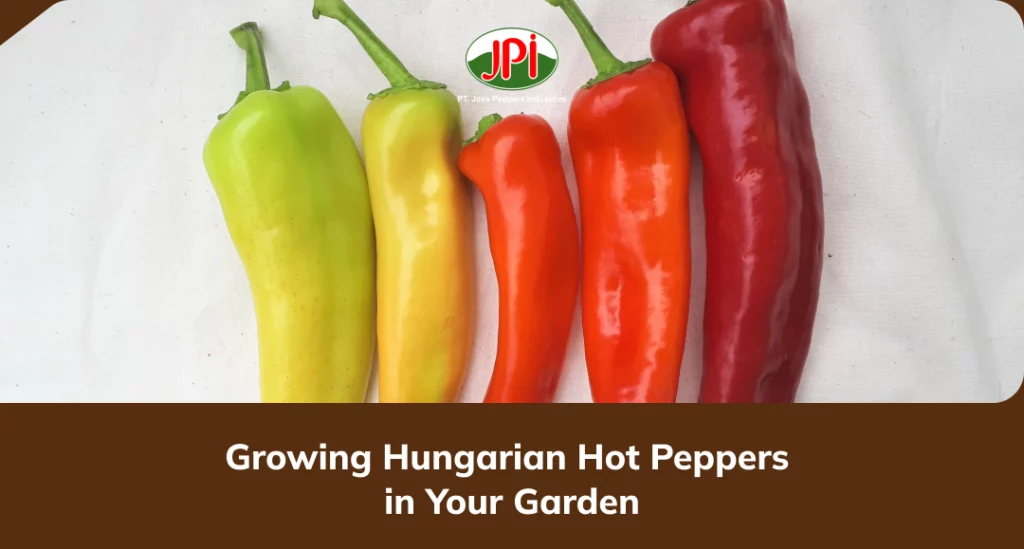
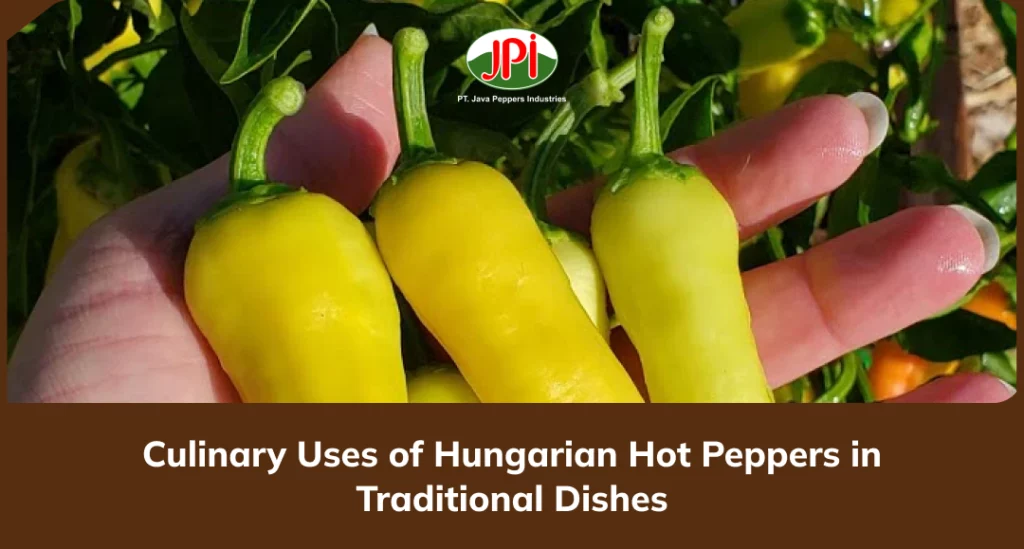
Hungarian Wax Pepper is one of the most popular pepper varieties from Hungary. It has a mild to medium heat level ranging from 1,000 to 15,000 SHU. This pepper is often eaten fresh in salads, sandwiches, and other dishes. Its bright yellow color makes it easy to recognize.
Erős Pista (Hot Steve)
Erős Pista is a famous Hungarian chili paste made from hot peppers. It is widely used as a condiment in many Hungarian homes. The peppers used can reach heat levels of up to 100,000 SHU. Because of its strong flavor, it is often added to soups, stews, and meat dishes.
Paprika Pepper (Sweet and Hot)
Paprika peppers are an important part of Hungarian cooking. They are commonly dried and ground into paprika powder. Sweet varieties have very little heat, while hot varieties can reach around 5,000 SHU. This allows people to choose a flavor that suits their taste.
Cseresznyepaprika (Cherry Pepper)
Cseresznyepaprika is a small, round pepper that looks like a cherry. Despite its size, it can provide a noticeable level of heat. Its heat level ranges from 1,500 to 10,000 SHU. This pepper is commonly used for pickling and stuffing.
Feketecseresznye (Black Cherry Pepper)
Feketecseresznye is a unique pepper known for its dark color. It offers a rich and slightly smoky flavor. Its heat level ranges between 5,000 and 30,000 SHU. Many pepper enthusiasts enjoy it for both its appearance and taste.
Growing Hungarian Hot Peppers in Your Garden
Choosing the Right Seeds
Always choose seeds from a trusted and reliable supplier. High-quality seeds usually produce healthier plants and better yields. Heirloom seeds are often preferred for authentic Hungarian pepper varieties. Taking time to research before buying can help you get the best results.
Starting Seeds Indoors
Pepper seeds should be started indoors about 8 to 10 weeks before the last frost. Warm temperatures help the seeds germinate faster and more evenly. Place the seedlings near a sunny window or under grow lights. Good lighting helps young plants grow strong and healthy.
Soil and Fertilizer Requirements
Hungarian hot peppers grow best in loose, well-draining soil. A soil pH between 6.0 and 6.8 is considered ideal. Balanced fertilizer can support healthy growth and fruit production. Adding organic compost can also improve soil quality naturally.
Watering and Sunlight
Pepper plants need at least 6 to 8 hours of sunlight each day. Water them deeply when the soil begins to dry out. Avoid overwatering because it can damage the roots. Checking soil moisture regularly can help maintain healthy plants.
Pest and Disease Management
Common pests include aphids, spider mites, and pepper weevils. Fungal diseases can also affect pepper plants if conditions are too humid. Neem oil is a natural solution that can help control many pests. Crop rotation is another useful method for preventing plant diseases.
Culinary Uses of Hungarian Hot Peppers in Traditional Dishes
Goulash (Gulyás)
Goulash is one of the most famous dishes in Hungary. Hot and sweet paprika are important ingredients in this stew. They provide a rich flavor and a deep red color. Goulash is often served with traditional Hungarian noodles called csipetke.
Lecsó
Lecsó is a simple dish made with peppers, tomatoes, and onions. It is often compared to ratatouille because of its similar ingredients. Hot peppers are added to give the dish extra flavor and spice. This dish is especially popular during the summer harvest season.
Stuffed Peppers
Töltött Paprika is a traditional Hungarian comfort food. Peppers are filled with a mixture of rice and minced meat. They are slowly cooked in a flavorful tomato-based sauce. Hungarian Wax Peppers are commonly used for this recipe.
Paprikash
Chicken Paprikash is a well-known Hungarian chicken dish. It uses paprika to create a rich and slightly spicy flavor. Sour cream is added to make the sauce creamy and balanced. This dish is popular among people who enjoy hearty meals.
Pickled Peppers
Pickled peppers are a common side dish in Hungarian cuisine. They are made using a mixture of vinegar, salt, and sugar. Pickling helps preserve peppers for a longer time. Cherry Peppers are one of the most popular varieties used for this purpose.
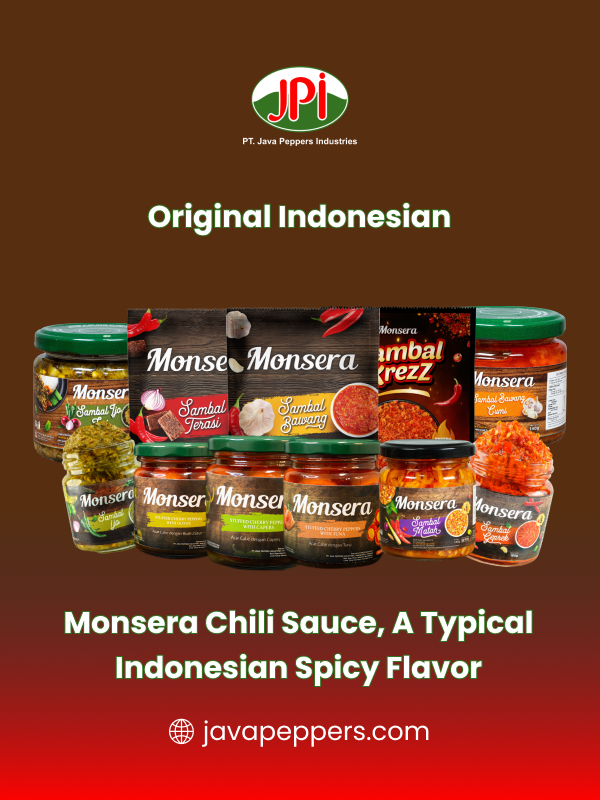
Monsera Chili Sauce, A Typical Indonesian Spicy Flavor
Indonesia is famous for its rich culinary heritage and spicy food culture. Monsera Chili Sauce represents one of the authentic Indonesian spicy flavors made from selected chili peppers and natural ingredients. The sauce combines spicy, savory, and slightly sweet flavors that complement various dishes such as fried rice, noodles, seafood, grilled chicken, and traditional snacks.
Its authentic taste reflects Indonesia’s diverse food traditions and appeals to consumers seeking bold Asian flavors. With increasing global interest in Indonesian cuisine, Monsera Chili Sauce has strong potential in international markets, especially among buyers looking for unique and premium spicy condiments from Southeast Asia.
Let’s order via the button below now!
Conclusion
The world of hungarian hot pepper is rich, diverse, and full of flavor. From mild wax peppers to fiery cherry bombs, there is a variety for every palate.
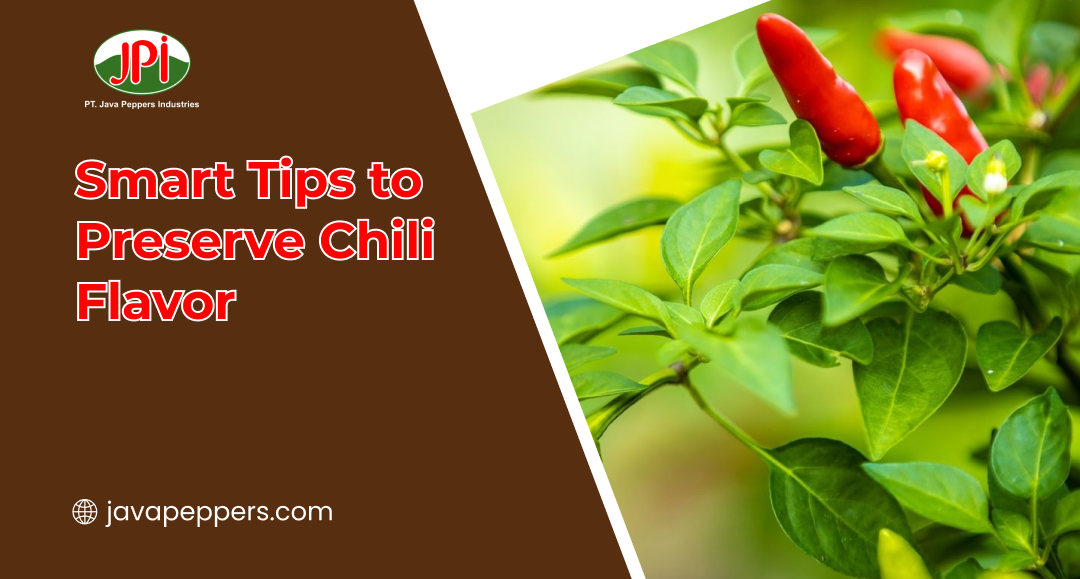
Chili Preservation Tips – Fresh chili adds bold flavor and vibrant heat to countless dishes around the world. Therefore, learning the right chili preservation tips is essential for every home cook and food enthusiast.
Chili that is poorly store tends to lose its spiciness, color, and nutritional value very quickly. Additionally, improper storage can lead to mold growth and spoilage that wastes both food and money.
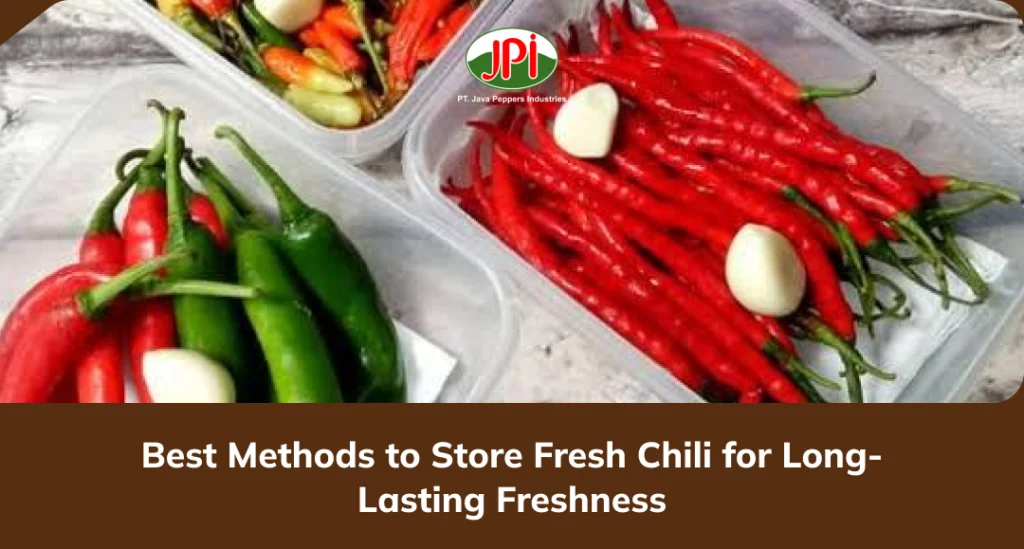
Best Methods to Store Fresh Chili
Storing fresh chili correctly is the foundation of good chili preservation. Furthermore, the right storage method can extend the shelf life of your chili significantly without compromising its quality. Here are five of the best methods you should start using today.
Refrigerating Fresh Chili in Airtight Containers
Refrigerate the chili immediately after you bring it home from the market to keep it fresh. Additionally, place the chili inside an airtight container to prevent moisture loss and odor transfer. Keep the chili dry before placing it into the container to avoid premature rotting. Therefore, you can easily keep whole, unwashed chili fresh for up to two weeks using this method.
Wrapping Chili in Paper Before Refrigerating
You can also wrap fresh chili loosely in dry paper towels before placing it in the refrigerator. Furthermore, the paper absorbs excess moisture that would otherwise make the chili rot faster. This method works especially well when you need to store a large batch of chili at the same time. Moreover, place the paper-wrapped chili in a breathable bag to allow for slight airflow.
Storing Chili in a Cool and Dark Pantry
If you do not have a refrigerator, store the chili in a cool, dark, and dry pantry space. Additionally, avoid exposing the chili to direct sunlight because heat significantly speeds up the spoilage process. Chili stored in a pantry typically stays fresh for three to five days under the right conditions. Therefore, only use pantry storage as a short-term option when you do not have access to refrigeration.
Keeping Chili Dry at All Times
Moisture is the biggest enemy of fresh chili during any kind of storage process. Furthermore, chili that is wet or damp will develop mold and rot much faster than dry chili. Before storage, gently wipe each chili with a dry cloth to remove surface moisture. Moreover, this simple step can dramatically extend the shelf life of your fresh chili without any extra cost.
Separating Damaged Chili from Healthy Ones
Before storing, carefully sort all the chili to remove any that are bruised or damaged. Additionally, one damaged chili left among healthy ones can cause the entire batch to spoil quickly. This sorting process is an important step that many home cooks often overlook. Therefore, always inspect your chili before storing it to ensure you keep only the freshest ones.
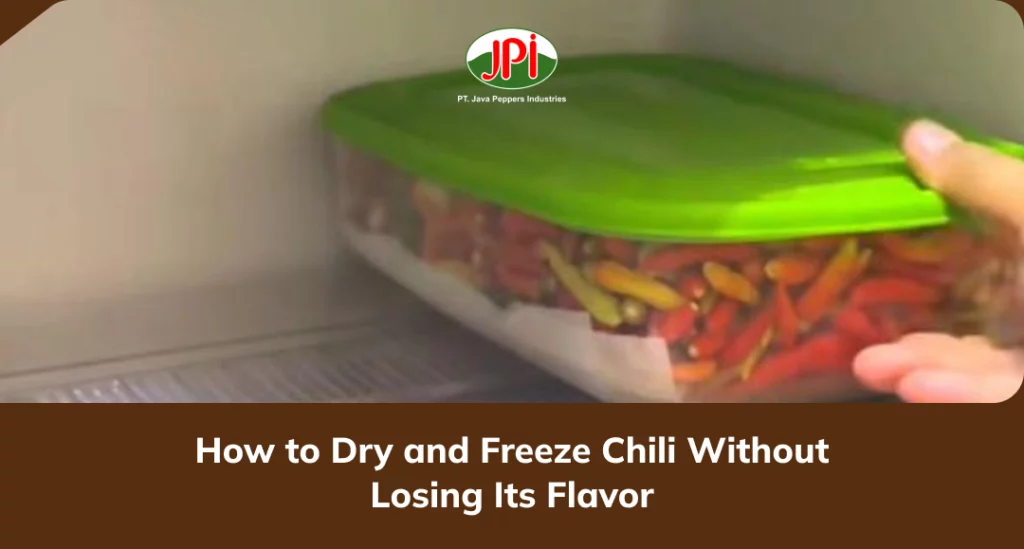
How to Dry and Freeze Chili
Drying and freezing are two of the most effective long-term chili preservation methods available. Furthermore, both methods allow you to enjoy chili flavor even months after the harvest season has ended. Here are five key techniques you should know about drying and freezing chili properly.
Sun-Drying Chili for Natural Preservation
People around the world practice sun-drying as one of the oldest and most natural chili preservation methods. Additionally, place the chili on a clean tray and leave it under direct sunlight for several days until fully dry. Turn the chili regularly so that all sides dry evenly and thoroughly. Moreover, you can store fully dried chili in a sealed jar for up to one year without losing much flavor.
Using an Oven to Dry Chili Quickly
Oven drying is a faster and more controlled alternative to sun-drying chili at home. Furthermore, set the oven to a low temperature of around 60 to 70 degrees Celsius for best results. Place the chili on a baking tray and dry it for six to eight hours until completely dehydrated. Therefore, oven-dried chili retains its color and spiciness better than chili dried under inconsistent sunlight.
Blanching Chili Before Freezing
Before freezing the chili, blanch it briefly in boiling water for about two minutes. Additionally, blanching helps deactivate the enzymes that cause chili to lose its color and flavor over time. After blanching, immediately transfer the chili to ice water to stop the cooking process. Furthermore, you can maintain the quality of blanched and frozen chili for up to twelve months in the freezer.
Freezing Chili in Portion-Sized Bags
Freeze the chili in small, portion-sized bags rather than in one large container. Additionally, this method allows you to thaw only the amount you need without exposing the rest to air. Label each bag with the date of freezing to help track how long you have stored the chili. Therefore, proper labeling ensures that you always use the oldest chili first, reducing the risk of waste.
Making Chili Paste for Long-Term Storage
You can also blend fresh chili into a smooth paste before freezing it for long-term use. Furthermore, chili paste takes up less space in the freezer compared to storing whole chili pieces. Add a small amount of oil or salt to the paste to help preserve its flavor and texture. Moreover, you can use frozen chili paste directly in cooking without the need for thawing beforehand.
Common Mistakes When Preserving Chili
Even the best chili preservation tips will fail if common mistakes are made during the storage process. Additionally, being aware of these mistakes will help you get the most out of every batch of chili you store. Here are five critical mistakes that should always be avoided.
Washing Chili Before Storing
One of the most common mistakes is washing chili before placing it into storage. Furthermore, wet chili spoils much faster because moisture encourages mold and bacterial growth. Chili should only be washed right before it is going to be used in cooking. Therefore, always keep your stored chili completely dry until the moment it is needed in the kitchen.
Storing Chili Near Strong-Smelling Foods
Chili absorbs strong odors from nearby foods when stored together in the same space. Additionally, this can alter the natural aroma and taste of your chili in an unpleasant way. Foods like onions, garlic, and certain cheeses should be kept separately from storage chili.
Freezing and Thawing Chili Repeatedly
Chili that is repeatedly frozen and thawed will lose its texture, flavor, and nutritional content quickly. Furthermore, each freezing and thawing cycle breaks down the cell walls of the chili more and more. This results in chili that becomes mushy, bland, and unpleasant to use in cooking. Therefore, always thaw only the amount of chili you plan to use and never refreeze what you have already thawed.
Ignoring Signs of Spoilage
People sometimes unknowingly use spoiled chili because they do not carefully check the signs of spoilage. Additionally, never ignore signs such as soft spots, discoloration, off-smell, or mold on the chili. Consuming spoiled chili can cause food poisoning and serious digestive health problems. Therefore, always inspect your stored chili thoroughly before using it in any recipe or dish.
Using Non-Airtight Containers
Storing chili in containers that are not properly sealed is a mistake that leads to faster spoilage. Furthermore, air exposure causes chili to dry out, lose color, and develop an unpleasant texture over time. Glass jars with tight-fitting lids or heavy-duty zip-lock bags are the best storage options available. Moreover, investing in good-quality airtight containers is a small cost that delivers significant long-term benefits.
Monsera Chili Sauce, A Typical Indonesian Spicy Flavor
Indonesia is famous for its rich culinary heritage and spicy food culture. Monsera Chili Sauce represents one of the authentic Indonesian spicy flavors made from selected chili peppers and natural ingredients. The sauce combines spicy, savory, and slightly sweet flavors that complement various dishes such as fried rice, noodles, seafood, grilled chicken, and traditional snacks.
Its authentic taste reflects Indonesia’s diverse food traditions and appeals to consumers seeking bold Asian flavors. With increasing global interest in Indonesian cuisine, Monsera Chili Sauce has strong potential in international markets, especially among buyers looking for unique and premium spicy condiments from Southeast Asia.
Let’s order via the button below now!
Conclusion
Keeping chili fresh and flavorful does not have to be a complicated or time-consuming process. Furthermore, by applying these chili preservation tips, you can enjoy the full taste and heat of chili for much longer