Where Does Chili Grow – Where Does Chili Grow is a question often asked by gardeners, farmers, and even everyday consumers who are curious about where this popular spicy crop thrives. Chili peppers are used worldwide in cooking, medicine, and food processing, making them one of the most valuable crops in global agriculture. Understanding where chili grows best helps explain why some regions produce hotter, healthier, and more abundant chili harvests than others.
Chili plants are surprisingly adaptable, but they still need specific environmental conditions to grow well. From climate and soil quality to regional geography, several factors influence successful chili cultivation.
Ideal Climate Conditions for Chili Growth
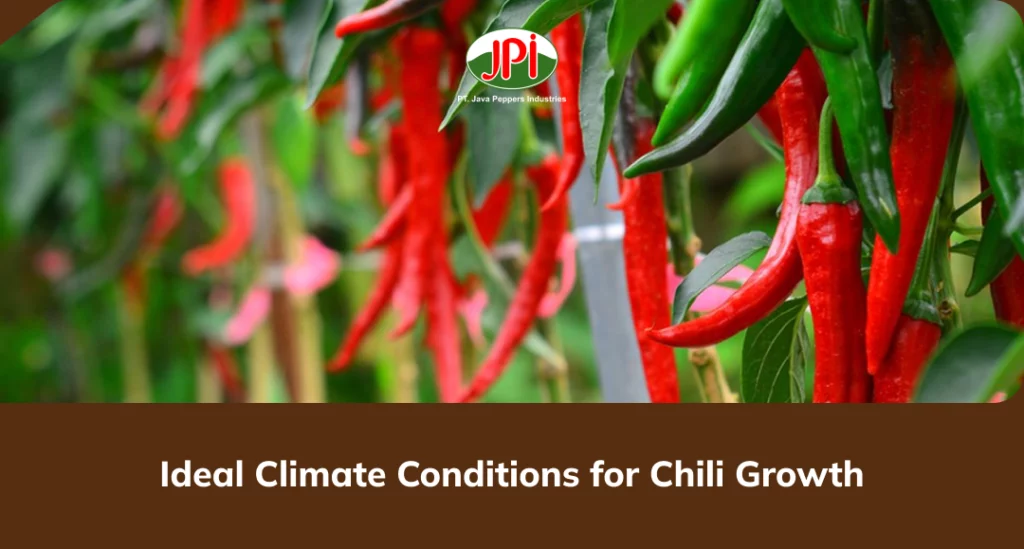
Climate plays the most important role when answering the question: Where Does Chili Grow most successfully? Chili plants originate from tropical and subtropical regions, meaning they thrive in warm environments with plenty of sunlight.
The ideal temperature range for chili growth is between 18°C and 30°C (64°F to 86°F). At these temperatures, chili plants can grow steadily, flower properly, and produce healthy fruits. Temperatures below 15°C can slow growth, while frost can damage or kill the plant entirely.
Sunlight is another key factor. Chili plants need at least 6–8 hours of direct sunlight per day. Sun exposure helps the plant produce energy through photosynthesis, leading to stronger stems, greener leaves, and better fruit development. Areas with long sunny days are often considered the best places to grow chili.
Rainfall also matters. Chili plants prefer moderate and consistent rainfall, ideally between 600–1,200 mm per year. Too much rain can cause root rot and fungal diseases, while drought conditions can stress the plant and reduce yields. This is why well-managed irrigation systems are common in commercial chili farming.
Humidity affects chili growth as well. Moderate humidity supports healthy flowering, but excessive humidity may increase the risk of pests and plant diseases. For this reason, many farmers carefully manage airflow and spacing between plants.
Soil and Environmental Requirements
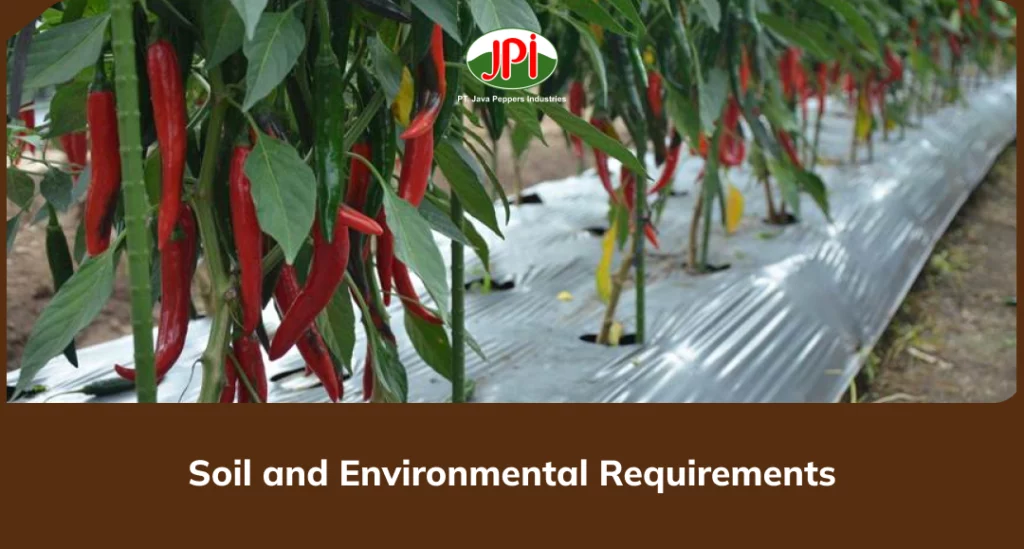
Beyond climate, soil quality strongly influences where chili grows best. Chili plants prefer loose, well-drained soil that allows roots to expand easily and access oxygen. Sandy loam or loamy soil is considered ideal.
Soil pH should be slightly acidic to neutral, typically between 5.5 and 7.0. Soil that is too acidic or too alkaline can limit nutrient absorption, causing slow growth or poor fruit development. Farmers often test soil before planting to adjust pH levels if needed.
Nutrient content is equally important. Chili plants require nitrogen for leafy growth, phosphorus for strong roots and flowers, and potassium for fruit formation. Organic matter such as compost or well-decomposed manure helps improve soil structure and nutrient availability.
Environmental factors like altitude also play a role in chili growing conditions. Low to medium altitudes are generally preferred, although some chili varieties grow well in highland areas with cooler temperatures. These variations explain why different regions produce chilies with unique flavors, sizes, and heat levels.
Proper water management is essential. Chili plants do not tolerate standing water, so good drainage is critical. Raised beds and sloped land are often used to prevent waterlogging.
Major Chili-Producing Regions in the World
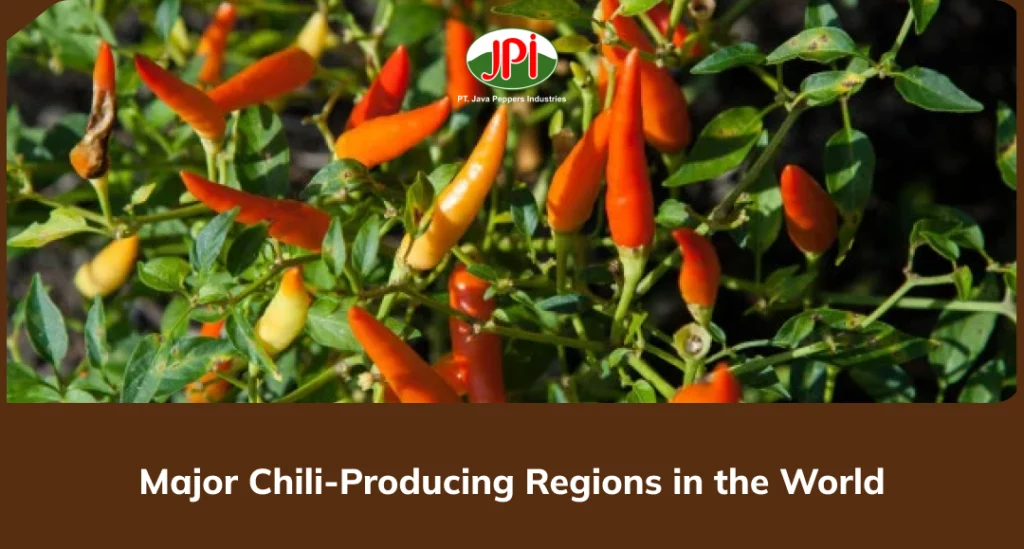
To fully understand Where Does Chili Grow on a global scale, it helps to look at major producing regions around the world. These regions combine favorable climate, suitable soil, and long farming traditions.
Asia is the largest chili-producing continent. Countries like India, China, Thailand, and Indonesia lead global production. Warm temperatures, long growing seasons, and experienced farmers make these regions ideal for chili cultivation. India, in particular, is known for producing both fresh and dried chilies used in domestic and international markets.
In the Americas, Mexico stands out as one of the original homes of chili peppers. The country’s diverse climates allow for many chili varieties, from mild to extremely hot. Other countries such as Peru, the United States, and Brazil also contribute significantly to global chili production.
Africa is another important chili-growing region. Nations like Nigeria, Ethiopia, and Ghana produce chilies suited to hot climates and local cuisines. Many African regions benefit from strong sunlight and fertile soils, supporting steady chili growth.
Southern Europe, including Spain and Italy, grows chilies mainly in warmer coastal areas. These regions focus on specialty chilies used in sauces, powders, and gourmet products.
Across these regions, farmers adapt techniques to local conditions, proving that while chili plants are versatile, optimal results depend on meeting key environmental needs.
Let’s order via the button below now!

Conclusion
Understanding Where Does Chili Grow best depends on climate, soil quality, and proper environmental management. Warm temperatures, good sunlight, well-drained soil, and moderate rainfall are essential. Regions that combine these factors consistently produce healthy, flavorful chilies for global markets.