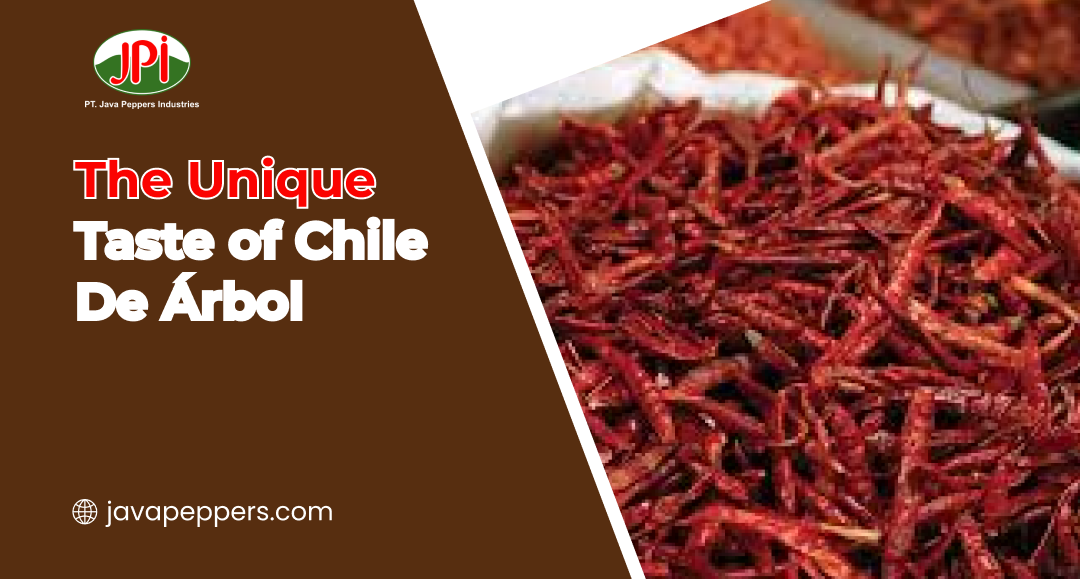
Chile De Árbol Taste – Spicy food lovers around the world are always searching for the perfect balance between heat and flavor. One chili that consistently stands out is Chile De Árbol. Famous for its bright red color and strong kick, the Chile De Árbol taste delivers more than just spiciness but offers depth, clarity, and a slightly smoky character that enhances many dishes. Whether you are new to spicy food or already enjoy bold flavors, understanding this chili can improve your cooking experience.
Chile De Árbol is widely used in Mexican cuisine and is known for its firm texture and vibrant appearance. On the Scoville scale, it typically ranges from 15,000 to 30,000 Scoville Heat Units (SHU), making it significantly hotter than jalapeños but milder than some of the world’s hottest peppers. However, what makes it truly special is its balanced flavor profile.
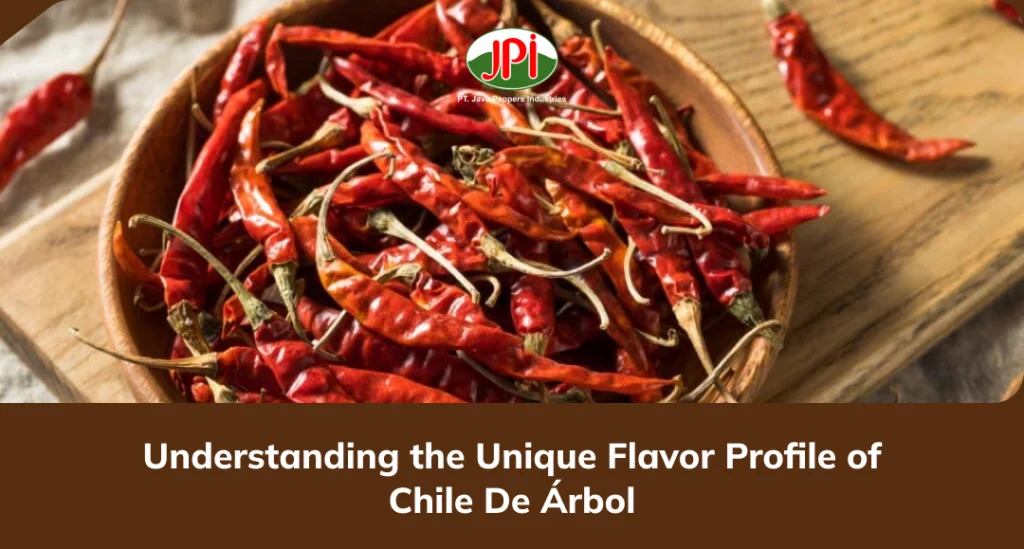
Understanding the Unique Flavor Profile of Chile De Árbol
To fully appreciate this chili, it is important to understand its flavor characteristics. The Chile De Árbol taste is often described as sharp, clean, and slightly smoky, with mild nutty undertones. Unlike some chilies that provide overwhelming heat without much flavor, Chile De Árbol offers a combination of spice and complexity.
1. Clean and Direct Heat
One of its defining qualities is its clean heat. The spiciness is immediate and noticeable but does not linger excessively. This makes it suitable for dishes that require strong heat without masking other ingredients.
2. Mild Smokiness
When dried, Chile De Árbol develops a light smoky aroma. Although it is not as smoky as chipotle peppers, it still adds depth to sauces, soups, and marinades. This subtle smokiness enhances savory dishes without overpowering them.
3. Slight Nutty Notes
When lightly toasted, Chile De Árbol releases aromatic oils that highlight its faint nutty flavor. Toasting should be done carefully for only a few seconds to avoid bitterness. This technique enhances both aroma and overall flavor.
4. Common Culinary Uses
Chile De Árbol is commonly used in salsa roja, chili oils, and spicy sauces. Because it maintains its structure after drying, it is often blended or infused rather than used fresh. Its bright red color also makes dishes visually appealing.
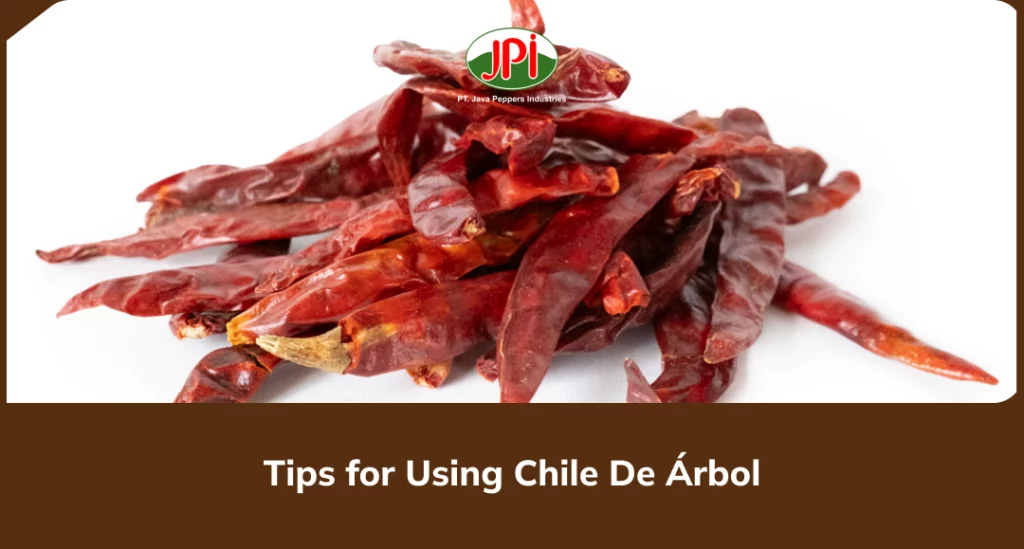
Tips for Using Chile De Árbol
Using Chile De Árbol correctly helps you achieve the best results in your cooking. Below are practical and simple tips:
Toast Lightly Before Use
Place dried chilies in a dry pan over medium heat for 10–20 seconds. Turn them quickly to prevent burning. This step enhances aroma and flavor.
Adjust the Heat Level
If you prefer less spice, remove the seeds and inner membranes before blending. This reduces the intensity while maintaining the signature flavor.
Create Chili Oil
Chile De Árbol is ideal for making chili oil. Heat neutral cooking oil and pour it over crushed dried chilies. Allow it to infuse for several hours before using. The result is a fragrant oil suitable for noodles, rice dishes, grilled meats, and vegetables.
Blend Into Salsas
This chili blends well with tomatoes, garlic, and onions. It provides a vibrant red color and a bold kick without overpowering fresh ingredients.
Proper Storage
Store dried Chile De Árbol in an airtight container in a cool, dry place. Proper storage preserves its heat and flavor for months.
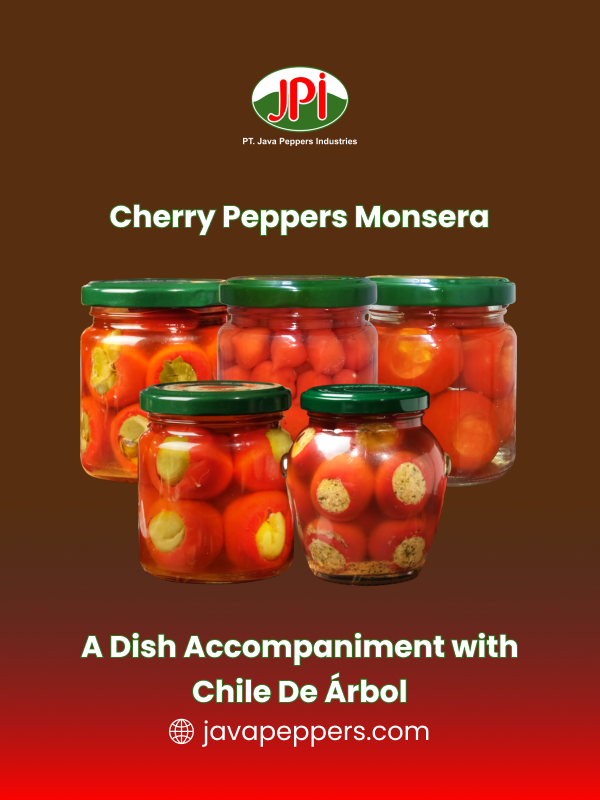
Cherry Peppers Monsera, A Dish Accompaniment with Chile De Árbol
Spicy dishes often benefit from complementary flavors. One suitable accompaniment is Cherry Peppers Monsera. These cherry peppers offer a slightly sweet and tangy profile that balances the heat of Chile De Árbol.
Cherry peppers are round, bright red, and generally milder than Chile De Árbol. Their natural sweetness and gentle heat create contrast when served alongside spicy sauces or chili-based dishes.
The pairing works because it balances heat with sweetness and mild acidity. For example, grilled chicken or roasted vegetables served with Chile De Árbol salsa can be complemented by cherry peppers on the side. The result is a layered flavor experience that remains enjoyable even for those who prefer moderate spice levels.
Cherry peppers can also be added to salads, pasta dishes, or appetizer platters featuring spicy condiments. This combination creates harmony between bold heat and refreshing sweetness.
Let’s order via the button below now!
Conclusion
Chile De Árbol is valued for its clean heat, subtle smokiness, and balanced flavor. The distinctive Chile De Árbol taste enhances sauces, oils, and salsas without overpowering other ingredients. When paired with cherry peppers, it creates a well-balanced and flavorful dining experience suitable for many dishes.
Pequin Pepper Flavor – The pequin pepper flavor is known for its bold heat and complex taste, making it a favorite among spice enthusiasts and culinary professionals alike. Although small in size, this chili delivers a powerful kick along with subtle flavor notes that enhance a wide variety of dishes. Understanding the characteristics of pequin pepper can help you use it effectively in cooking while appreciating its unique qualities.
What Is Pequin Pepper?
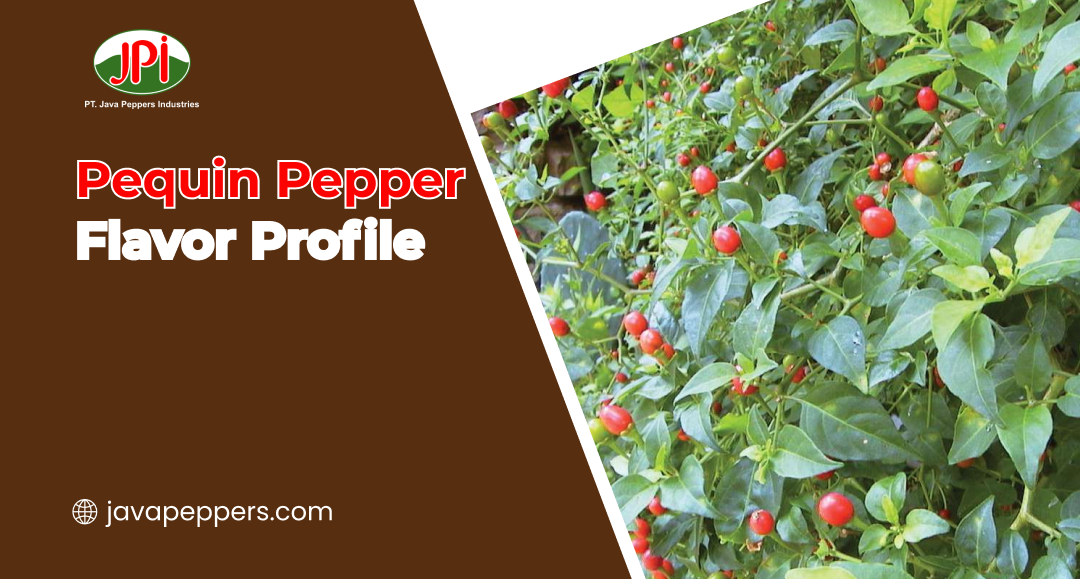
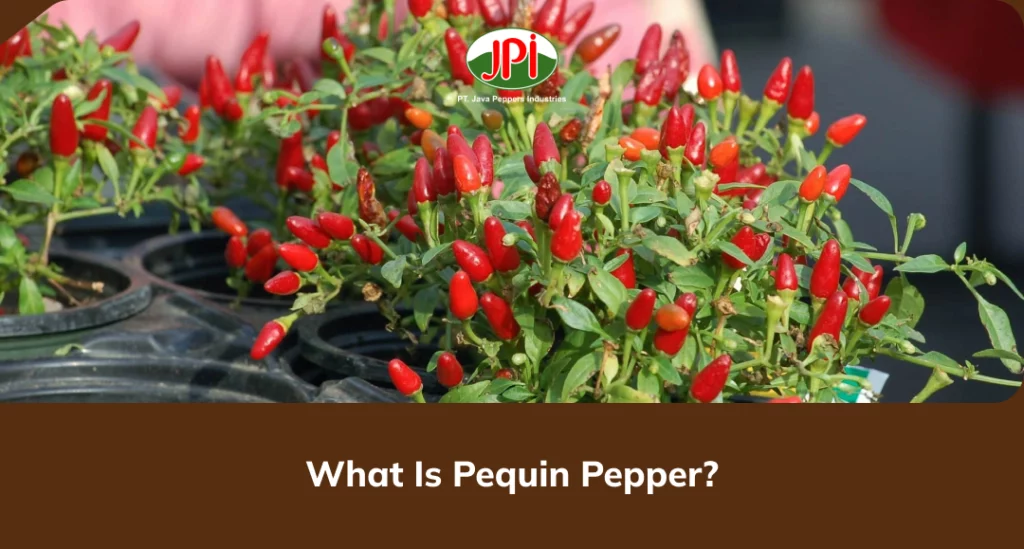
Pequin pepper, often called chile pequín, is a small, fiery chili native to Mexico and parts of the southern United States. It belongs to the species Capsicum annuum, the same species that includes jalapeños and bell peppers. Despite its tiny appearance—typically about half an inch long—pequin pepper is significantly hotter than many common chilies.
On the Scoville Heat Scale, pequin peppers usually measure between 30,000 and 60,000 Scoville Heat Units (SHU). This places them far above jalapeños, which range from 2,500 to 8,000 SHU. The heat is strong but tends to dissipate more quickly than that of some other hot peppers.
Pequin peppers are often confused with chiltepin peppers due to their similar size and origin. However, pequin peppers are slightly elongated and pointed, while chiltepins are rounder. Pequin peppers are commonly sold dried, crushed, or ground into powder, although fresh varieties can also be found in certain regions.
They are widely used in Mexican cuisine, particularly in salsas, soups, stews, and marinades. Because of their intense heat and distinctive taste, they are typically used in small quantities to enhance flavor without overpowering a dish.
Pequin Pepper Flavor Profile
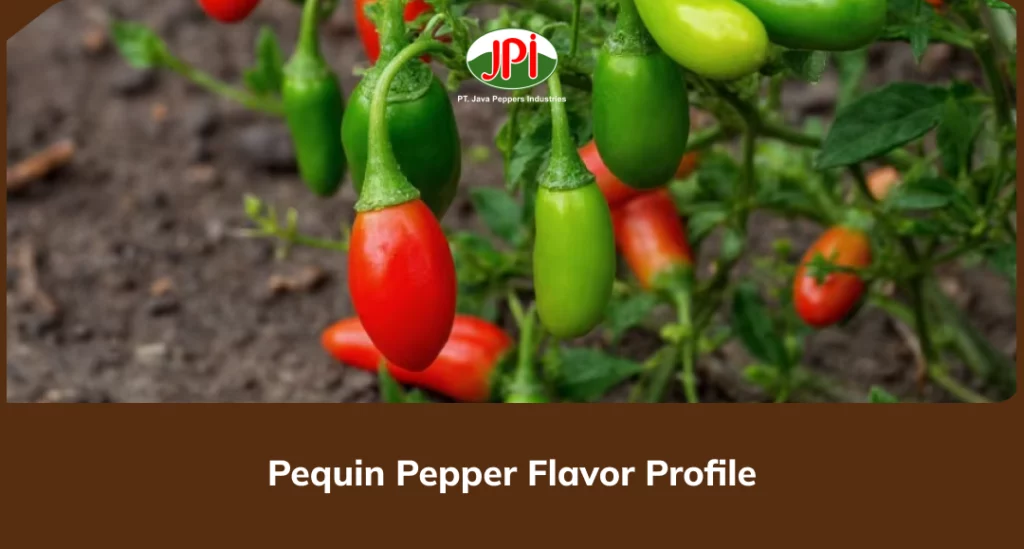
The true appeal of the pequin pepper flavor lies not only in its heat but also in its layered taste. While it is undeniably spicy, it offers more than just sharp intensity.
1. Heat Characteristics
The heat from pequin pepper is immediate and pronounced. It creates a quick burst of spiciness that is strong but relatively short-lived compared to peppers known for their lingering burn. This makes it suitable for dishes where a sharp kick is desired without prolonged heat.
2. Flavor Notes
Beyond its spiciness, the pequin pepper flavor profile includes several subtle characteristics:
A mild smokiness, especially when dried
Slight nutty undertones
A faint citrus-like brightness
An earthy finish that complements savory dishes
These combined elements give pequin pepper depth and complexity. Instead of simply adding heat, it enhances the overall flavor structure of a recipe.
3. Culinary Applications
Due to its bold yet balanced nature, pequin pepper is commonly used in:
Traditional red and green salsas
Chili-based stews
Meat marinades
Pickling solutions
Spiced oils
Crushed dried pequin pepper can also be sprinkled over eggs, roasted vegetables, grilled meats, or soups to add concentrated heat and flavor. Because it is potent, only a small amount is needed.
The versatility of the pequin pepper flavor makes it valuable in both traditional and modern cuisine. It pairs particularly well with garlic, lime, tomatoes, and smoky ingredients.
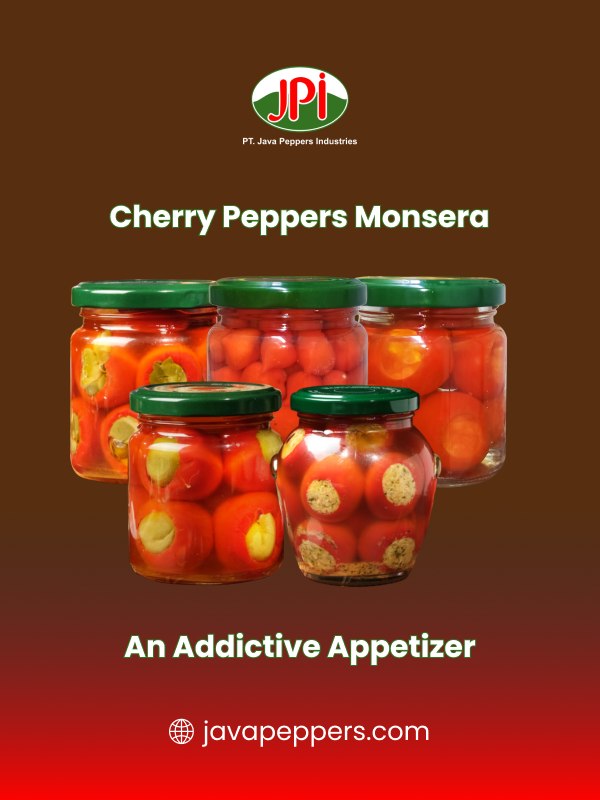
Cherry Peppers Monsera, an Addictive Appetizer
While pequin peppers are known for their intense heat, cherry peppers offer a milder and more approachable spice level. One example is the cherry pepper products from Monsera, which are recognized for their ready-to-serve quality.
Cherry peppers are round, bright red, and moderately spicy. Compared to the strong heat of pequin pepper, cherry peppers provide a gentler warmth with a slightly sweet and tangy taste. This makes them suitable for a wider range of consumers.
Monsera’s cherry peppers are often prepared as appetizers. They may be marinated or stuffed, creating a combination of savory, tangy, and mildly spicy flavors. Because of their balanced profile, they are commonly served:
As part of appetizer platters
Alongside cheeses and cured meats
As toppings for pasta or sandwiches
As additions to salads
The contrast between the intense pequin pepper flavor and the milder character of cherry peppers highlights the diversity among chili varieties. While pequin peppers are ideal for those seeking bold heat, cherry peppers are better suited for casual snacking or entertaining.
Let’s order via the button below now!
Conclusion
The pequin pepper flavor is defined by its sharp heat, subtle smokiness, and earthy complexity. Though small in size, it delivers a significant impact in cooking. Whether used in traditional Mexican dishes or modern recipes, pequin pepper offers both intensity and depth, making it a valuable ingredient for spice lovers.
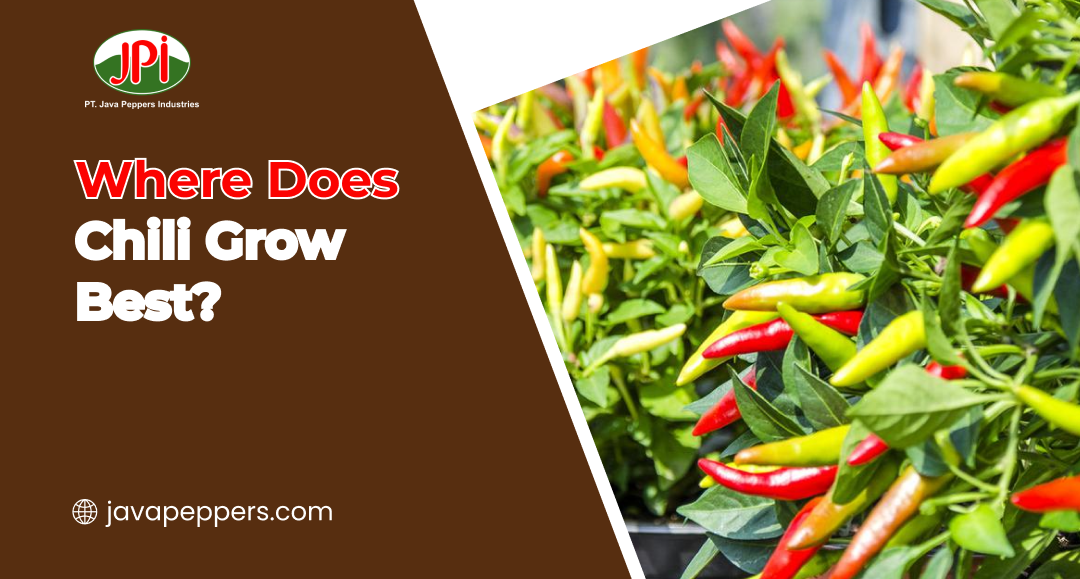
Where Does Chili Grow – Where Does Chili Grow is a question often asked by gardeners, farmers, and even everyday consumers who are curious about where this popular spicy crop thrives. Chili peppers are used worldwide in cooking, medicine, and food processing, making them one of the most valuable crops in global agriculture. Understanding where chili grows best helps explain why some regions produce hotter, healthier, and more abundant chili harvests than others.
Chili plants are surprisingly adaptable, but they still need specific environmental conditions to grow well. From climate and soil quality to regional geography, several factors influence successful chili cultivation.
Ideal Climate Conditions for Chili Growth
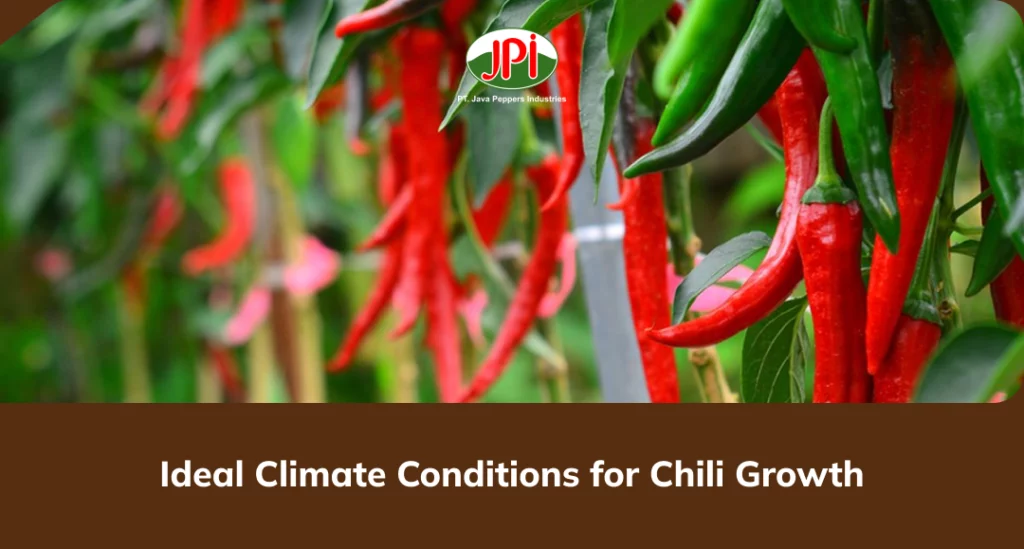
Climate plays the most important role when answering the question: Where Does Chili Grow most successfully? Chili plants originate from tropical and subtropical regions, meaning they thrive in warm environments with plenty of sunlight.
The ideal temperature range for chili growth is between 18°C and 30°C (64°F to 86°F). At these temperatures, chili plants can grow steadily, flower properly, and produce healthy fruits. Temperatures below 15°C can slow growth, while frost can damage or kill the plant entirely.
Sunlight is another key factor. Chili plants need at least 6–8 hours of direct sunlight per day. Sun exposure helps the plant produce energy through photosynthesis, leading to stronger stems, greener leaves, and better fruit development. Areas with long sunny days are often considered the best places to grow chili.
Rainfall also matters. Chili plants prefer moderate and consistent rainfall, ideally between 600–1,200 mm per year. Too much rain can cause root rot and fungal diseases, while drought conditions can stress the plant and reduce yields. This is why well-managed irrigation systems are common in commercial chili farming.
Humidity affects chili growth as well. Moderate humidity supports healthy flowering, but excessive humidity may increase the risk of pests and plant diseases. For this reason, many farmers carefully manage airflow and spacing between plants.
Soil and Environmental Requirements
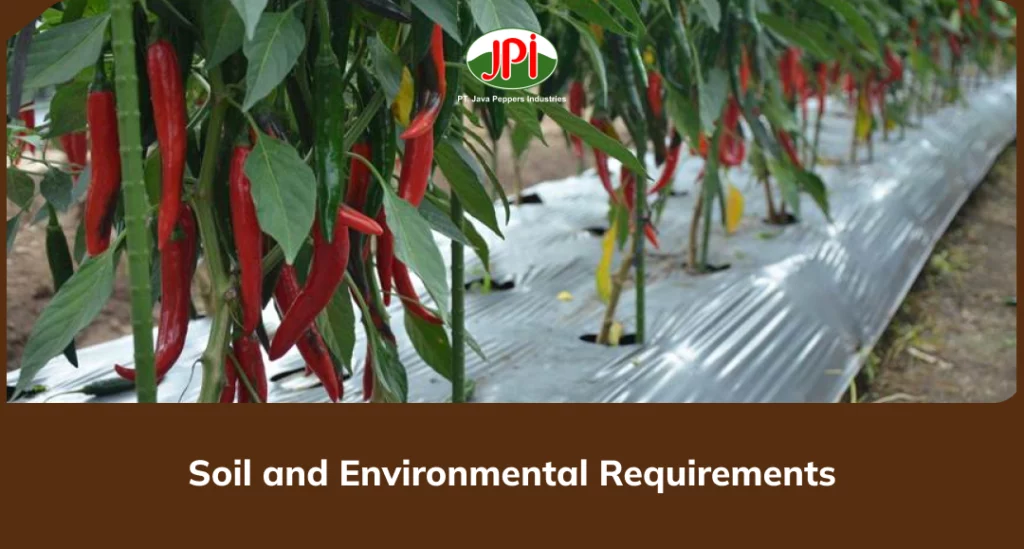
Beyond climate, soil quality strongly influences where chili grows best. Chili plants prefer loose, well-drained soil that allows roots to expand easily and access oxygen. Sandy loam or loamy soil is considered ideal.
Soil pH should be slightly acidic to neutral, typically between 5.5 and 7.0. Soil that is too acidic or too alkaline can limit nutrient absorption, causing slow growth or poor fruit development. Farmers often test soil before planting to adjust pH levels if needed.
Nutrient content is equally important. Chili plants require nitrogen for leafy growth, phosphorus for strong roots and flowers, and potassium for fruit formation. Organic matter such as compost or well-decomposed manure helps improve soil structure and nutrient availability.
Environmental factors like altitude also play a role in chili growing conditions. Low to medium altitudes are generally preferred, although some chili varieties grow well in highland areas with cooler temperatures. These variations explain why different regions produce chilies with unique flavors, sizes, and heat levels.
Proper water management is essential. Chili plants do not tolerate standing water, so good drainage is critical. Raised beds and sloped land are often used to prevent waterlogging.
Major Chili-Producing Regions in the World
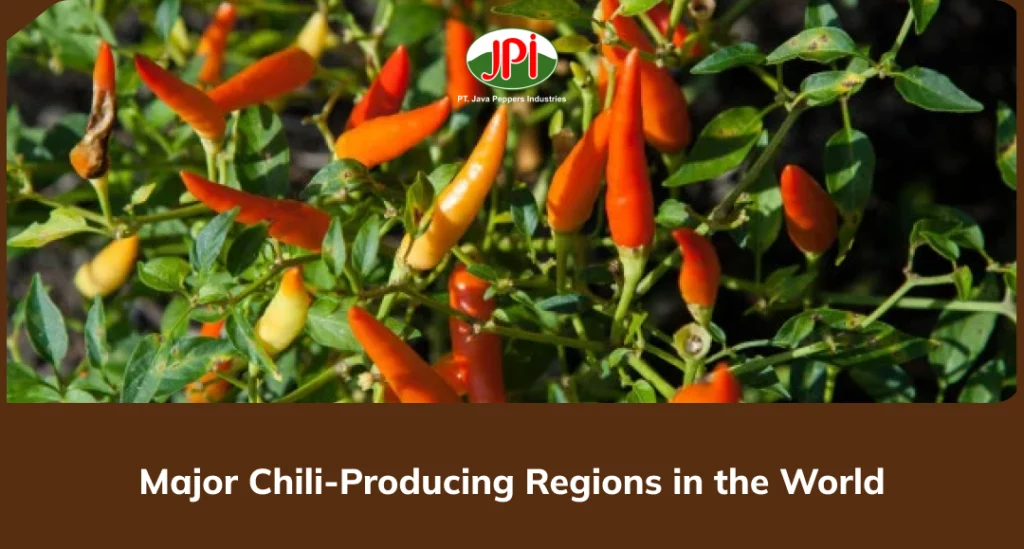
To fully understand Where Does Chili Grow on a global scale, it helps to look at major producing regions around the world. These regions combine favorable climate, suitable soil, and long farming traditions.
Asia is the largest chili-producing continent. Countries like India, China, Thailand, and Indonesia lead global production. Warm temperatures, long growing seasons, and experienced farmers make these regions ideal for chili cultivation. India, in particular, is known for producing both fresh and dried chilies used in domestic and international markets.
In the Americas, Mexico stands out as one of the original homes of chili peppers. The country’s diverse climates allow for many chili varieties, from mild to extremely hot. Other countries such as Peru, the United States, and Brazil also contribute significantly to global chili production.
Africa is another important chili-growing region. Nations like Nigeria, Ethiopia, and Ghana produce chilies suited to hot climates and local cuisines. Many African regions benefit from strong sunlight and fertile soils, supporting steady chili growth.
Southern Europe, including Spain and Italy, grows chilies mainly in warmer coastal areas. These regions focus on specialty chilies used in sauces, powders, and gourmet products.
Across these regions, farmers adapt techniques to local conditions, proving that while chili plants are versatile, optimal results depend on meeting key environmental needs.
Let’s order via the button below now!
Conclusion
Understanding Where Does Chili Grow best depends on climate, soil quality, and proper environmental management. Warm temperatures, good sunlight, well-drained soil, and moderate rainfall are essential. Regions that combine these factors consistently produce healthy, flavorful chilies for global markets.
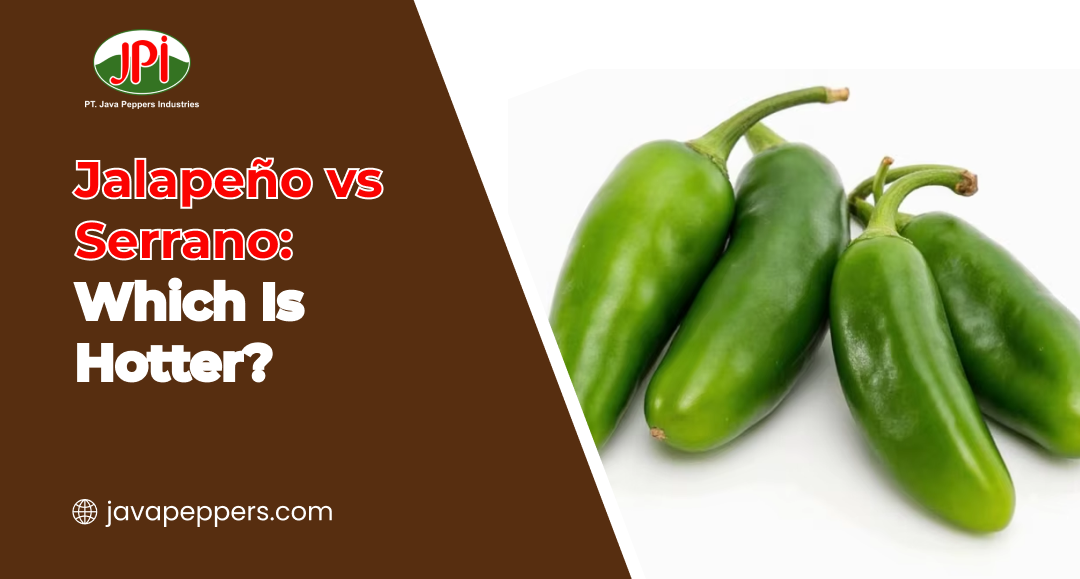
Jalapeño vs Serrano – When it comes to popular chili peppers, few comparisons spark as much curiosity as Jalapeño vs Serrano. Both peppers are widely used in kitchens around the world, especially in Mexican and Tex-Mex cuisine. Many people wonder which one is hotter, how their flavors differ, and when to use each.
If you have ever hesitated at the grocery store or while cooking at home, this guide will help you confidently choose between jalapeño peppers and serrano peppers based on heat, flavor, and culinary use.
Heat Level Comparison: Jalapeño vs Serrano
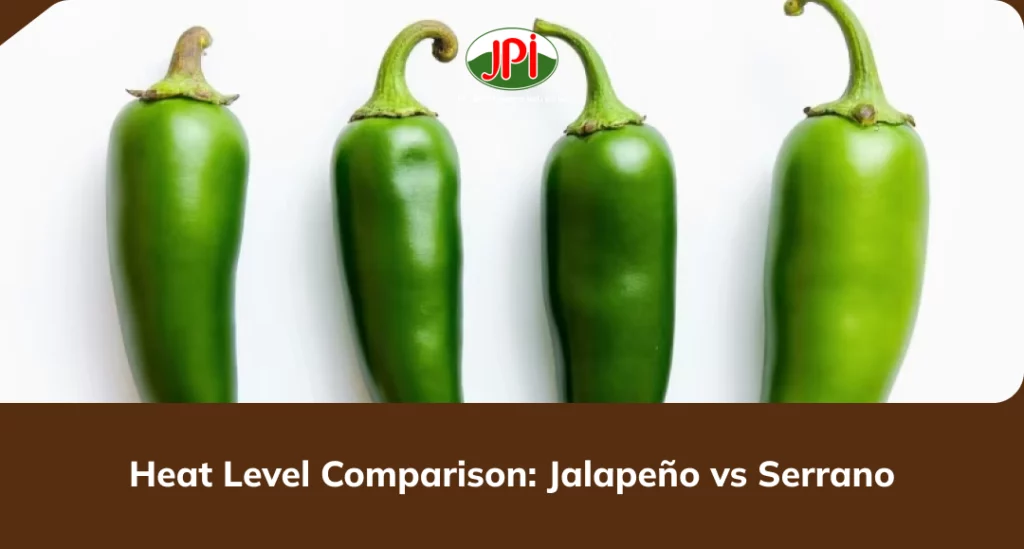
The biggest question in the Jalapeño vs Serrano debate is heat. Chili pepper spiciness is measured using the Scoville Heat Unit (SHU) scale, which indicates how much capsaicin a pepper contains.
Jalapeños usually range from 2,500 to 8,000 SHU, making them moderately spicy but still comfortable for most people. This manageable heat level is why jalapeños are so popular in everyday cooking.
Serrano peppers, on the other hand, are noticeably hotter. They typically measure between 10,000 and 23,000 SHU. That means serranos can be up to three times hotter than jalapeños. While still not extreme, the heat is sharper and more immediate.
In short, if you are sensitive to spice, jalapeños are the safer choice. If you enjoy a stronger kick, serranos deliver more heat without overpowering a dish. When comparing jalapeño vs serrano heat, serrano peppers clearly come out hotter.
Flavor and Texture Differences
Heat is not the only difference when comparing Jalapeño vs Serrano. Flavor and texture also play a big role in how these peppers are used.
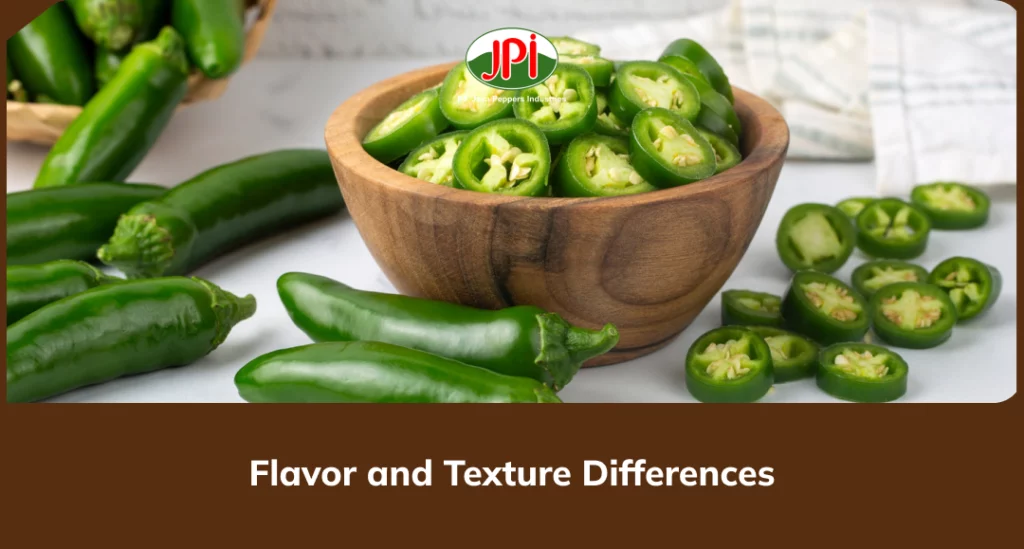
Jalapeños have a mild, slightly sweet, and grassy flavor. When cooked or smoked, they develop a deeper, almost savory taste. Their thick walls and juicy flesh make them ideal for stuffing, slicing, or grilling.
Serrano peppers offer a brighter, crisper, and more pepper-forward flavor. They are less sweet but more intense. Serranos also have thinner walls, which means they release heat and flavor quickly when chopped or blended.
Texture-wise, jalapeños are meatier, while serranos are firmer and crunchier when raw. This makes serranos excellent for fresh salsas where texture matters.
If flavor complexity and crunch are important, serranos may be the better choice. For balance and versatility, jalapeños often win.
Culinary Uses and Best Substitutions
Understanding how each pepper works in cooking is essential when deciding between Jalapeño vs Serrano.
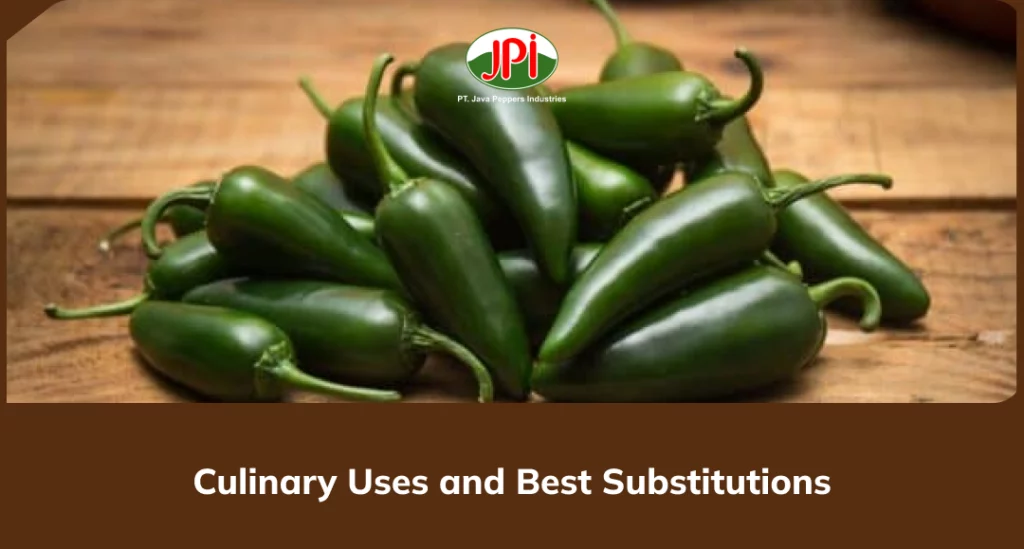
Jalapeños are incredibly versatile. They are commonly used in:
Nachos and tacos
Stuffed pepper recipes
Pickled jalapeños
Sauces and marinades
Because their heat is moderate, jalapeños are great for family-friendly dishes and large servings.
Serrano peppers are often used when a recipe needs more heat without adding extra volume. They work well in:
Fresh salsas and pico de gallo
Hot sauces
Stir-fries
Spicy soups
When substituting one for the other, keep heat in mind. If a recipe calls for serrano peppers and you only have jalapeños, use more jalapeño to compensate for the lower heat. If replacing jalapeños with serranos, use fewer and remove the seeds to control spiciness. This flexibility makes both peppers valuable in home cooking.
Before that, you can enjoy an appetizer first for a more satisfying culinary experience.
A popular appetizer right now is Cherry Peppers. You can try the Cherry Peppers Monsera, which comes in three varieties. Each variant has a different yet equally delicious flavor.
With a delicious appetizer like this, your culinary experience will not only be satisfying but also appetizing.
Let’s order via the button below now!
Conclusion
In the Jalapeño vs Serrano comparison, serrano peppers are clearly hotter, while jalapeños offer milder heat and broader versatility. Both bring unique flavors and textures to the table. Choosing the right one depends on your spice tolerance and the dish you are preparing.
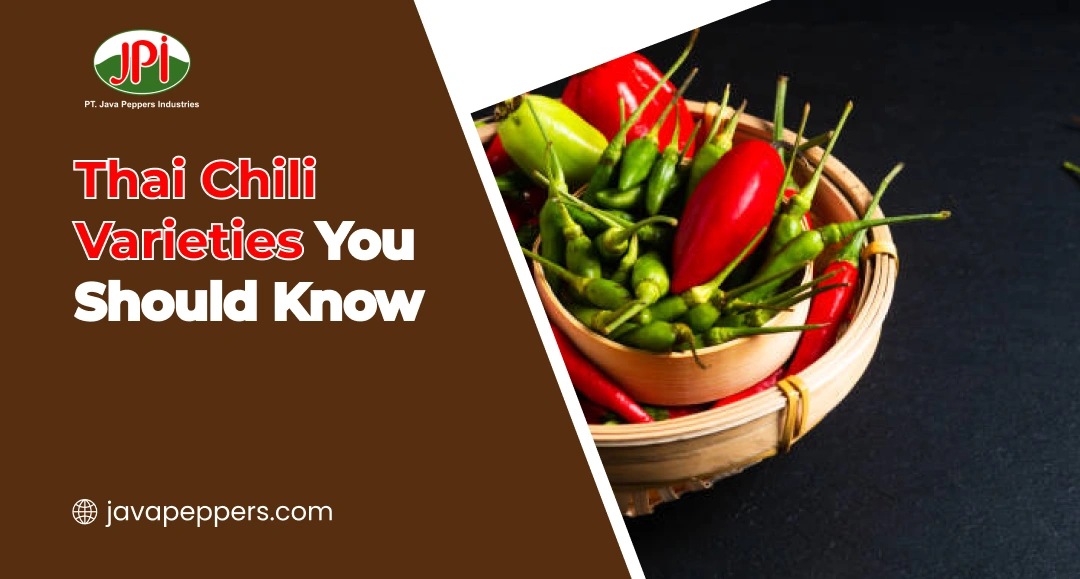
Thai Chili Varieties – When people think about Thai cuisine, one of the first things that comes to mind is its bold and spicy flavor. Behind that signature heat are different Thai Chili Varieties that play an important role in shaping the taste of Thailand’s famous dishes.
These chilies are not just about spiciness—they bring aroma, color, and depth to food. Whether you are a home cook, a food lover, or simply curious about Southeast Asian ingredients, understanding Thai chilies can help you appreciate Thai food on a whole new level.
In this article, we will explore the most popular Thai chili varieties, how they are used in traditional dishes, and how they differ from Indonesian chilies. Let’s dive into the world of Thai chilies and discover why they are so special.
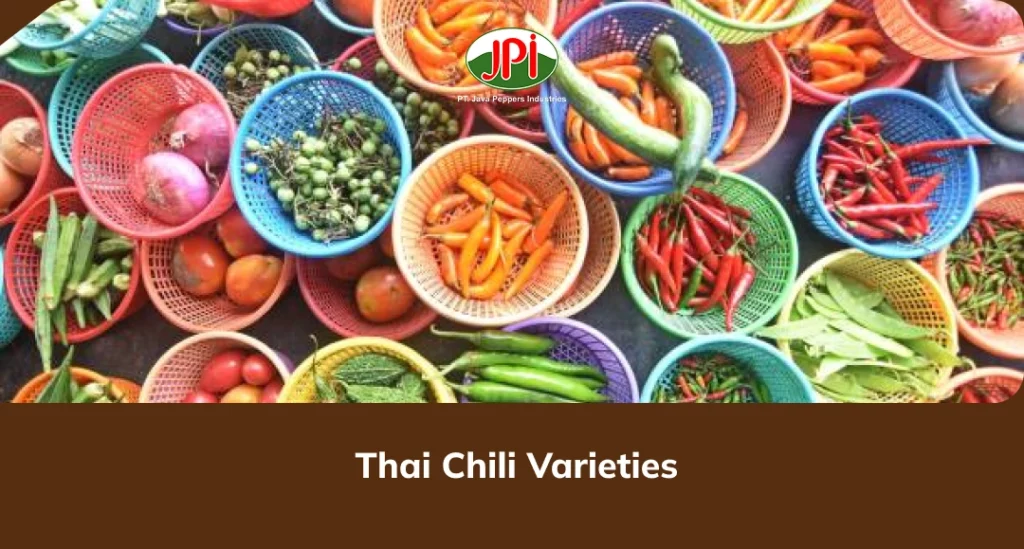
Thai Chili Varieties
Thailand is home to several chili types, each with its own flavor profile, heat level, and culinary use.
Here are some of the most well-known Thai Chili Varieties you should know:
1. Thai Bird’s Eye Chili (Prik Kee Noo)
This is the most famous Thai chili and one of the spiciest. Small in size but extremely powerful, Bird’s Eye chilies can range between 50,000 to 100,000 Scoville Heat Units (SHU). They are commonly green or red and are used fresh, dried, or crushed. Despite their intense heat, they also have a clean, sharp flavor that enhances dishes rather than overpowering them.
2. Prik Chee Fah (Thai Spur Chili)
Longer and milder than Bird’s Eye chilies, Prik Chee Fah is often red and slightly sweet. This chili is popular in stir-fried dishes and chili pastes because it adds color and mild heat without being overwhelming. It is a great choice for people who enjoy flavor more than extreme spiciness.
3. Prik Yuak (Thai Banana Chili)
This chili is large, mild, and often used for stuffing or slicing into dishes for texture. Prik Yuak provides very little heat but adds a fresh, vegetable-like taste. It is commonly found in soups and stir-fries where balance is important.
4. Dried Thai Chilies
Dried versions of Thai chilies are widely used in Thai kitchens. Drying intensifies their flavor and adds a smoky note. These chilies are often ground into flakes or soaked and blended into curry pastes.
Each of these Thai chili varieties serves a specific purpose, proving that Thai cooking is not just about heat, but harmony.
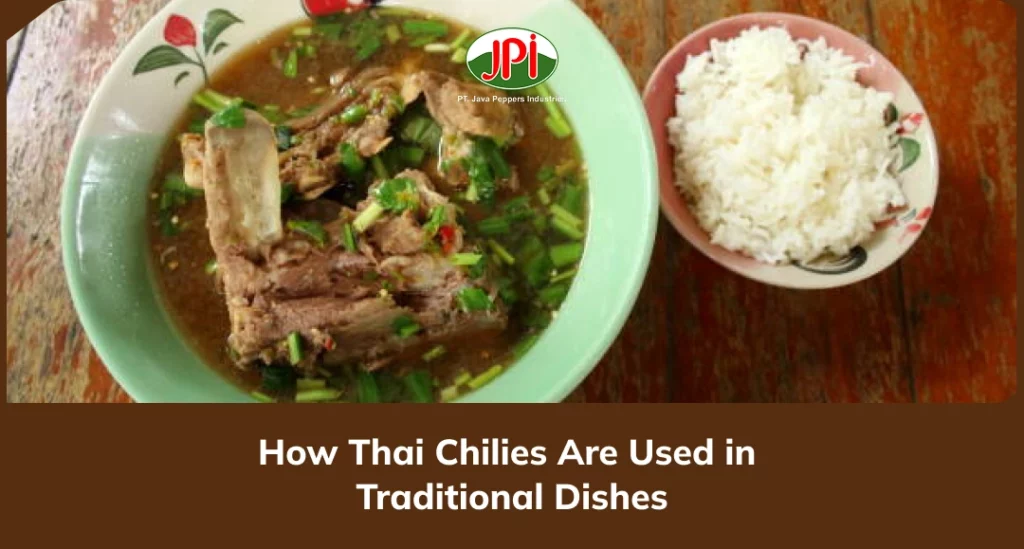
How Thai Chilies Are Used in Traditional Dishes
Thai cuisine is known for its balance of spicy, sour, sweet, salty, and bitter flavors. Thai chilies play a key role in achieving this balance.
In dishes like Tom Yum, Bird’s Eye chilies are crushed to release their heat into the broth, creating a spicy and refreshing soup. For Som Tam (green papaya salad), fresh chilies are pounded with garlic and lime juice, delivering a sharp and vibrant spiciness that wakes up the palate.
Curry pastes such as red curry and green curry rely heavily on dried and fresh Thai chilies. The chilies are blended with herbs and spices to create a rich base that defines the character of the dish. Without the right chili variety, the curry would lose its authentic taste.
Stir-fried dishes like Pad Kra Pao use Thai Bird’s Eye chilies to create a spicy kick that pairs perfectly with basil and savory sauces. Even simple condiments like nam prik (Thai chili dips) showcase how chilies can be the star of the meal.
The beauty of Thai chilies lies in their versatility. They can be used whole, chopped, crushed, dried, or blended, depending on the desired flavor and heat level.
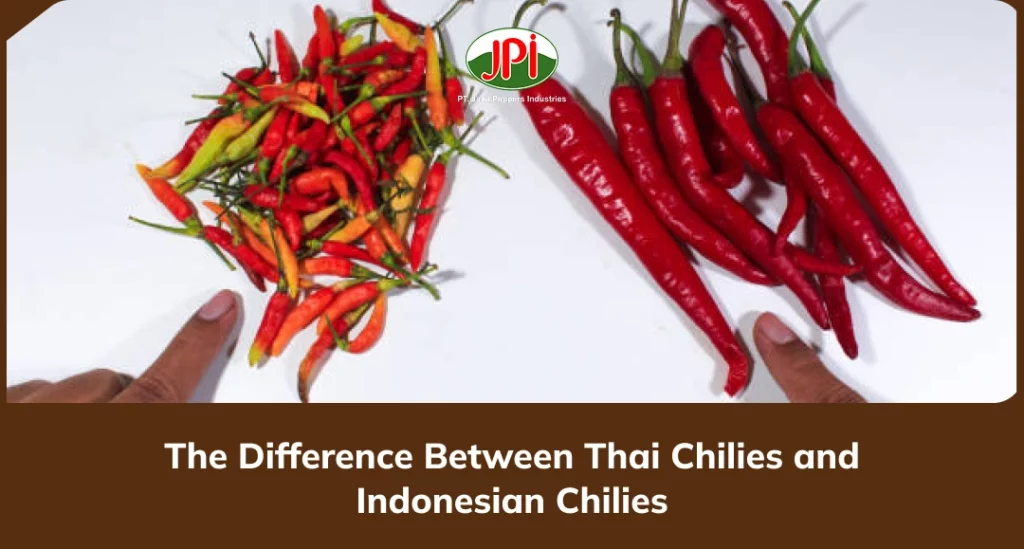
The Difference Between Thai Chilies and Indonesian Chilies
While Thai and Indonesian cuisines both love spicy food, there are clear differences between Thai chilies and Indonesian chilies.
Thai chilies, especially Bird’s Eye chilies, are generally smaller but much hotter. Their heat is sharp and immediate, making them ideal for quick-cooking dishes and fresh applications. They also tend to have a cleaner, brighter flavor.
Indonesian chilies, such as cabai merah and cabai rawit, vary widely in size and heat. Many Indonesian chilies have a deeper, slightly sweeter taste and are often cooked longer in oil to develop richness. Indonesian sambals usually rely on slow cooking, which gives the chilies a more complex and mellow heat.
Another difference is usage. Thai cuisine often uses chilies fresh to highlight natural heat, while Indonesian cooking frequently involves frying or roasting chilies to enhance aroma and depth.
Understanding these differences can help cooks choose the right chili for the right dish, especially when experimenting with Southeast Asian recipes.
Let’s order via the button below now!
Conclusion
Thai chilies are more than just spicy ingredients—they are essential elements that define Thai cuisine. By learning about different Thai Chili Varieties, how they are used in traditional dishes, and how they compare to Indonesian chilies, you gain a deeper appreciation for Thai food culture.
If you enjoy bold flavors and love exploring new ingredients, Thai chilies are definitely worth knowing. With the right knowledge, you can bring authentic Thai heat and flavor into your own kitchen and experience the true essence of Thai cooking.