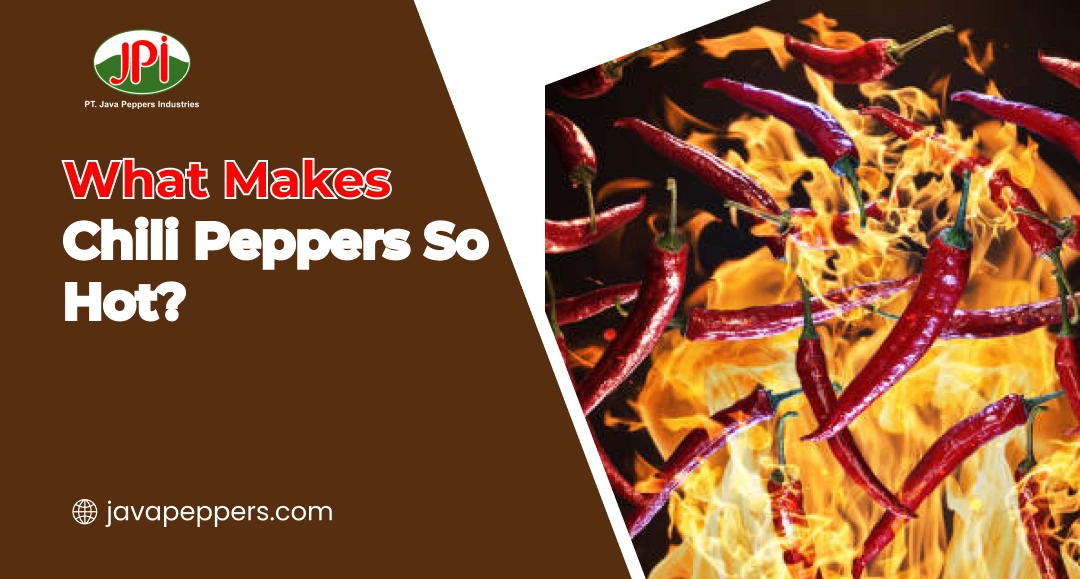
What Makes Chili Hot – What makes chili hot is a question many food lovers ask, especially when their tongue starts to tingle and sweat begins to form. In short, chili peppers are hot because of a group of naturally occurring chemical compounds called capsaicinoids, with capsaicin being the most powerful. These compounds interact with pain receptors in our mouths, tricking our brains into sensing heat even though there’s no actual rise in temperature.
Let’s explore this fascinating topic more deeply in a way that’s easy to understand, whether you’re a seasoned chef or someone who just likes a little spice on their food.
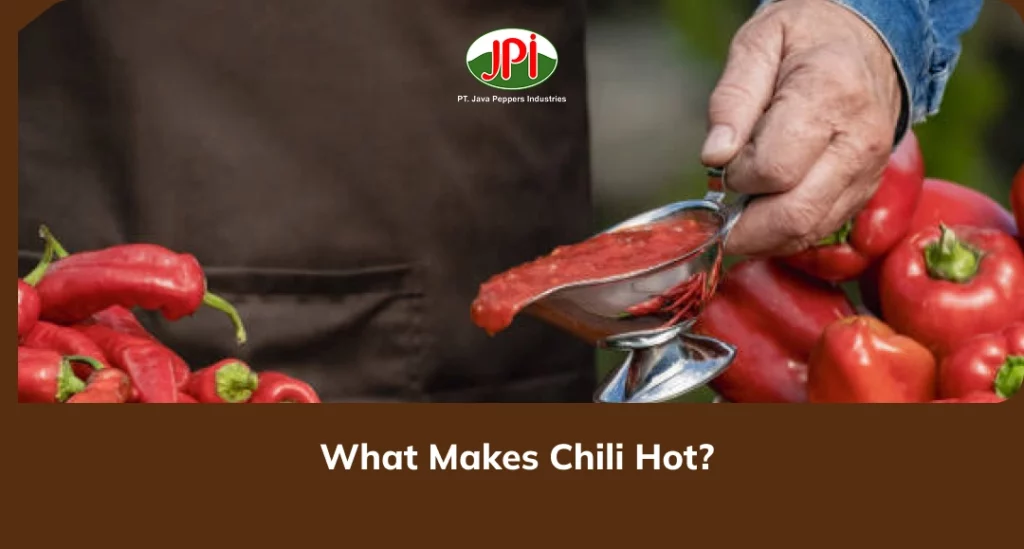
What Makes Chili Hot?
Chili peppers are famous around the world for adding bold flavor and fiery heat to food, but what really causes that burning sensation? The answer lies in the pepper’s natural defense system. Chili plants produce capsaicinoids, a group of chemical compounds, to protect themselves from certain animals and fungus.
When you bite into a chili, the capsaicinoids bind to pain receptors in your mouth called TRPV1 receptors. These receptors normally respond to high temperatures (above 42°C or 108°F), so the brain interprets this chemical reaction as heat, causing that familiar fiery sensation.
Capsaicin does not dissolve in water, which is why drinking water after eating spicy food often doesn’t help much. Instead, capsaicin binds more easily to fats and oils. That’s why milk, yogurt, or even peanut butter can be more effective at calming the heat than water. This unique chemical reaction explains what makes chili hot — it’s not a physical temperature but a chemical trigger that tricks your brain.
Capsaicin levels vary widely among different chili peppers. These levels are measured on the Scoville Scale, a method developed to estimate how spicy a pepper feels. A mild bell pepper has a Scoville rating of zero because it contains little or no capsaicin, while some of the world’s hottest peppers, like the Carolina Reaper or Trinidad Moruga Scorpion, score over a million Scoville Heat Units (SHU). This wide range in heat makes chili peppers exciting for cooks, food challenges, and science enthusiasts alike.
Beyond spiciness, chili peppers offer exciting flavors — fruity, smoky, earthy, or even slightly sweet. That’s why chefs use them in cuisines worldwide, from Mexican salsas to Thai curries and Korean kimchi. So while the heat might get the most attention, the full experience of chili peppers goes far beyond the burn.
Why Some Chili Peppers Are Hotter Than Others?
Not all chili peppers are created equal. The spooky question many people ask is, “Why are some chili peppers hotter than others?” The answer boils down to genetics, growing conditions, and evolutionary purpose.
1. Genetics
Each variety of chili pepper has its own genetic blueprint that determines how much capsaicin it can produce. Some peppers, like bell peppers, simply lack the genetic machinery to make capsaicin in significant amounts. Others, like habaneros or ghost peppers, have genes that are very good at producing capsaicinoids. Just as genetics influence traits like height in humans, they also determine the heat potential in peppers.
2. Environment and Growing Conditions
Where and how a chili pepper is grown also plays a big role in how hot it becomes. Mild stress on the plant — like limited water or high sunlight — can cause it to produce more capsaicin. This is part of the plant’s natural defense system: in harsher environments, the plant boosts its chemical defenses to survive. So a pepper grown in dry, sunny conditions might be hotter than the same variety grown in cooler, wetter weather.
Soil quality also matters. Nutrient-rich soil encourages healthy plant growth, while certain nutrient limitations may stimulate more capsaicin production. Altitude and temperature can play a role too. Though the science isn’t simple, many farmers and gardeners know from experience that peppers grown in warmer climates often develop more heat than those in cooler regions.
3. Maturity at Harvest
The stage at which a pepper is harvested influences its heat. As peppers ripen on the plant, they often accumulate more capsaicin, becoming hotter the longer they stay on the vine. That’s why fully ripe red peppers typically taste spicier than their green, unripe counterparts.
4. Evolutionary Purpose
From an evolutionary perspective, capsaicin helps protect the pepper plant from certain animals and microbes. Many mammals find the heat unpleasant, so they avoid eating the peppers. Birds, however, are not sensitive to capsaicin and can eat the peppers without discomfort, helping to spread the seeds far and wide. Nature’s way of cooperation through chemistry results in the fascinating range of heat levels we see today.
5. The Experience of Heat
The heat from chili peppers isn’t just physical; it creates a sensory experience. When capsaicin binds to receptors in your mouth, it releases endorphins — your body’s natural painkillers. That’s why some people love the thrill of spicy food; it’s not just heat, but also a rush of feel-good chemicals. Over time, regular chili eaters may even build a tolerance, needing hotter peppers to get the same sensation.
Recommendations For Delicious Chili Sauce With Different Levels Of Spiciness
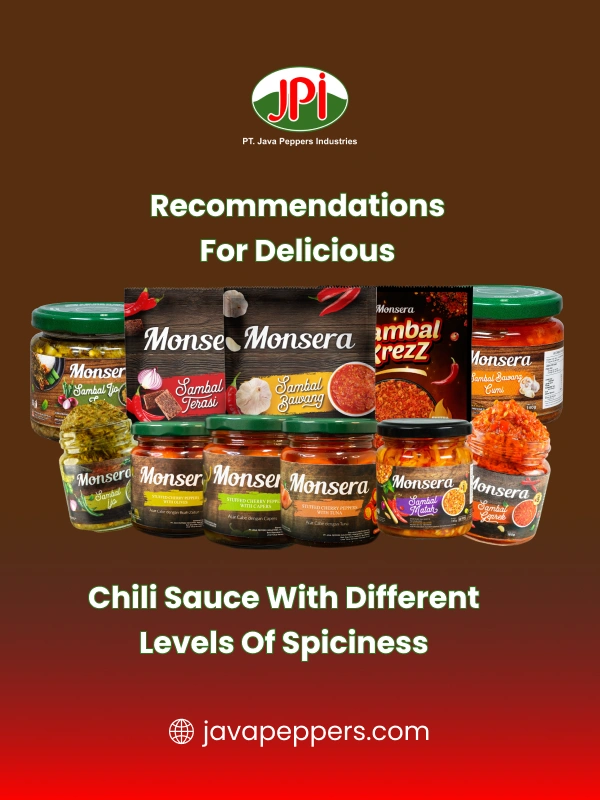
Here are some tasty chili sauce recommendations with different levels of spiciness from Monsera. Chili Garlic Sauce delivers bold, intense heat blended with rich garlic flavor, making it perfect for spicy food lovers. Chili Terasi Sauce offers a deep, savory heat with fermented shrimp paste notes. Chili Geprek Sauce provides a stronger crushed-chili kick for maximum spiciness. Chili Green Sauce has a fresher, milder heat using green chilies. Meanwhile, Chili Matah Sauce combines spicy freshness with aromatic ingredients, creating a balanced and flavorful chili experience for everyday meals.
Let’s order via the button below now!
Conclusion
So, what makes chili hot is the presence of capsaicinoids, especially capsaicin, which trigger heat and pain receptors in the mouth without raising actual temperature. This natural compound explains why chili peppers create a burning sensation and why their heat levels vary. By understanding what makes chili hot, you can better appreciate different chili peppers and chili sauces, choose the right level of spiciness, and enjoy heat not just as a challenge, but as a flavorful and fascinating culinary experience.
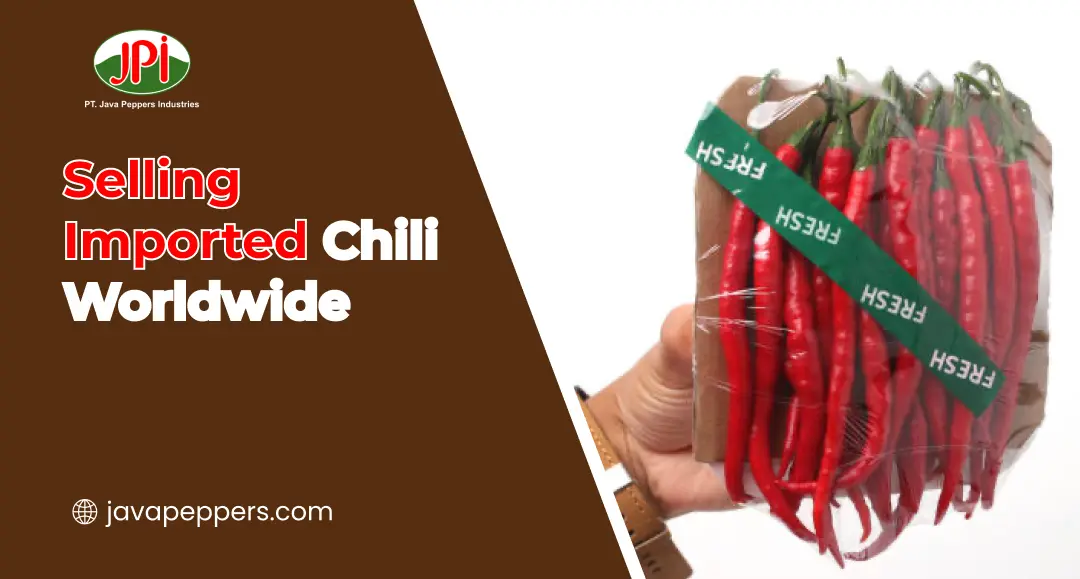
Selling Imported Chili has become a growing opportunity in the global food trade. Today, chili is no longer a local commodity limited to certain regions. Instead, it has become a global ingredient used in everyday cooking.
As food cultures mix across borders, people increasingly enjoy spicy flavors. Because of this trend, international demand for chili continues to rise steadily. This situation creates strong potential for businesses involved in chili imports and exports.
Check out the full explanation in the following article!
Global Market Demand for Imported Chili
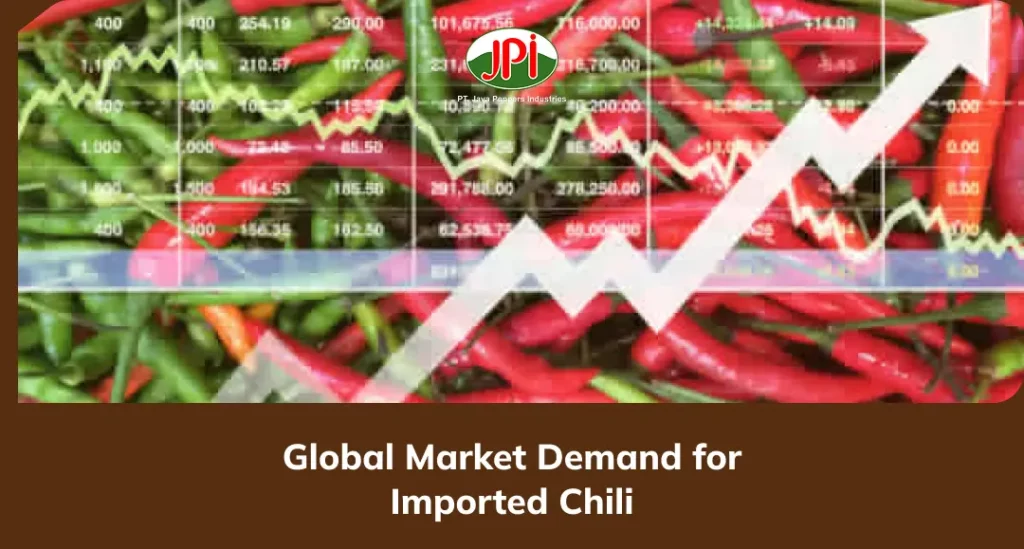
The global market demand for Selling Imported Chili continues to expand each year. One key reason is the rising popularity of spicy food worldwide. Many international cuisines now feature chili as a core ingredient. As a result, consumers actively seek chili products with consistent taste and quality.
Population growth increases overall food consumption. This trend directly affects demand for spices, including chili. Countries with limited agricultural capacity often depend on imported chili to meet domestic needs. Therefore, imported chili plays a crucial role in maintaining supply stability.
Moreover, urban lifestyles influence chili consumption patterns. Many consumers prefer ready-to-use chili products for convenience. Consequently, food manufacturers require steady supplies of imported chili. Restaurants and food chains also rely on imports to maintain flavor consistency across locations.
Another important factor is seasonal production limits. Local chili harvests often fluctuate due to weather conditions. Because of this challenge, imported chili helps stabilize prices and availability throughout the year. This stability benefits both consumers and food businesses.
Furthermore, online trade has opened new doors for chili exporters. Digital platforms allow sellers to reach buyers in different countries more easily. As international trade becomes more accessible, Selling Imported Chili becomes attractive even for small and medium businesses.
Quality Standards and Food Safety Compliance
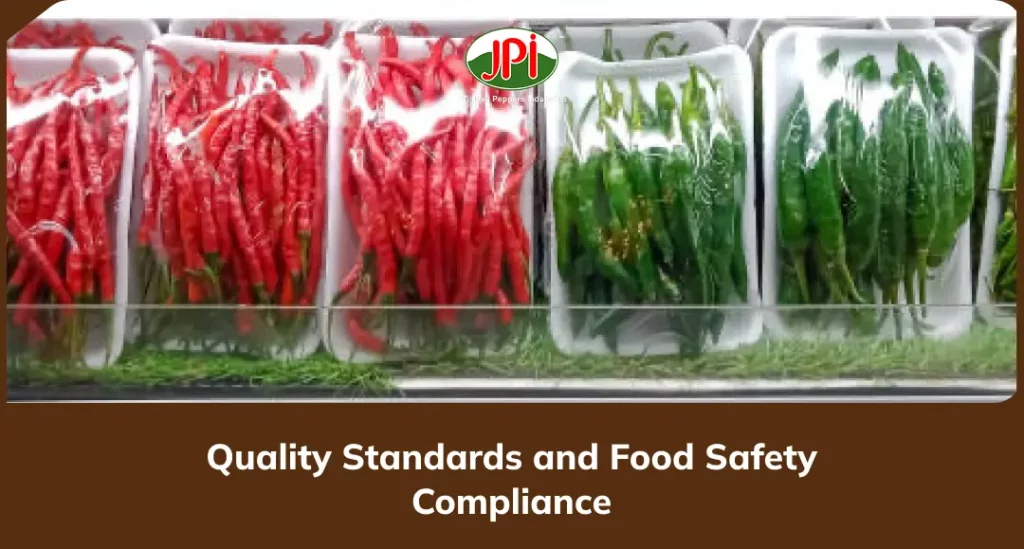
Quality standards play a major role in Selling Imported Chili successfully. Governments and consumers expect food products to meet strict safety requirements. For this reason, chili imports must follow established regulations in each destination market.
Food safety inspections focus on pesticide levels and contamination risks. Authorities carefully test chili products before allowing market entry. Because of these checks, exporters must maintain high production standards. Failure to comply can lead to shipment rejection or financial loss.
Proper handling and processing also affect chili quality. Clean harvesting methods help preserve freshness and flavor. During processing, chili must be dried or packed carefully. These steps prevent mold growth and quality degradation.
Packaging also matters in international trade. Strong and food-grade packaging protects chili during transportation. At the same time, clear labeling helps buyers understand product origin and handling instructions. Accurate information builds trust with importers and retailers.
Moreover, quality consistency strengthens long-term business relationships. Buyers prefer suppliers who deliver the same standards in every shipment. As trust grows, repeat orders become more likely. Therefore, quality assurance directly supports sustainable Selling Imported Chili operations.
Selling Imported Chili
Effective strategies are essential for Selling Imported Chili in competitive markets. First, businesses must understand their target customers. Consumer preferences vary widely between regions. Some markets prefer mild chili, while others demand strong heat. Matching products to local tastes increases sales potential.
Pricing strategy also plays an important role. Competitive pricing attracts buyers, but quality should remain a top priority. A balanced approach helps businesses build credibility and maintain profit margins.
Distribution channels significantly affect market reach. Strong partnerships with distributors and wholesalers improve market access. Reliable logistics ensure timely delivery and product freshness. Especially for fresh chili, efficient transportation helps maintain quality.
Marketing efforts also influence buying decisions. Clear product descriptions help buyers understand chili type, origin, and usage. Visual branding further improves product appeal. Digital marketing platforms provide cost-effective exposure to international audiences.
Customer communication should not be overlooked. Prompt responses and transparent policies strengthen buyer confidence. Over time, strong customer service encourages loyalty and repeat purchases. Monitoring market trends also helps businesses adapt quickly to changing demand.
If you’re looking for instant chili sauce, Monsera Chili Sauce is the best choice. This chili sauce variant is made from fresh, high-quality Indonesian chilies.
Let’s order via the button below now!
Conclusion
Selling Imported Chili offers strong potential in today’s global food industry. Rising demand, changing food habits, and expanding trade channels support continuous market growth. However, success depends on understanding market needs and maintaining high-quality standards.
By focusing on safety, consistency, and strategic planning, businesses can achieve long-term success. With the right approach, Selling Imported Chili can become a stable and profitable global venture. Lastly, don’t forget to order and see you again with other interesting information.
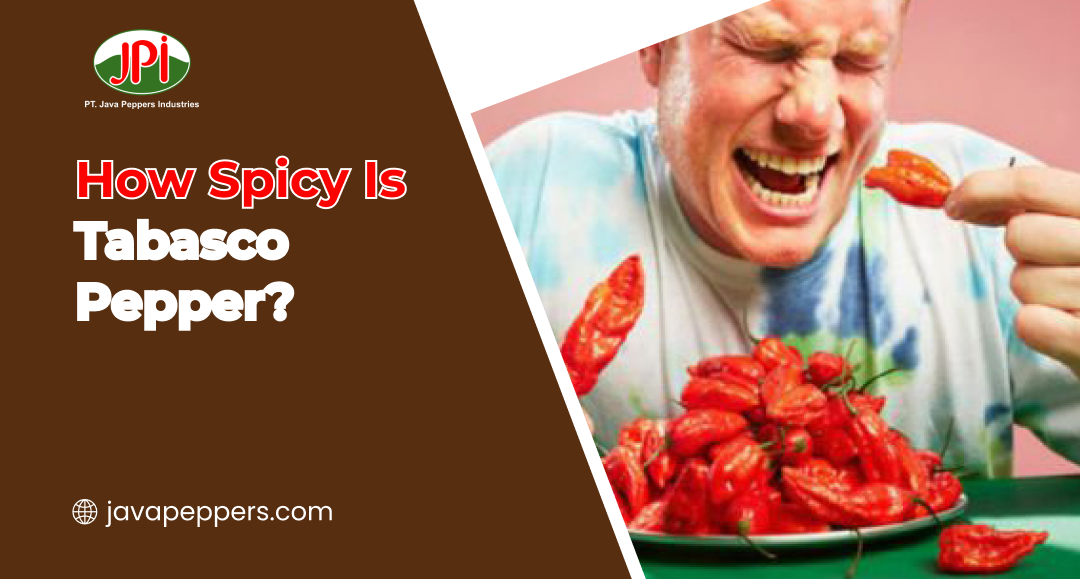
When people hear the word Tabasco, many immediately think of a fiery hot sauce that can burn the tongue. But How Spicy Is Tabasco really, and is it as extreme as many believe? In reality, Tabasco pepper delivers a bold yet balanced heat that enhances food rather than overpowering it. Understanding its spice level can help you enjoy Tabasco more confidently, especially if you are new to spicy flavors.
So, check out the full explanation in the following article!
How Spicy Is Tabasco
To answer the question of exactly how hot Tabasco is, we need to refer to the Scoville Heat Scale, which measures the spiciness of chili peppers based on their capsaicin content. Tabasco peppers typically range from 30,000 to 50,000 Scoville Heat Units (SHU).
By comparison, jalapeño peppers typically range from 2,500 to 8,000 SHU, while habanero peppers can exceed 100,000 SHU. This places Tabasco in the medium to high heat category, where it’s spicy but not extreme.
What makes Tabasco unique is how its spiciness is perceived. Instead of lingering, Tabasco delivers a quick, sharp heat sensation that dissipates relatively quickly. This makes it more easily tolerated by those sensitive to spicy foods.
Furthermore, traditional Tabasco sauce undergoes a fermentation and aging process in oak barrels for up to three years. This aging process smooths out the intense heat and creates a complex flavor that balances spice, acidity, and aroma.
How It’s Used in Cooking
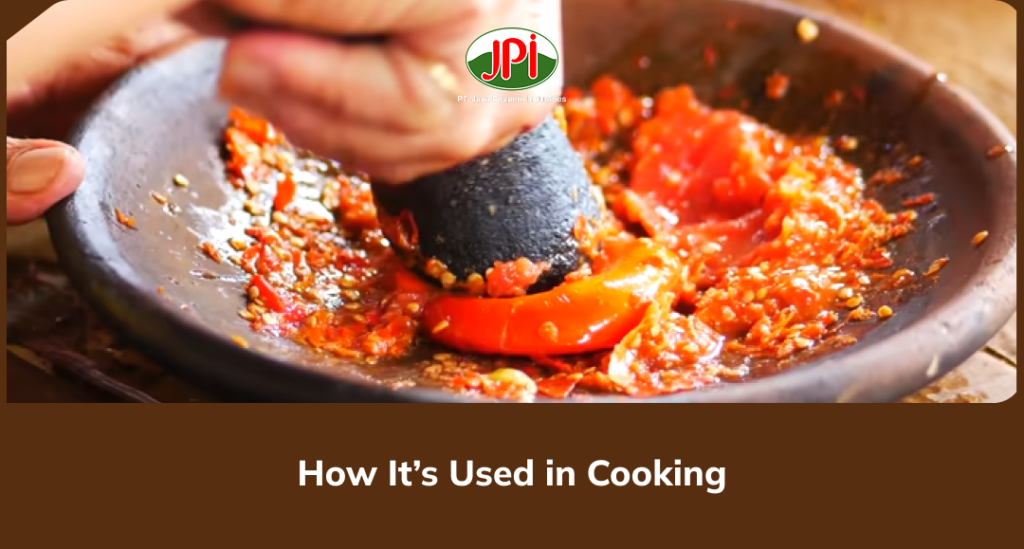
In everyday meals, many people still wonder How Spicy Is Tabasco when used in cooking. The answer largely depends on the amount used. Just a few drops can add warmth and depth without making a dish too hot, while larger quantities significantly increase the spice level.
Tabasco is commonly added to:
Eggs and breakfast dishes
Soups and stews
Fried rice and noodles
Seafood and grilled meats
Because Tabasco is vinegar-based, it does more than add heat. It enhances flavor by cutting through rich or oily foods, making dishes taste lighter and more balanced. This is why it pairs especially well with fried foods, eggs, and pizza.
For home cooks, Tabasco is ideal for controlling spice levels. It spreads evenly through dishes and allows gradual adjustment, making it beginner-friendly. Professional chefs also use Tabasco as a seasoning rather than a main spice, highlighting how effective subtle heat can be.
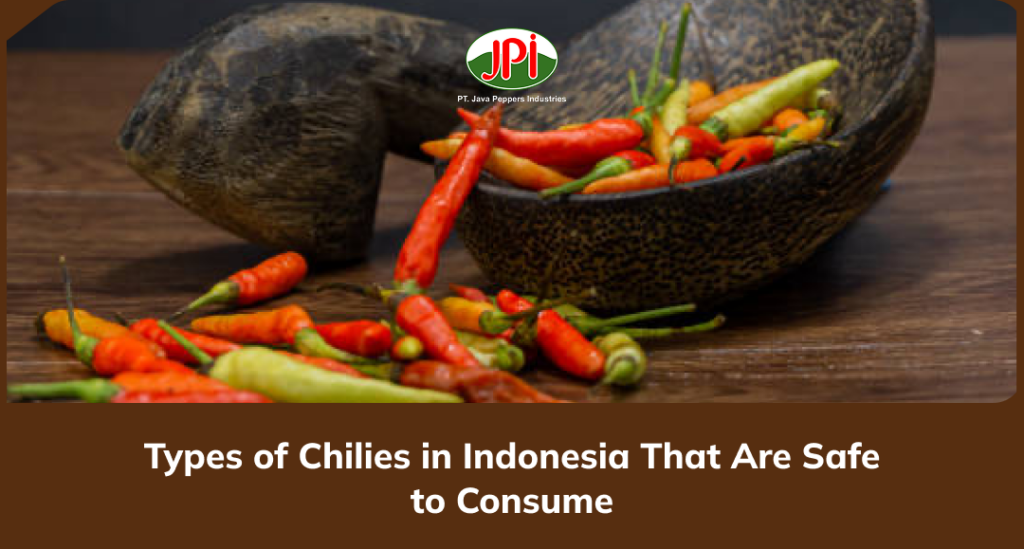
Types of Chilies in Indonesia That Are Safe to Consume
Indonesia is known for its diverse and spicy cuisine, offering many chilies that are safe and widely consumed. When compared to Tabasco pepper, Indonesian chilies vary greatly in heat intensity.
Large Red Chili
This chili is mild, ranging from about 1,000 to 3,000 SHU. It is often used for color and mild flavor rather than heat.
Curly Chili
With a heat level between 5,000 and 15,000 SHU, this chili provides moderate spiciness and is commonly used in daily cooking and sambal.
Bird’s Eye Chili
This chili is much hotter, ranging from 50,000 to 100,000 SHU. In some cases, it can be spicier than Tabasco pepper. Despite its heat, it is safe to consume in small amounts and is very popular in Indonesian cuisine.
Compared to these chilies, Tabasco sits in the middle range. It is hotter than most mild Indonesian chilies but generally less intense than raw bird’s eye chili, offering a more consistent and predictable heat level.
Let’s order via the button below now!
Conclusion
How Spicy Is Tabasco? With 30,000 to 50,000 SHU, it offers bold yet balanced heat, fades quickly, enhances flavor, and suits both beginners and experienced spice lovers. Lastly, don’t forget to order and see you again with other interesting information.
The habanero pepper is widely known as one of the hottest peppers in the world, but its appeal goes far beyond its extreme heat. This small yet potent pepper offers a unique fruity flavor, rich nutrition, and impressive health benefits.
These days, many people are increasingly interested in the health benefits of the habanero pepper, particularly how it can support their well-being when consumed wisely.
Habanero Chili Flavor and Uses
Habanero chili stands out because it combines intense heat with a slightly sweet and fruity taste. Unlike other chilies that only deliver spiciness, habanero adds depth and aroma to dishes. With a heat level ranging from 100,000 to 350,000 Scoville Heat Units, it is significantly hotter than common chilies such as jalapeños.
In everyday cooking, habanero chili is widely used in sauces, salsas, marinades, and spicy condiments. It plays an important role in Mexican, Caribbean, and Latin American cuisine. Due to its strong heat, cooks usually use it in small amounts, allowing its flavor to enhance dishes without overpowering them.
Beyond flavor, habanero chili contributes strongly to Habanero Health Effects through capsaicin, the compound responsible for its heat. Capsaicin may help stimulate metabolism, support circulation, and encourage better digestion when consumed in moderation. This makes habanero chili not only a flavor enhancer but also a functional ingredient.
Habanero chili is also rich in vitamins A and C. Vitamin C supports the immune system and helps the body fight infections, while vitamin A promotes healthy vision and skin. When added carefully to meals, habanero chili delivers both bold flavor and nutritional value.
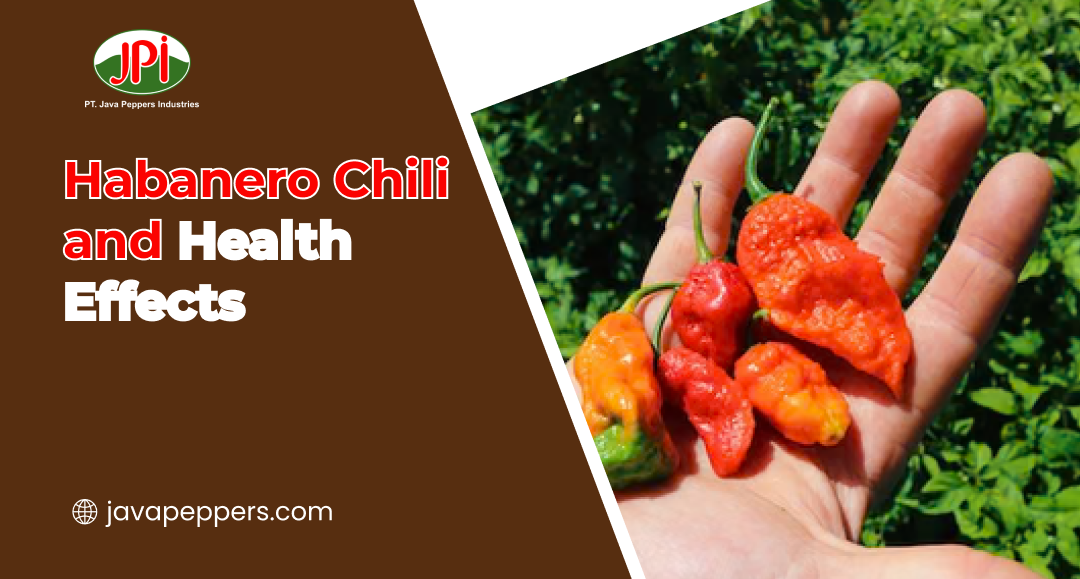
Habanero Health Effects
Understanding Habanero Health Effects helps people enjoy this chili safely and effectively. One of its main benefits is metabolic support. Capsaicin slightly increases body temperature, which may help the body burn calories more efficiently and improve energy use.
Another positive effect relates to mood and pain relief. Capsaicin can trigger the release of endorphins, the body’s natural feel-good hormones. This explains why spicy foods often create a sense of satisfaction or mild euphoria. Capsaicin is also commonly used in pain-relief products for muscles and joints.
Heart health is another area linked to Habanero Health Effects. Capsaicin may help improve blood circulation and reduce inflammation, supporting overall cardiovascular function. Good circulation ensures that oxygen and nutrients move efficiently throughout the body.
Habanero chili may also aid digestion when consumed in moderate amounts. Spicy foods can stimulate digestive enzymes and support gut activity. However, people with sensitive stomachs should consume habanero carefully to avoid irritation. Balance and portion control are essential to enjoying its benefits without discomfort.
In addition, habanero chili contains antioxidants that help protect cells from damage caused by free radicals. These antioxidants play an important role in reducing oxidative stress, which is linked to aging and chronic health conditions.
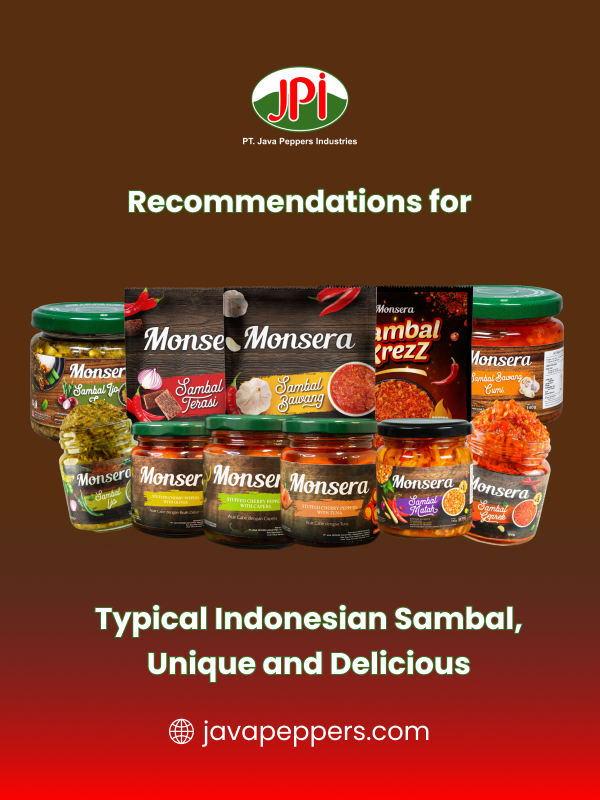
Recommendations for Typical Indonesian Sambal, Unique and Delicious
Indonesian sambal is a topic of discussion, particularly relevant for its spicy chili flavor and its health benefits when consumed in moderation. Traditional sambal recipes combine fresh chilies, garlic, shallots, and natural ingredients that enhance flavor while supporting digestion and metabolism.
Some modern sambal variations even combine local chilies with super-hot chilies, creating a strong yet delicious level of spiciness. This balance allows spicy food lovers to enjoy the intense flavor without sacrificing the richness of the dish.
Indonesian sambal offers a unique and delicious way to enjoy chili-based dishes while also aligning with the health benefits of Habanero sauce discussed above.
For a more practical option, you can consume Sambal Monsera with five variations. Each variant has a different level of spiciness, allowing you to adjust it to suit your individual needs. The unique and delicious flavor is addictive, thanks to the fresh and high-quality ingredients used.
Let’s order via the button below now!
Conclusion
Habanero chili is far more than just a source of extreme heat. Its fruity flavor, versatile culinary uses, and impressive nutritional profile make it a valuable addition to a balanced diet. By understanding Habanero Health Effects, people can enjoy this chili responsibly and confidently. When used in moderation, habanero chili and spicy dishes like Indonesian sambal can add excitement to meals while supporting metabolism, immunity, and overall well-being. Lastly, don’t forget to order and see you again with other interesting information.
The Trinidad Scorpion Pepper has impressed chili lovers worldwide, and it continues to draw attention for its intense heat. Moreover, its distinct flavor inspires many cooks who enjoy experimenting with spice.
Although the pepper is extremely hot, it can still be enjoyed safely with proper guidance. Therefore, this article helps beginners understand its traits, uses, and essential handling practices, while also offering practical insights that support confident, mindful, and enjoyable cooking experiences for anyone exploring super-hot peppers for the first time.
So, read the following article until the end, okay!
Trinidad Scorpion Pepper
The Trinidad Scorpion Pepper is known as one of the world’s hottest peppers, and it consistently fascinates heat enthusiasts. Additionally, it often measures above 1.2 million Scoville Heat Units, which places it in the super-hot category. Despite its intensity, the pepper offers a fruity aroma that enhances many recipes.
Its scorpion-like tail inspires its memorable name, and this appearance makes the pepper easy to identify. Furthermore, its bright red color signals full ripeness and strong flavor. Because of this, sauce makers often choose mature pods for the best results.
The pepper provides floral and sweet notes, and this combination creates a deeper flavor beyond the heat. However, beginners must handle it carefully, because even tiny amounts can overwhelm a dish. When used thoughtfully, the pepper elevates marinades, stir-fries, stews, and premium hot sauces.
The plant thrives in warm climates, and its growth requires patience and consistent care. Moreover, growers usually start seeds indoors, since germination may take longer than other varieties. Once mature, the plant produces vibrant pods that attract chili collectors worldwide. Although the pepper is extremely strong, it remains enjoyable when used with proper caution.
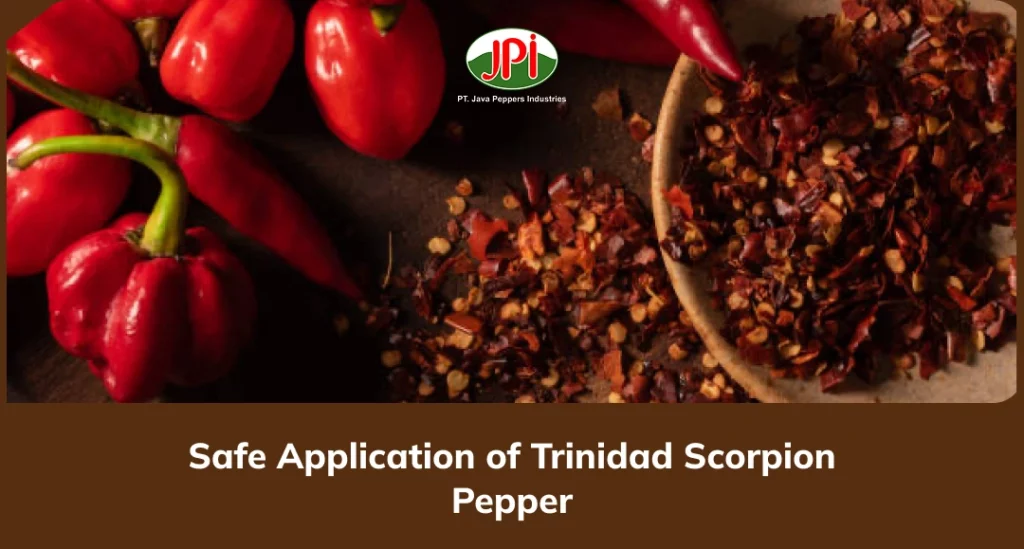
Safe Application of Trinidad Scorpion Pepper
The safe application of Trinidad Scorpion Pepper should always be practiced, and simple precautions can prevent discomfort. First, gloves must be worn during handling, and this protects the skin from irritation. Additionally, cutting tools should be washed immediately, because residue can cause accidental burns.
Only small portions should be added to meals, and this helps maintain manageable heat levels. Moreover, beginners should taste slowly, since the pepper’s heat often intensifies after several seconds. Adequate ventilation is also important, because cooking fumes may irritate the eyes and nose.
If skin contact happens, milk or oil can be applied, and this method reduces the burning sensation more effectively than water. Also, airtight storage is recommended, because it keeps the pepper fresh while limiting exposure. Dried or powdered forms are often easier to control, and many beginners prefer these versions for safer use.
Despite its extreme heat, the pepper remains enjoyable for anyone who respects its strength. Thus, proper handling ensures a safe and exciting cooking experience.
Monsera Chili Sauce, Authentic Indonesian Chili Sauce
Monsera Chili Sauce is crafted to represent authentic Indonesian flavors, and it offers a smooth balance of heat and richness.
Additionally, the sauce is suitable for daily use, which makes it ideal for beginners exploring spicy food. Although Indonesian cuisine is known for bold chilies, Monsera focuses on gentle heat rather than overwhelming intensity.
The sauce pairs well with noodles, rice, and fried dishes, and this versatility makes it a convenient kitchen choice. Moreover, its silky texture blends easily with recipes, which helps maintain consistent flavor. Because of its balanced character, Monsera becomes a reliable option for those who want enjoyable spice without extreme heat.
Let’s order via the button below now!
Conclusion
The Trinidad Scorpion Pepper delivers extreme heat and rich flavor, and it becomes enjoyable with proper care. Meanwhile, Monsera Chili Sauce offers accessible spice for daily meals, and creating a complete culinary experience. Lastly, don’t forget to order and see you again with other interesting information.