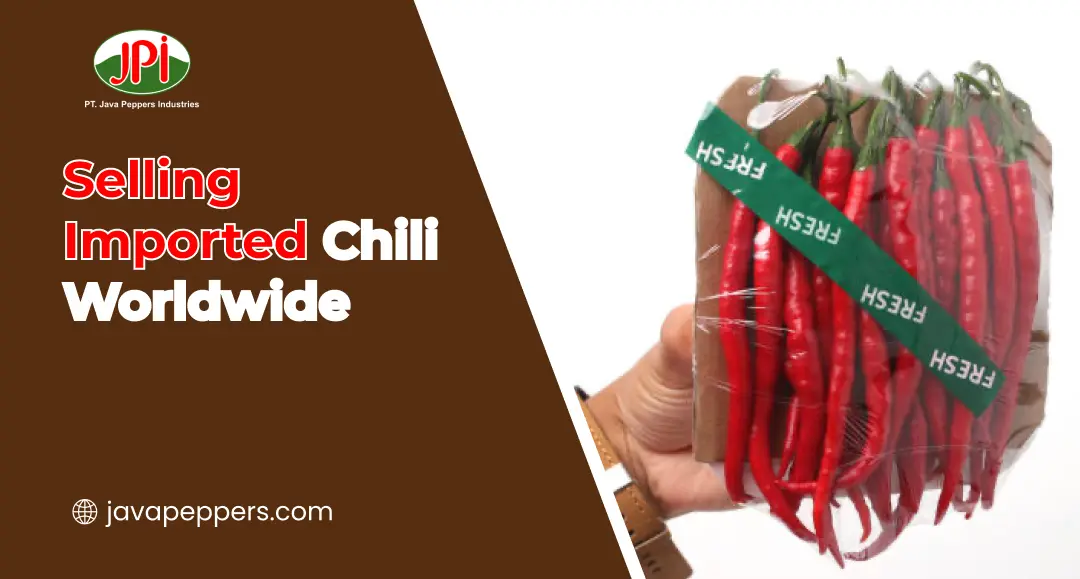
Selling Imported Chili has become a growing opportunity in the global food trade. Today, chili is no longer a local commodity limited to certain regions. Instead, it has become a global ingredient used in everyday cooking.
As food cultures mix across borders, people increasingly enjoy spicy flavors. Because of this trend, international demand for chili continues to rise steadily. This situation creates strong potential for businesses involved in chili imports and exports.
Check out the full explanation in the following article!
Global Market Demand for Imported Chili
The global market demand for Selling Imported Chili continues to expand each year. One key reason is the rising popularity of spicy food worldwide. Many international cuisines now feature chili as a core ingredient. As a result, consumers actively seek chili products with consistent taste and quality.
Population growth increases overall food consumption. This trend directly affects demand for spices, including chili. Countries with limited agricultural capacity often depend on imported chili to meet domestic needs. Therefore, imported chili plays a crucial role in maintaining supply stability.
Moreover, urban lifestyles influence chili consumption patterns. Many consumers prefer ready-to-use chili products for convenience. Consequently, food manufacturers require steady supplies of imported chili. Restaurants and food chains also rely on imports to maintain flavor consistency across locations.
Another important factor is seasonal production limits. Local chili harvests often fluctuate due to weather conditions. Because of this challenge, imported chili helps stabilize prices and availability throughout the year. This stability benefits both consumers and food businesses.
Furthermore, online trade has opened new doors for chili exporters. Digital platforms allow sellers to reach buyers in different countries more easily. As international trade becomes more accessible, Selling Imported Chili becomes attractive even for small and medium businesses.
Quality Standards and Food Safety Compliance
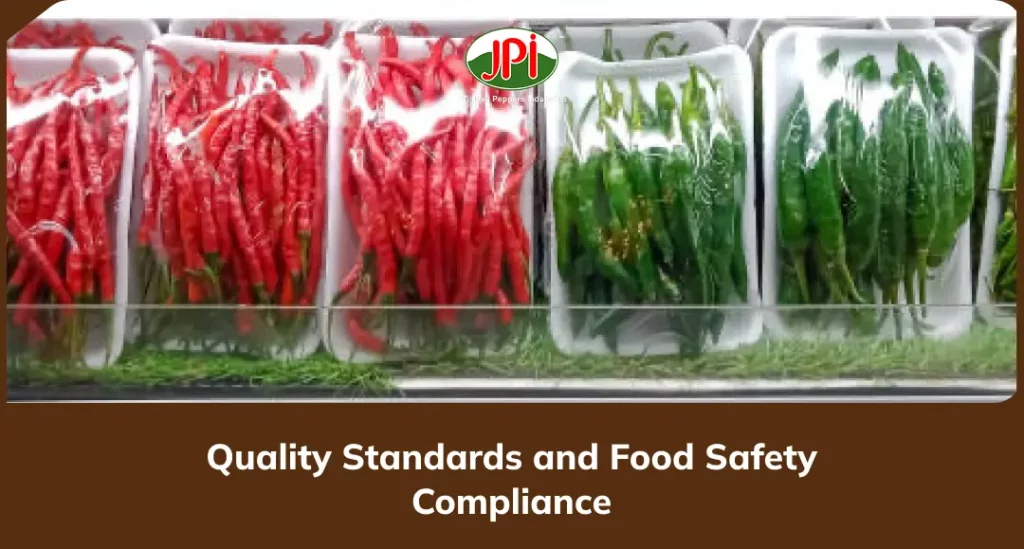
Quality standards play a major role in Selling Imported Chili successfully. Governments and consumers expect food products to meet strict safety requirements. For this reason, chili imports must follow established regulations in each destination market.
Food safety inspections focus on pesticide levels and contamination risks. Authorities carefully test chili products before allowing market entry. Because of these checks, exporters must maintain high production standards. Failure to comply can lead to shipment rejection or financial loss.
Proper handling and processing also affect chili quality. Clean harvesting methods help preserve freshness and flavor. During processing, chili must be dried or packed carefully. These steps prevent mold growth and quality degradation.
Packaging also matters in international trade. Strong and food-grade packaging protects chili during transportation. At the same time, clear labeling helps buyers understand product origin and handling instructions. Accurate information builds trust with importers and retailers.
Moreover, quality consistency strengthens long-term business relationships. Buyers prefer suppliers who deliver the same standards in every shipment. As trust grows, repeat orders become more likely. Therefore, quality assurance directly supports sustainable Selling Imported Chili operations.
Selling Imported Chili
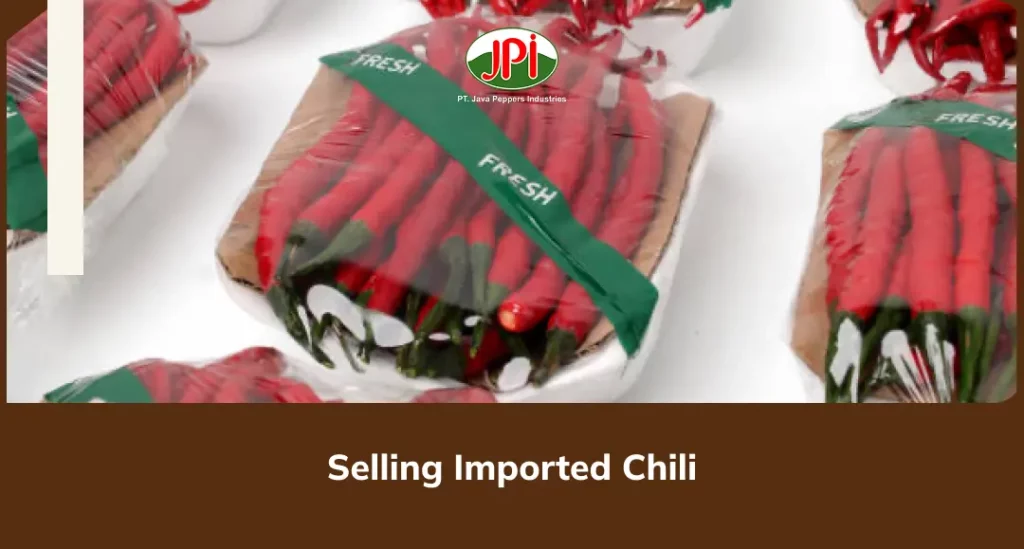
Effective strategies are essential for Selling Imported Chili in competitive markets. First, businesses must understand their target customers. Consumer preferences vary widely between regions. Some markets prefer mild chili, while others demand strong heat. Matching products to local tastes increases sales potential.
Pricing strategy also plays an important role. Competitive pricing attracts buyers, but quality should remain a top priority. A balanced approach helps businesses build credibility and maintain profit margins.
Distribution channels significantly affect market reach. Strong partnerships with distributors and wholesalers improve market access. Reliable logistics ensure timely delivery and product freshness. Especially for fresh chili, efficient transportation helps maintain quality.
Marketing efforts also influence buying decisions. Clear product descriptions help buyers understand chili type, origin, and usage. Visual branding further improves product appeal. Digital marketing platforms provide cost-effective exposure to international audiences.
Customer communication should not be overlooked. Prompt responses and transparent policies strengthen buyer confidence. Over time, strong customer service encourages loyalty and repeat purchases. Monitoring market trends also helps businesses adapt quickly to changing demand.
If you’re looking for instant chili sauce, Monsera Chili Sauce is the best choice. This chili sauce variant is made from fresh, high-quality Indonesian chilies.
Let’s order via the button below now!

Conclusion
Selling Imported Chili offers strong potential in today’s global food industry. Rising demand, changing food habits, and expanding trade channels support continuous market growth. However, success depends on understanding market needs and maintaining high-quality standards.
By focusing on safety, consistency, and strategic planning, businesses can achieve long-term success. With the right approach, Selling Imported Chili can become a stable and profitable global venture. Lastly, don’t forget to order and see you again with other interesting information.