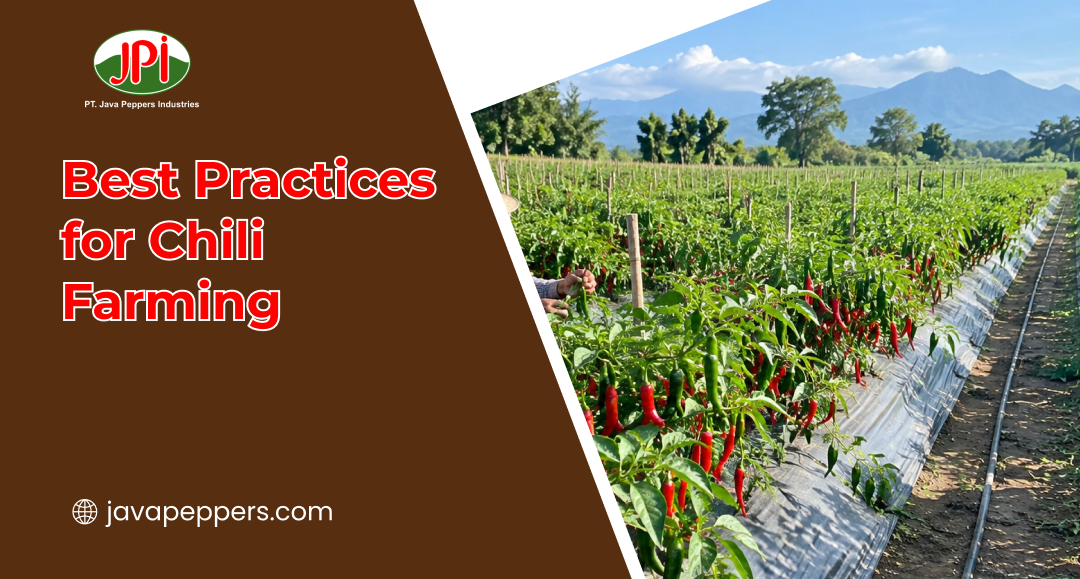
Chili Farming Tips – Lately, market news keeps showing chili prices jumping up and down. Naturally, farmers ask how they can grow steady harvests. Luckily, smart habits can protect your income. In this guide, we share practical chili farming tips in simple words. Plus, you will learn how to plant, water, and protect your crop.
Soil and Climate Conditions Ideal for Chili Farming Tips
soil_and_climate_conditions_ideal_for_chili_farming
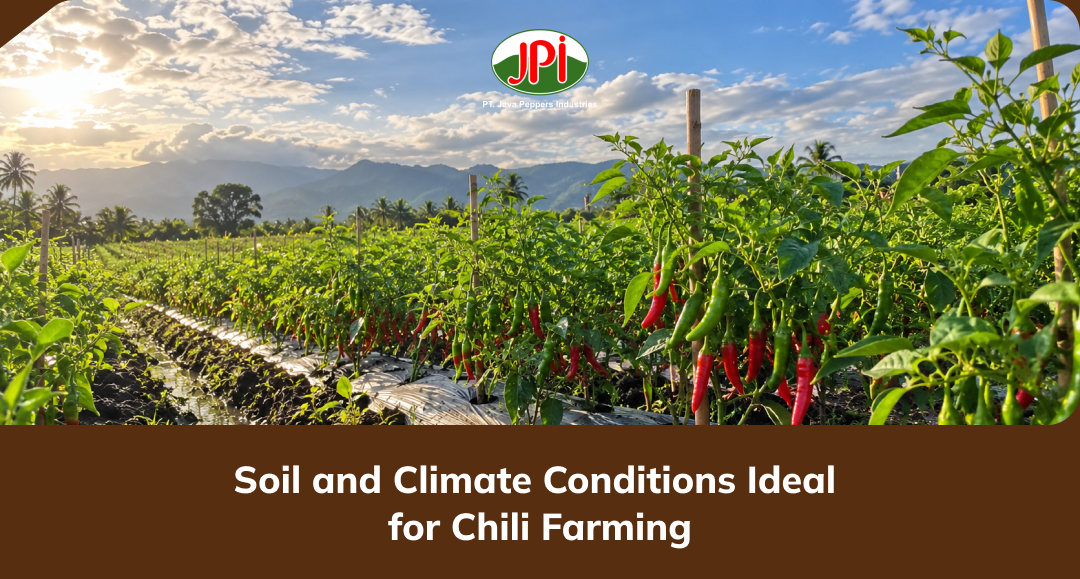
Loose, well-drained soil
First, chili plants love soil that drains fast. Also, loose soil lets roots spread and breathe. However, heavy clay holds water and rots the roots. Therefore, mix in compost or sand to lighten it.
The right soil pH
Next, chilies grow best in slightly acidic soil. Usually, a pH between 6.0 and 6.8 works well. Meanwhile, a simple test kit shows your current level. Thus, you can fix problems before planting.
Warm temperatures
Additionally, chilies thrive in warm weather. Ideally, days stay between 24 and 30 degrees Celsius. However, cold nights slow growth and hurt flowers. Consequently, you should plant when the weather stays warm.
Plenty of sunlight
Also, chili plants need six to eight hours of sun daily. Likewise, more light means more flowers and fruit. Otherwise, plants grow tall, weak, and thin. So, pick an open spot without shade.
Moderate rainfall and humidity
Moreover, chilies dislike constant heavy rain. Instead, they prefer steady, gentle moisture. Besides, high humidity invites fungus and disease. Therefore, choose raised beds if your area gets wet.
Best Planting and Irrigation Practices for Chili Crops
best_planting_and_irrigation_practices_for_chili_crops
Start with quality seeds
First, buy seeds from a trusted supplier. Also, pick a variety that suits your climate. Then, soak the seeds overnight to speed up sprouting. As a result, you get stronger seedlings.
Nurse seedlings carefully
Next, sow seeds in trays with light soil. Meanwhile, keep the trays warm and slightly damp. Usually, seedlings need four to six weeks before moving. Thus, patience gives you healthier plants.
Space plants properly
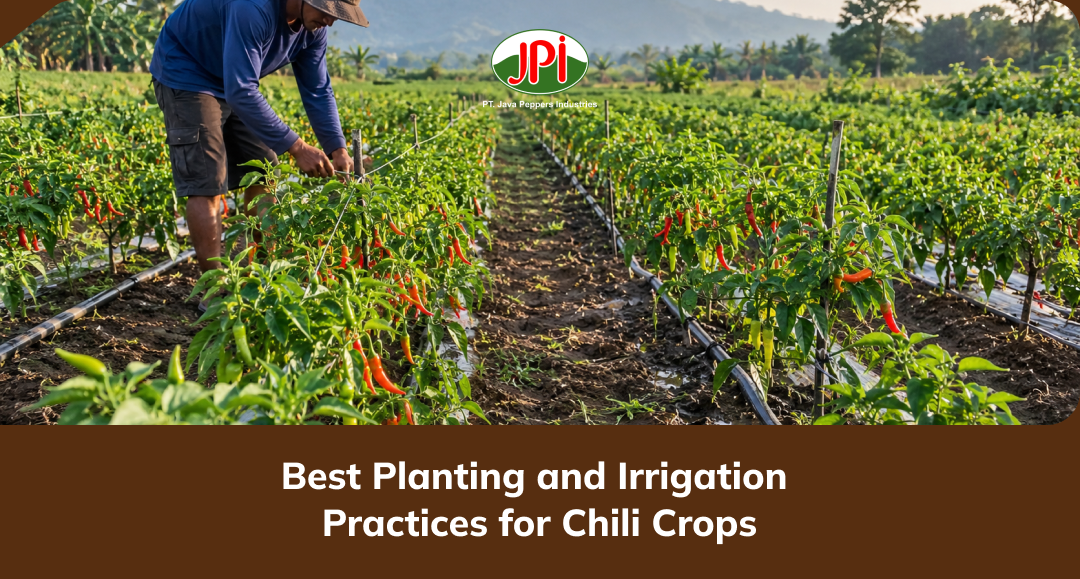
Additionally, give each plant enough room to grow. Typically, leave 45 to 60 centimeters between plants. Otherwise, crowded leaves trap moisture and spread disease. Hence, good spacing improves airflow and yield.
Water on a smart schedule
Also, chilies need regular but light watering. Generally, water deeply once every few days. However, soggy soil kills roots quickly. Therefore, check the soil with your finger before watering.
Try drip irrigation and mulch
Finally, drip lines deliver water right to the roots. Likewise, mulch keeps the soil cool and damp. Besides, it blocks weeds that steal nutrients. Consequently, you save water and time.
Tips to Maximize Chili Yield and Minimize Crop Loss
tips_to_maximize_chili_yield_and_minimize_crop_loss
Feed plants on time
First, chilies need nitrogen early for leafy growth. Later, they need phosphorus and potassium for flowers and fruit. Also, compost adds slow, steady nutrition. Therefore, feed lightly every two to three weeks.
Watch for pests
Next, aphids, thrips, and mites love chili leaves. Meanwhile, they spread viruses that ruin your crop. Thus, check the undersides of leaves every week. Consequently, you catch problems early.
Prevent common diseases
Additionally, fungus and wilt hit chili farms often. Likewise, wet leaves make the problem worse. Therefore, water at the base instead of the leaves. Also, remove sick plants right away.
Rotate your crops
Besides, planting chilies in the same spot invites soil diseases. Instead, switch to beans or corn each season. Meanwhile, this break restores soil health. As a result, your next chili crop grows stronger.
Harvest at the right time
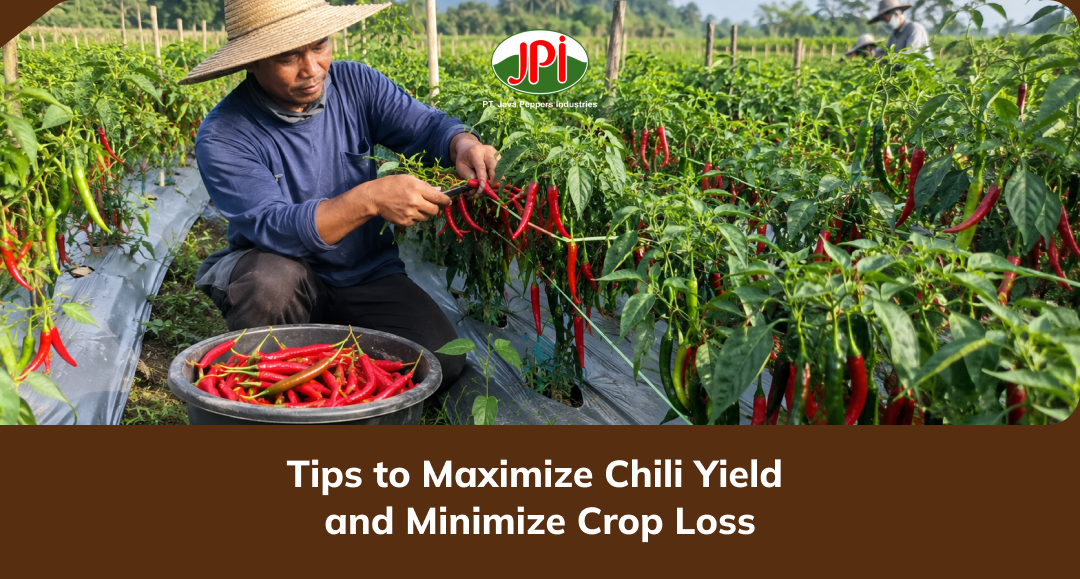
Finally, pick chilies when they reach full color and size. Also, frequent picking encourages the plant to make more fruit. However, leaving ripe chilies too long slows new flowers. So, harvest every few days.
Read More : How to Test Chili Heat Levels
Let’s order via the button below now!

Conclusion
So, these chili farming tips can boost your harvest and cut your losses. Start with loose, sunny, well-drained soil. Then, plant with care and water smartly. Finally, feed, protect, and harvest on time. Try these habits this season, and watch your chili crop thrive.