Mastering the best chili drying techniques for export ensures that produce meets strict international quality standards, preserves its vibrant color, and retains its pungent heat profile. By actively controlling moisture removal through advanced solar drying, dehydration tunnels, or precise mechanical heat systems, exporters can completely eliminate aflatoxin risks and prevent mold growth during long transoceanic transits. Implementing these premium drying methods directly upgrades product’s market value, locks in essential capsaicin levels, and guarantees a shelf-stable commodity that global buyers demand.
Choose High Quality Fresh Chilies
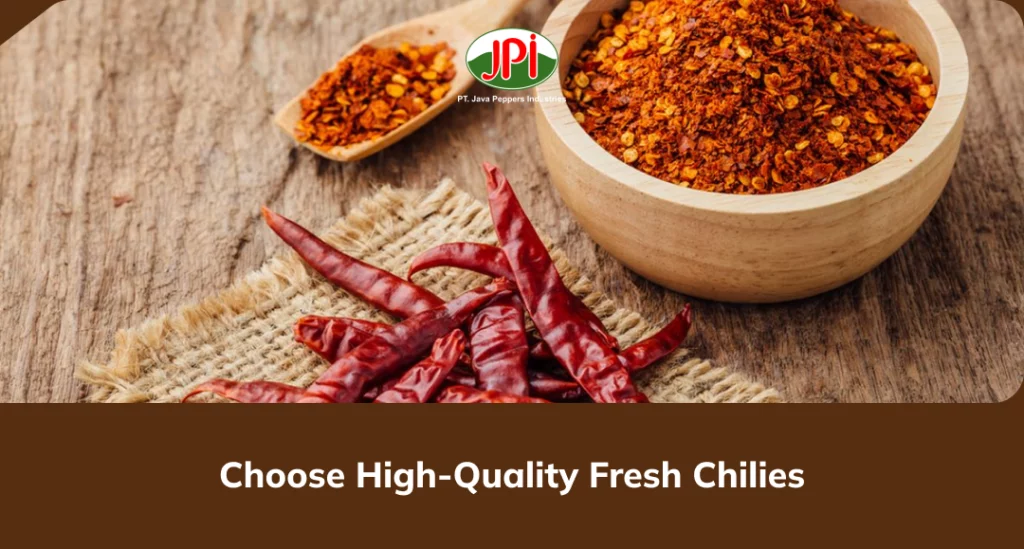
Choosing high-quality fresh chilies is an art that anyone can master. When you actively select the best peppers, you improve the taste of food, extend the shelf life of groceries, and get the most value for money. Let’s dive into the ultimate guide on how to spot and choose premium fresh chilies every single time!
- Look Closely: Inspect the Visual Clues
- Touch and Feel: Test the Firmness
- Don’t Ignore the Stem: The Vital Freshness Indicator
- Weight Matters: Heavy Means Juicy
- Smart Storage: Lock in the Freshness at Home
Dishes only taste as good as the ingredients you put into them. By taking an extra minute to check the skin, feel the firmness, and inspect the stems, you confidently buy the freshest, most flavorful ingredients available.
Choosing high-quality fresh chilies elevates culinary creations, respects household budget, and keeps family meals vibrant and exciting. Visit local farmer’s market or grocery store today, apply these quick tips, and taste the difference that true freshness brings to kitchen!
Apply Efficient Drying Methods
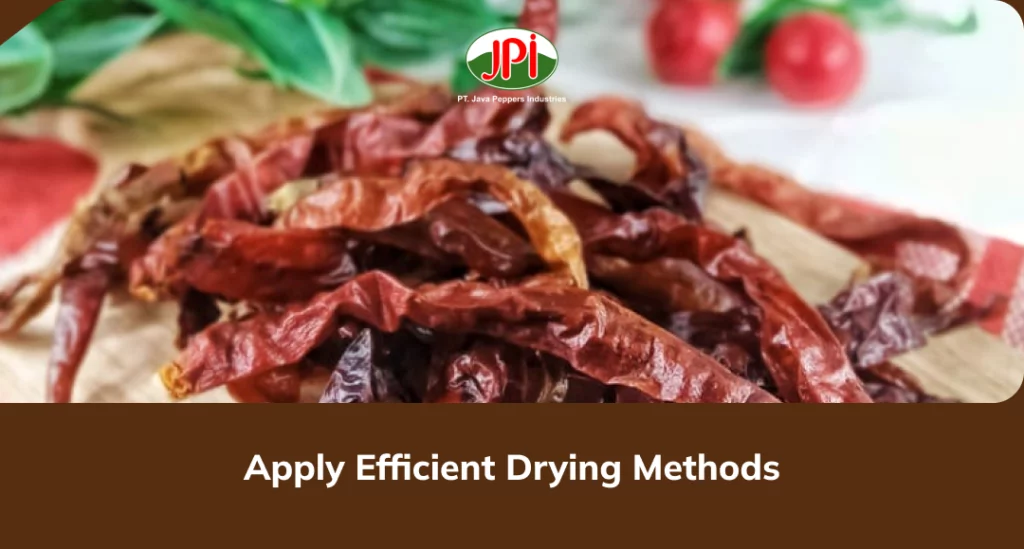
Drying does more than just remove water; it stabilizes product. When you lower the moisture content to the correct level, you stop the growth of mold, bacteria, and yeast. These microscopic threats love damp, warm environments. If you dry product too slowly or inefficiently, you create the perfect breeding ground for decay.
The Three Pillars of Efficient Drying
No matter which method you choose, you must balance three critical variables to achieve success: Heat, Airflow, and Time.
1. Optimize Airflow
Stagnant air ruins drying operations. Air acts as a sponge—it absorbs moisture from the surface of product and carries it away. If air moves too slowly, it becomes saturated with water vapor and stops absorbing. Keep the air moving constantly across the entire surface area of crop.
2. Manage Temperature
Temperature dictates the rate of evaporation. As you raise the temperature, water molecules move faster and escape the product more quickly. However, you must avoid “case hardening,” a condition where the outer layer dries so fast that it creates a hard shell, trapping moisture inside. Start with a moderate temperature and gradually increase it, or maintain a steady, gentle heat.
3. Track Moisture Levels
Stop guessing and start measuring. Use a moisture meter to check product regularly. Over-drying costs you money because you lose weight (the product becomes lighter) and texture quality. Under-drying results in mold growth during storage. Aim for the specific moisture percentage that market or end-use requires.
Maintain Export Ready Quality
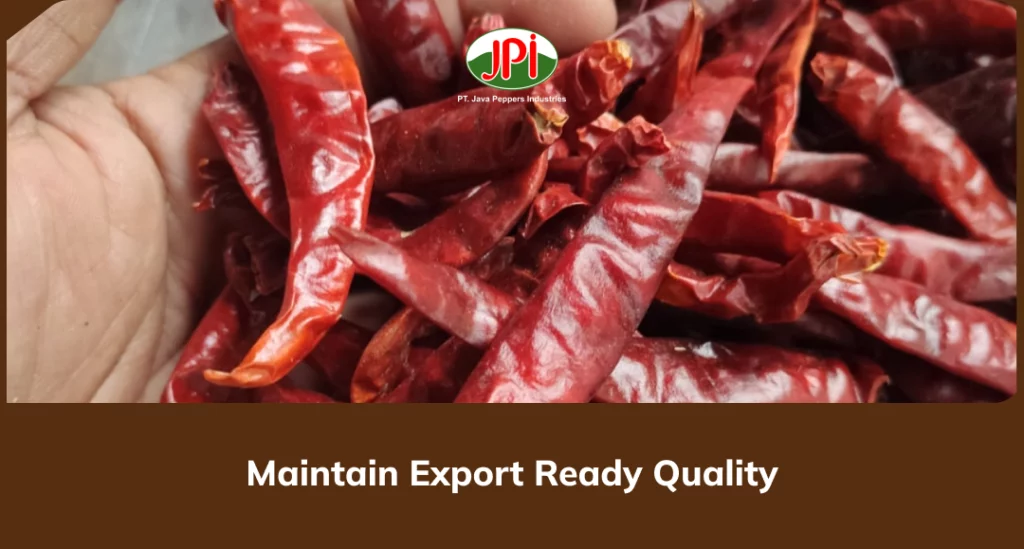
Entering the international trade arena presents a massive growth opportunity for business. When you open doors to global buyers, you tap into larger markets, higher price points, and consistent purchase orders. However, global opportunities come with global expectations. International buyers demand perfection, and foreign border agencies enforce strict agricultural and manufacturing regulations. To thrive in this competitive arena, you must maintain export-ready quality.
- Master Post-Harvest and Processing Standards
- Upgrade to Premium Export Packaging
- Implement Strict Traceability and Documentation
- Foster a “Quality First” Workplace Culture
Achieving international success requires more than just finding a buyer; it demands that you deliver flawless execution every single time. By actively standardizing processing methods, upgrading shipping packaging, securing bulletproof documentation, and empowering staff, you build an unbeatable defensive wall around product’s integrity.
Monsera Chili Sauce, Authentic Indonesian Chili Sauce

No longer need to buy an expensive plane ticket to Jakarta or Bali to experience the thrilling world of authentic Indonesian spice. Monsera Chili Sauce packages the vibrant culture, rich agricultural heritage, and bold flavors of the archipelago into an easy-to-use, premium product.
Stop settling for bland, uninspiring meals that lack character. Grab your favorite variant of Monsera Chili Sauce from your local international market or order a jar online today. Take active control of your kitchen, shock your taste buds with genuine Indonesian heat, and elevate your home cooking to extraordinary new heights!
Monsera Chili Sauce is crafted to represent authentic Indonesian flavors, and it offers a smooth balance of heat and richness. Additionally, the sauce is suitable for daily use, which makes it ideal for beginners exploring spicy food.
Let’s order via the button below now!

Conclusion
Chili in traditional Indonesian food is an important part that makes the dish have their unique and rich flavor. There are several types of chili that used in many traditional Indonesian food like bird’s eye chili, red chili pepper, curly red chili, green chili and cayenne chili. It’s usually serves a condiment, mixing sauces or added as a spice to enhance flavor in Indonesian traditional food.