Puya Pepper Characteristics – Mexican cuisine holds some of the world’s most exciting and complex flavors, and dried chiles play a huge role in that. Among those chiles, puya pepper characteristics stand out for their unique combination of fruity flavor, moderate heat, and deep color. Many home cooks and professional chefs love this pepper for the bold depth it adds to sauces, stews, and marinades.
Moreover, puya peppers remain relatively lesser-known outside Mexico, making them a hidden gem worth exploring. So, whether you cook Mexican food regularly or just want to expand your spice knowledge, this guide covers everything you need to know.
What Are Puya Chiles?
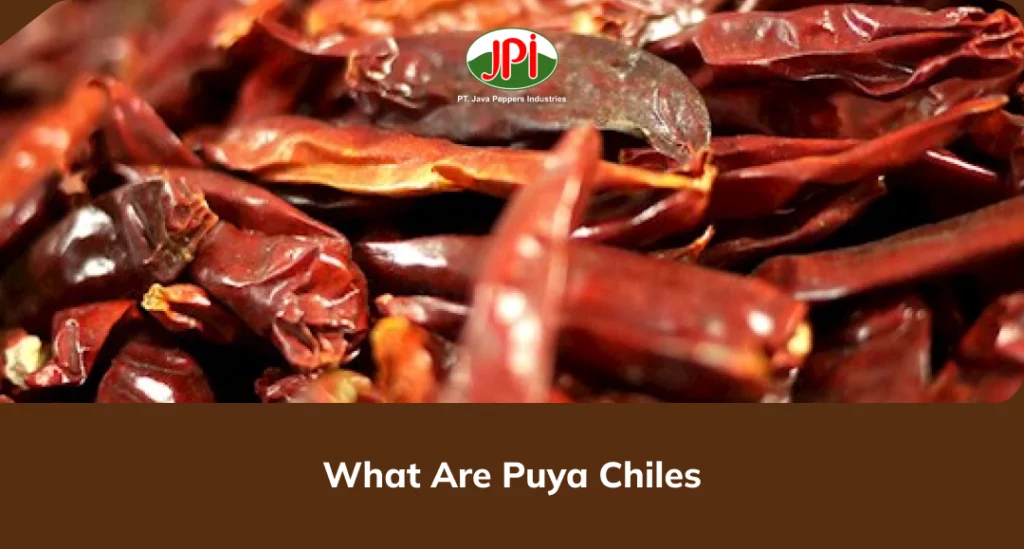
Puya chiles grow primarily in the central and northern regions of Mexico, including Guanajuato and Jalisco. Farmers there cultivate them in warm, dry climates that bring out the pepper’s natural sugars and flavor compounds. Additionally, Mexico has grown and used puya chiles for centuries in traditional cooking. Today, they remain a staple ingredient in authentic Mexican kitchens both at home and in restaurants.
The Name and Its Meaning
The word “puya” loosely translates to “goad” or “poke” in Spanish, referring to its sharp, pointed tip. This name fits the pepper well because its heat also delivers a sharp, noticeable kick. Furthermore, some regions in Mexico call it the “pulla” chile, though puya remains the most widely recognized name. Understanding the name helps you identify this pepper correctly at markets and specialty stores.
Classification as a Dried Chile
Puya pepper belongs to the category of dried Mexican chiles, similar to ancho, guajillo, and pasilla. Drying the chile concentrates its flavor and extends its shelf life significantly. Also, the drying process deepens the pepper’s color and adds a subtle smokiness to its overall taste profile. This makes puya an incredibly versatile ingredient that cooks can store and use throughout the year.
Botanical Background
Botanically, puya pepper belongs to the species Capsicum annuum, the same species as bell peppers and jalapeños. However, puya carries significantly more heat and a far more complex flavor than either of those common varieties. Interestingly, its genetic makeup allows it to develop bold fruity and slightly tangy notes as it dries. This botanical background explains why puya works so beautifully in slow-cooked sauces and complex spice blends.
Puya Pepper Characteristics: Physical Traits & Heat Level
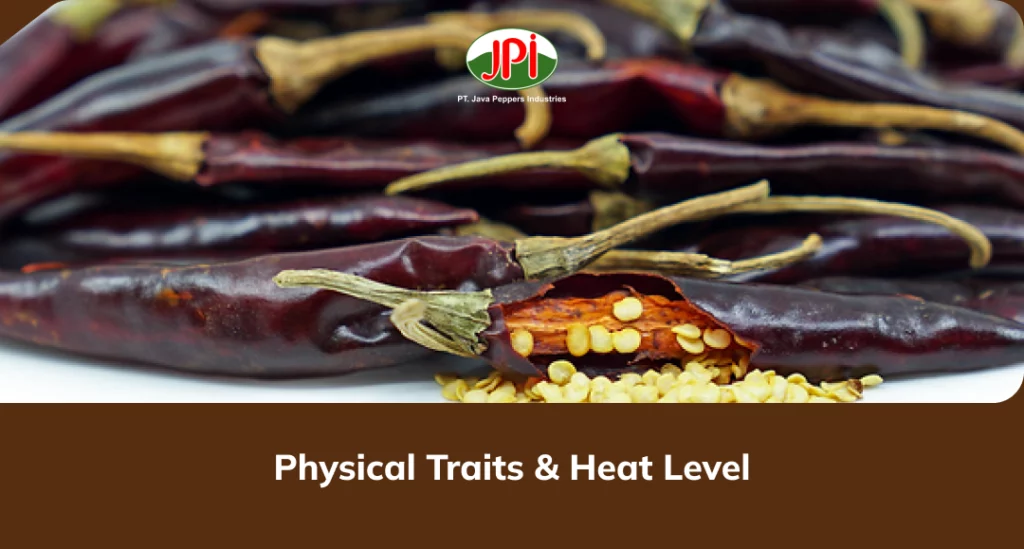
Understanding puya pepper characteristics helps you use this chile with greater confidence and accuracy in your cooking. Here are five defining physical and sensory traits that set puya apart from other dried chiles.
Size and Shape
Puya peppers typically measure between 7 to 10 centimeters in length and about 2 to 3 centimeters in width. They feature a long, narrow, slightly tapered body that ends in a pointed tip. Additionally, their slender shape makes them easy to distinguish from wider chiles like ancho or mulato. This compact form also means they rehydrate quickly when soaked in hot water before cooking.
Color and Skin Texture
Dried puya chiles display a deep red to brick-red color that signals their rich flavor potential. Their skin feels thin, slightly leathery, and smooth compared to thicker-skinned chiles like pasilla. Moreover, holding a quality puya chile up to light reveals a semi-translucent skin, which indicates proper drying. This thin skin allows the pepper to blend smoothly into sauces without leaving a gritty or chewy texture.
Flavor Profile
Puya peppers deliver a bold, fruity flavor with hints of cherry, plum, and a slight citrus tang. Unlike smoky chiles such as chipotle, puya brings brightness and a clean heat that lingers pleasantly. Furthermore, its flavor intensifies beautifully when toasted lightly in a dry pan before use. This toasting step unlocks deeper notes and creates a more complex base for any sauce or stew.
Heat Level on the Scoville Scale
Puya peppers range from 5,000 to 8,000 Scoville Heat Units (SHU), placing them in the medium heat category. This makes them noticeably hotter than ancho chiles but milder than de árbol or cayenne peppers. Also, their heat builds gradually rather than hitting you all at once, making it approachable for most people. Cooks who want medium spice without overwhelming heat find puya a perfectly balanced choice.
Aroma When Dried and Toasted
Fresh from the bag, puya chiles carry a mild, earthy, slightly fruity aroma that hints at their complex flavor. However, toasting them in a hot dry skillet for 30 to 60 seconds releases a noticeably stronger, more inviting scent. Additionally, this toasting aroma signals that the essential oils in the pepper have activated and are ready to contribute fully. Always toast puya chiles before soaking or grinding to get the fullest flavor possible from each piece.
Popular Dishes That Feature Puya Pepper
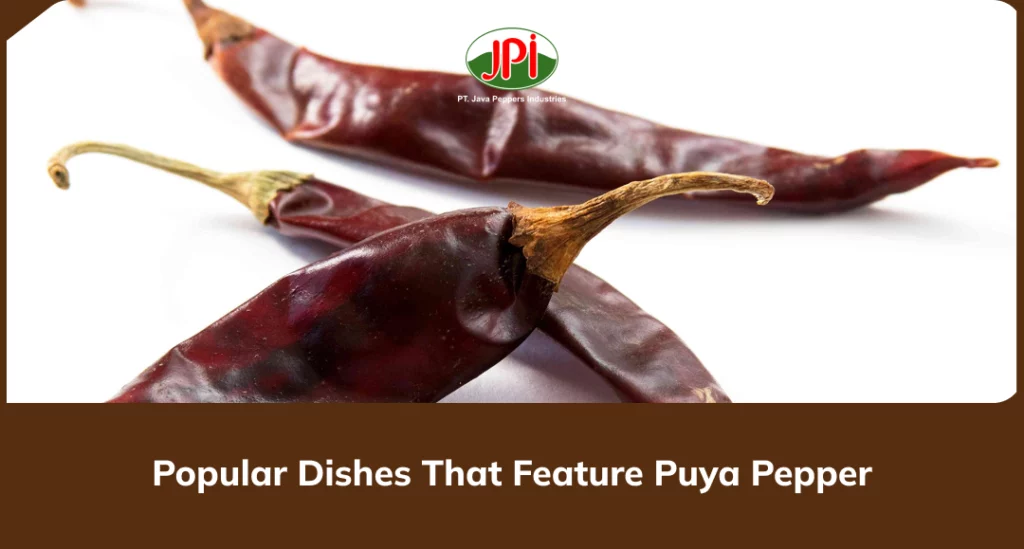
Puya pepper appears in a wide variety of traditional and modern Mexican dishes. Here are five popular recipes and applications that showcase everything this chile has to offer.
Red Chile Sauce (Salsa Roja)
Puya chiles form the backbone of many classic red chile sauces used across Mexican cuisine. Cooks typically toast, soak, and blend them with garlic, onion, and tomatoes to create a rich, smooth sauce. Moreover, this salsa roja works as a base for enchiladas, tamales, and braised meats with incredible results. The fruity heat of puya gives the sauce a depth and brightness that other chiles simply cannot replicate.
Birria and Slow-Cooked Stews
Birria, the beloved Mexican stew made with goat or beef, frequently uses puya chiles in its braising liquid. The pepper’s medium heat and fruity flavor blend perfectly with warm spices like cumin, cloves, and Mexican oregano. Additionally, the slow cooking process allows puya’s flavors to fully infuse the meat and broth over several hours. The result is a rich, deeply colored stew that tastes incredibly complex and satisfying.
Adobo Marinades
Puya peppers work brilliantly in adobo, a thick chile paste used to marinate meats before grilling or roasting. Cooks blend soaked puya chiles with vinegar, garlic, and spices to create a sticky, flavorful coating. Furthermore, the fruity notes in puya add a subtle sweetness that balances the acidity of the vinegar beautifully. This marinade works especially well on pork, chicken, and shrimp for bold, crowd-pleasing results.
Mole Sauces
Many regional mole recipes incorporate puya chiles alongside ancho, mulato, and chipotle for complexity and heat balance. Puya contributes brightness and a subtle fruitiness that prevents the mole from tasting too heavy or one-dimensional. Also, its medium Scoville rating allows it to add noticeable heat without overwhelming the other carefully balanced ingredients. Using puya in mole demonstrates exactly why Mexican chefs consider it such a valuable and versatile pantry staple.
Chile-Infused Oils and Condiments
Beyond sauces and stews, puya chiles also shine in infused oils, chile pastes, and table condiments. Cooks steep dried puya pieces in warm olive or vegetable oil to create a spicy, fruity drizzling oil. Additionally, blending toasted puya with salt and garlic produces a simple but powerful dry rub for meats and vegetables. These condiments let home cooks enjoy puya pepper’s characteristics every day with minimal effort and maximum flavor.
Monsera Chili Sauce, A Typical Indonesian Spicy Flavor
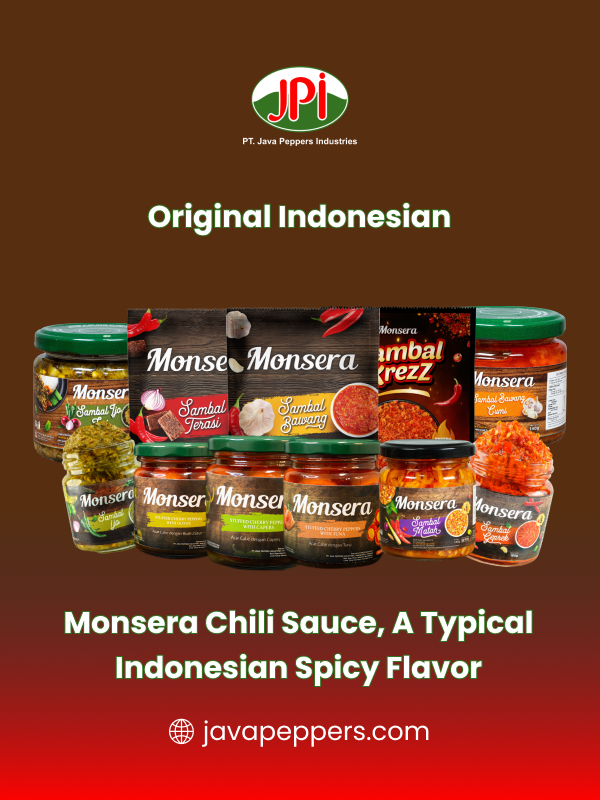
Indonesia is famous for its rich culinary heritage and spicy food culture. Monsera Chili Sauce represents one of the authentic Indonesian spicy flavors made from selected chili peppers and natural ingredients. The sauce combines spicy, savory, and slightly sweet flavors that complement various dishes such as fried rice, noodles, seafood, grilled chicken, and traditional snacks.
Its authentic taste reflects Indonesia’s diverse food traditions and appeals to consumers seeking bold Asian flavors. With increasing global interest in Indonesian cuisine, Monsera Chili Sauce has strong potential in international markets, especially among buyers looking for unique and premium spicy condiments from Southeast Asia.
Let’s order via the button below now!

Conclusion
Puya pepper is a genuinely exciting ingredient that deserves far more attention in kitchens outside of Mexico. Its unique puya pepper characteristics, from the deep red color and fruity flavor to its satisfying medium heat — make it incredibly versatile.