We usually associate chili peppers with culinary sweat and tears, but recent science suggests they deserve a spot at the center of the heart-health conversation. When you eat a hot pepper, its active ingredients trigger a cascade of positive cardiovascular effects, driving down inflammation and helping to keep blood pressure in check. It turns out that spice-lovers might actually hold a secret weapon for longevity, proving that a little extra heat can go a long way for cardiovascular defense.
How Chili Peppers Support a Healthy Heart
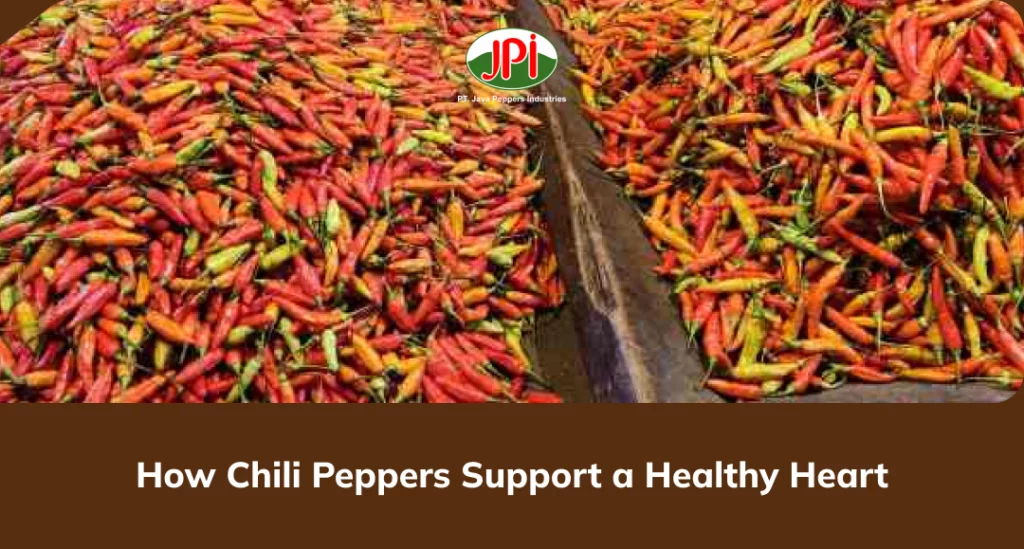
Let’s take a closer look at the science behind this popular ingredient and its role in promoting cardiovascular wellness.
Nutrients in Chili Peppers That Benefit the Heart :
- Vitamin C
- Vitamin A
- Vitamin B6
- Potassium
- Flavonoid antioxidants
- Carotenoids
These nutrients work together to help combat oxidative stress, a condition linked to chronic diseases, including heart disease.
Capsaicin Helps Improve Blood Circulation :
Capsaicin may help relax and widen blood vessels, allowing blood to flow more efficiently throughout the body.
When blood vessels function properly, the heart does not have to work as hard to pump blood. This can help reduce strain on the cardiovascular system and support long-term heart health.
Supporting Healthy Blood Pressure Levels :
Research suggests that capsaicin may encourage the production of nitric oxide, a compound that helps blood vessels remain flexible and relaxed. Healthy blood vessel function contributes to more stable blood pressure levels and better cardiovascular performance. While chili peppers should not replace prescribed treatments for hypertension, they can be part of a heart-friendly diet when consumed in moderation.
Rich in Antioxidants That Protect the Heart :
- Vitamin C
- Beta-carotene
- Capsanthin
- Lutein
These compounds help protect cells from oxidative damage and support the health of blood vessels. Healthy arteries and veins play a critical role in maintaining efficient blood circulation and overall cardiovascular function.
Key Compounds in Chili Peppers That Benefit Cardiovascular Health
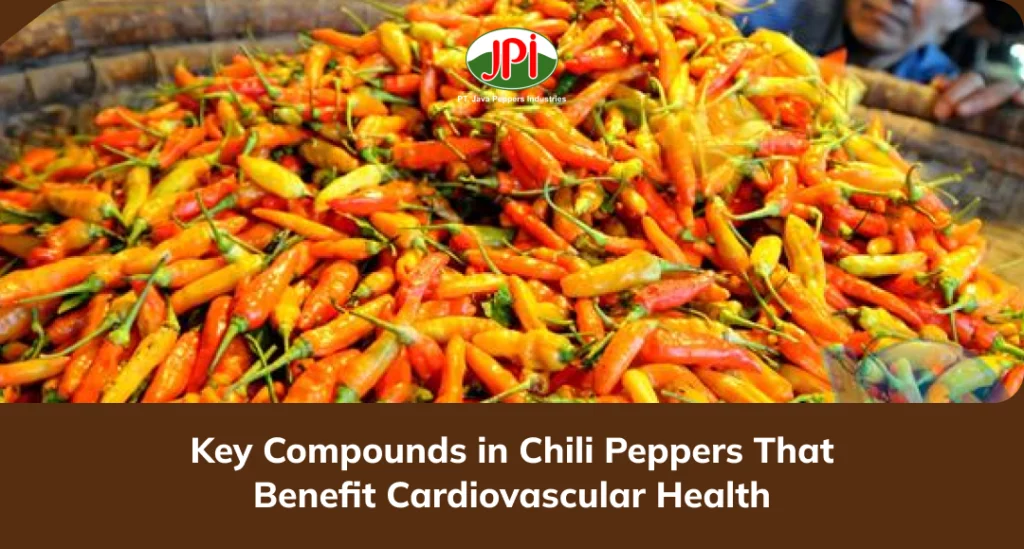
Capsaicin may also support healthy blood pressure levels when combined with a nutritious lifestyle. By promoting vascular function, this compound contributes to maintaining the flexibility and responsiveness of blood vessels.
Another advantage of capsaicin is its potential role in managing inflammation. Chronic inflammation is often linked to various cardiovascular concerns, making anti-inflammatory foods an important part of a heart-conscious diet.
Fiber supports cardiovascular health in several ways:
- Helps maintain healthy cholesterol levels
- Supports digestive health
- Promotes satiety and weight management
- Encourages stable blood sugar control
Maintaining a healthy body weight and balanced cholesterol profile can significantly benefit long-term heart health. Together, these nutrients help combat oxidative stress, support healthy blood vessels, promote circulation, and contribute to overall heart wellness. While chili peppers are not a standalone solution for cardiovascular health, they can be a valuable addition to a balanced diet rich in fruits, vegetables, whole grains, and lean proteins. By incorporating chili peppers into meals regularly and sensibly, individuals can enjoy both their distinctive taste and their potential heart-supporting benefits.
Smart Ways to Add Chili Peppers to a Heart Friendly Diet

Research suggests that capsaicin may help support healthy circulation, promote a balanced metabolism, and reduce certain inflammatory responses in the body. While chili peppers are not a cure for heart disease, they can be a valuable addition to a healthy lifestyle focused on cardiovascular well-being.
The greatest benefits come when chili peppers are paired with nutrient-dense foods such as vegetables, fruits, whole grains, legumes, fish, and lean proteins.
- Use Chili Peppers to Reduce Excess Salt Intake
- Add Chili Peppers to Vegetable-Based Dishes
- Choose Healthy Cooking Methods
- Create Healthier Homemade Salsas and Sauces
- Pair Chili Peppers with Lean Protein Sources
- Incorporate Chili Peppers into Whole-Grain Meals
- Be Mindful of Portion Size
Monsera Chili Sauce, Authentic Indonesian Chili Sauce

Indonesia is famous for its rich culinary heritage and spicy food culture. Monsera Chili Sauce represents one of the authentic Indonesian spicy flavors made from selected chili peppers and natural ingredients. The sauce combines spicy, savory, and slightly sweet flavors that complement various dishes such as fried rice, noodles, seafood, grilled chicken, and traditional snacks.
Its authentic taste reflects Indonesia’s diverse food traditions and appeals to consumers seeking bold Asian flavors. With increasing global interest in Indonesian cuisine, Monsera Chili Sauce has strong potential in international markets, especially among buyers looking for unique and premium spicy condiments from Southeast Asia.
Monsera Chili Sauce is crafted to represent authentic Indonesian flavors, and it offers a smooth balance of heat and richness. Additionally, the sauce is suitable for daily use, which makes it ideal for beginners exploring spicy food.
Let’s order via the button below now!

Conclusion
Adding chili peppers to daily meals is a smart, flavorful way to actively protect cardiovascular health. Their key compound, capsaicin, works wonders by improving blood circulation, lowering cholesterol, and fighting the inflammation that triggers heart disease. You can easily reap these benefits without upsetting stomach by tossing fresh chilies into veggie stir-fries, sprinkling dried flakes over warm soups, or blending low-sodium homemade salsas. Ultimately, bringing a little heat to the kitchen is more than just a culinary choice—it is a powerful, proactive investment in heart’s longevity.