
How to Handle Spicy Food – Spicy food challenges keep going viral, and some end in tragedy. For example, a medical examiner tied a Massachusetts teen’s death to a chip with a high capsaicin concentration. Sadly, stunts like this hide a simple truth.
So, knowing how to handle spicy food matters more than ever. Luckily, this guide shows you the science, the quick fixes, and a safe way to build tolerance.
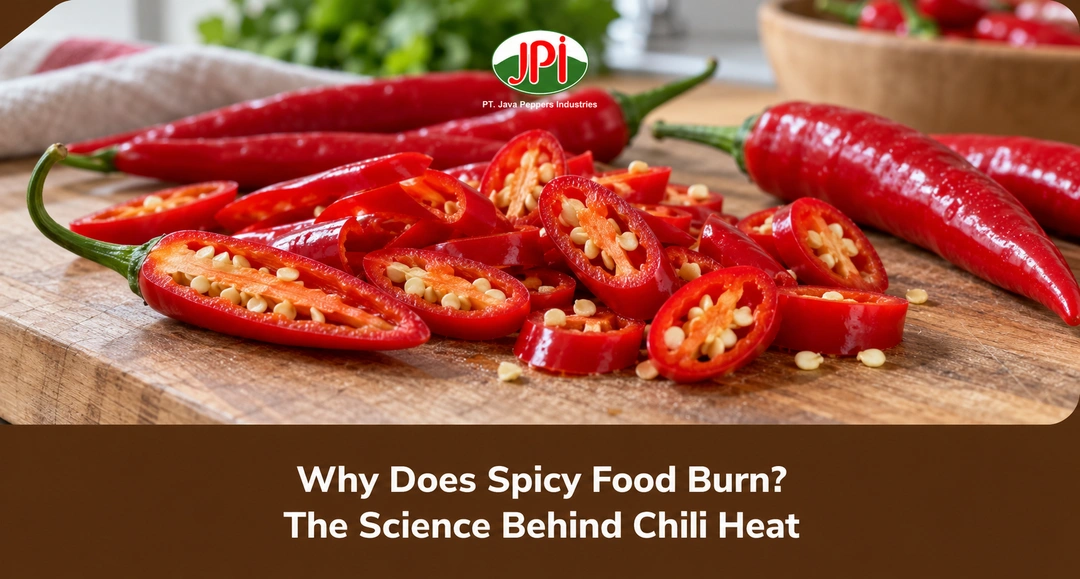
Why Does Spicy Food Burn? The Science Behind Chili Heat
02_why_spicy_food_burns
1. What Is Capsaicin?
Capsaicin is the compound that makes chilies spicy. It is mostly found in the white parts inside the pepper. Plants use capsaicin to protect themselves from some animals. Interestingly, birds can eat chilies without feeling the heat.
2. Why Does Your Mouth Feel Hot?
Capsaicin activates a nerve receptor called TRPV1. This receptor usually responds to high temperatures. When capsaicin activates it, your brain receives a signal that feels like burning. However, your mouth is not actually getting hotter.
3. How Does Your Body React?
When you eat spicy food, your body reacts as if it feels too much heat. You may start sweating or get a runny nose. Your eyes may also produce tears. These reactions usually go away on their own.
4. Why Doesn’t Water Help?
Capsaicin mixes better with fat than with water. That is why drinking plain water often does not help. It may even spread the spicy feeling around your mouth. Milk and other creamy drinks are usually better choices.
5. Why Can Some People Eat Spicier Food?
Everyone has a different level of spice tolerance. Your genes can affect how sensitive you are to capsaicin. Your eating habits also play a role. People who often eat spicy food may become more comfortable with it over time.
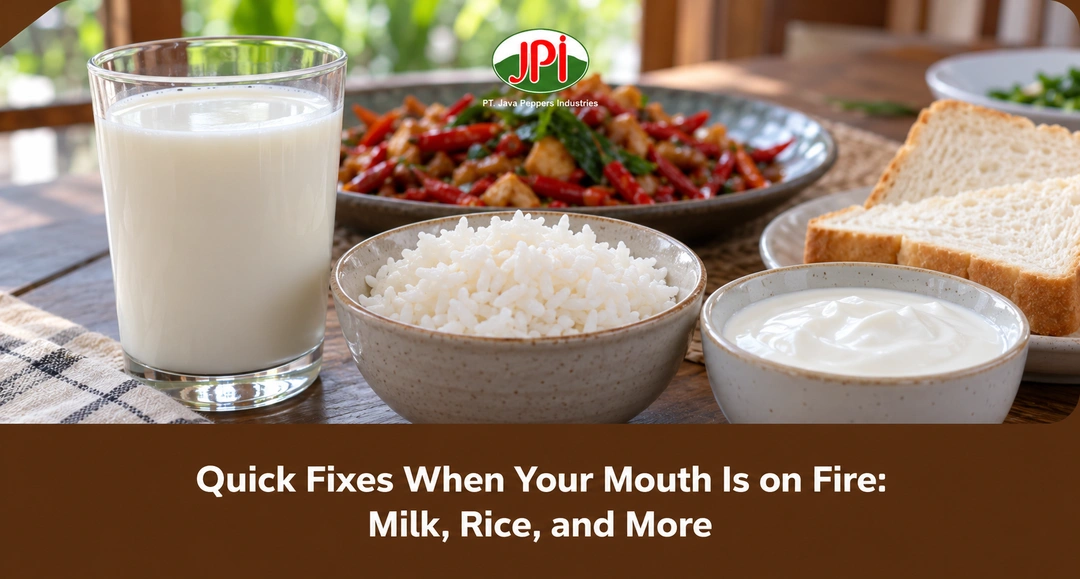
Quick Fixes When Your Mouth Is on Fire: Milk, Rice, and More
03_quick_fixes_for_chili_heat
1. Drink a Glass of Milk
Milk can help reduce the burning feeling after eating spicy food. It contains a protein called casein that helps remove capsaicin from your mouth. Whole milk may work better than skim milk because it contains more fat. Cold milk can also make your mouth feel more comfortable.
2. Try Other Dairy Products
Yogurt is another good choice when your mouth feels too hot. Ice cream can also help because it is cold and contains fat. Cheese may provide some relief too. These foods can make spicy meals easier to enjoy.
3. Eat Bread or Rice
Plain bread and rice can help reduce the spicy feeling. They help remove some of the chili oil left in your mouth. Take small bites and chew slowly. You can eat more until the burning feeling becomes easier to handle.
4. Try Honey or Peanut Butter
A little honey may help make spicy food feel less intense. Peanut butter can also help because it contains fat. Both are simple options to try when your mouth feels hot. However, plain ice water is usually not very helpful because it does not remove capsaicin.
5. Know When to Get Medical Help
Most reactions to spicy food go away on their own. However, some symptoms need medical attention. Get help if you experience trouble breathing, severe chest pain, or repeated vomiting. Do not rely on home remedies when these symptoms appear.
Build Your Spice Tolerance Step by Step

04_build_spice_tolerance
1. Start with Mild Chilies
If you are not used to spicy food, start with mild chilies like poblanos. Add a small amount to your meals. Pay attention to how your body reacts. You can slowly increase the amount as you become more comfortable.
2. Eat Spicy Food with a Full Meal
Try not to eat very spicy food on an empty stomach. Eating it with rice, bread, or other foods may make the meal easier to enjoy. You can also keep milk or yogurt nearby. These foods may help when the spice feels too strong.
3. Practice Little by Little
Eating spicy food regularly may help you become less sensitive to its heat. However, you do not need to eat chili every day. Start with small amounts and give yourself time to adjust. The goal is to enjoy spicy food without forcing yourself.
4. Try Hotter Chilies Slowly
Once you feel comfortable with mild chilies, try hotter ones. You can move from jalapeños to serranos, then try cayenne or Thai chilies. Habaneros are much hotter, so only try them when you feel ready. There is no need to rush.
5. Avoid Extreme Spicy Food Challenges
Some online challenges ask people to eat extremely hot chilies. These challenges can be dangerous and may cause serious health problems. Instead, enjoy spicy food as part of your regular meals. Building your tolerance safely is more important than joining a viral challenge.
Read More : Exploring Different Chili Flavor Profiles
Let’s order via the button below now!

Conclusion
Understanding capsaicin helps explain why spicy food makes your mouth feel hot. Milk, yogurt, bread, and rice may help reduce the burning feeling. If you want to enjoy hotter food, start with mild chilies and increase the heat slowly. Most importantly, enjoy the flavor without pushing your body too far.