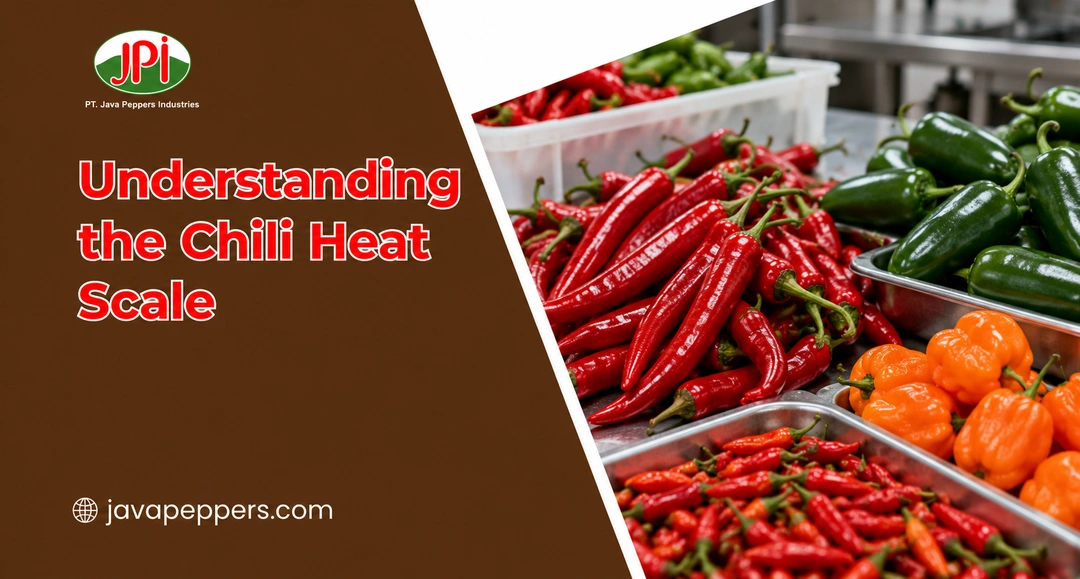
Chili Heat Scale – Pepper X still wears the crown as the world’s hottest chili, and that sounds wild. In fact, Guinness recognized it at an average of 2.693 million Scoville units. Meanwhile, a jalapeño only scores about 2,000 to 8,000.
So, how do you make sense of numbers this huge? Don’t worry, this guide breaks down the chili heat scale in plain words. Plus, you will learn how to pick the right spice level for your own plate.
What Is the Scoville Scale and How Does It Measure Chili Heat?

02_scoville_scale
1. Created by a Pharmacist
Wilbur Scoville created the Scoville Scale in 1912. At that time, he worked as a pharmacist. He wanted to find a way to measure how spicy chilies are. Today, people around the world still use his scale.
2. Capsaicin Makes Chilies Spicy
Capsaicin is the natural compound that makes chilies taste hot. Most of it is found in the white inner part of the chili. Many people think the seeds are the hottest part, but they actually contain less capsaicin. Removing the white part can help reduce the heat.
3. What Does SHU Mean?
SHU stands for Scoville Heat Units. It shows how hot a chili is. The higher the SHU number, the hotter the chili. For example, bell peppers have 0 SHU, while some very hot chilies can reach millions of SHU.
4. From Taste Tests to Lab Tests
In the past, people tested chili heat by tasting diluted chili extracts. They kept adding water until they could no longer feel the heat. Today, laboratories use special machines to measure capsaicin levels. This method gives more accurate results.
5. Why Can SHU Numbers Change?
The same type of chili may have different heat levels. This happens because soil, weather, and growing conditions can affect its capsaicin content. How ripe the chili is can also make a difference. That is why SHU numbers are usually given as a range or average.
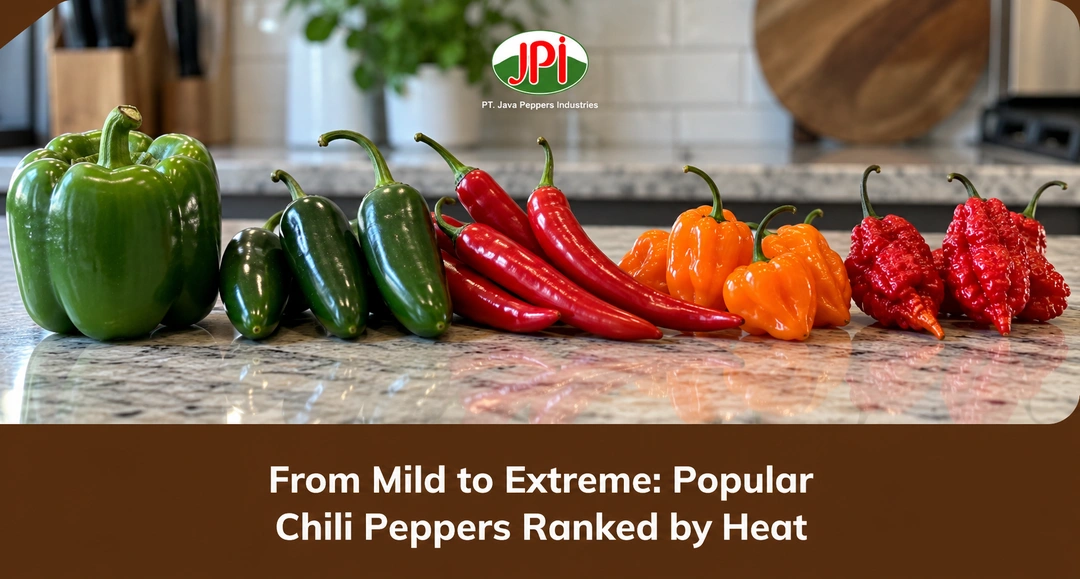
From Mild to Extreme: Popular Chilies Ranked by Heat
03_chili_peppers_ranked_by_heat
1. Mild Chilies
Bell peppers have 0 SHU, so they are not spicy at all. Poblanos are slightly hotter, with around 1,000 to 2,000 SHU. They have a mild taste and work well in stuffed dishes. These chilies are also a good choice for people who do not enjoy spicy food.
2. Medium-Heat Chilies
Jalapeños usually have 2,000 to 8,000 SHU. Serrano chilies are hotter, with around 10,000 to 23,000 SHU. Both are popular choices for fresh salsa. Serranos give dishes a stronger kick than jalapeños.
3. Hot Chilies
Cayenne peppers have around 30,000 to 50,000 SHU. Thai chilies are even hotter, reaching about 50,000 to 100,000 SHU. You only need a small amount to make food spicy. They are often used in stir-fries, sauces, and sambal.
4. Very Hot Chilies
Habanero peppers range from 100,000 to 350,000 SHU. Ghost peppers are much hotter and can reach over one million SHU. These chilies are far hotter than jalapeños. Always wear gloves when handling them.
5. The Hottest Chilies
Carolina Reaper peppers have an average heat level of around 1.64 million SHU. Pepper X is even hotter, with an average of 2.693 million SHU. It holds the record for the world’s hottest chili pepper. If you want to try its heat, you can look for hot sauces made with Pepper X.
How to Choose the Right Chili Heat for Your Dish

04_choose_chili_heat_level
1. Know Your Spice Tolerance
If you are not used to spicy food, start with mild chilies. Try a small amount before adding more to your dish. Everyone has a different level of spice tolerance. Increase the heat slowly as you get used to it.
2. Choose Chilies That Match Your Dish
Different dishes use different types of chilies. Mexican salsa often uses jalapeños or serranos. Thai curries usually use bird’s eye chilies, while Indonesian sambal often uses cabe rawit. Choosing the right chili helps bring out the flavor of your food.
3. Adjust the Heat While Cooking
You can reduce chili heat by removing the white inner part. Adding chilies near the end of cooking can give your dish a stronger spicy taste. Cooking them for longer may help soften the heat. You can also chop them into small pieces to spread the spice more evenly.
4. Use Ingredients to Balance the Heat
Some ingredients can help reduce the burning feeling caused by chilies. Milk, yogurt, and cream are good choices because they contain dairy fat and protein. Sugar, lime juice, and coconut milk can also balance spicy flavors. Add them to your dish based on the taste you want.
5. Handle Hot Chilies Safely
Always wear gloves when cutting very hot chilies. Chili oils can irritate your skin, especially if you touch your eyes afterward. Wash your hands, knife, and cutting board after use. Also, keep hot chilies away from children.
Read More : Exploring Different Chili Flavor Profiles
Let’s order via the button below now!

Conclusion
The Scoville Scale helps us understand how spicy different chilies are. It uses SHU numbers to show their heat levels, from mild bell peppers to extremely hot chilies. By knowing these numbers, you can choose the right chili for your favorite dishes. Start with a heat level you enjoy and try new chilies as you become more comfortable with spicy food.