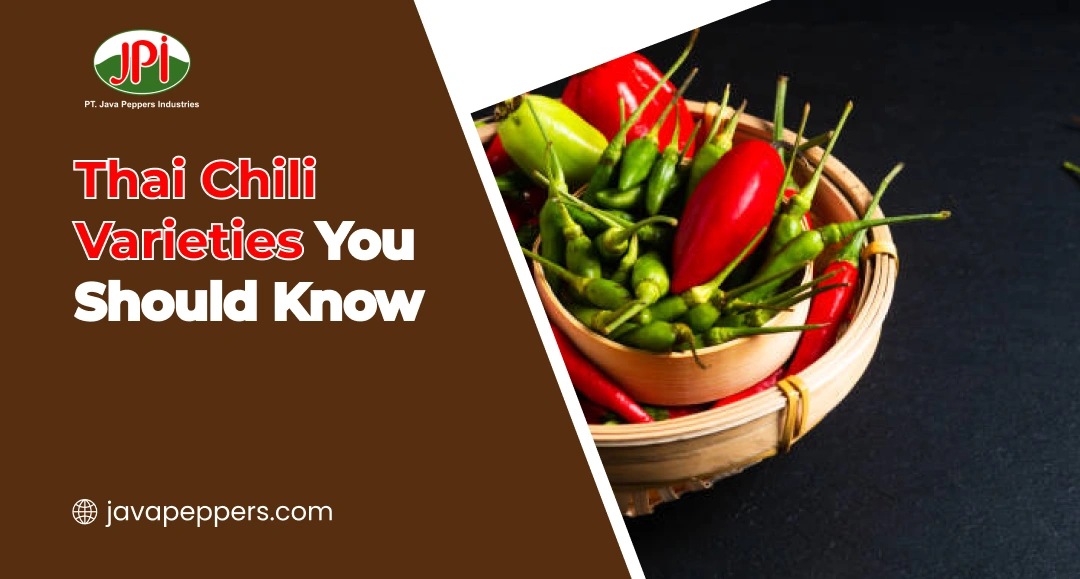
Thai Chili Varieties – When people think about Thai cuisine, one of the first things that comes to mind is its bold and spicy flavor. Behind that signature heat are different Thai Chili Varieties that play an important role in shaping the taste of Thailand’s famous dishes.
These chilies are not just about spiciness—they bring aroma, color, and depth to food. Whether you are a home cook, a food lover, or simply curious about Southeast Asian ingredients, understanding Thai chilies can help you appreciate Thai food on a whole new level.
In this article, we will explore the most popular Thai chili varieties, how they are used in traditional dishes, and how they differ from Indonesian chilies. Let’s dive into the world of Thai chilies and discover why they are so special.
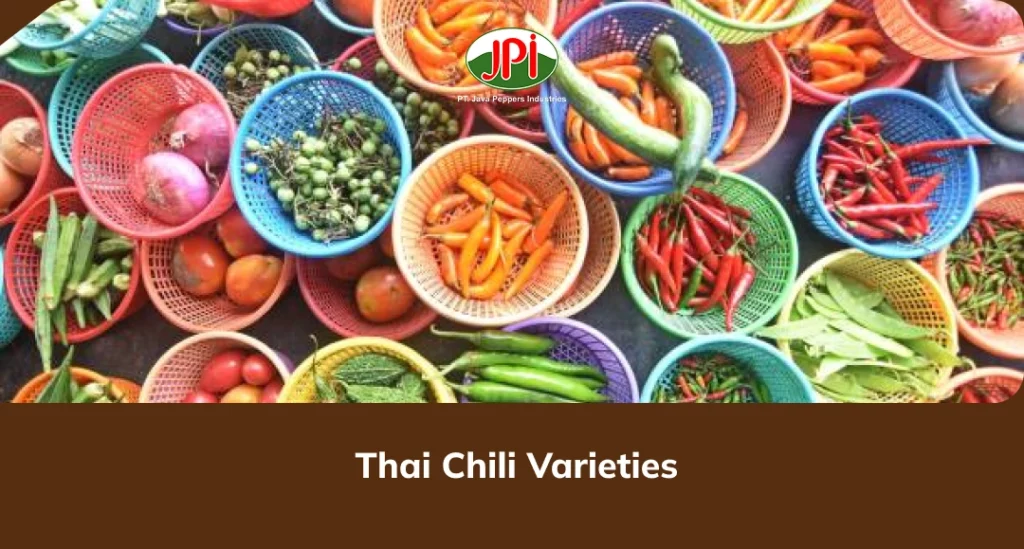
Thai Chili Varieties
Thailand is home to several chili types, each with its own flavor profile, heat level, and culinary use.
Here are some of the most well-known Thai Chili Varieties you should know:
1. Thai Bird’s Eye Chili (Prik Kee Noo)
This is the most famous Thai chili and one of the spiciest. Small in size but extremely powerful, Bird’s Eye chilies can range between 50,000 to 100,000 Scoville Heat Units (SHU). They are commonly green or red and are used fresh, dried, or crushed. Despite their intense heat, they also have a clean, sharp flavor that enhances dishes rather than overpowering them.
2. Prik Chee Fah (Thai Spur Chili)
Longer and milder than Bird’s Eye chilies, Prik Chee Fah is often red and slightly sweet. This chili is popular in stir-fried dishes and chili pastes because it adds color and mild heat without being overwhelming. It is a great choice for people who enjoy flavor more than extreme spiciness.
3. Prik Yuak (Thai Banana Chili)
This chili is large, mild, and often used for stuffing or slicing into dishes for texture. Prik Yuak provides very little heat but adds a fresh, vegetable-like taste. It is commonly found in soups and stir-fries where balance is important.
4. Dried Thai Chilies
Dried versions of Thai chilies are widely used in Thai kitchens. Drying intensifies their flavor and adds a smoky note. These chilies are often ground into flakes or soaked and blended into curry pastes.
Each of these Thai chili varieties serves a specific purpose, proving that Thai cooking is not just about heat, but harmony.
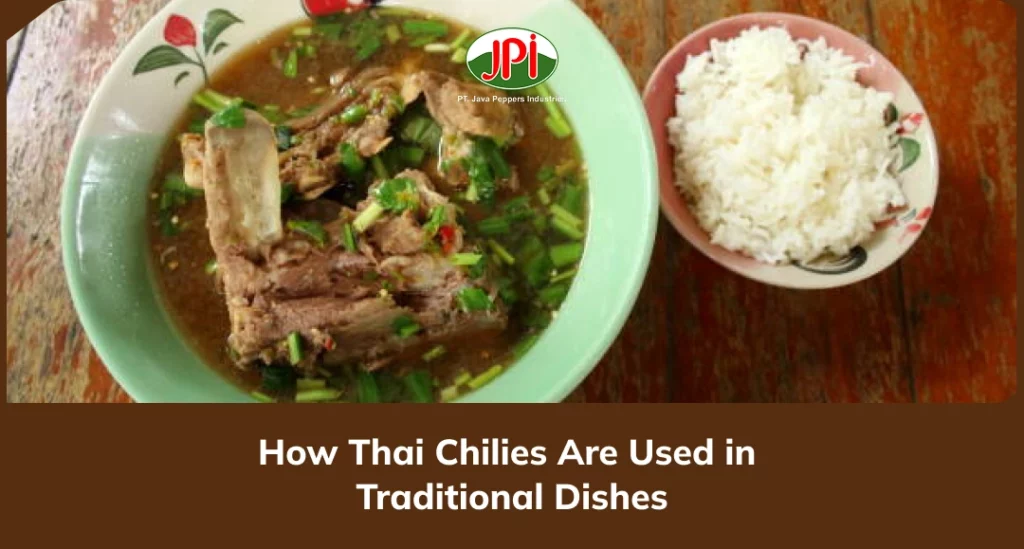
How Thai Chilies Are Used in Traditional Dishes
Thai cuisine is known for its balance of spicy, sour, sweet, salty, and bitter flavors. Thai chilies play a key role in achieving this balance.
In dishes like Tom Yum, Bird’s Eye chilies are crushed to release their heat into the broth, creating a spicy and refreshing soup. For Som Tam (green papaya salad), fresh chilies are pounded with garlic and lime juice, delivering a sharp and vibrant spiciness that wakes up the palate.
Curry pastes such as red curry and green curry rely heavily on dried and fresh Thai chilies. The chilies are blended with herbs and spices to create a rich base that defines the character of the dish. Without the right chili variety, the curry would lose its authentic taste.
Stir-fried dishes like Pad Kra Pao use Thai Bird’s Eye chilies to create a spicy kick that pairs perfectly with basil and savory sauces. Even simple condiments like nam prik (Thai chili dips) showcase how chilies can be the star of the meal.
The beauty of Thai chilies lies in their versatility. They can be used whole, chopped, crushed, dried, or blended, depending on the desired flavor and heat level.
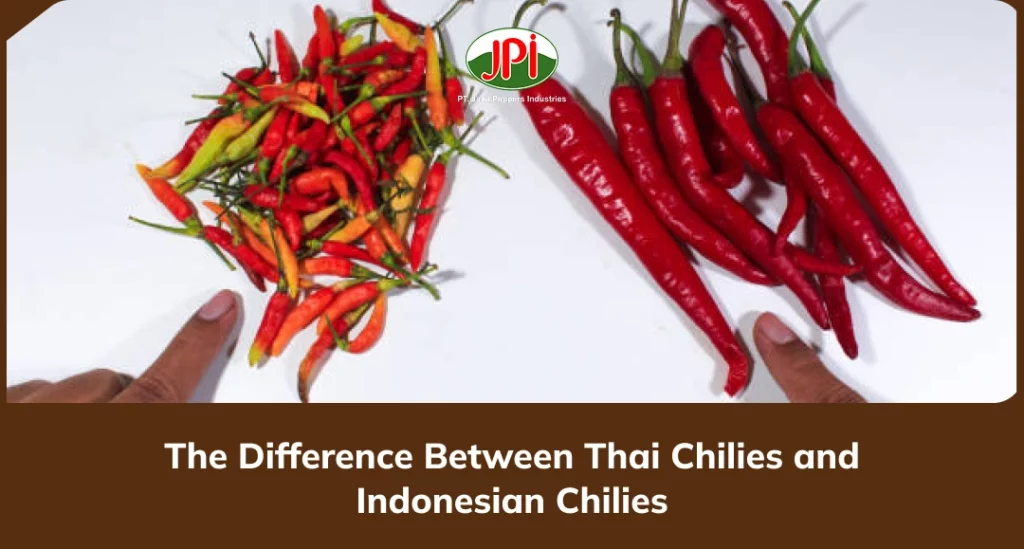
The Difference Between Thai Chilies and Indonesian Chilies
While Thai and Indonesian cuisines both love spicy food, there are clear differences between Thai chilies and Indonesian chilies.
Thai chilies, especially Bird’s Eye chilies, are generally smaller but much hotter. Their heat is sharp and immediate, making them ideal for quick-cooking dishes and fresh applications. They also tend to have a cleaner, brighter flavor.
Indonesian chilies, such as cabai merah and cabai rawit, vary widely in size and heat. Many Indonesian chilies have a deeper, slightly sweeter taste and are often cooked longer in oil to develop richness. Indonesian sambals usually rely on slow cooking, which gives the chilies a more complex and mellow heat.
Another difference is usage. Thai cuisine often uses chilies fresh to highlight natural heat, while Indonesian cooking frequently involves frying or roasting chilies to enhance aroma and depth.
Understanding these differences can help cooks choose the right chili for the right dish, especially when experimenting with Southeast Asian recipes.
Let’s order via the button below now!
Conclusion
Thai chilies are more than just spicy ingredients—they are essential elements that define Thai cuisine. By learning about different Thai Chili Varieties, how they are used in traditional dishes, and how they compare to Indonesian chilies, you gain a deeper appreciation for Thai food culture.
If you enjoy bold flavors and love exploring new ingredients, Thai chilies are definitely worth knowing. With the right knowledge, you can bring authentic Thai heat and flavor into your own kitchen and experience the true essence of Thai cooking.
The Ghost Pepper Scoville rating attracts chili enthusiasts because its heat feels intense and unforgettable. Many people try it for the thrill, and the pepper’s fire surprises first-timers. The heat level also highlights how powerful natural capsaicin can be. This rating helps people understand the pepper better and prepare before tasting it.
Curious? Let’s read more in the following article!
How Hot Is the Ghost Pepper?
Ghost Pepper heat often shocks beginners. The burn rises quickly, and the sensation lasts longer than expected. Many people hear stories about its extreme fire, so they want to know the real number behind it. Understanding the rating helps users stay safe and confident when handling this chili.
1. Ghost Pepper Heat Range
The Ghost Pepper reaches around 1,000,000 SHU. This number places it far above common peppers used in daily cooking. The heat builds slowly and then intensifies. Many people feel the burn spreading through the mouth and throat. Chefs usually use very small portions, and home cooks do the same. This pepper delivers a bold experience for anyone who enjoys strong spice.
2. Comparison to Other Peppers
The Ghost Pepper stands far above jalapenos, which reach only a few thousand SHU. The gap is huge, so beginners must stay careful. Even habaneros fall far behind in heat. Many spice lovers treat the Ghost Pepper as a challenge. People often prepare sauces with tiny amounts because the fire dominates quickly. This chili creates a powerful impact that leaves a long-lasting impression.
3. Effects on the Body
The Ghost Pepper triggers intense heat, and the body reacts quickly. Many people start sweating, and some feel their eyes watering. The heart rate rises as the burn builds. Some enjoy the rush, while others find it overwhelming. Beginners should approach it slowly and learn their limits. Milk can help reduce the discomfort.
What Is the Scoville Scale?
The Ghost Pepper Scoville rating becomes easier to understand after learning the basics of the Scoville Scale. This scale helps people compare peppers based on their capsaicin levels. It offers simple numbers that show heat levels clearly. This makes it useful for cooks, food makers, and anyone curious about chili spice.
1. How the Scale Works
The Scoville Scale measures capsaicin, the compound responsible for chili heat. The original method used taste testers who diluted chili extract until the heat faded. Modern techniques use machines that detect capsaicin more accurately, creating more consistent results. This system helps classify peppers from mild to extreme. Many beginners find it easy to use and understand.
2. Why the Scale Matters
The scale helps people choose peppers that suit their preferences. Cooks rely on the numbers to decide how much chili to add. Spicy food makers use the scale when labeling their products. A clear rating prevents unwanted surprises in the kitchen. The Ghost Pepper Scoville rating explains why it feels extremely hot. Many trust this scale because it offers reliable measurements.
3. Scoville in Everyday Use
Restaurants sometimes show Scoville numbers on their menus, helping guests choose dishes confidently. Hot sauce brands include Scoville ratings on labels, allowing customers to understand the heat before buying. Chili growers also follow the scale to identify strong varieties. The Ghost Pepper frequently appears in spice competitions and food challenges. People enjoy comparing numbers and testing their limits. This scale continues to support anyone exploring the world of chili heat.
Culinary Uses of Cherry Peppers Compared to Super-Hot Varieties
Monsera cherry peppers offer a mild, bright, spicy flavor, making them more versatile than super-hot varieties. Many people appreciate their natural sweetness, and they pair well with a variety of dishes. Monsera pairs them with olives, tuna, capers, or anchovies for a rich, balanced snack. These peppers complement salads, sandwiches, and other dishes because their spiciness remains subtle and enjoyable. Unlike ghost peppers or other super-hot varieties, cherry peppers emphasize flavor rather than intensity. This quality makes them ideal for everyday cooking and for anyone who prefers a mild spice without excessive heat.
Let’s order via the button below now!
Conclusion
The Ghost Pepper Scoville rating shows the chili’s intense heat and helps people understand its strength. This information supports safe use and confident tasting. The scale also guides cooks and spice fans as they explore different peppers. A clear rating always improves the overall experience. Lastly, don’t forget to order and see you again with other interesting information.
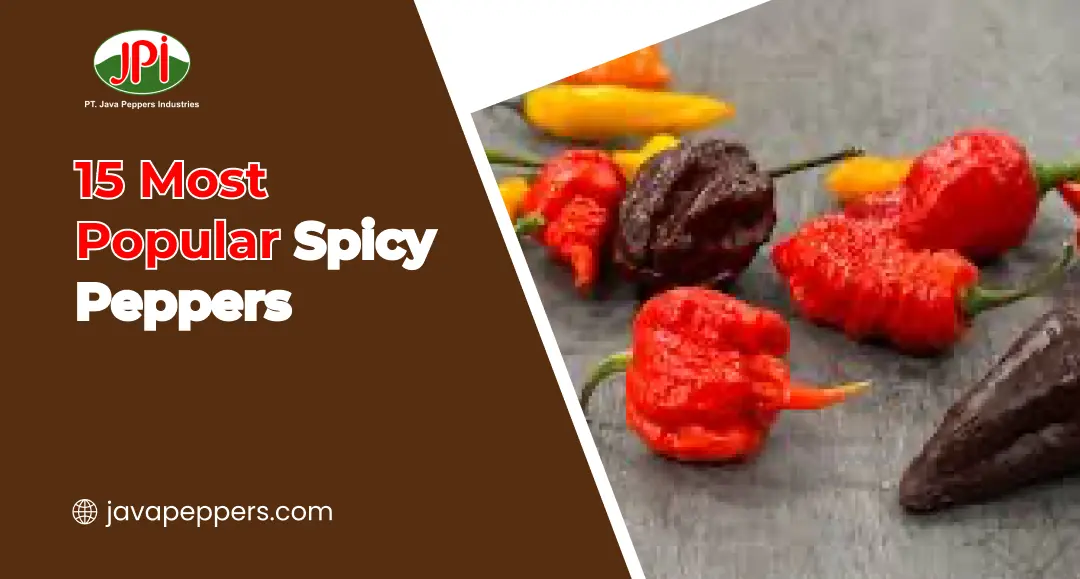
Spicy lovers everywhere know that exploring the different types of spicy peppers brings excitement to the kitchen. From mildly warm to intensely pungent, chili peppers offer a wide range of flavors and heat.
This time, you’ll discover fifteen of the most popular hot peppers, why people love them, and how to enjoy them safely. You’ll also find helpful tips for consuming chili peppers safely so you can manage your heat wisely.
So, let’s dive into the full discussion in the following article!
Types of Spicy Peppers
Here are fifteen widely loved types of spicy peppers, listed from mild to extreme heat, along with their unique traits:
Jalapenos are familiar green peppers with a moderate heat level, ranging from 2,000 to 8,000 SHU.
The Fresno is similar to the jalapeño but slightly spicier, ranging from 2,500 to 10,000 SHU.
Serrano peppers have a sharper, spicier flavor, ranging from 10,000 to 25,000 SHU.
Cayenne peppers are long, thin, and red. They are usually dried or ground. Their spiciness ranges from 30,000 to 50,000 SHU.
Tabasco is known for its famous sauce. It has a SHU of around 30,000 to 50,000.
Bird’s Eye Chili, or Thai Chili, is small but powerful. Its spiciness reaches 50,000 to 100,000 SHU.
Scotch bonnets are common in Caribbean cuisine. Their spice level ranges from 100,000 to 350,000 SHU.
Habaneros are bright orange or red peppers with a strong, spicy flavor, ranging from 100,000 to 575,000 SHU.
Red Savina is a special habanero cultivar bred for a higher spiciness of up to 577,000 SHU.
The Ghost Chili, or Bhut Jolokia, is one of the first super-hot chilies, with a SHU of over 1,000,000.
Naga Morich originates from India and Bangladesh, reaching over 1,000,000 SHU.
The Trinidadian Moruga scorpion has a heat rating of around 1,200,000 to 2,000,000 SHU.
The Carolina Reaper is a former world record holder. Its average heat is around 1,600,000 SHU, with peaks exceeding 2,000,000 SHU.
Pepper X holds the current record with a spiciness rating of approximately 2,693,000 SHU.
Xiao Mi La is common in Chinese cuisine with a spice level of around 75,000 SHU.
Tips For Safely Eating Chilies
Eating very hot peppers can be thrilling but risky if you’re not prepared. Follow these tips to enjoy their flavor safely.
1. Wear Gloves When Cutting Super Hot Peppers
Capsaicin, the compound responsible for heat, concentrates in the seeds and membranes. Gloves prevent skin burns and stop heat from transferring to your eyes or face. Always wash your hands with soap afterward.
2. Start With Small Portions
When trying a new pepper, begin with a small slice. Gradually increase if comfortable. This helps you enjoy the flavor without overwhelming your palate or upsetting your stomach.
3. Keep Dairy or Starch Nearby
When heat becomes too intense, milk, yogurt, or bread can calm the burn. These foods bind to capsaicin and neutralize its effects faster than water.
4. Avoid Touching Your Face or Eyes
Even a trace of chili oil on your fingers can cause severe irritation. Wash your hands thoroughly after handling peppers, especially super-hot ones.
5. Know Your Limits
Peppers like the Carolina Reaper or Pepper X can be dangerously intense. If you feel pain, dizziness, or nausea, stop eating and take a break.
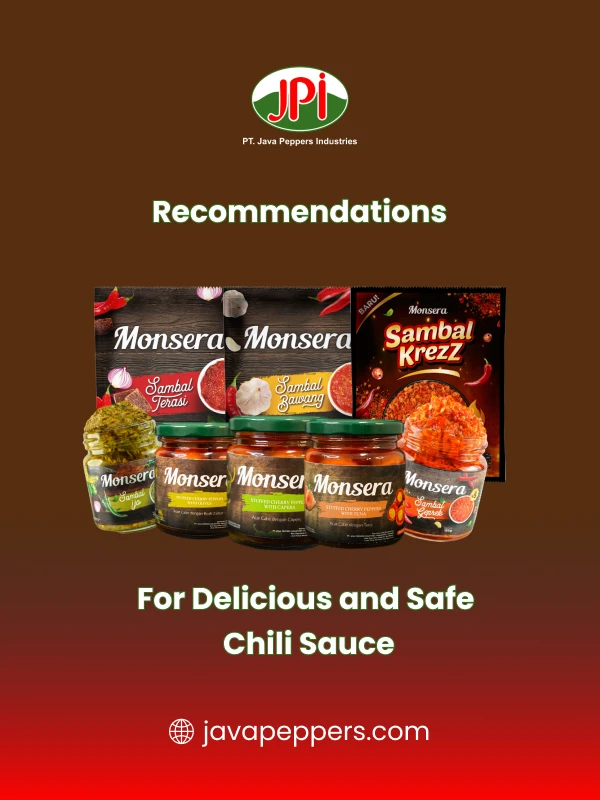
Recommendations For Delicious and Safe Chili Sauce
Choose a chili sauce like Sambal Monsera, which clearly lists the spice level so you can adjust it to your liking. This product uses fresh ingredients and is vacuum-packed hygienically to maintain quality. Start with a mild variant and then work your way up to spicier flavors as your tolerance increases.
Store in the refrigerator after opening and use before the expiration date. Use chili sauce in your dishes for added flavor and heat, but balance it with a cooling ingredient like yogurt or bread to keep the spiciness comfortable.
Let’s order via the button below now!
Conclusion
Exploring these types of hot peppers will add excitement and strong flavor to your dishes, and use chili sauce wisely. Lastly, don’t forget to order and see you again with other interesting information.