How To Dry Peppers – Drying peppers is one of the most effective ways to preserve their flavor, color, and nutritional value while extending shelf life. If you’ve ever wondered how to dry peppers for commercial purposes, especially export, the process involves more than just leaving them under the sun. Proper techniques ensure quality, safety, and compliance with international standards.
So you don’t get confused, read the following article!
Benefits of Dried Chilies
Dried chilies are in high demand across the world, not only because of their long shelf life but also due to their concentrated flavor. When fresh peppers are dried, their natural sugars and heat intensify, making them more valuable in culinary applications.
One major advantage is preservation. Fresh peppers spoil quickly due to high moisture content, but drying reduces moisture to a level where bacteria and mold cannot thrive. This makes dried chilies ideal for long-distance shipping and export.
Another benefit is economic value. Dried peppers are lighter and take up less space, reducing transportation costs. Exporters can store large quantities without worrying about rapid spoilage, which improves profitability.
Additionally, dried chilies are versatile. They can be ground into powder, rehydrated for cooking, or used whole in various cuisines. This flexibility increases their appeal in international markets, especially in food industries that require consistent spice quality.
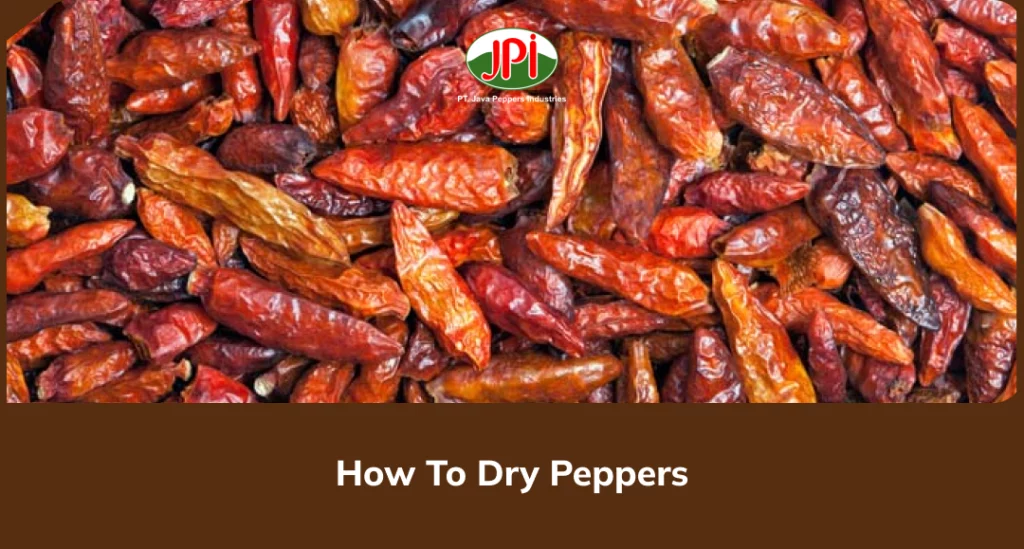
How To Dry Peppers
Understanding how to dry peppers properly is essential if you aim to export them. The process must ensure cleanliness, uniform drying, and compliance with food safety standards.
1. Selecting the Right Peppers
Start with fresh, fully ripe peppers. They should be free from damage, mold, or insect contamination. Uniform size and color are important for export quality, as buyers prefer consistent products.
2. Cleaning and Preparation
Wash the peppers thoroughly to remove dirt and residues. After washing, dry them using a clean cloth or air drying. Depending on the type, you may leave them whole or slice them to speed up the drying process.
3. Choosing a Drying Method
There are several methods to consider:
Sun Drying: This traditional method is cost-effective and widely used in tropical regions. Spread peppers evenly on clean trays and place them under direct sunlight. Cover with a mesh to protect from dust and insects. Drying typically takes several days depending on weather conditions.
Oven Drying: Suitable for controlled environments. Set the oven to a low temperature (around 50–60°C) and allow moisture to evaporate gradually. This method produces more consistent results.
Dehydrator Drying: A food dehydrator is the most efficient option for commercial purposes. It ensures even drying and better hygiene, which is crucial for export standards.
4. Monitoring Moisture Levels
Proper drying reduces moisture content to around 10–12%. Peppers should feel brittle and snap easily when bent. Inconsistent drying can lead to mold growth during storage, which is unacceptable for export.
5. Cooling and Packaging
After drying, allow peppers to cool completely before packaging. Use airtight, food-grade packaging materials to prevent moisture absorption. Vacuum sealing is highly recommended for export shipments.
6. Storage and Quality Control
Store dried peppers in a cool, dry place away from direct sunlight. Regularly check for signs of moisture or contamination. Maintaining quality is essential to meet international food safety regulations.
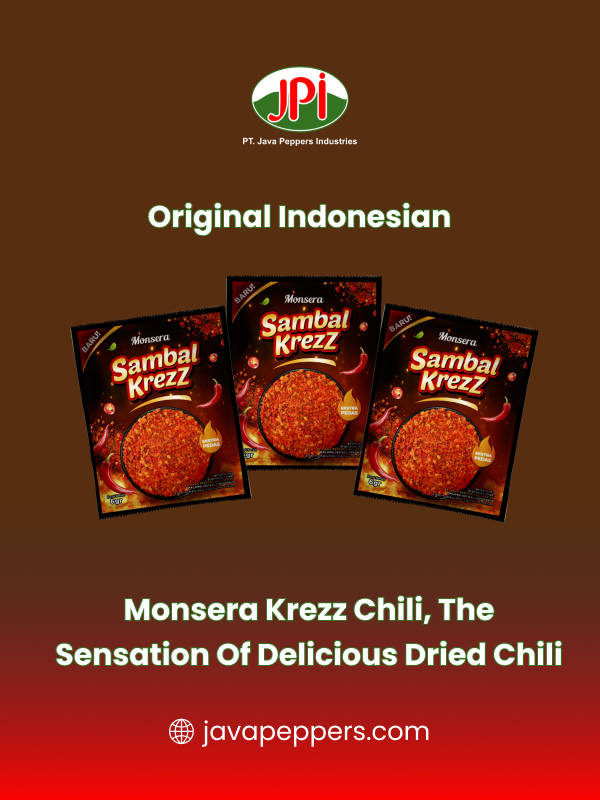
Monsera Krezz Chili, The Sensation Of Delicious Dried Chili
Monsera Krezz Chili delivers a premium dried chili experience inspired by expert methods on how to dry peppers. This innovative product features a unique crunchy sambal texture that creates a completely new taste sensation. Its crispy and dry consistency, combined with immersion in sunflower seed oil, produces a rich, flavorful profile in every bite. The careful drying process preserves the chili’s natural heat while enhancing its aroma and texture. Each spoonful offers a perfect balance of crunch and spice, making it an exceptional choice for modern consumers seeking high-quality, export-ready dried chili products.
Let’s order via the button below now!
Conclusion
Drying peppers for export requires careful attention to quality, hygiene, and consistency. By mastering how to dry peppers correctly, you can produce a durable, flavorful product that meets global standards. With the right process and market understanding, dried peppers can become a profitable export commodity.
How to Store Chili – Chili peppers are among the most traded spices in the world, valued for their heat, flavor, and vibrant color. For farmers, distributors, and food exporters, understanding how to store chili properly is the key to maintaining freshness, preventing spoilage, and meeting international quality standards. Without proper storage, chili can quickly lose its texture, aroma, and nutritional value leading to financial losses and rejected shipments.
In today’s global market, where countries such as India, China, Mexico, and Indonesia are major chili producers, export standards are becoming stricter. Buyers expect consistent quality, safe handling, and longer shelf life. That is why mastering the right storage techniques is not just important it is essential for successful chili export.
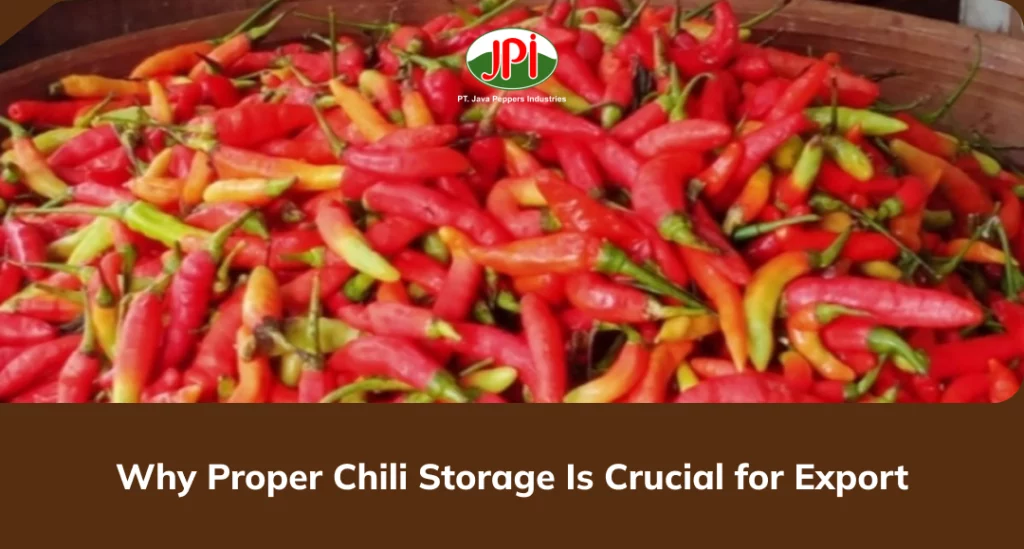
Why Proper Chili Storage Is Crucial for Export
Chili peppers are highly perishable, especially fresh chili. They contain high moisture levels, which make them vulnerable to mold, fungal infections, and rapid decay if not stored correctly. Poor storage conditions can lead to:
Loss of firmness and freshness
Growth of harmful microorganisms
Color fading and reduced visual appeal
Weight loss due to moisture evaporation
Rejection during quality inspection
International markets also enforce strict food safety regulations. Exported chili must be free from contamination, pesticide residue beyond permitted limits, and microbial growth. Maintaining the right temperature, humidity, and ventilation during storage and transportation significantly reduces these risks.
Additionally, proper storage helps preserve capsaicin content the compound responsible for chili’s spiciness and essential nutrients like vitamin C. Studies show that storing fresh chili at controlled temperatures between 7–10°C with 85–90% relative humidity can extend shelf life up to 2–3 weeks without major quality loss.
For exporters, knowing exactly how to store chili means protecting both product quality and business reputation.
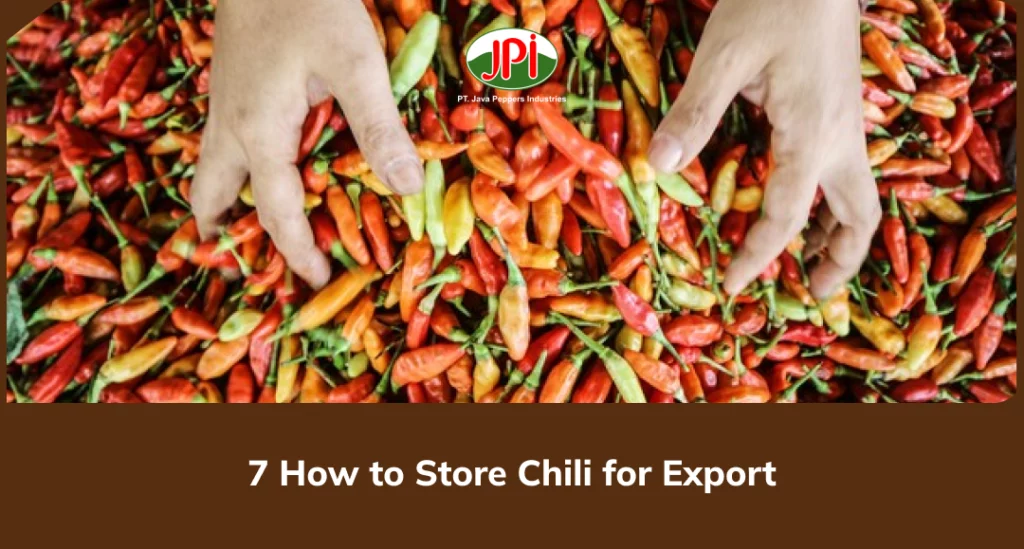
7 How to Store Chili for Export
Below are seven practical and effective methods to ensure chili remains in optimal condition during export:
1. Harvest at the Right Maturity Stage
Proper storage begins at harvest. Chili should be picked at the correct maturity level usually when the fruit reaches full size and desired color but is still firm. Overripe chili spoils faster, while underripe chili may not develop proper flavor during storage. Harvest during dry weather to prevent excess surface moisture.
2. Sort and Grade Immediately
After harvesting, sort chili carefully. Remove damaged, bruised, or diseased peppers. Grading by size and color ensures uniformity, which is crucial for export markets. This step reduces the risk of cross-contamination and prevents one spoiled chili from affecting the entire batch.
3. Clean and Dry Properly
Wash chili gently to remove dirt and debris. However, avoid soaking them for too long. After washing, ensure they are thoroughly air-dried before storage. Excess moisture encourages fungal growth. Proper drying significantly lowers post-harvest losses.
4. Use Proper Packaging Materials
Packaging plays a major role in maintaining freshness. For fresh chili, use ventilated plastic crates or perforated cartons that allow air circulation. Avoid tightly sealed containers that trap moisture. Modified atmosphere packaging (MAP) is increasingly used in modern export systems. This method adjusts oxygen and carbon dioxide levels inside packaging to slow down respiration and extend shelf life.
5. Maintain Optimal Temperature and Humidity
Temperature control is the most critical factor in understanding how to store chili for international shipping.
Fresh chili: 7–10°C
Relative humidity: 85–90%
Temperatures below 7°C may cause chilling injury, leading to soft spots and discoloration. Meanwhile, temperatures above 10°C accelerate spoilage. Cold storage facilities with continuous monitoring systems are highly recommended for exporters.
6. Apply Pre-Cooling Techniques
Pre-cooling removes field heat immediately after harvest. This step slows down respiration and microbial growth.
Common pre-cooling methods include:
Forced-air cooling
Hydro-cooling
Room cooling
Forced-air cooling is widely used in commercial export operations due to its efficiency and consistent results.
7. Monitor During Transportation
Storage does not end in the warehouse. During export, chili must be transported in refrigerated containers (reefers) with stable temperature settings. Continuous monitoring ensures that fluctuations are minimized. Temperature loggers are often used to track conditions throughout the shipping journey.
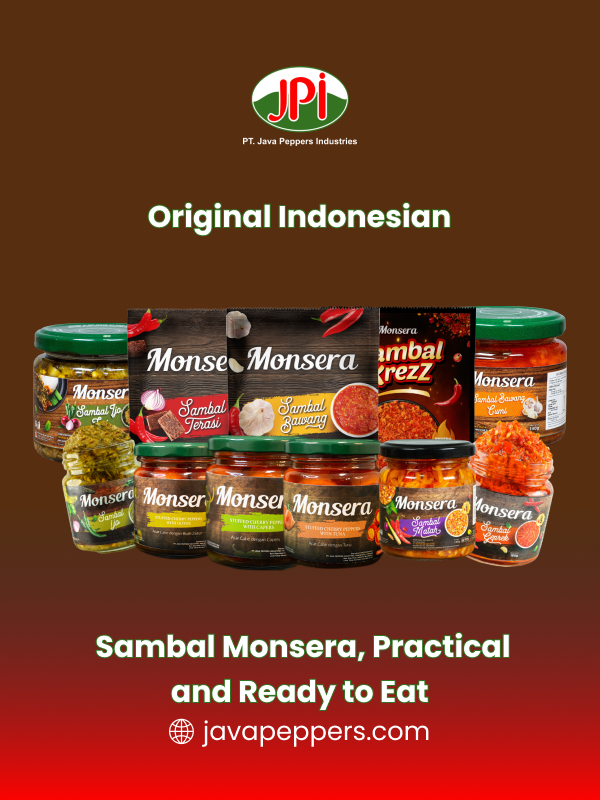
Original Indonesian Sambal Monsera, Practical and Ready to Eat
In addition to exporting fresh chilies, processed chili products are gaining popularity in the international market. One example is Monsera chili sauce, a ready to eat chili sauce inspired by traditional Indonesian flavors.
Indonesia is renowned for its variety of chili sauces. Therefore, Monsera offers Indonesia’s most popular chili sauces with delicious and unique flavors.
Products like Monsera chili sauce offer a practical solution for consumers who want authentic flavors without having to manually prepare fresh chilies.
For exporters, processed chili products offer several advantages:
Longer shelf life than fresh chilies
Lower risk of spoilage
Easier storage and transportation
Higher added value
Unlike fresh chilies, which require strict cold chain management, ready to eat chili sauce products are typically packaged in sealed jars or pouches with a pasteurization process to ensure safety and durability.
This diversification allows chili producers to expand beyond raw exports and capitalize on the growing global demand for ethnic and spicy foods.
Let’s order via the button below now!
Conclusion
Understanding how to store chili correctly is essential for maintaining freshness, meeting export standards, and reducing financial losses. From proper harvesting to temperature-controlled transportation, each step plays a vital role in preserving quality. With the right storage practices, exporters can confidently compete in the global chili market.
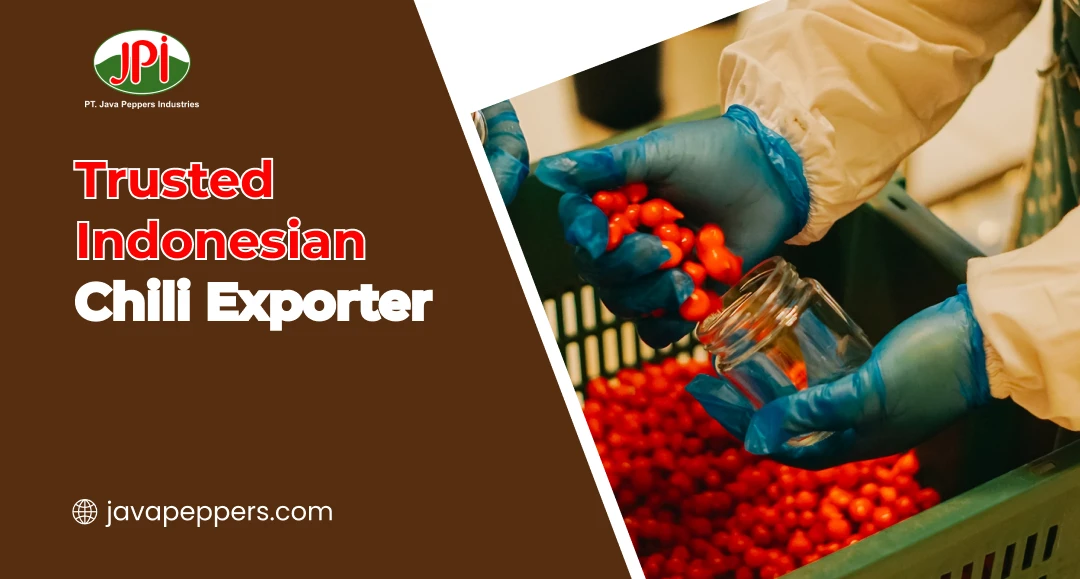
Indonesian chili has long been valued worldwide, and demand continues to grow. Moreover, interest in a Trusted Indonesian chili exporter increases as global buyers seek consistent quality.
Therefore, understanding why Indonesian chili leads the market is essential for importers who want reliability and long-term partnerships.
So, let’s take a look at the full discussion in the following article!
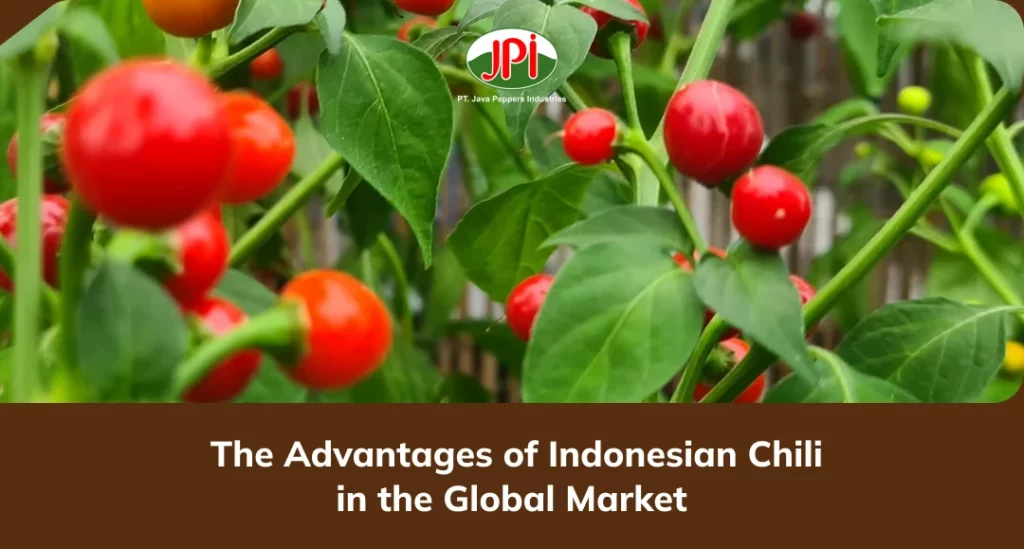
The Advantages of Indonesian Chili in the Global Market
Indonesia’s unique climate produces chilies with a distinctive spicy flavor and aroma. Furthermore, global buyers appreciate their consistent quality throughout the seasons, driving demand to increase annually.
Furthermore, Indonesian farmers are now implementing improved cultivation methods, allowing buyers to rely on a stable supply and rich flavor.
1. Strong and Distinctive Flavor
Indonesian chilies are known for their sharp spiciness and rich aroma. Furthermore, their flavor remains stable even after drying or processing. Therefore, many producers prefer them for sauces, chili powder, and frozen products.
Furthermore, these chilies adapt well to various culinary styles, making them a versatile and reliable ingredient for chefs and manufacturers.
2. Stable Year-Round Production Capacity
Indonesia benefits from fertile volcanic soil and warm tropical conditions. Furthermore, these factors support a continuous harvest cycle, thus maintaining stable production year-round.
Furthermore, national programs support local farmers, ensuring a strong export supply even during climate change.
3. Competitive Prices with High Quality
Indonesian chilies offer excellent value in global trade. Their prices remain competitive despite high demand, thus enabling importers to achieve better cost efficiency.
Furthermore, exporters implement better post-harvest handling practices. This ensures consistent quality without significant price increases.
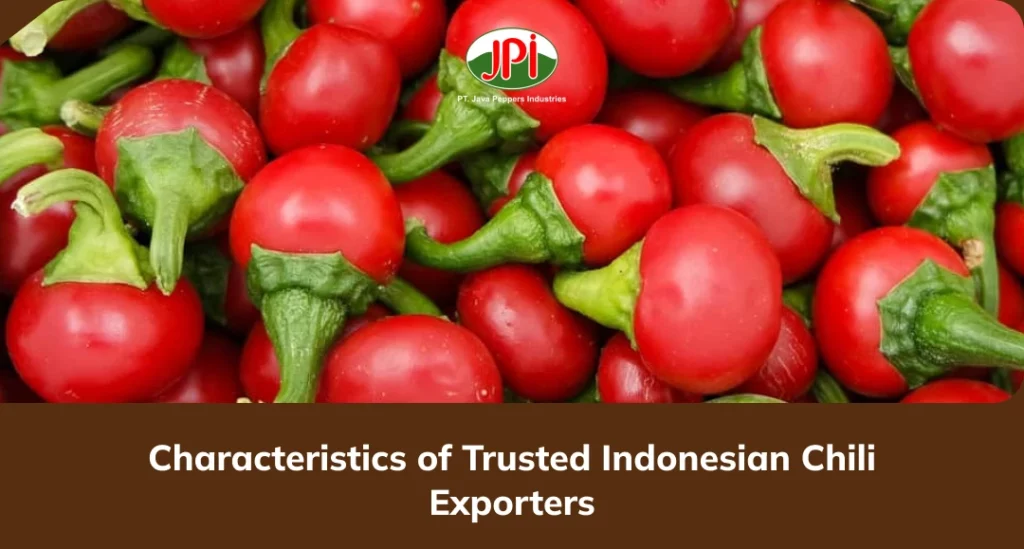
Characteristics of Trusted Indonesian Chili Exporters
Choosing a reliable export partner requires careful evaluation. Moreover, buyers must understand key exporter qualities. Therefore, reviewing their process, documentation, and transparency is crucial. Additionally, consistent communication should always be present. Consequently, importers can avoid issues and build strong long-term cooperation.
1. Compliance with International Certification
Trusted Indonesian chili exporters have adequate global certification. Furthermore, standards such as HACCP and GAP ensure safe production.
This ensures buyers receive chilies that meet international requirements. Certification audits are also conducted regularly, ensuring safety and traceability.
2. Transparent Quality Control Procedures
Reliable exporters implement rigorous quality checks from plantation to delivery. They utilize moisture content testing, sorting systems, and manual inspections.
Furthermore, only premium chilies are exported. Detailed quality reports are also shared with buyers. This way, clients feel confident with each shipment.
3. Consistent Communication and After-Sales Support
Professional exporters maintain clear communication throughout the export process. They also provide schedules, product details, and up-to-date documentation, keeping buyers informed at every stage.
Professional exporters also provide strong after-sales support for any complaints. This strengthens long-term business relationships.
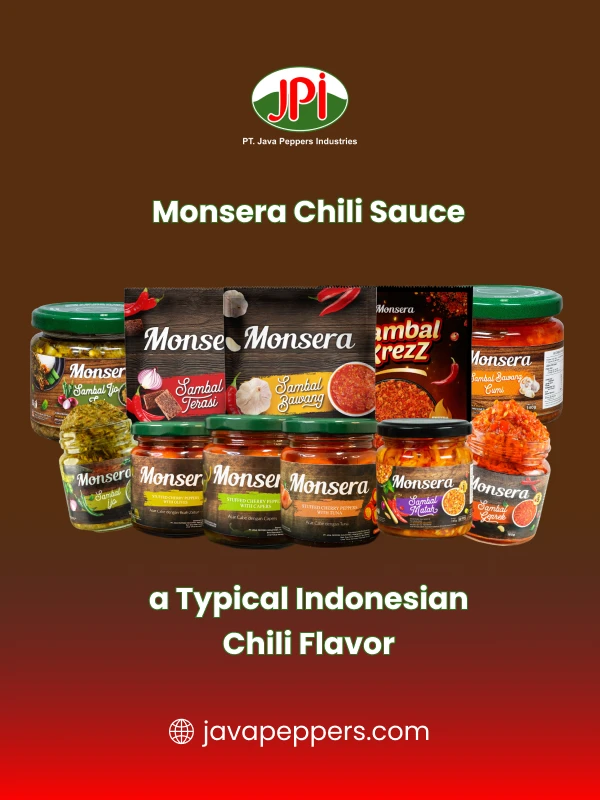
Monsera Chili Sauce, a Typical Indonesian Chili Flavor
Monsera Chili Sauce brings the authentic taste of Indonesian chili peppers to life through its bold spiciness and rich aroma. Made from hand-picked fresh chili peppers combined with high-quality sunflower seed oil, this sauce creates a distinctive flavor that’s loved by many.
Monsera offers a variety of variants, including chili garlic sauce, green chili sauce, shrimp paste chili sauce, crushed chili sauce, and raw chili sauce. Each sambal variant highlights a unique regional specialty.
This sauce offers a taste of Indonesia’s diverse spice culture in every spoonful. With its balanced flavor and consistent quality, Monsera is the perfect choice for anyone seeking a true Indonesian chili experience that pairs perfectly with local and international dishes.
Let’s order via the button below now!
Conclusion
Indonesian chili peppers continue to strengthen their position in the global market. Choosing a trusted Indonesian chili exporter ensures high-quality and reliable supplies. Therefore, importers can build profitable partnerships with long-term confidence and security, backed by Indonesia’s rich agricultural potential. Lastly, don’t forget to order and see you again with other interesting information.