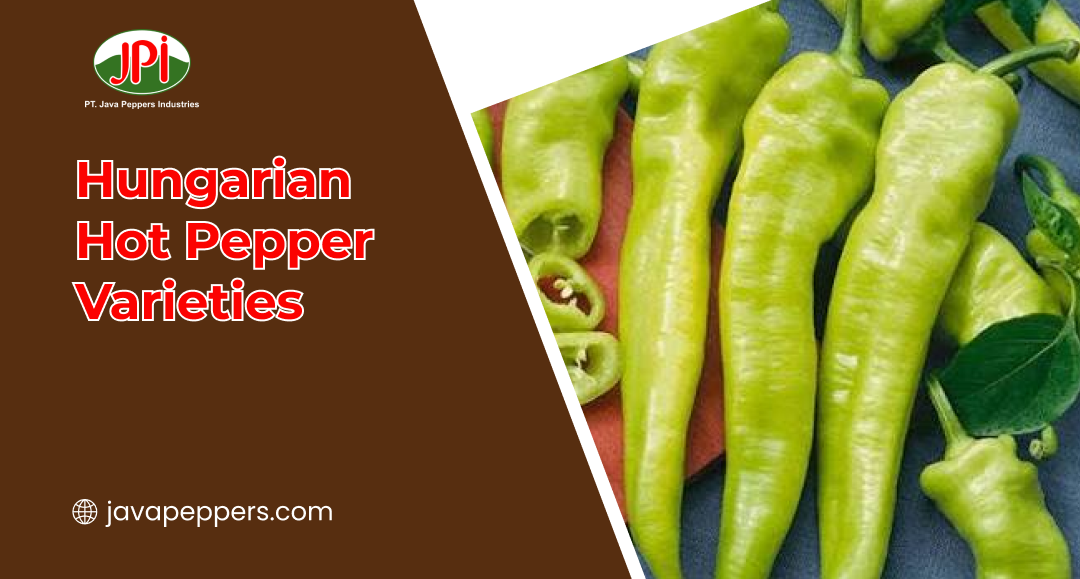
Hungarian Hot Pepper – If you love spicy food, then the hungarian hot pepper is something you should know well. Hungary has a long and proud tradition of growing peppers. These peppers are used in some of the most beloved dishes in Eastern European cuisine. Moreover, they come in many shapes, sizes, and heat levels. This article will help you understand the different types, how to grow them, and how to cook with them.
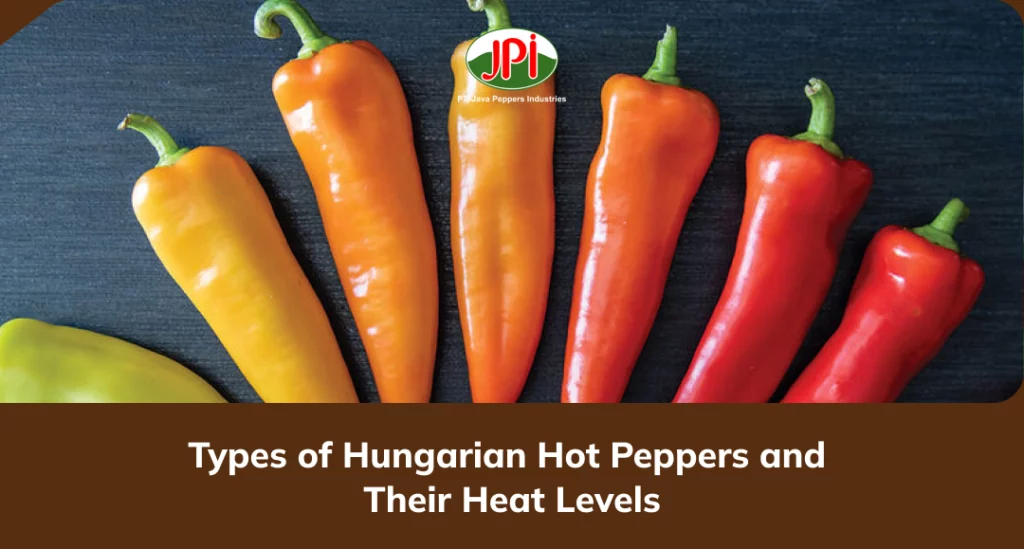
Types of Hungarian Hot Peppers and Their Heat Levels
Hungarian Wax Pepper
Hungarian Wax Pepper is one of the most popular pepper varieties from Hungary. It has a mild to medium heat level ranging from 1,000 to 15,000 SHU. This pepper is often eaten fresh in salads, sandwiches, and other dishes. Its bright yellow color makes it easy to recognize.
Erős Pista (Hot Steve)
Erős Pista is a famous Hungarian chili paste made from hot peppers. It is widely used as a condiment in many Hungarian homes. The peppers used can reach heat levels of up to 100,000 SHU. Because of its strong flavor, it is often added to soups, stews, and meat dishes.
Paprika Pepper (Sweet and Hot)
Paprika peppers are an important part of Hungarian cooking. They are commonly dried and ground into paprika powder. Sweet varieties have very little heat, while hot varieties can reach around 5,000 SHU. This allows people to choose a flavor that suits their taste.
Cseresznyepaprika (Cherry Pepper)
Cseresznyepaprika is a small, round pepper that looks like a cherry. Despite its size, it can provide a noticeable level of heat. Its heat level ranges from 1,500 to 10,000 SHU. This pepper is commonly used for pickling and stuffing.
Feketecseresznye (Black Cherry Pepper)
Feketecseresznye is a unique pepper known for its dark color. It offers a rich and slightly smoky flavor. Its heat level ranges between 5,000 and 30,000 SHU. Many pepper enthusiasts enjoy it for both its appearance and taste.
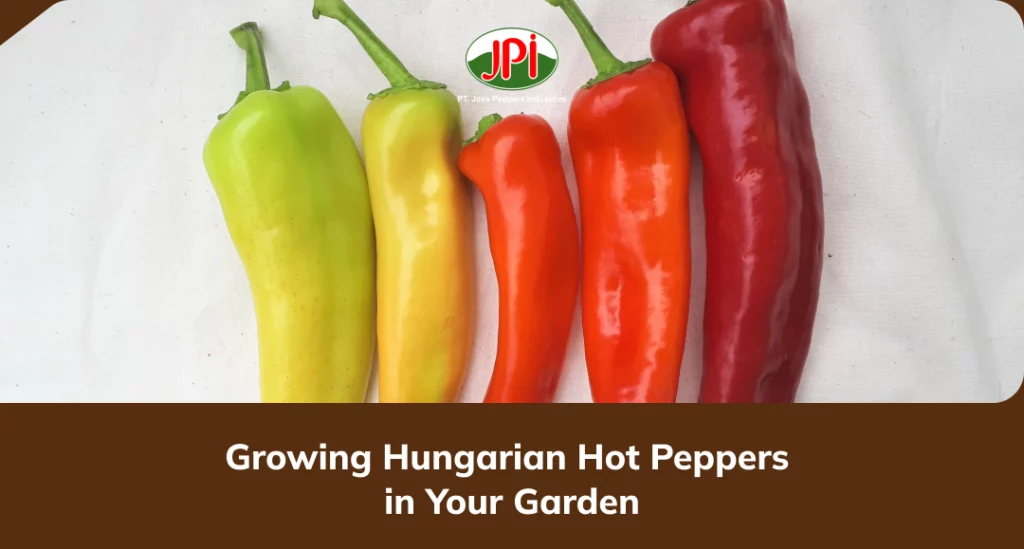
Growing Hungarian Hot Peppers in Your Garden
Choosing the Right Seeds
Always choose seeds from a trusted and reliable supplier. High-quality seeds usually produce healthier plants and better yields. Heirloom seeds are often preferred for authentic Hungarian pepper varieties. Taking time to research before buying can help you get the best results.
Starting Seeds Indoors
Pepper seeds should be started indoors about 8 to 10 weeks before the last frost. Warm temperatures help the seeds germinate faster and more evenly. Place the seedlings near a sunny window or under grow lights. Good lighting helps young plants grow strong and healthy.
Soil and Fertilizer Requirements
Hungarian hot peppers grow best in loose, well-draining soil. A soil pH between 6.0 and 6.8 is considered ideal. Balanced fertilizer can support healthy growth and fruit production. Adding organic compost can also improve soil quality naturally.
Watering and Sunlight
Pepper plants need at least 6 to 8 hours of sunlight each day. Water them deeply when the soil begins to dry out. Avoid overwatering because it can damage the roots. Checking soil moisture regularly can help maintain healthy plants.
Pest and Disease Management
Common pests include aphids, spider mites, and pepper weevils. Fungal diseases can also affect pepper plants if conditions are too humid. Neem oil is a natural solution that can help control many pests. Crop rotation is another useful method for preventing plant diseases.
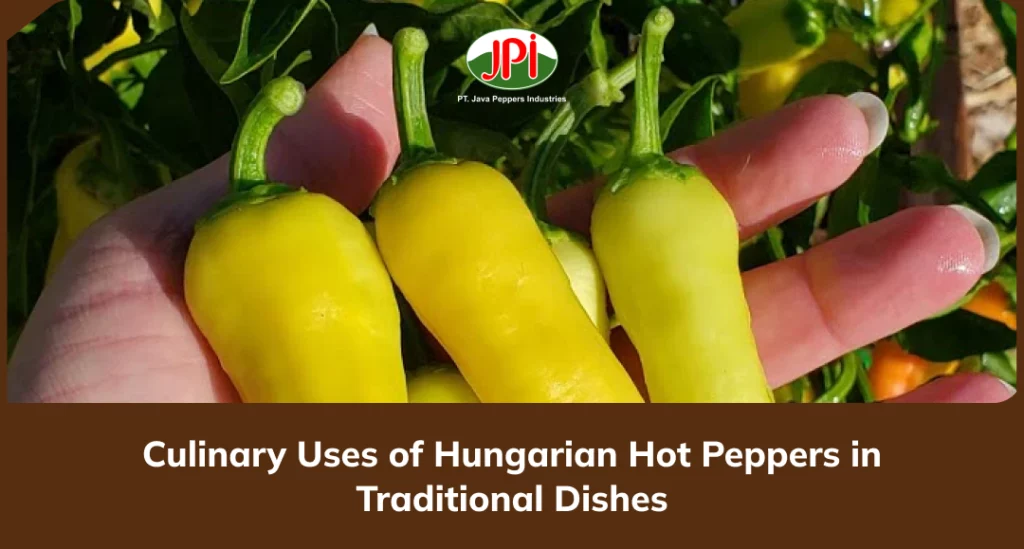
Culinary Uses of Hungarian Hot Peppers in Traditional Dishes
Goulash (Gulyás)
Goulash is one of the most famous dishes in Hungary. Hot and sweet paprika are important ingredients in this stew. They provide a rich flavor and a deep red color. Goulash is often served with traditional Hungarian noodles called csipetke.
Lecsó
Lecsó is a simple dish made with peppers, tomatoes, and onions. It is often compared to ratatouille because of its similar ingredients. Hot peppers are added to give the dish extra flavor and spice. This dish is especially popular during the summer harvest season.
Stuffed Peppers
Töltött Paprika is a traditional Hungarian comfort food. Peppers are filled with a mixture of rice and minced meat. They are slowly cooked in a flavorful tomato-based sauce. Hungarian Wax Peppers are commonly used for this recipe.
Paprikash
Chicken Paprikash is a well-known Hungarian chicken dish. It uses paprika to create a rich and slightly spicy flavor. Sour cream is added to make the sauce creamy and balanced. This dish is popular among people who enjoy hearty meals.
Pickled Peppers
Pickled peppers are a common side dish in Hungarian cuisine. They are made using a mixture of vinegar, salt, and sugar. Pickling helps preserve peppers for a longer time. Cherry Peppers are one of the most popular varieties used for this purpose.
Monsera Chili Sauce, A Typical Indonesian Spicy Flavor
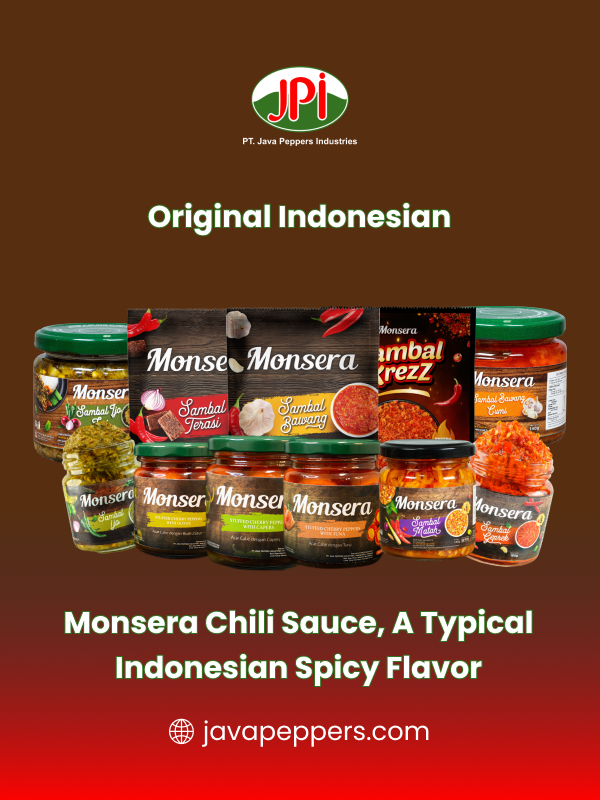
Indonesia is famous for its rich culinary heritage and spicy food culture. Monsera Chili Sauce represents one of the authentic Indonesian spicy flavors made from selected chili peppers and natural ingredients. The sauce combines spicy, savory, and slightly sweet flavors that complement various dishes such as fried rice, noodles, seafood, grilled chicken, and traditional snacks.
Its authentic taste reflects Indonesia’s diverse food traditions and appeals to consumers seeking bold Asian flavors. With increasing global interest in Indonesian cuisine, Monsera Chili Sauce has strong potential in international markets, especially among buyers looking for unique and premium spicy condiments from Southeast Asia.
Let’s order via the button below now!

Conclusion
The world of hungarian hot pepper is rich, diverse, and full of flavor. From mild wax peppers to fiery cherry bombs, there is a variety for every palate.