Many people are searching for natural ways to manage their body weight. Interestingly, one answer might already be sitting in your kitchen spice rack. A growing number of studies suggest that chili can reduce weight when consumed as part of a balanced diet. Therefore, it is worth exploring the science behind this spicy claim before adding more chili to your meals.
Chili peppers have been used in cooking for thousands of years across many cultures. Moreover, they are known for their distinctive heat and vibrant flavor. However, beyond taste, chili peppers contain a powerful compound called capsaicin. Consequently, this compound has attracted significant attention from nutrition researchers worldwide.
This article will examine whether chili’s weight loss benefits are real or just a myth. Additionally, we will explore how chili actively supports the weight loss process. Finally, we will look at how chili peppers specifically boost your metabolism. Read on to discover what the science really says.
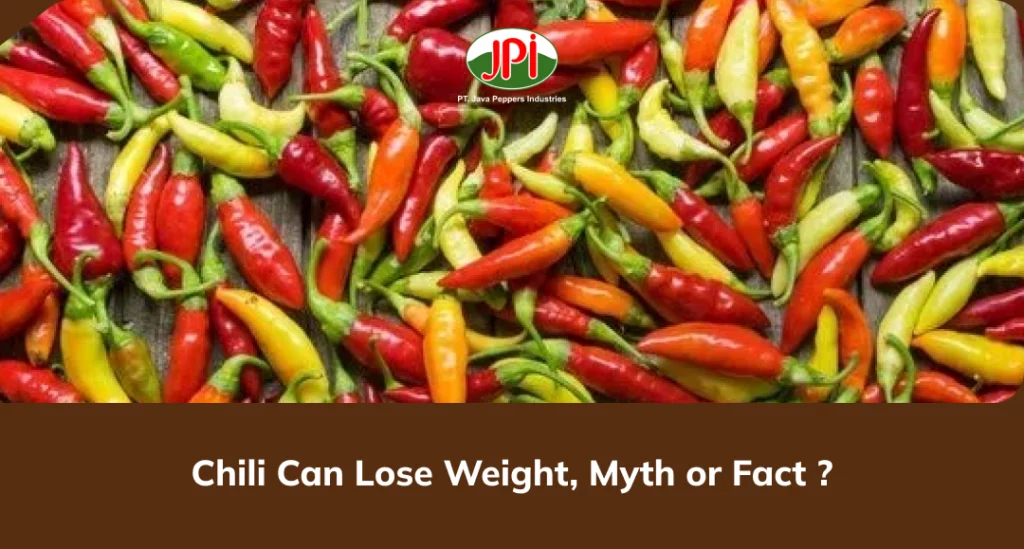
Can Chili Reduce Weight, Myth or Fact?
Capsaicin Has Been Scientifically Studied
Capsaicin is the active compound that gives chili its spicy taste. Scientists have studied this compound in many nutrition and health researches. Several studies show that capsaicin may help support weight management. Because of this, the connection between chili and weight loss is considered a scientific fact rather than just a myth.
Eating chili alone will not automatically make someone lose weight. A healthy diet and regular exercise are still the most important factors for weight management. However, chili can support these healthy habits naturally. Therefore, chili should be viewed as a helpful addition to a balanced lifestyle.
The Effect Varies Between Individuals
Not everyone experiences the same effects after eating chili. People who rarely consume spicy food may notice stronger reactions at first. Body type, metabolism, and spice tolerance can also influence the results. As a result, some individuals may experience greater weight-related benefits than others.
The benefits of chili usually appear after consistent consumption over time. Eating chili once in a while may not create noticeable changes. Moderate daily use is considered more effective for supporting metabolism and appetite control. Therefore, regular intake is more important than consuming large amounts occasionally.
Quality and Quantity of Chili Matter
Fresh and natural chili peppers are generally healthier than processed chili products. Many bottled sauces contain added sugar, salt, and preservatives. These extra ingredients may reduce the health benefits of chili itself. Because of this, fresh or dried whole chili peppers are often the better option.
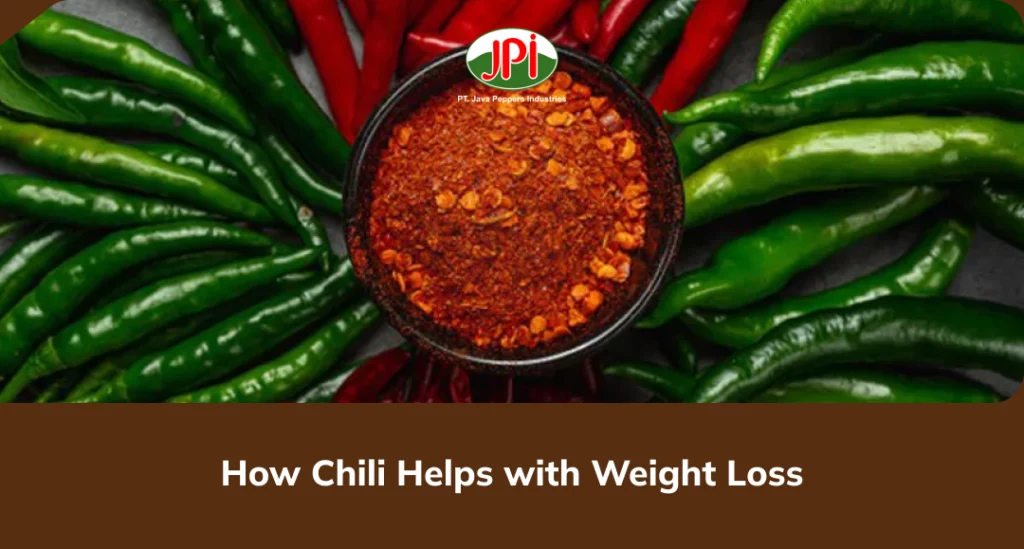
How Chili Helps with Weight Loss
Chili Reduces Appetite Naturally
Capsaicin may help reduce feelings of hunger naturally. People who eat spicy food often feel full for a longer period after meals. This can help lower the amount of calories consumed during the day. As a result, chili may support healthier eating habits without strict dieting.
Chili Increases the Body’s Heat Production
When chili is consumed, the body produces more heat through a process called thermogenesis. This process requires extra energy and helps burn additional calories. Even a small increase in calorie burning can support long-term weight management. Therefore, chili may help the body use energy more efficiently.
Fat Oxidation Is Promoted by Capsaicin
Capsaicin may encourage the body to burn stored fat for energy. This effect can become stronger during physical activity and exercise. Combining chili consumption with regular workouts may improve fat-burning results. Because of this, chili is often associated with active and healthy lifestyles.
Blood Sugar Levels Are Stabilized
Chili may help maintain more stable blood sugar levels after eating. Stable blood sugar can reduce cravings for sugary snacks and unhealthy foods. This helps people control their appetite throughout the day more effectively. As a result, chili may indirectly support healthier weight control.
Digestive Health Is Supported
Moderate chili consumption may support a healthier digestive system. Chili contains antioxidants and natural compounds that can benefit gut health. A healthy digestive system helps the body process nutrients more efficiently. Therefore, digestion and metabolism may work better when chili is consumed properly.
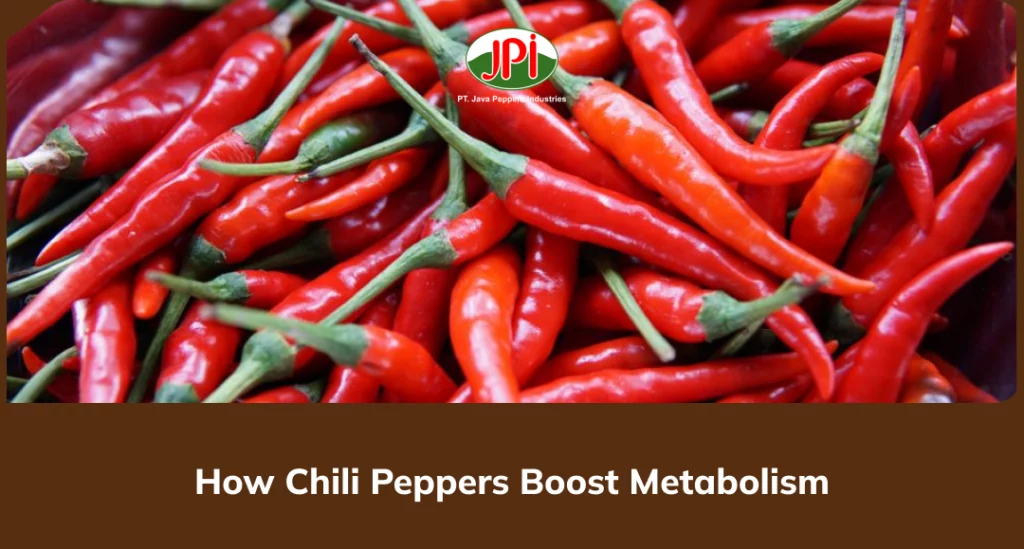
How Chili Peppers Boost Metabolism
Capsaicin Activates Calorie-Burning Receptors
Capsaicin interacts with special receptors in the body called TRPV1 receptors. These receptors are linked to heat production and calorie burning. When activated, the body temporarily burns more energy than usual. Because of this, metabolism can increase for several hours after eating chili.
Resting Metabolic Rate Is Increased
Some studies suggest that capsaicin may slightly increase resting metabolic rate. This means the body burns more calories even while resting or relaxing. Although the increase is not extremely large, it may support gradual weight management over time. Regular chili consumption may therefore contribute to daily calorie burning.
Brown Fat Activity Is Stimulated
The body contains brown fat, which helps burn calories to create body heat. Capsaicin has been shown to stimulate the activity of this type of fat. Increased brown fat activity may improve the body’s natural metabolism. As a result, chili can support more efficient energy use.
Muscle Recovery Is Supported After Exercise
Capsaicin has anti-inflammatory properties that may help reduce muscle soreness. Faster recovery allows people to stay active and exercise more consistently. Regular physical activity is important for maintaining a healthy metabolism. Therefore, chili may indirectly support fitness and calorie burning through improved recovery.
Water Weight Is Reduced Through Sweating
Eating spicy chili often causes the body to sweat naturally. Sweating helps remove excess water stored in the body temporarily. This can create a short-term reduction in water weight. Although the effect is temporary, some people notice their body feels lighter afterward.
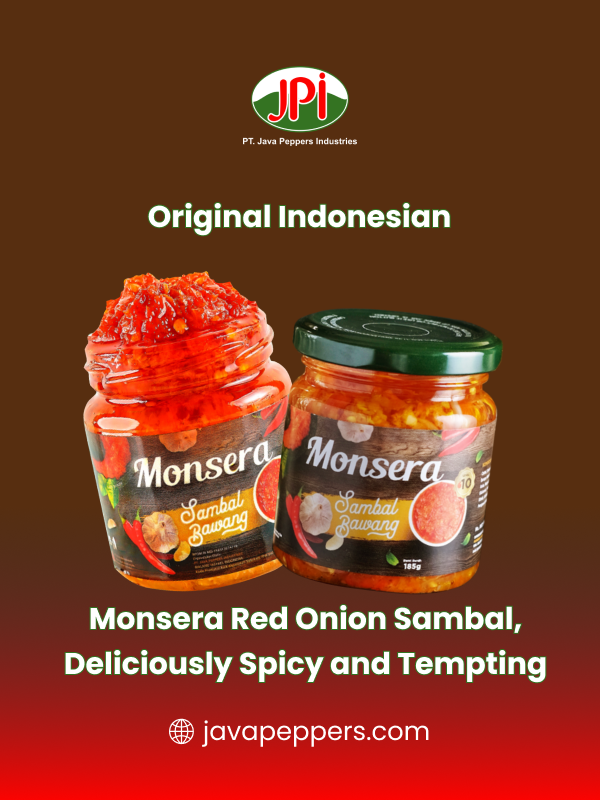
Monsera Red Onion Sambal, Deliciously Spicy and Tempting
Monsera Red Onion Sambal is a flavorful condiment made from ripe red chilies and fresh red onions, offering a perfect balance of heat, sweetness, and savory taste. The use of fully matured chilies explains why chili is red and why this sambal delivers a deeper, richer flavor compared to those made with unripe ingredients. The natural sweetness of red onions softens the spiciness, creating a more enjoyable taste for a wide range of people. Its vibrant color also enhances presentation, making dishes more appetizing. This sambal pairs well with rice, grilled meats, and fried foods, making it a versatile addition to everyday meals.
Let’s order via the button below now!
Conclusion
The question of whether chili can reduce weight has a clear and encouraging answer — yes, it genuinely can help. Furthermore, the active compound capsaicin supports weight loss through multiple proven biological mechanisms
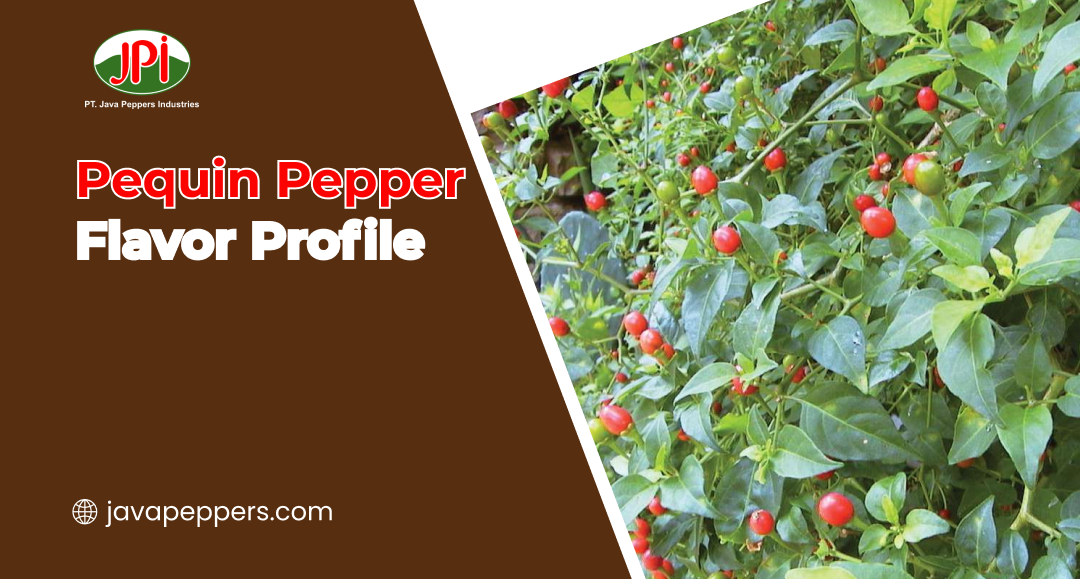
Pequin Pepper Flavor – The pequin pepper flavor is known for its bold heat and complex taste, making it a favorite among spice enthusiasts and culinary professionals alike. Although small in size, this chili delivers a powerful kick along with subtle flavor notes that enhance a wide variety of dishes. Understanding the characteristics of pequin pepper can help you use it effectively in cooking while appreciating its unique qualities.
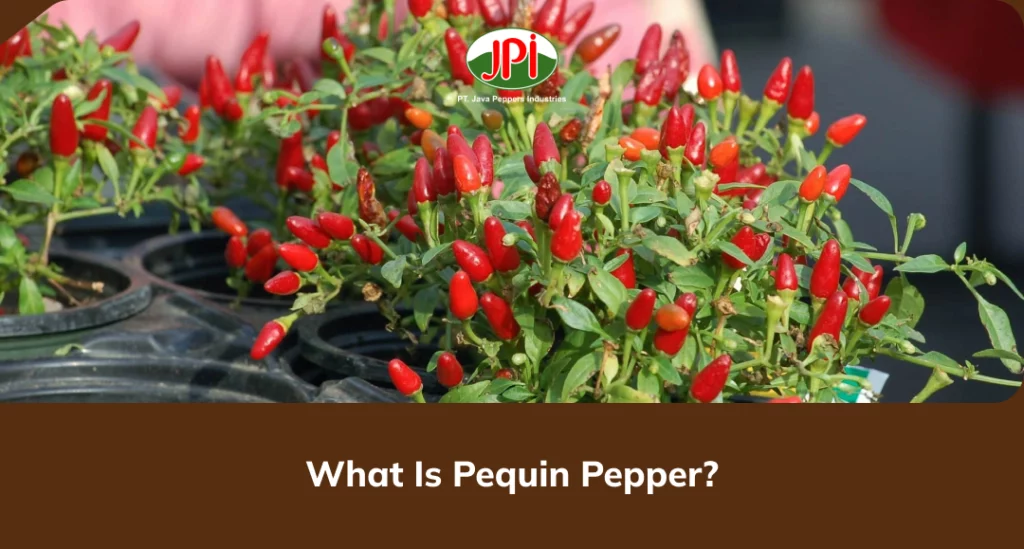
What Is Pequin Pepper?
Pequin pepper, often called chile pequín, is a small, fiery chili native to Mexico and parts of the southern United States. It belongs to the species Capsicum annuum, the same species that includes jalapeños and bell peppers. Despite its tiny appearance—typically about half an inch long—pequin pepper is significantly hotter than many common chilies.
On the Scoville Heat Scale, pequin peppers usually measure between 30,000 and 60,000 Scoville Heat Units (SHU). This places them far above jalapeños, which range from 2,500 to 8,000 SHU. The heat is strong but tends to dissipate more quickly than that of some other hot peppers.
Pequin peppers are often confused with chiltepin peppers due to their similar size and origin. However, pequin peppers are slightly elongated and pointed, while chiltepins are rounder. Pequin peppers are commonly sold dried, crushed, or ground into powder, although fresh varieties can also be found in certain regions.
They are widely used in Mexican cuisine, particularly in salsas, soups, stews, and marinades. Because of their intense heat and distinctive taste, they are typically used in small quantities to enhance flavor without overpowering a dish.
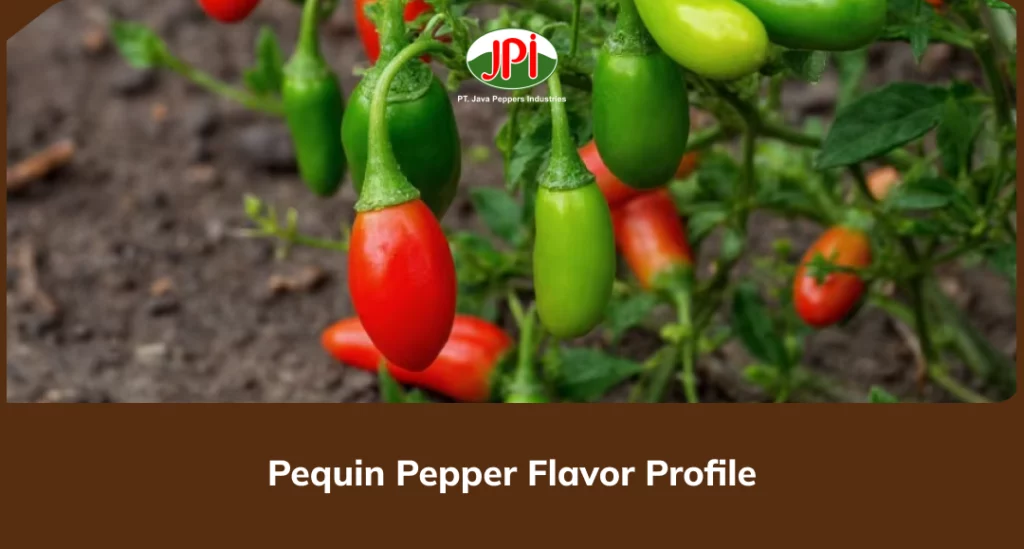
Pequin Pepper Flavor Profile
The true appeal of the pequin pepper flavor lies not only in its heat but also in its layered taste. While it is undeniably spicy, it offers more than just sharp intensity.
1. Heat Characteristics
The heat from pequin pepper is immediate and pronounced. It creates a quick burst of spiciness that is strong but relatively short-lived compared to peppers known for their lingering burn. This makes it suitable for dishes where a sharp kick is desired without prolonged heat.
2. Flavor Notes
Beyond its spiciness, the pequin pepper flavor profile includes several subtle characteristics:
A mild smokiness, especially when dried
Slight nutty undertones
A faint citrus-like brightness
An earthy finish that complements savory dishes
These combined elements give pequin pepper depth and complexity. Instead of simply adding heat, it enhances the overall flavor structure of a recipe.
3. Culinary Applications
Due to its bold yet balanced nature, pequin pepper is commonly used in:
Traditional red and green salsas
Chili-based stews
Meat marinades
Pickling solutions
Spiced oils
Crushed dried pequin pepper can also be sprinkled over eggs, roasted vegetables, grilled meats, or soups to add concentrated heat and flavor. Because it is potent, only a small amount is needed.
The versatility of the pequin pepper flavor makes it valuable in both traditional and modern cuisine. It pairs particularly well with garlic, lime, tomatoes, and smoky ingredients.
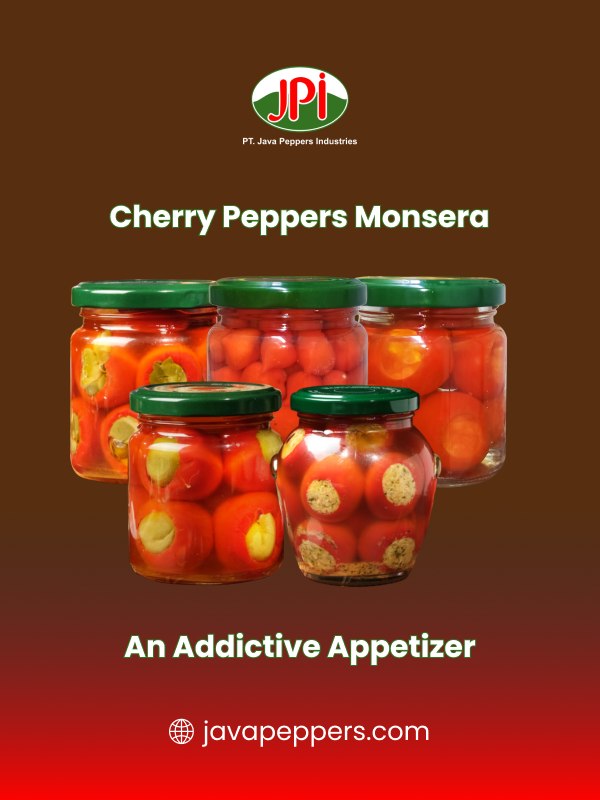
Cherry Peppers Monsera, an Addictive Appetizer
While pequin peppers are known for their intense heat, cherry peppers offer a milder and more approachable spice level. One example is the cherry pepper products from Monsera, which are recognized for their ready-to-serve quality.
Cherry peppers are round, bright red, and moderately spicy. Compared to the strong heat of pequin pepper, cherry peppers provide a gentler warmth with a slightly sweet and tangy taste. This makes them suitable for a wider range of consumers.
Monsera’s cherry peppers are often prepared as appetizers. They may be marinated or stuffed, creating a combination of savory, tangy, and mildly spicy flavors. Because of their balanced profile, they are commonly served:
As part of appetizer platters
Alongside cheeses and cured meats
As toppings for pasta or sandwiches
As additions to salads
The contrast between the intense pequin pepper flavor and the milder character of cherry peppers highlights the diversity among chili varieties. While pequin peppers are ideal for those seeking bold heat, cherry peppers are better suited for casual snacking or entertaining.
Let’s order via the button below now!
Conclusion
The pequin pepper flavor is defined by its sharp heat, subtle smokiness, and earthy complexity. Though small in size, it delivers a significant impact in cooking. Whether used in traditional Mexican dishes or modern recipes, pequin pepper offers both intensity and depth, making it a valuable ingredient for spice lovers.
The Red Savina Habanero has been admired for years as one of the hottest peppers, and its intense heat still interests many people. Because of its bold flavor and striking color, it has been used in various culinary creations. Moreover, growers appreciate it for its strong growth habits.
Let’s read further to get more complete information!
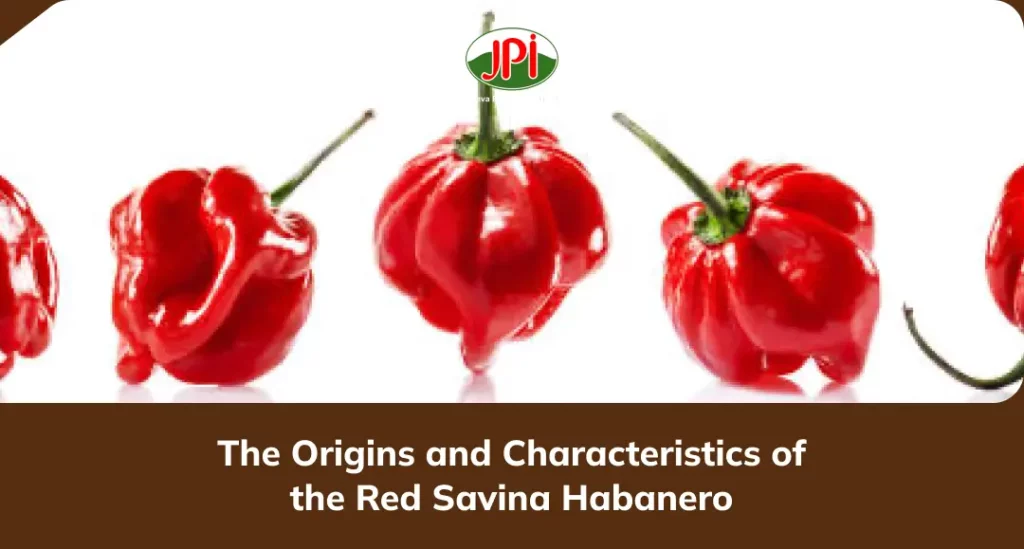
The Origins and Characteristics of the Red Savina Habanero
The Red Savina Habanero attracts global attention due to its remarkable heat, vivid color, and unique development history.
Therefore, many enthusiasts explore its origins, physical traits, and structure to understand what makes it stand out.
1. Development and History
The Savina Red Habanero was created through selective breeding, and this method produces a chili with a higher level of heat and a more robust nature. Growers selected the most vigorous plants, and this selection shaped the chili into a distinctive and admired variety.
2. Fruit Color and Size
This chili features a bright red hue, and this bold color makes it a visual appeal in any garden. The fruit appears medium-sized, and its slightly wrinkled surface indicates its potent flavor potential.
3. Plant Structure and Hardiness
This plant grows compactly, and this shape makes it ideal for small spaces or pots. Although it prefers warm climates, this chili adapts well to controlled environments, which helps new growers achieve healthy and productive growth.
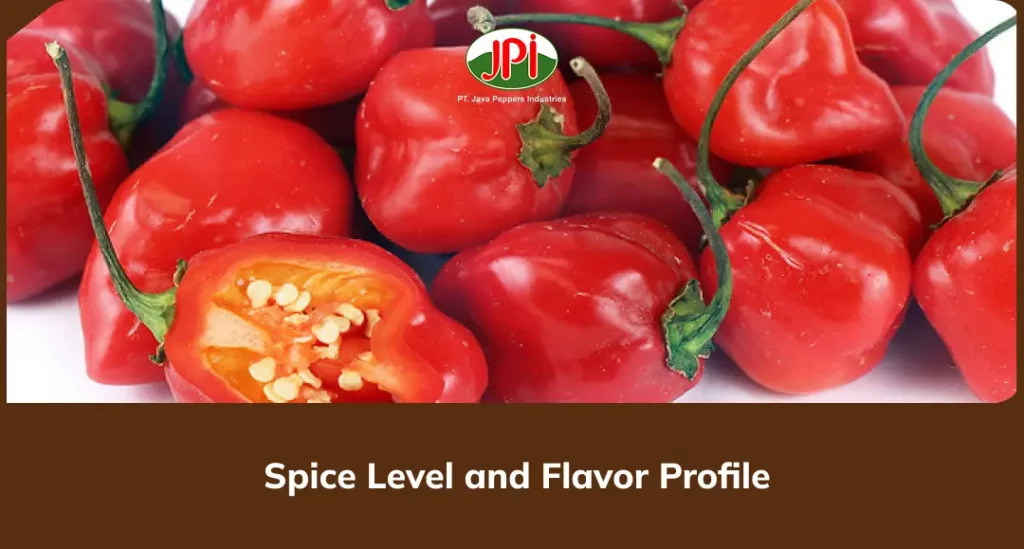
Spice Level and Flavor Profile
The fiery flavor of the Red Savina Habanero continues to captivate chili lovers, and its flavor surprises many with its natural sweetness.
Therefore, people often research its spiciness level and flavor characteristics before adding it to their dishes.
1. Scoville Heat Rating
This chili pepper achieves a very high Scoville rating, reflecting its strong concentration of capsaicin. Many chili enthusiasts compare it to other chili varieties, and they still consider the Red Savina to be among the hottest commonly grown chilies.
2. Flavor and Aroma Quality
This chili pepper offers a sweet, fruity flavor, and this flavor contrasts sharply with its intense heat. When cooked, its aroma becomes richer, and its natural sweetness balances the heat, providing a pleasant complexity to sauces or salsas.
3. Heat Sensation
The heat is immediate, and the burning sensation spreads across the palate with incredible intensity. The flavor is often described as a sharp, quick sting, and the lingering afterburn makes it appealing to anyone who enjoys a strong, lasting heat.
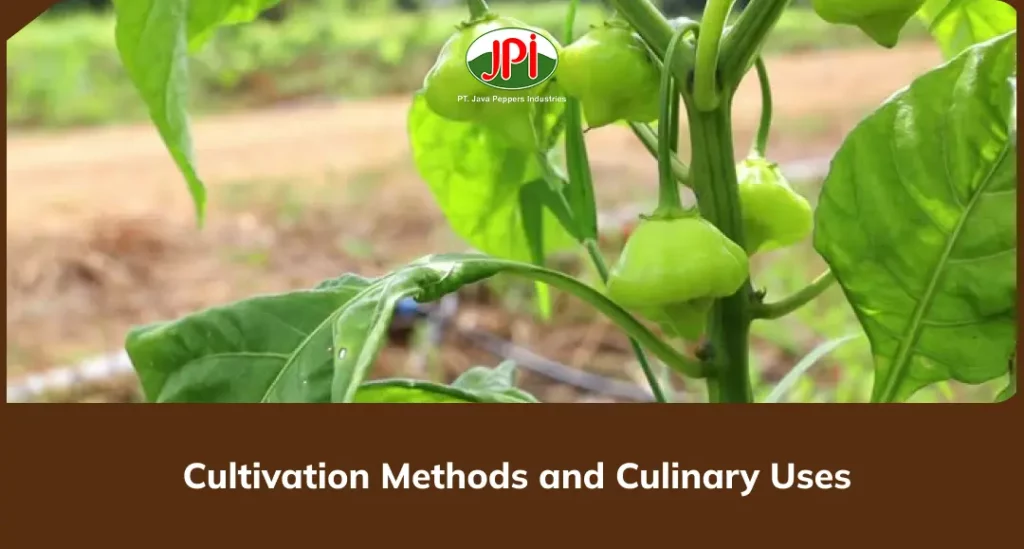
Cultivation Methods and Culinary Uses
Growing the Red Savina Habanero offers a rewarding experience, and using it in the kitchen provides creative possibilities. As a result, many enthusiasts learn reliable cultivation methods and explore exciting ways to highlight its impressive heat and flavor.
1. Effective Cultivation Techniques
Seeds should be planted indoors, and the soil should be warm to ensure better germination. Growers use strong lighting, and consistent watering promotes healthy development. When planted outdoors, plants thrive in full sun and produce abundant, delicious fruit.
2. Daily Plant Care
Regular fertilization strengthens the plant, and a balanced fertilizer encourages consistent fruit production. Gardeners prune excess branches, improving air flow. With proper spacing, plants thrive and produce peppers with richer colors and flavors.
3. Uses in Cooking
Red Savina peppers are excellent for sauces, and many chefs rely on them for marinades or seasonings. When combined with fruit, their sweetness is enhanced, while their spiciness is slightly reduced. Due to their versatility, Red Savina peppers enhance many creative dishes.
If you need an appetizer, Cherry Peppers Monsera with various combinations of ingredients can be the right and delicious choice.
Let’s order via the button below now!
Conclusion
The Red Savina Habanero remains a favorite among chili growers and spice fans. Its intense heat, vivid color, and versatile uses make it a standout pepper. Although it requires careful handling, it always rewards users with strong flavor and unforgettable heat. Lastly, don’t forget to order and see you again with other interesting information.