
How to Store Chili for Export
How to Store Chili – Chili peppers are among the most traded spices in the world, valued for their heat, flavor, and vibrant color. For farmers, distributors, and food exporters, understanding how to store chili properly is the key to maintaining freshness, preventing spoilage, and meeting international quality standards. Without proper storage, chili can quickly lose its texture, aroma, and nutritional value leading to financial losses and rejected shipments.
In today’s global market, where countries such as India, China, Mexico, and Indonesia are major chili producers, export standards are becoming stricter. Buyers expect consistent quality, safe handling, and longer shelf life. That is why mastering the right storage techniques is not just important it is essential for successful chili export.
Why Proper Chili Storage Is Crucial for Export
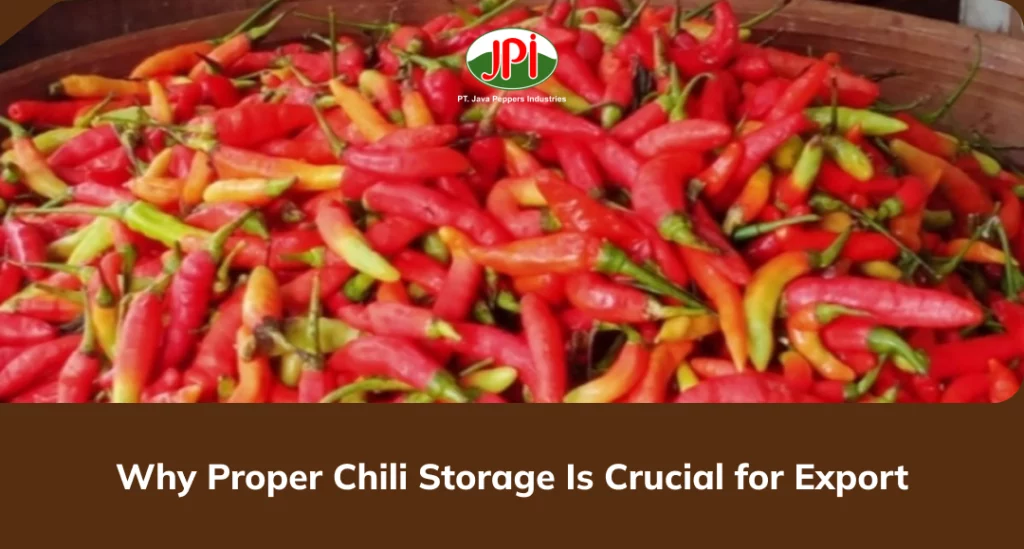
Chili peppers are highly perishable, especially fresh chili. They contain high moisture levels, which make them vulnerable to mold, fungal infections, and rapid decay if not stored correctly. Poor storage conditions can lead to:
- Loss of firmness and freshness
- Growth of harmful microorganisms
- Color fading and reduced visual appeal
- Weight loss due to moisture evaporation
- Rejection during quality inspection
International markets also enforce strict food safety regulations. Exported chili must be free from contamination, pesticide residue beyond permitted limits, and microbial growth. Maintaining the right temperature, humidity, and ventilation during storage and transportation significantly reduces these risks.
Additionally, proper storage helps preserve capsaicin content the compound responsible for chili’s spiciness and essential nutrients like vitamin C. Studies show that storing fresh chili at controlled temperatures between 7–10°C with 85–90% relative humidity can extend shelf life up to 2–3 weeks without major quality loss.
For exporters, knowing exactly how to store chili means protecting both product quality and business reputation.
7 How to Store Chili for Export
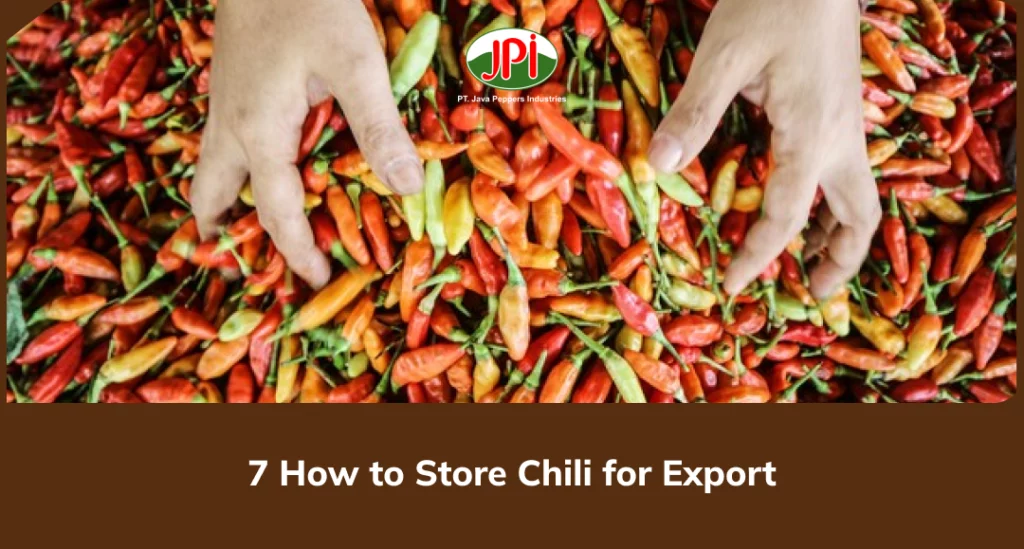
Below are seven practical and effective methods to ensure chili remains in optimal condition during export:
1. Harvest at the Right Maturity Stage
Proper storage begins at harvest. Chili should be picked at the correct maturity level usually when the fruit reaches full size and desired color but is still firm. Overripe chili spoils faster, while underripe chili may not develop proper flavor during storage. Harvest during dry weather to prevent excess surface moisture.
2. Sort and Grade Immediately
After harvesting, sort chili carefully. Remove damaged, bruised, or diseased peppers. Grading by size and color ensures uniformity, which is crucial for export markets. This step reduces the risk of cross-contamination and prevents one spoiled chili from affecting the entire batch.
3. Clean and Dry Properly
Wash chili gently to remove dirt and debris. However, avoid soaking them for too long. After washing, ensure they are thoroughly air-dried before storage. Excess moisture encourages fungal growth. Proper drying significantly lowers post-harvest losses.
4. Use Proper Packaging Materials
Packaging plays a major role in maintaining freshness. For fresh chili, use ventilated plastic crates or perforated cartons that allow air circulation. Avoid tightly sealed containers that trap moisture. Modified atmosphere packaging (MAP) is increasingly used in modern export systems. This method adjusts oxygen and carbon dioxide levels inside packaging to slow down respiration and extend shelf life.
5. Maintain Optimal Temperature and Humidity
Temperature control is the most critical factor in understanding how to store chili for international shipping.
- Fresh chili: 7–10°C
- Relative humidity: 85–90%
Temperatures below 7°C may cause chilling injury, leading to soft spots and discoloration. Meanwhile, temperatures above 10°C accelerate spoilage. Cold storage facilities with continuous monitoring systems are highly recommended for exporters.
6. Apply Pre-Cooling Techniques
Pre-cooling removes field heat immediately after harvest. This step slows down respiration and microbial growth.
Common pre-cooling methods include:
- Forced-air cooling
- Hydro-cooling
- Room cooling
Forced-air cooling is widely used in commercial export operations due to its efficiency and consistent results.
7. Monitor During Transportation
Storage does not end in the warehouse. During export, chili must be transported in refrigerated containers (reefers) with stable temperature settings. Continuous monitoring ensures that fluctuations are minimized. Temperature loggers are often used to track conditions throughout the shipping journey.
Original Indonesian Sambal Monsera, Practical and Ready to Eat
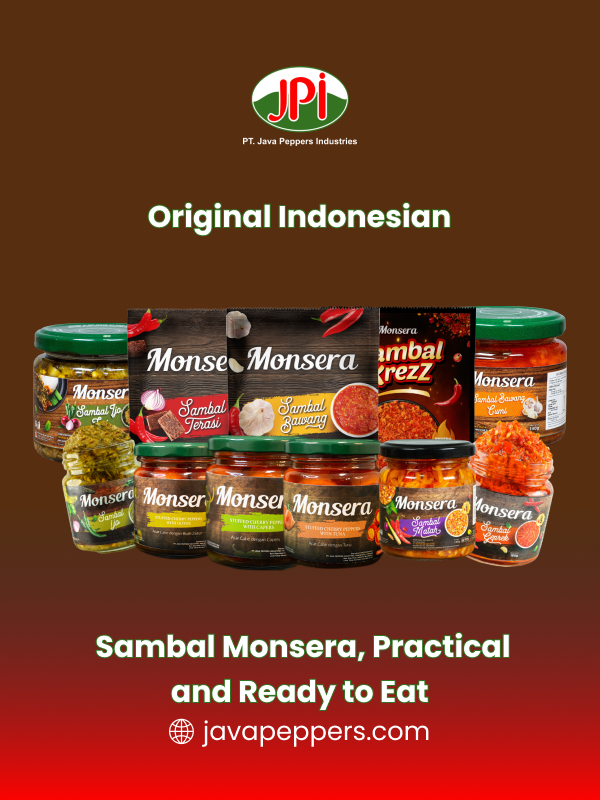
In addition to exporting fresh chilies, processed chili products are gaining popularity in the international market. One example is Monsera chili sauce, a ready to eat chili sauce inspired by traditional Indonesian flavors.
Indonesia is renowned for its variety of chili sauces. Therefore, Monsera offers Indonesia’s most popular chili sauces with delicious and unique flavors.
Products like Monsera chili sauce offer a practical solution for consumers who want authentic flavors without having to manually prepare fresh chilies.
For exporters, processed chili products offer several advantages:
- Longer shelf life than fresh chilies
- Lower risk of spoilage
- Easier storage and transportation
- Higher added value
Unlike fresh chilies, which require strict cold chain management, ready to eat chili sauce products are typically packaged in sealed jars or pouches with a pasteurization process to ensure safety and durability.
This diversification allows chili producers to expand beyond raw exports and capitalize on the growing global demand for ethnic and spicy foods.
Let’s order via the button below now!

Conclusion
Understanding how to store chili correctly is essential for maintaining freshness, meeting export standards, and reducing financial losses. From proper harvesting to temperature-controlled transportation, each step plays a vital role in preserving quality. With the right storage practices, exporters can confidently compete in the global chili market.
