What Makes Chili Peppers So Hot?
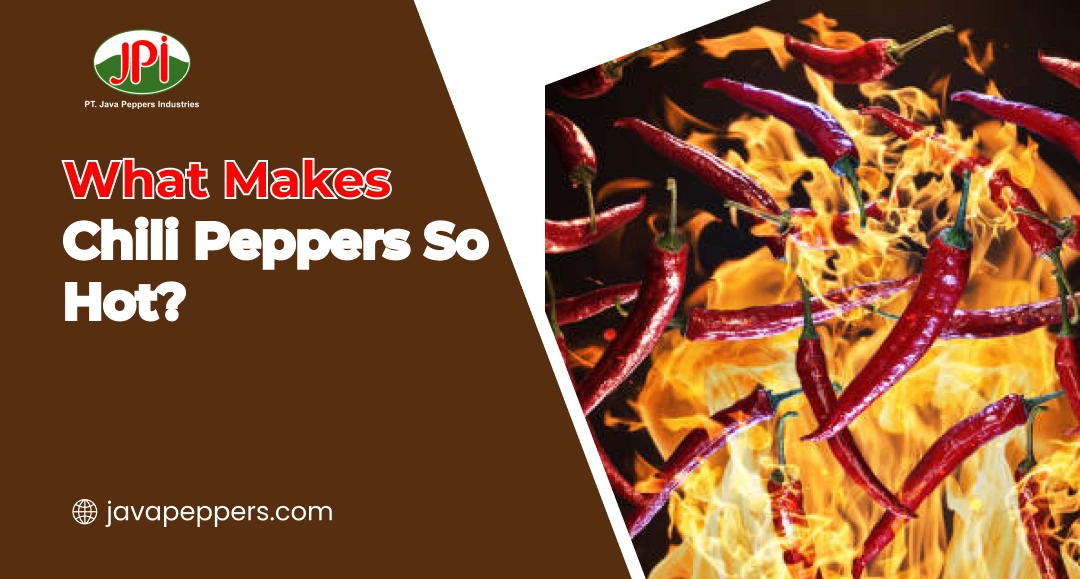
What Makes Chili Hot – What makes chili hot is a question many food lovers ask, especially when their tongue starts to tingle and sweat begins to form. In short, chili peppers are hot because of a group of naturally occurring chemical compounds called capsaicinoids, with capsaicin being the most powerful. These compounds interact with pain receptors in our mouths, tricking our brains into sensing heat even though there’s no actual rise in temperature.
Let’s explore this fascinating topic more deeply in a way that’s easy to understand, whether you’re a seasoned chef or someone who just likes a little spice on their food.
What Makes Chili Hot?
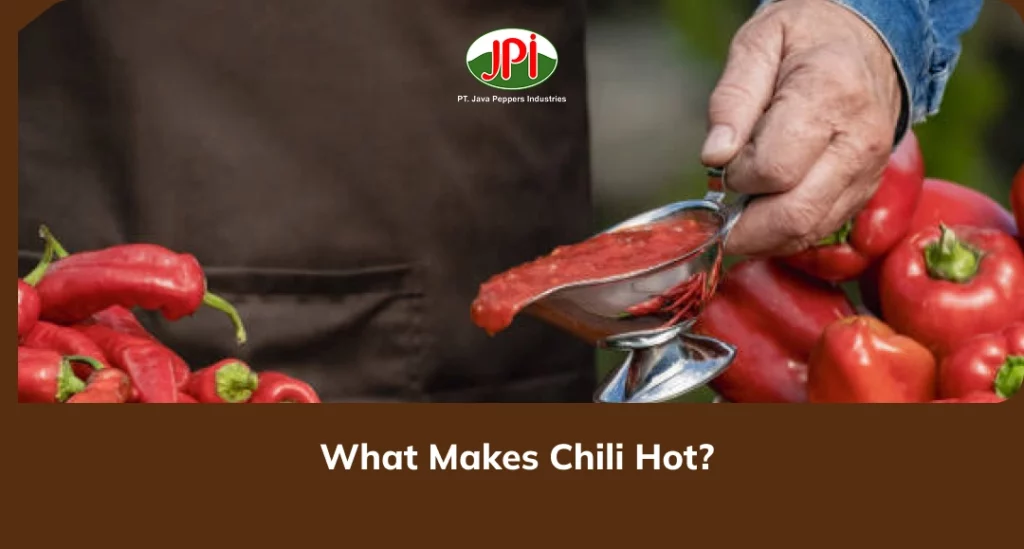
Chili peppers are famous around the world for adding bold flavor and fiery heat to food, but what really causes that burning sensation? The answer lies in the pepper’s natural defense system. Chili plants produce capsaicinoids, a group of chemical compounds, to protect themselves from certain animals and fungus.
When you bite into a chili, the capsaicinoids bind to pain receptors in your mouth called TRPV1 receptors. These receptors normally respond to high temperatures (above 42°C or 108°F), so the brain interprets this chemical reaction as heat, causing that familiar fiery sensation.
Capsaicin does not dissolve in water, which is why drinking water after eating spicy food often doesn’t help much. Instead, capsaicin binds more easily to fats and oils. That’s why milk, yogurt, or even peanut butter can be more effective at calming the heat than water. This unique chemical reaction explains what makes chili hot — it’s not a physical temperature but a chemical trigger that tricks your brain.
Capsaicin levels vary widely among different chili peppers. These levels are measured on the Scoville Scale, a method developed to estimate how spicy a pepper feels. A mild bell pepper has a Scoville rating of zero because it contains little or no capsaicin, while some of the world’s hottest peppers, like the Carolina Reaper or Trinidad Moruga Scorpion, score over a million Scoville Heat Units (SHU). This wide range in heat makes chili peppers exciting for cooks, food challenges, and science enthusiasts alike.
Beyond spiciness, chili peppers offer exciting flavors — fruity, smoky, earthy, or even slightly sweet. That’s why chefs use them in cuisines worldwide, from Mexican salsas to Thai curries and Korean kimchi. So while the heat might get the most attention, the full experience of chili peppers goes far beyond the burn.
Why Some Chili Peppers Are Hotter Than Others?

Not all chili peppers are created equal. The spooky question many people ask is, “Why are some chili peppers hotter than others?” The answer boils down to genetics, growing conditions, and evolutionary purpose.
1. Genetics
Each variety of chili pepper has its own genetic blueprint that determines how much capsaicin it can produce. Some peppers, like bell peppers, simply lack the genetic machinery to make capsaicin in significant amounts. Others, like habaneros or ghost peppers, have genes that are very good at producing capsaicinoids. Just as genetics influence traits like height in humans, they also determine the heat potential in peppers.
2. Environment and Growing Conditions
Where and how a chili pepper is grown also plays a big role in how hot it becomes. Mild stress on the plant — like limited water or high sunlight — can cause it to produce more capsaicin. This is part of the plant’s natural defense system: in harsher environments, the plant boosts its chemical defenses to survive. So a pepper grown in dry, sunny conditions might be hotter than the same variety grown in cooler, wetter weather.
Soil quality also matters. Nutrient-rich soil encourages healthy plant growth, while certain nutrient limitations may stimulate more capsaicin production. Altitude and temperature can play a role too. Though the science isn’t simple, many farmers and gardeners know from experience that peppers grown in warmer climates often develop more heat than those in cooler regions.
3. Maturity at Harvest
The stage at which a pepper is harvested influences its heat. As peppers ripen on the plant, they often accumulate more capsaicin, becoming hotter the longer they stay on the vine. That’s why fully ripe red peppers typically taste spicier than their green, unripe counterparts.
4. Evolutionary Purpose
From an evolutionary perspective, capsaicin helps protect the pepper plant from certain animals and microbes. Many mammals find the heat unpleasant, so they avoid eating the peppers. Birds, however, are not sensitive to capsaicin and can eat the peppers without discomfort, helping to spread the seeds far and wide. Nature’s way of cooperation through chemistry results in the fascinating range of heat levels we see today.
5. The Experience of Heat
The heat from chili peppers isn’t just physical; it creates a sensory experience. When capsaicin binds to receptors in your mouth, it releases endorphins — your body’s natural painkillers. That’s why some people love the thrill of spicy food; it’s not just heat, but also a rush of feel-good chemicals. Over time, regular chili eaters may even build a tolerance, needing hotter peppers to get the same sensation.
Recommendations For Delicious Chili Sauce With Different Levels Of Spiciness

Here are some tasty chili sauce recommendations with different levels of spiciness from Monsera. Chili Garlic Sauce delivers bold, intense heat blended with rich garlic flavor, making it perfect for spicy food lovers. Chili Terasi Sauce offers a deep, savory heat with fermented shrimp paste notes. Chili Geprek Sauce provides a stronger crushed-chili kick for maximum spiciness. Chili Green Sauce has a fresher, milder heat using green chilies. Meanwhile, Chili Matah Sauce combines spicy freshness with aromatic ingredients, creating a balanced and flavorful chili experience for everyday meals.
Let’s order via the button below now!

Conclusion
So, what makes chili hot is the presence of capsaicinoids, especially capsaicin, which trigger heat and pain receptors in the mouth without raising actual temperature. This natural compound explains why chili peppers create a burning sensation and why their heat levels vary. By understanding what makes chili hot, you can better appreciate different chili peppers and chili sauces, choose the right level of spiciness, and enjoy heat not just as a challenge, but as a flavorful and fascinating culinary experience.