How to Export Chili Worldwide
How to Export Chili Peppers has become a common question among new exporters as global demand for chili peppers continues to rise.
Exporting chili peppers offers strong business potential, especially for those who understand the basic steps required to enter the international market.
This guide provides clear and simple explanations to help beginners avoid mistakes, meet global standards, and build long-term partnerships with international buyers.
So, let’s take a look at the full discussion in the following article!
Ensuring Compliance with Product Quality Standards
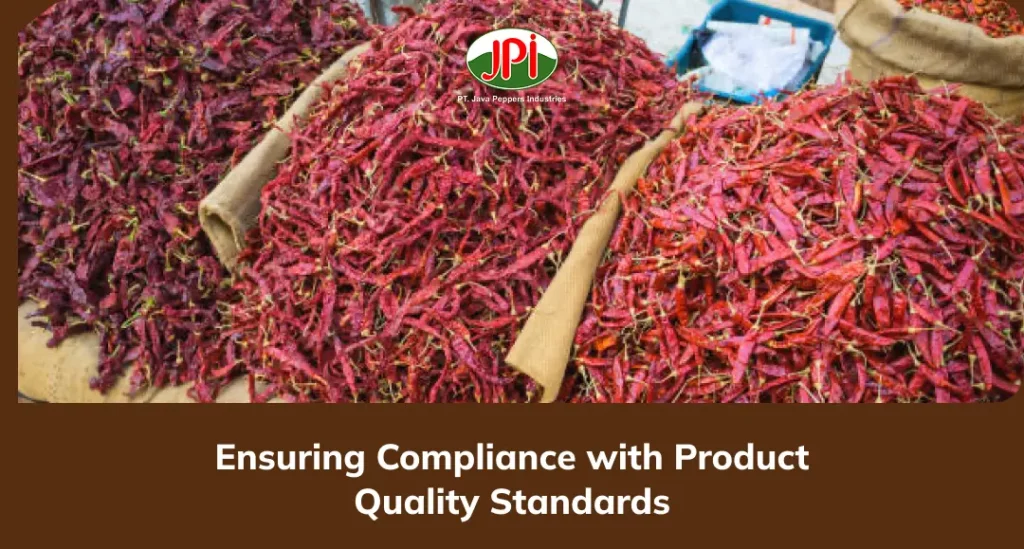
Before learning How to Export Chili, exporters must understand the importance of meeting product quality standards.
These standards ensure that the chili is safe, fresh, and ready for global trade. High quality builds trust and attracts more buyers worldwide.
1. Proper Harvest Handling
Proper harvest handling maintains product freshness and supports successful exports.
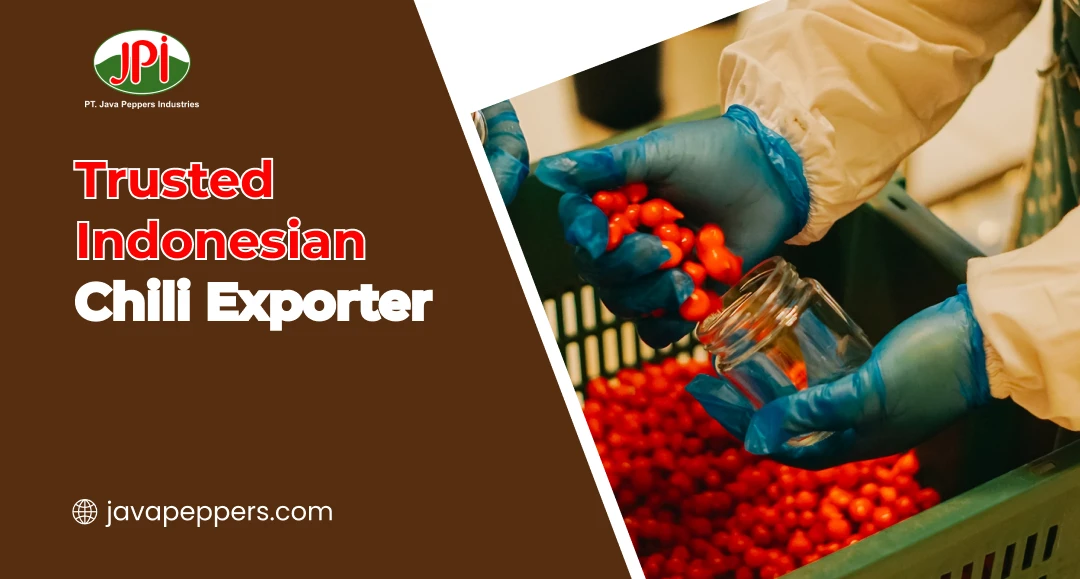
Chili peppers should be picked at the proper stage of ripeness to maintain flavor, then carefully cleaned to avoid contamination.
This process increases shelf life, maintains consistent quality, and strengthens your reputation in the international market.
2. Chili Sorting and Grading
Sorting and grading ensure buyers receive a uniform product that meets their expectations.
Chili peppers should be grouped by size, color, and overall condition. Exporters can create clear classifications to simplify buyer selection.
This method also increases pricing opportunities because premium quality attracts higher demand and better offers.
3. Packaging Based on International Regulations
Packaging must comply with global safety standards to protect chili peppers during shipping. Exporters should choose materials that promote ventilation while maintaining product hygiene.
Good packaging reduces damage during shipping and maintains the appearance of chili peppers. These standards also help you meet importer requirements and prevent shipment rejections.
Managing Export Legalities and Documentation
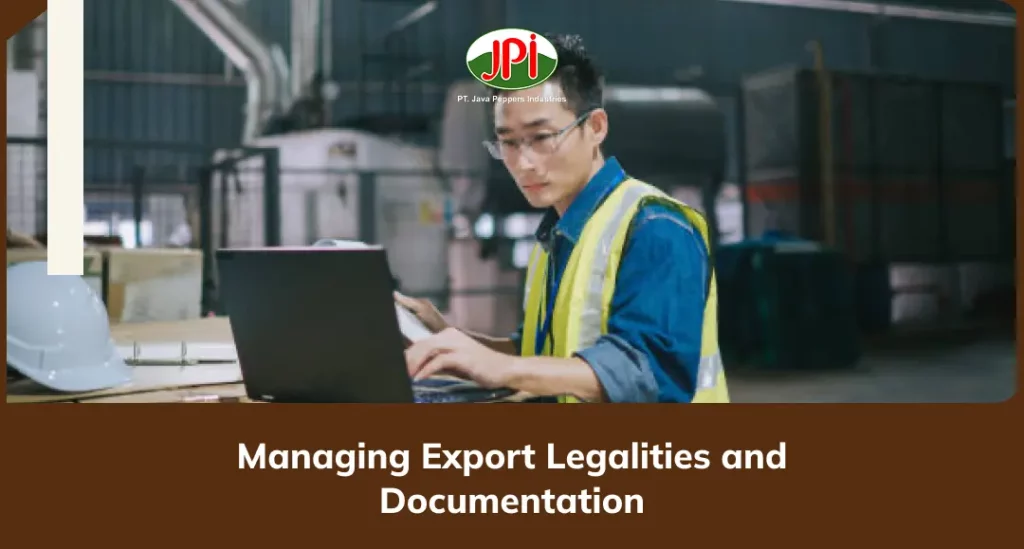
Documentation is a crucial part of how to export chili because every shipment requires legal proof. Accurate paperwork ensures smooth customs clearance. Strong preparation saves time, reduces delays, and prevents unnecessary financial losses.
1. Obtain Required Export Certificates
Export certificates provide legal verification that products comply with international regulations. Authorities may require phytosanitary certificates to ensure product safety. Exporters should regularly review the latest regulations to avoid delays.
Keeping well-organized records helps you respond quickly to buyer inquiries and secure long-term partnerships.
2. Prepare Commercial Invoices
A complete commercial invoice provides important transaction details for customs clearance. Exporters should include product descriptions, quantities, and prices.
The invoice must match all other documents to avoid inspection issues. Buyers value accurate information because it promotes transparent communication and builds trust.
3. Complete Customs Declarations
Customs declarations provide the data authorities need to approve shipments. Exporters must use accurate codes and the correct product categories.
Proper filing will expedite the clearance process and reduce the risk of penalties. This step is easier if the documentation is complete and regularly updated.
Finding International Buyers or Importers

Finding international buyers is one of the most important steps in exporting chili. Strong relationships expand your market reach. Knowing the right strategies helps you connect with importers who need consistent and reliable supplies.
1. Using an Online Trading Platform
Online trading platforms allow exporters to showcase their products to global buyers. You can upload photos, explain product benefits, and provide specifications.
Many importers prefer these platforms because they facilitate communication. Consistent activity increases visibility and attracts more serious inquiries each month.
2. Attending Food and Agriculture Exhibitions
Exhibitions allow for face-to-face meetings that build trust more quickly. You can demonstrate the quality of your chilies and discuss long-term partnerships.
These events also provide access to global market trends and pricing insights. Exporters who attend regularly often secure exclusive contracts with new buyers.
3. Establishing Direct Communication with Importers
Direct communication helps exporters clearly understand buyers’ needs. You can discuss packaging options, delivery schedules, and quality expectations.
Clear conversations reduce misunderstandings and build stronger partnerships. This approach also helps improve product standards based on buyer feedback.
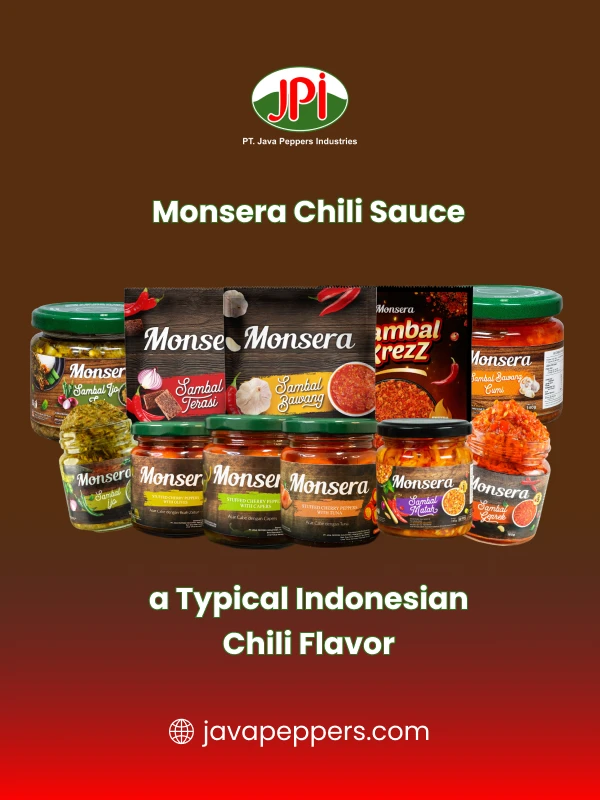
Besides exporting chilies, you can also try Indonesian sambals. For example, green chili sauce, shrimp paste chili sauce, onion chili sauce, raw chili sauce, and crushed chili sauce.
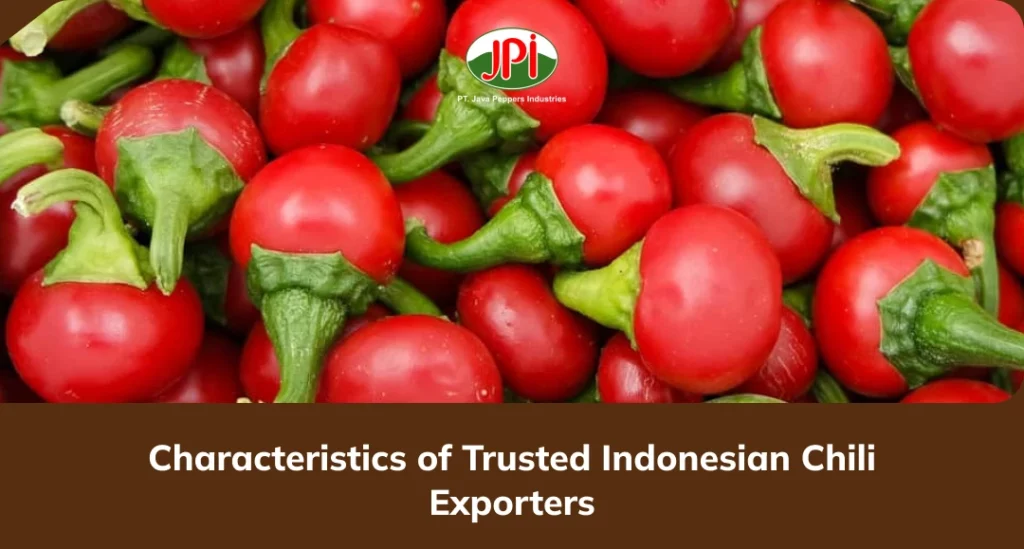
There are also small chilies or cherry peppers in various combinations that can be served as appetizers.
In other words, both chili sauce and cherry peppers can be exported subject to applicable regulations.
Let’s order via the button below now!

Conclusion
Exporting chili requires consistent quality, accurate documentation, and strong communication with international buyers. When you understand how to export chili, you can compete more effectively in the global market. With the right steps, your chili products can reach new customers worldwide and support long–term business growth. Lastly, don’t forget to order and see you again with other interesting information.