Why Are Most Chili Peppers Red?

Why Are Most Chili Peppers Red?

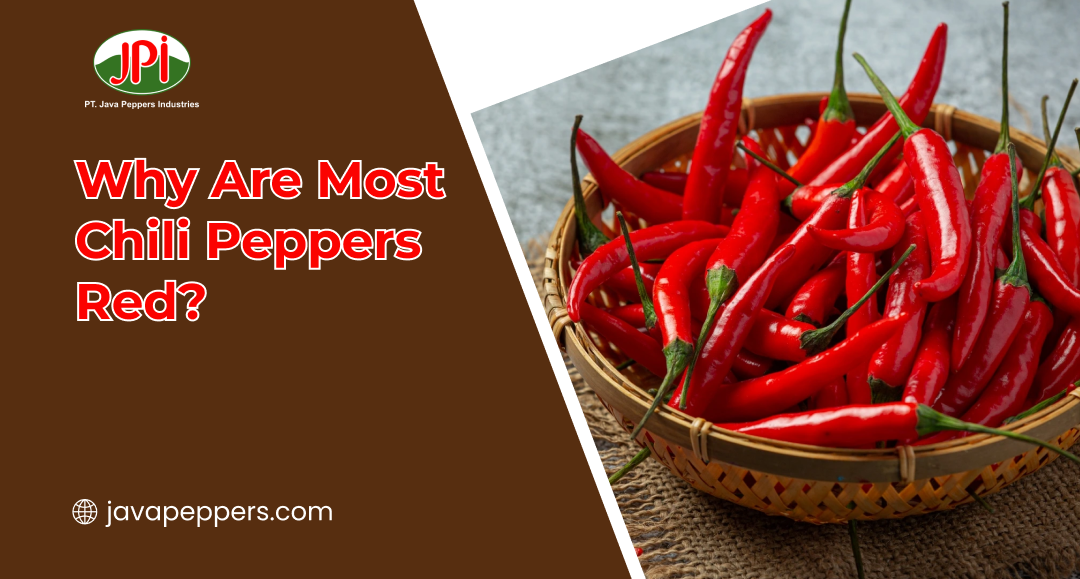
Why Chili Is Red – Have you ever wondered why chili is red and why most chili peppers eventually turn into that vibrant, fiery color? At first glance, it might seem like a simple matter of nature, but the transformation of chili peppers from green to red involves fascinating biological processes. Understanding why chili is red not only helps us appreciate food more deeply but also reveals how nature signals ripeness, flavor, and nutrition.

Chili peppers are widely used across global cuisines, from spicy sauces to traditional dishes. Their color plays a significant role in how we perceive their taste, freshness, and even their health benefits.

Why Chili Is Red
Why Chili Is Red

The answer to why chili is red lies in plant biology and natural pigments. Chili peppers start off green because they contain chlorophyll, the same compound that gives leaves their green color. During this stage, the fruit is still immature.

As the chili matures, chlorophyll begins to break down. At the same time, other pigments mainly carotenoids start to develop. These carotenoids are responsible for the bright red, orange, or yellow colors seen in fully ripe chilies. In red chilies, the dominant pigment is capsanthin, which gives them their deep red appearance.

This color change is not just cosmetic. It signals that the chili has reached full ripeness. At this stage:

  • The flavor becomes richer and slightly sweeter.
  • The heat level can become more pronounced or balanced.
  • The nutritional value increases.

Another reason why chili is red is evolutionary. Bright colors attract animals, which then help spread the seeds. This natural process ensures the survival and propagation of the plant.

Environmental factors such as sunlight, temperature, and soil quality also influence how intense the red color becomes. The more optimal the growing conditions, the richer the pigmentation.

Nutritional Significance of Red Chilies
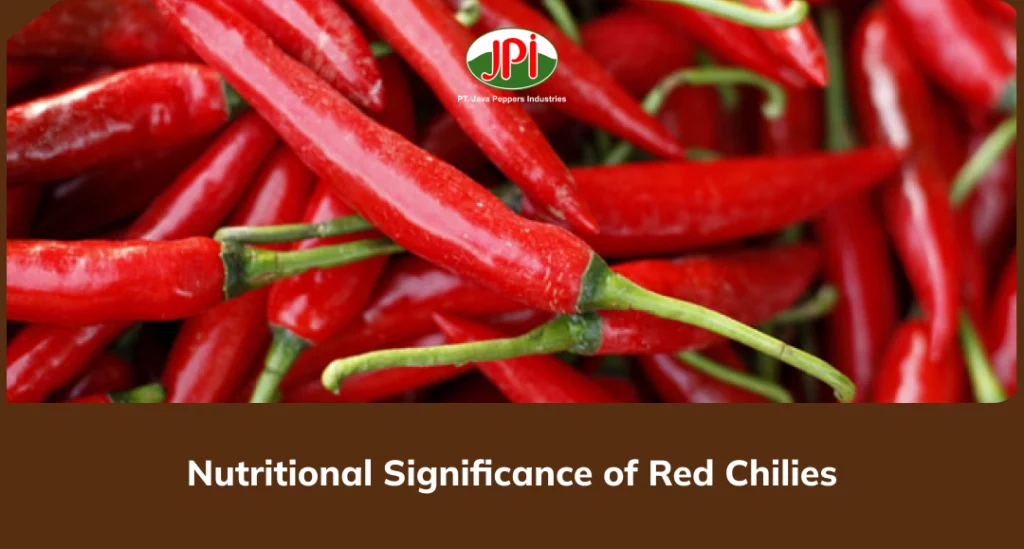
Nutritional Significance of Red Chilies

Beyond answering why chili is red, it’s important to understand what that red color means for your health. Red chilies are not just visually appealing they are packed with nutrients that benefit the body.

1. Rich in Vitamins

Red chilies contain high levels of vitamin C, which supports the immune system, and vitamin A, which is essential for eye health. As chilies ripen and turn red, their vitamin content increases significantly compared to their green counterparts.

2. Loaded with Antioxidants

The same pigments that explain why chili is red carotenoids also act as powerful antioxidants. These compounds help protect the body from oxidative stress, which can contribute to aging and chronic diseases.

3. Boosts Metabolism

Red chilies contain capsaicin, the compound responsible for their heat. Capsaicin has been shown to:

  • Boost metabolism
  • Support fat burning
  • Improve blood circulation

4. Supports Heart Health

Regular consumption of red chilies in moderate amounts may help reduce cholesterol levels and improve overall cardiovascular health.

5. Natural Pain Relief

Capsaicin is also used in topical creams for pain relief. It works by reducing the intensity of pain signals sent to the brain.

So, when you think about why chili is red, remember that the color is a sign of peak nutritional value and health benefits.

Monsera Red Onion Sambal, Deliciously Spicy and Tempting
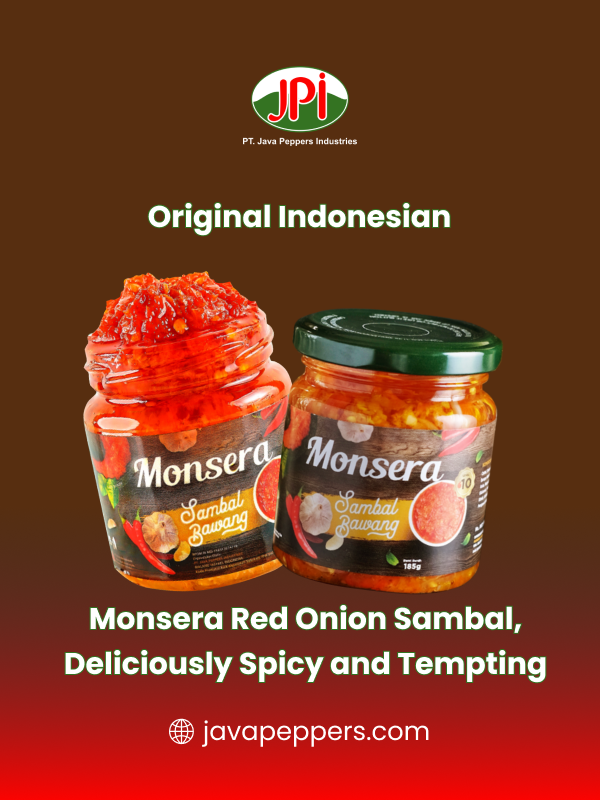
Monsera Red Onion Sambal, Deliciously Spicy and Tempting

Monsera Red Onion Sambal is a flavorful condiment made from ripe red chilies and fresh red onions, offering a perfect balance of heat, sweetness, and savory taste. The use of fully matured chilies explains why chili is red and why this sambal delivers a deeper, richer flavor compared to those made with unripe ingredients. The natural sweetness of red onions softens the spiciness, creating a more enjoyable taste for a wide range of people. Its vibrant color also enhances presentation, making dishes more appetizing. This sambal pairs well with rice, grilled meats, and fried foods, making it a versatile addition to everyday meals.

Let’s order via the button below now!

Conclusion

The question why chili is red reveals important insights into plant ripening, nutrition, and flavor. Red chilies signal peak maturity, better taste, and higher nutrients. Whether for health benefits or culinary uses like sambal, their vibrant color plays a key role in both nutrition and food enjoyment.
Jalapeño vs Serrano: Which Is Hotter?

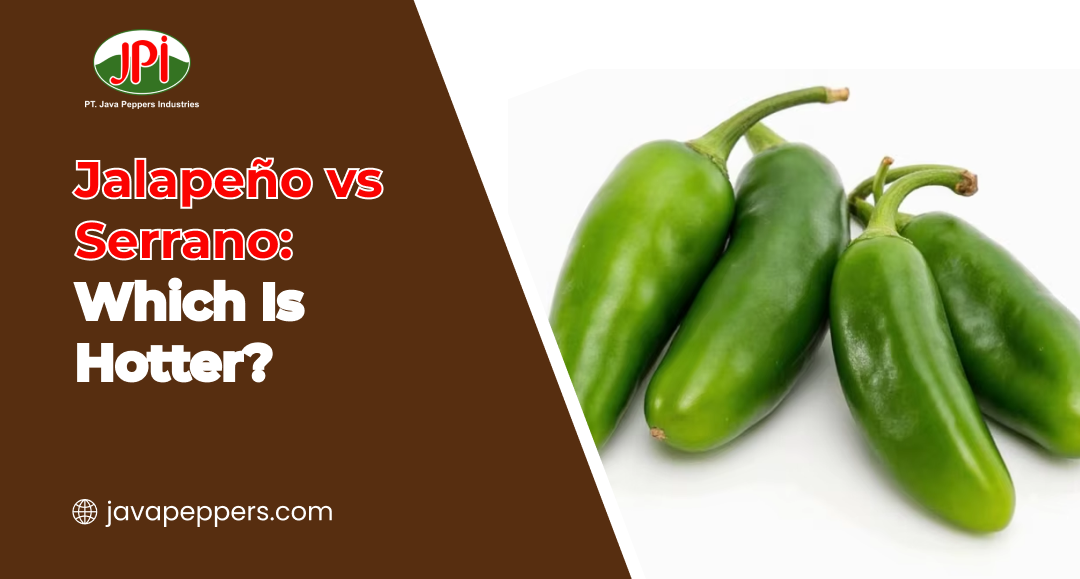
Jalapeño vs Serrano: Which Is Hotter?

Jalapeño vs Serrano – When it comes to popular chili peppers, few comparisons spark as much curiosity as Jalapeño vs Serrano. Both peppers are widely used in kitchens around the world, especially in Mexican and Tex-Mex cuisine. Many people wonder which one is hotter, how their flavors differ, and when to use each.

If you have ever hesitated at the grocery store or while cooking at home, this guide will help you confidently choose between jalapeño peppers and serrano peppers based on heat, flavor, and culinary use.

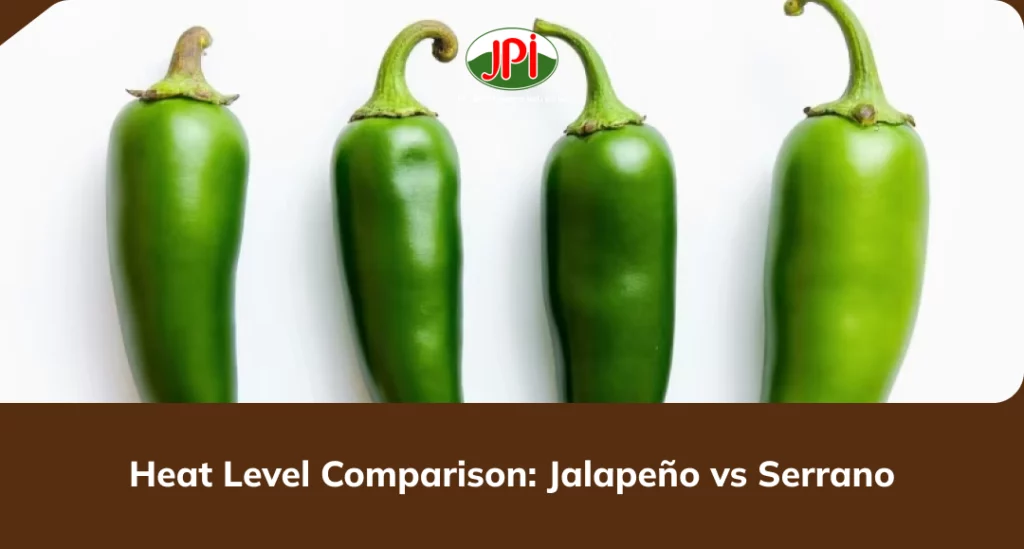
Heat Level Comparison: Jalapeño vs Serrano

Heat Level Comparison Jalapeño vs Serrano

The biggest question in the Jalapeño vs Serrano debate is heat. Chili pepper spiciness is measured using the Scoville Heat Unit (SHU) scale, which indicates how much capsaicin a pepper contains.

Jalapeños usually range from 2,500 to 8,000 SHU, making them moderately spicy but still comfortable for most people. This manageable heat level is why jalapeños are so popular in everyday cooking.

Serrano peppers, on the other hand, are noticeably hotter. They typically measure between 10,000 and 23,000 SHU. That means serranos can be up to three times hotter than jalapeños. While still not extreme, the heat is sharper and more immediate.

In short, if you are sensitive to spice, jalapeños are the safer choice. If you enjoy a stronger kick, serranos deliver more heat without overpowering a dish. When comparing jalapeño vs serrano heat, serrano peppers clearly come out hotter.

Flavor and Texture Differences

Flavor and Texture Differences

Heat is not the only difference when comparing Jalapeño vs Serrano. Flavor and texture also play a big role in how these peppers are used.

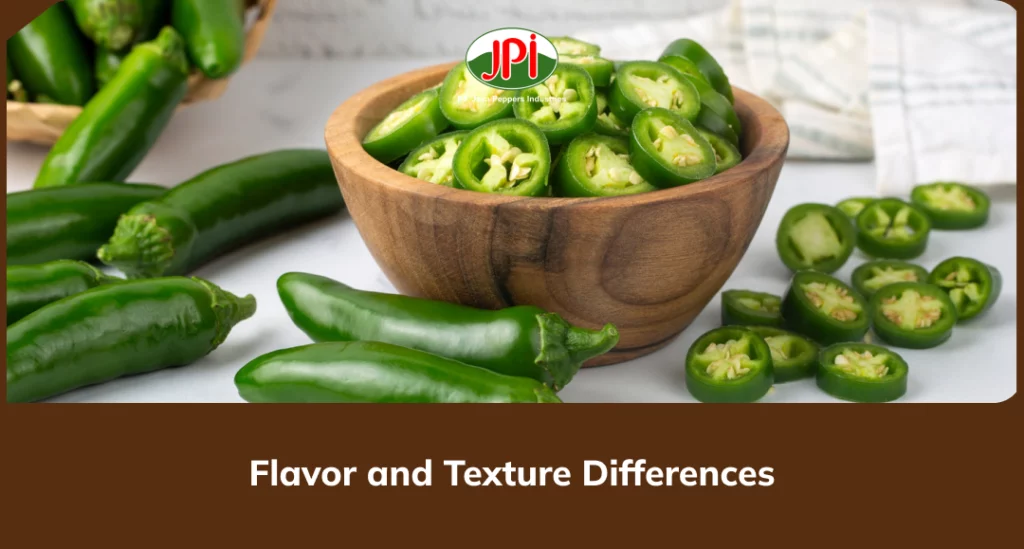
Jalapeños have a mild, slightly sweet, and grassy flavor. When cooked or smoked, they develop a deeper, almost savory taste. Their thick walls and juicy flesh make them ideal for stuffing, slicing, or grilling.

Serrano peppers offer a brighter, crisper, and more pepper-forward flavor. They are less sweet but more intense. Serranos also have thinner walls, which means they release heat and flavor quickly when chopped or blended.

Texture-wise, jalapeños are meatier, while serranos are firmer and crunchier when raw. This makes serranos excellent for fresh salsas where texture matters.

If flavor complexity and crunch are important, serranos may be the better choice. For balance and versatility, jalapeños often win.

Culinary Uses and Best Substitutions

Culinary Uses and Best Substitutions

Understanding how each pepper works in cooking is essential when deciding between Jalapeño vs Serrano.

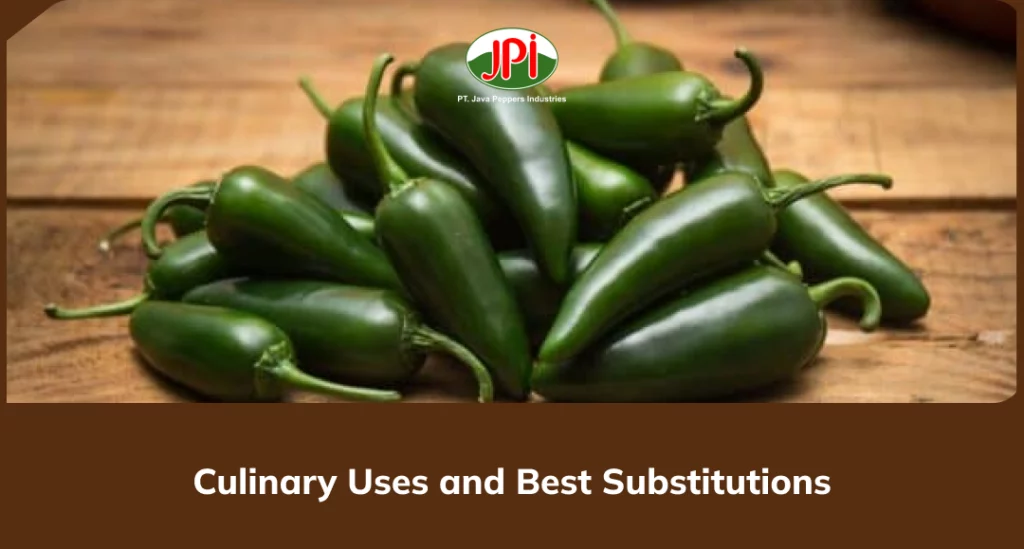
Jalapeños are incredibly versatile. They are commonly used in:

  • Nachos and tacos
  • Stuffed pepper recipes
  • Pickled jalapeños
  • Sauces and marinades

Because their heat is moderate, jalapeños are great for family-friendly dishes and large servings.

Serrano peppers are often used when a recipe needs more heat without adding extra volume. They work well in:

  • Fresh salsas and pico de gallo
  • Hot sauces
  • Stir-fries
  • Spicy soups

When substituting one for the other, keep heat in mind. If a recipe calls for serrano peppers and you only have jalapeños, use more jalapeño to compensate for the lower heat. If replacing jalapeños with serranos, use fewer and remove the seeds to control spiciness. This flexibility makes both peppers valuable in home cooking.

Before that, you can enjoy an appetizer first for a more satisfying culinary experience.

A popular appetizer right now is Cherry Peppers. You can try the Cherry Peppers Monsera, which comes in three varieties. Each variant has a different yet equally delicious flavor.

With a delicious appetizer like this, your culinary experience will not only be satisfying but also appetizing.

Let’s order via the button below now!

Conclusion

In the Jalapeño vs Serrano comparison, serrano peppers are clearly hotter, while jalapeños offer milder heat and broader versatility. Both bring unique flavors and textures to the table. Choosing the right one depends on your spice tolerance and the dish you are preparing.

Pesan Atap Grand Sekarang!

Order Here!